Language
You can read the magazine in one of the following languages
7-min read

 Bookmark now

 Copy Link
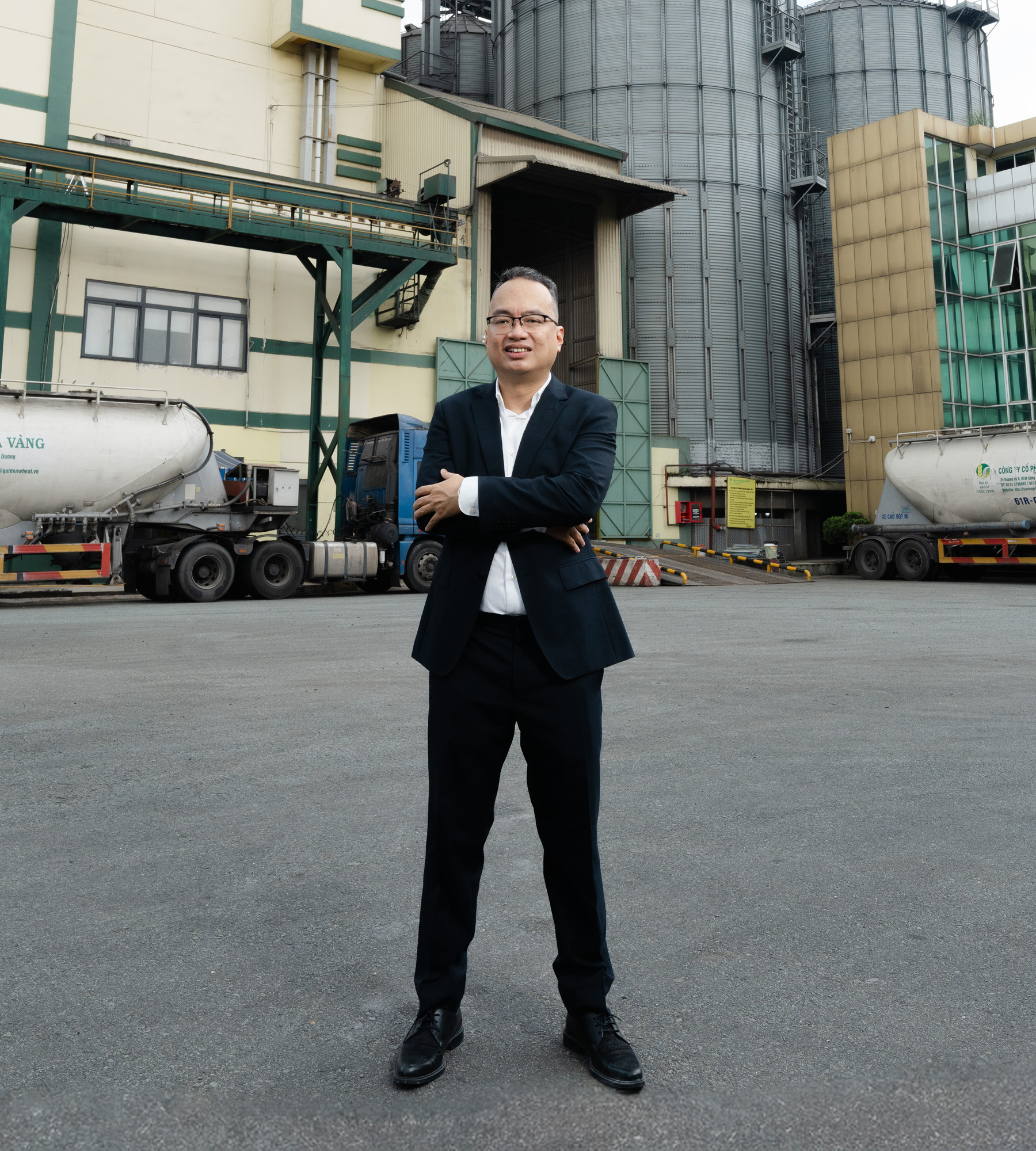
Having taken a milling company from relative obscurity to a national leader, with a 20-fold revenue increase in the past 10 years, Gia Tue Vuong, CEO of Golden Wheat, reveals his secret. He says the key is being able to lead a cohesive and efficient team that is striving toward the same goal.
“I’m just like the pulling force, the company is the train,” he tells The CEO Magazine. “Moving up sustainability and stability is dependent on the whole team. The whole team is like a joint connection. If any joint is weak, that means the risk management is not good, so growth is not sustainable.
“My philosophy is the same as our company slogan: ‘bringing you the golden values’. To me, this means our B2B customers do not simply buy a product from us – they receive a golden ingredient, perfectly prepared and supported through every step, so it seamlessly powers their unique recipe for business triumph.
“We are confident that we would master the entire process – from sourcing and quality assurance to on-time delivery, technical integration and after-sale partnership – so they never worry about the ingredient failing. They focus on winning. So we have been spending all our efforts in establishing this philosophy in every single business that we are exposed to.”
While Vuong began his journey with the company in 2017, he had already been involved in the flour industry from 2013 onward, graduating from the Swiss Milling School in 2014.
Golden Wheat was founded in 2006, and over the past eight years with Vuong at the helm it has expanded from a local mill to become the Vietnam flour industry’s leading wheat importer and a major player in commodity trading.
“The flour business in Vietnam is now very competitive – the most competitive market in Asia at the moment,” Vuong says. “Now the milling capacity is much more than the country demands. In Vietnam everyone is trying to look for demand by competing on price.”
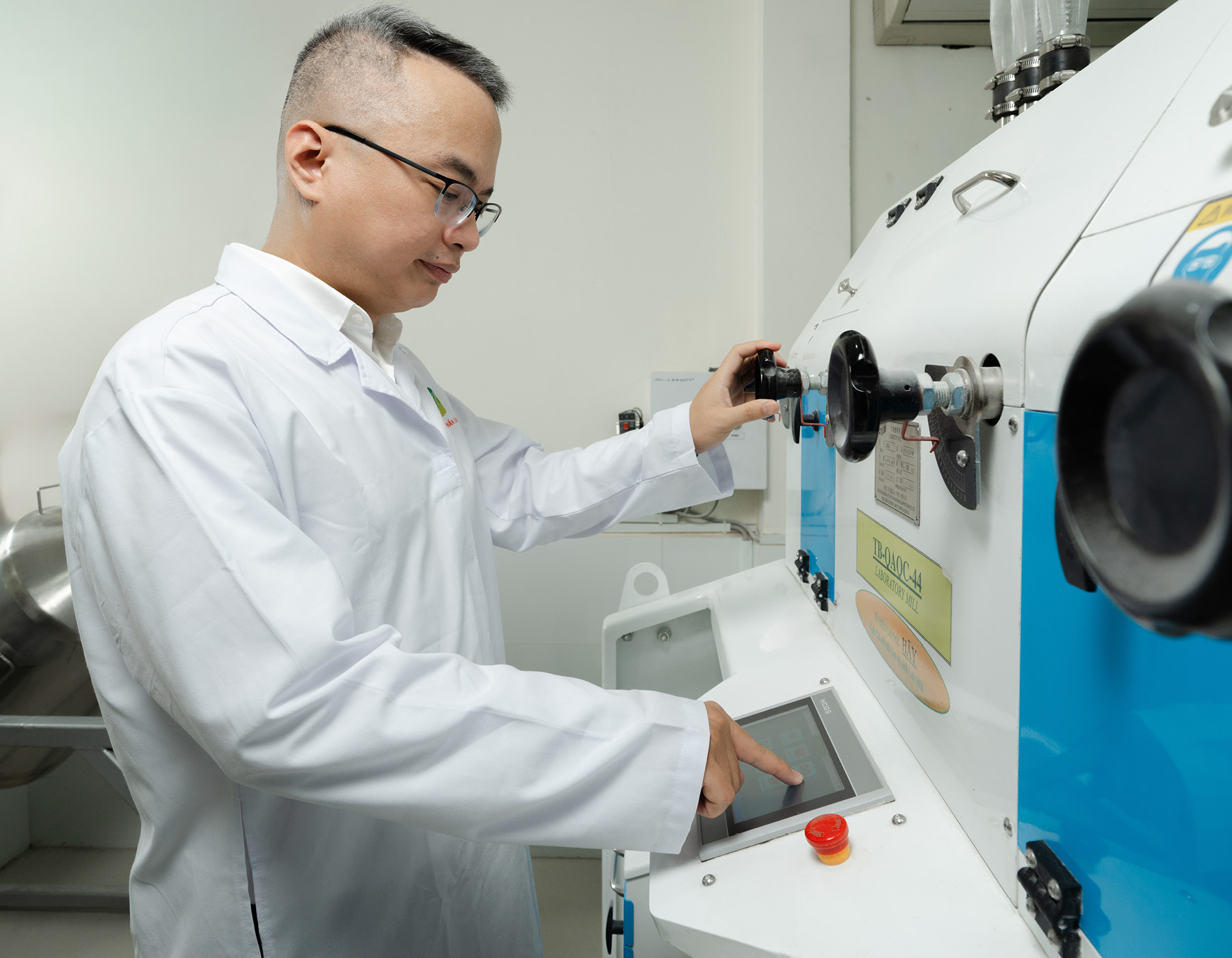
“My philosophy is the same as our company slogan: ‘bringing you the golden values’.”
To counteract the overcapacity of the market, the company has begun to explore additional demands from overseas destinations.
“It gives us more opportunities to approach new customers and new markets. That way it should be more sustainable than if we were just focusing on domestic,” Vuong explains.
“The most challenging part now is the utilization of all the flour mills, which are around 60 percent below, if comparing the milling capacity to total demands.
“One of the key weaknesses of a local flour mill is the wheat procurement. Most of our international competitors did not welcome us to combine with their shipments since they can charter the full vessel themselves. So before we were dependent on a lot of shipments in a container, which had disadvantages including inconsistent quality, higher handling costs and unpredictable arrival times.”
As a result, commodity trading was a necessary strategic expansion for a local mill to compete on procurement, allowing Golden Wheat to overcome the inability to import wheat in bulk on its own by combining milling and trading demands to charter entire vessels. Now, it has been able to buy in bulk to become the leading wheat importer in Vietnam.
“After years of working hard to promote market share in both the flour industry and commodity trading, we have been the leading wheat importer among flour industry in the last two years and we are heading to conquer the one-million-metric-ton-wheat import milestone this year,” he reveals.
“In general we use a lot of the wheat, and we can buy only a few thousand metric tons of each kind of wheat per shipment. The foreign companies do not allow us to combine with their shipments. That’s why commodity trading is helping us to offset the disadvantage, meaning we can combine our milling demands with trading demands and build a vessel ourselves.
“In the long-term we will still focus on the wheat business, but also try to discover opportunities found in other raw material trading.”
When it comes to what sets Golden Wheat apart from its competitors, Vuong believes that ultimately it’s about the hard work and determination that the entire team puts in every day.
“Our competitors are mostly international players, very experienced, with more than 50 years in the industry,” Vuong points out. “They are very well-invested and have started their businesses many years before us.
“I always tell my team that we don’t have the same good foundation or rich experience like our competitors. So if we want to compete with them, we need to work harder than them.”
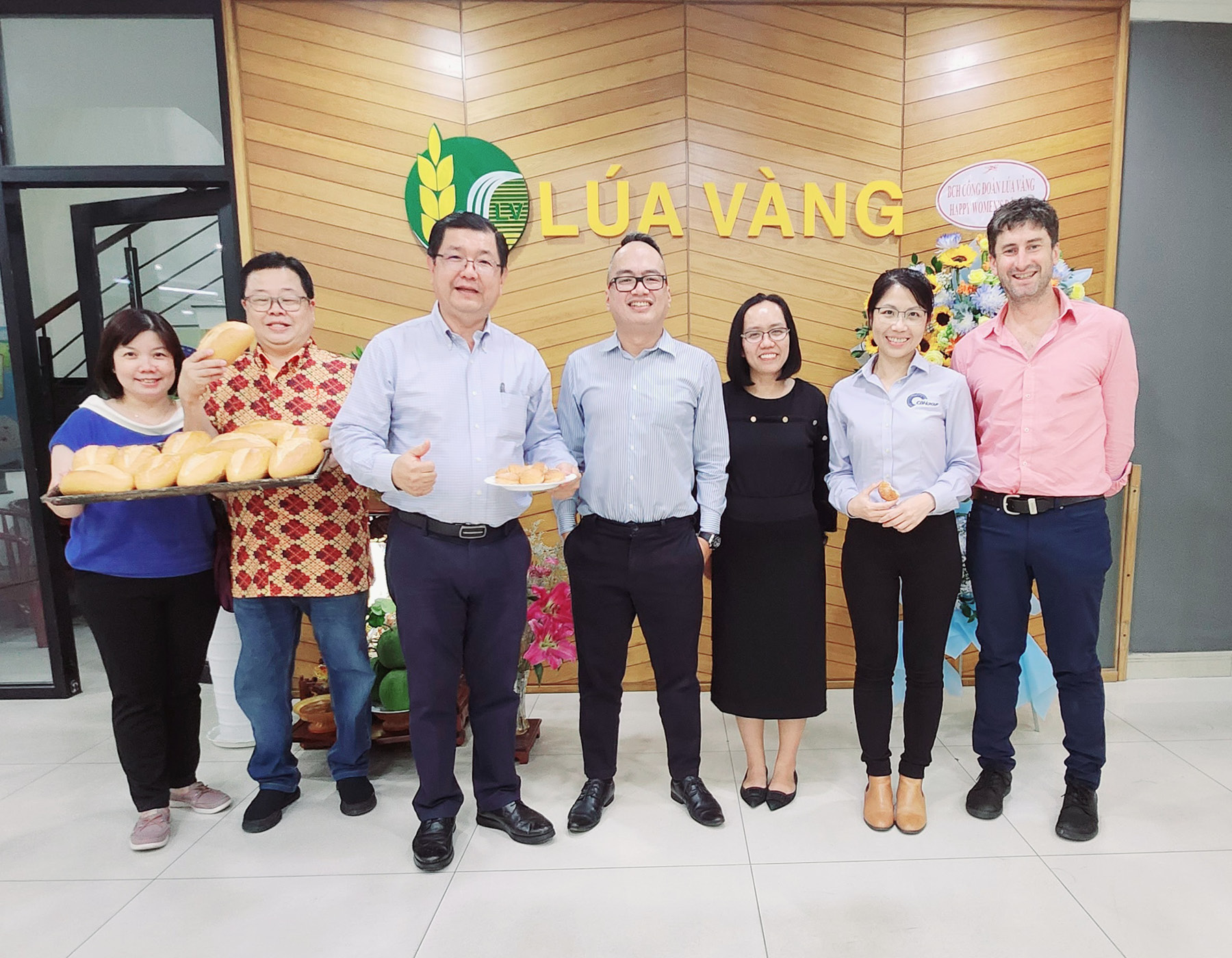
“There are no other flour mills that have achieved this type of growth.”
And that’s precisely what Golden Wheat has done. With significant growth over the past decade, increasing revenue from around US$20 million to a projected US$450 million, it’s clear the strategy is working.
“In the past few years we have grown very, very fast compared to our competitors,” Vuong confirms. “We have more than 20 times the surge increase in turnover and we have expanded significantly on market share.
“As far as I know there are no other flour mills that have achieved this type of growth. I’m very happy about the achievement and I’m proud that we have a very good team to achieve this reward.”
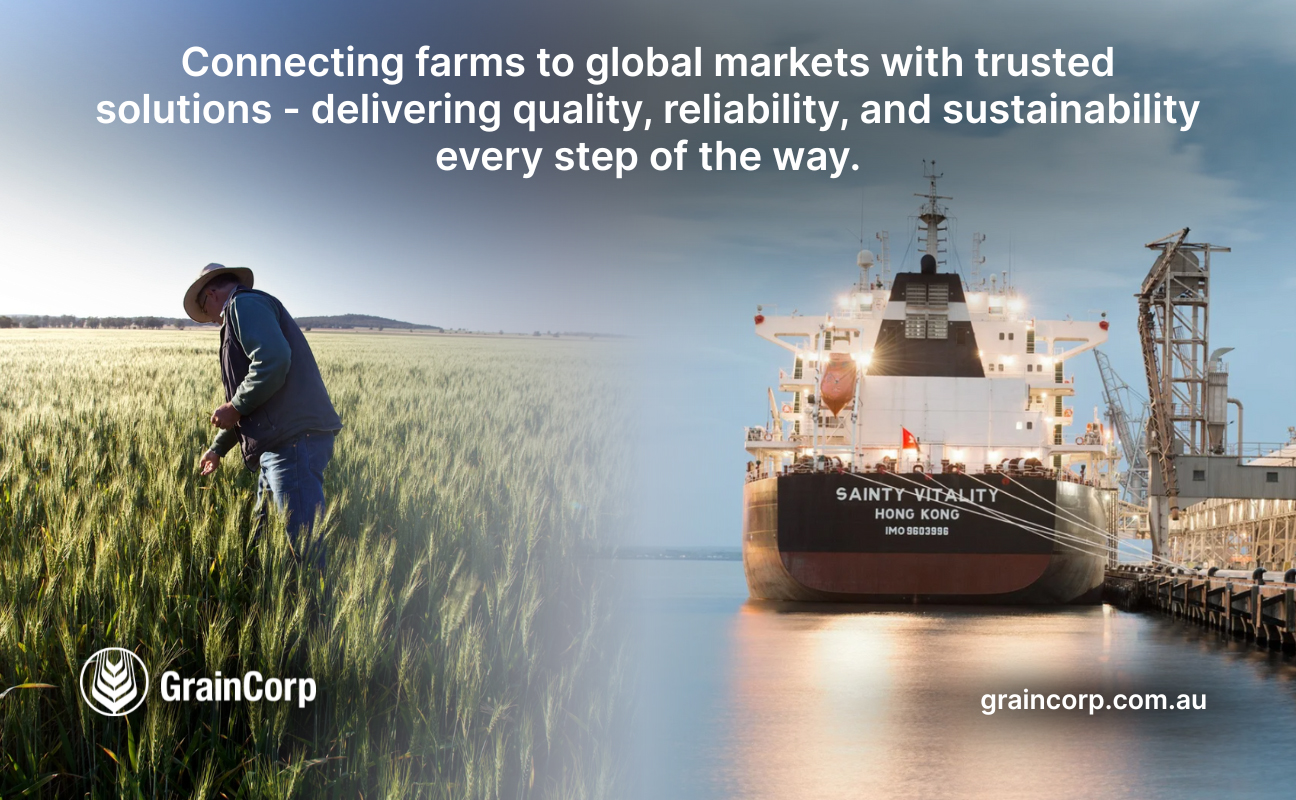
Vital to the company’s ongoing success is a reliance on trusted suppliers, such as GrainCorp Operations Asia, which has offices in Australia, China, India, Singapore, Thailand and Vietnam.
“In the past few years when we experienced dramatic growth in turnover, it meant we also had to look closely at our suppliers,” Vuong says.
“We have been exploring and creating strategic partnerships with various suppliers all over the world. We are delighted to create long-term, win–win and sustainable supply chains from origins to destinations, from growers to traders to end users.”
According to Vuong, sustainability has become a key focus for Golden Wheat as the industry as a whole looks to prioritize greener practices.
“Even our customers are trying to collaborate with us now to create a sustainable supply chain,” he explains. “End users are working with us to ensure that raw materials are not going on the deforestation area.
“We also have a schedule to reduce energy emissions by using more solar energy and replacing gasoline with electricity for our forklifts.”
By gradually shifting to bulk and package-free delivery, Golden Wheat is offering a new, more eco-friendly alternative that ultimately reduces plastic waste and labor costs for customers. Rather than using the traditional 25-kilogram bags, the company is exploring tanker delivery systems that blow flour directly into customer silos.
“We are proud to own the most fully intensive tanker fleet in the flour industry,” Vuong says. “It means we don’t need any plastic packaging in the middle.
“The jumbo bags reduce this kind of plastic consumption as well and, in general, it can help the industry to reduce exposure to plastic material.”
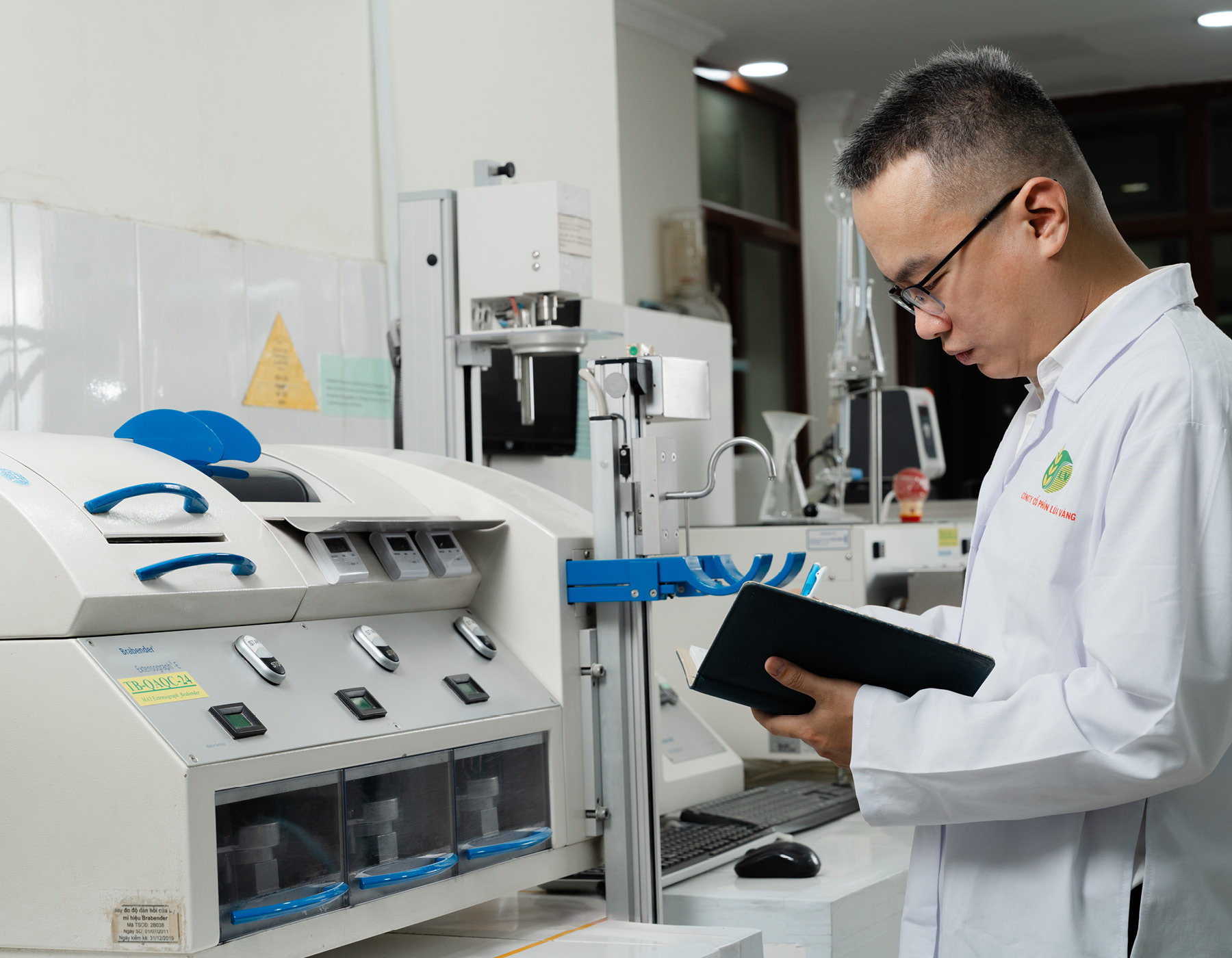
In addition, by investing in technology to aid with robotic packaging and automated quality control, dependence on manual labor has decreased while efficiency has increased.
“At the Swiss Milling School in 2013, I had already seen some mills that were not using millers on-site, they were completely automatic,” Vuong recalls. “In the next 10 years, that kind of mill may still not be available in Vietnam, but sooner or later it’ll be possible.
“Today, milling technology has reached an extraordinary level of sophistication. A modern mill requires no on-site miller – every process is seamlessly controlled via computer and remotely managed through smart devices. A miller even can adjust the roller gap from their own smartphone. Furthermore, integrated online near-infrared systems automatically monitor and ensure the final product’s quality, precisely regulating parameters such as protein, ash and granulation.”
“For the sustainable growth of the flour industry, we need to have some responsibility within society.”
With immense scope to continue expanding, Vuong now has his sights set on the local sector particularly, given the untapped opportunities.
“Consumption of wheat flour compared to rice is much lower (per capita, 14 kilograms versus 90 kilograms annually), so we still have a lot of room to improve,” he says. “For the sustainable growth of the flour industry, we need to have some responsibility within society.
“We need to not only mill and sell the flour as the final products, but to connect and collaborate with baking schools to promote baking products to the end users, as well as with universities by introducing milling technology courses to inspire the next generation of millers.”
 RELATED ARTICLES


 Home
Home
 Podcasts
 Covers
 Be Featured
 Community