Language
You can read the magazine in one of the following languages

6-min read

 Bookmark now

 Copy Link
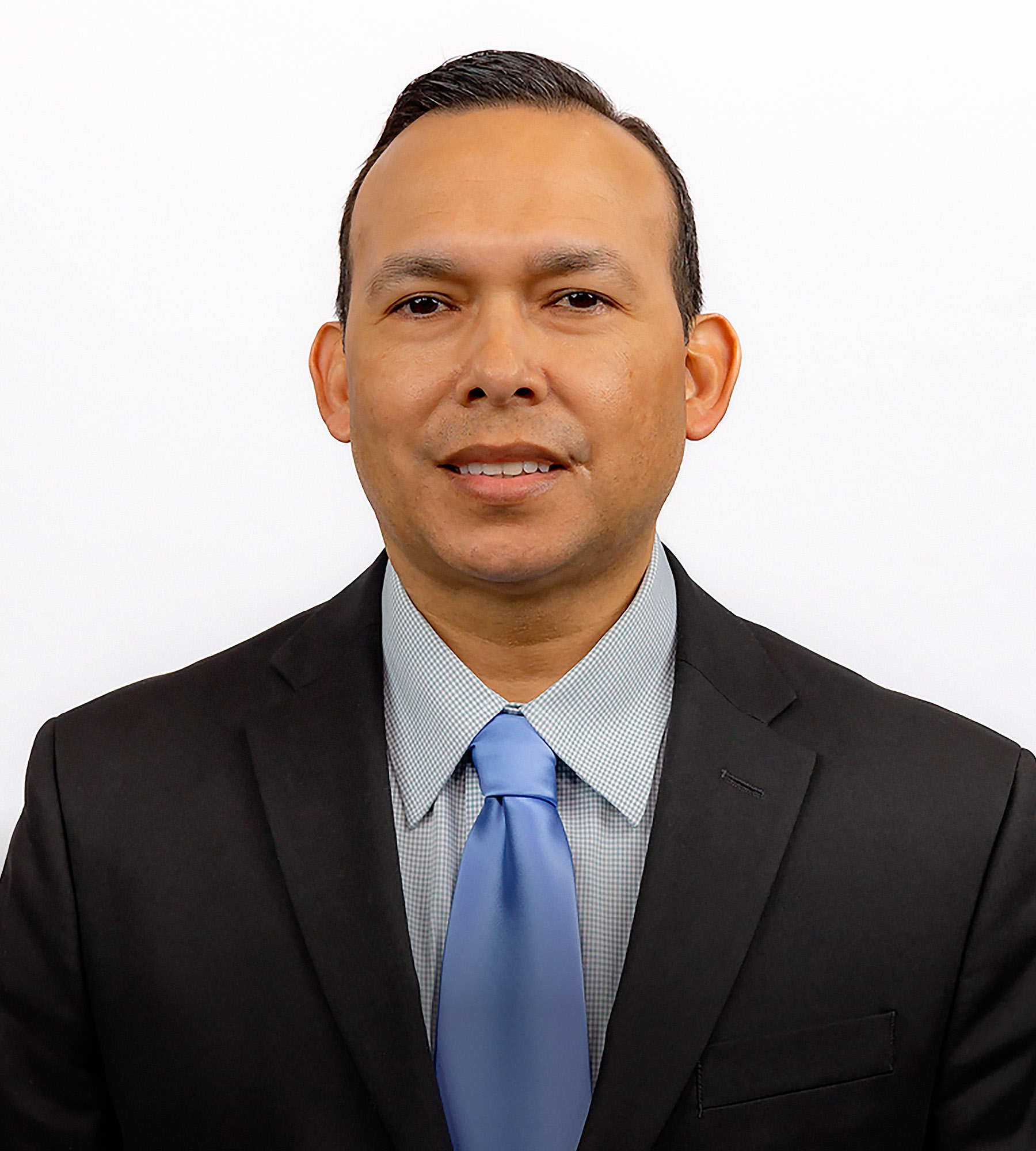
Ernesto De La Garza lives and breathes the Lone Star State. The Director of Public Works for the City of Corpus Christi has called the South Texan coastal city of Corpus Christi home for 27 years, most of which have been defined by a commitment to public service.
“The majority of my career has been spent with the Texas Department of Transportation, where I worked for 19 years,” De La Garza says.
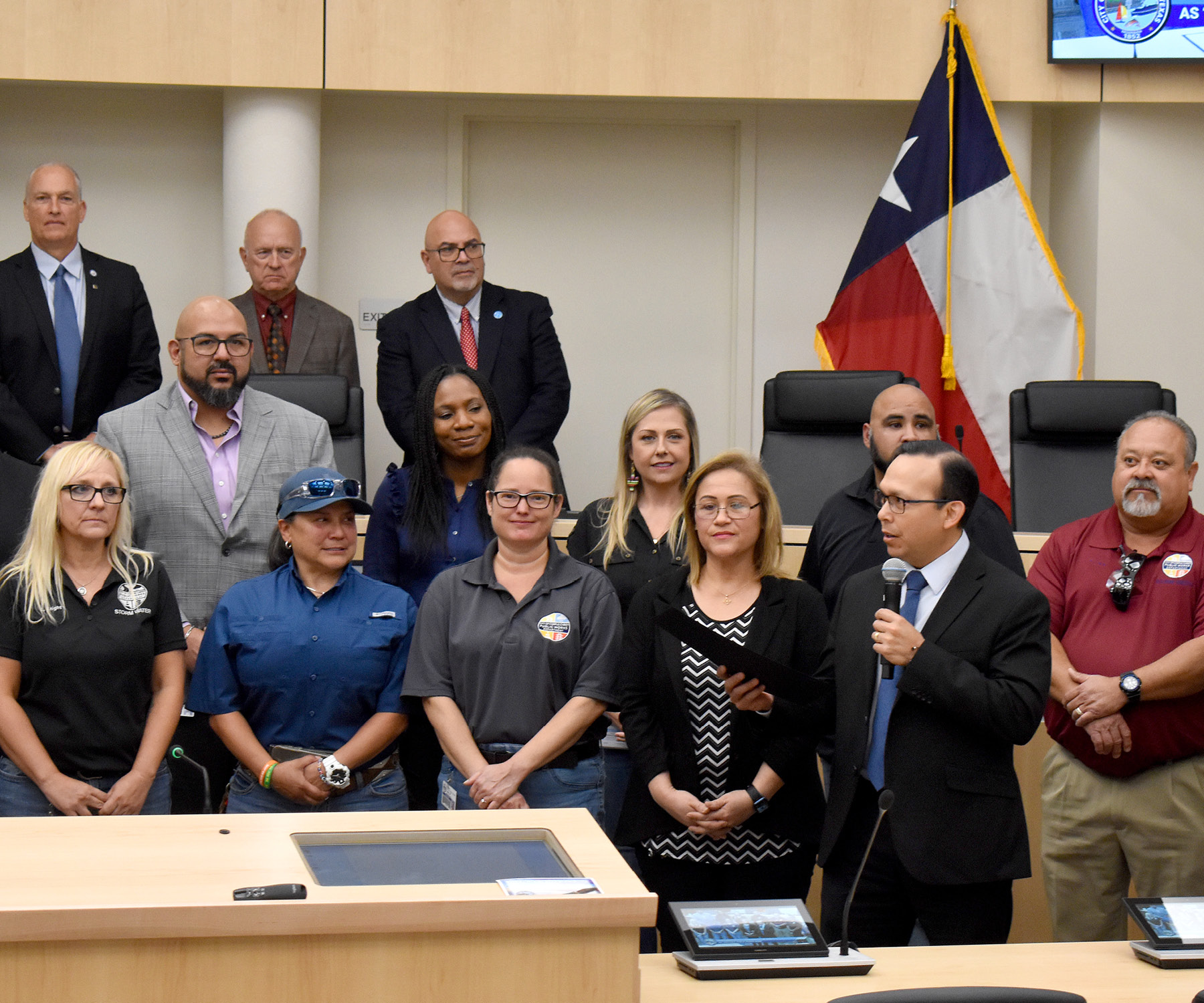
“There’s a lot of that comradery and trust – a trust that we’re all doing what’s best for the city.”
These 19 years were punctuated by a successful foray into the private sector, where he served as a General Manager for the engineering and testing firm Atlas Technical Consultants. But at a moment when service was needed, he decided to return to the public sector.
“During the COVID-19 pandemic, I went back to the Texas Department of Transportation and led the construction claims section for the construction division,” he says. “Then, in November 2022, I became the Director of Public Works for the City of Corpus Christi.”
De La Garza was immediately in at the deep end.
“Things happened pretty fast at the City when I joined. One of the key priorities that I was hired to tackle was the street infrastructure challenges that we’ve had,” he says.
“Living in Corpus Christi for over 20 years, I’ve always seen the infrastructure for what it was. When I came to the City, I was able to come up with solutions for the challenges to the streets of the city.”

When he was initially confronted with the scale of the challenge, and the struggles of previous administrations, he knew lateral thinking would be required.
“We had close to 373 miles [600 kilometers] of roads that were in either failed or very poor condition,” he recalls. “Based on the rate of repair that was happening, it was going to take 62 years to fix. So we had to think outside of the box to find a solution.”
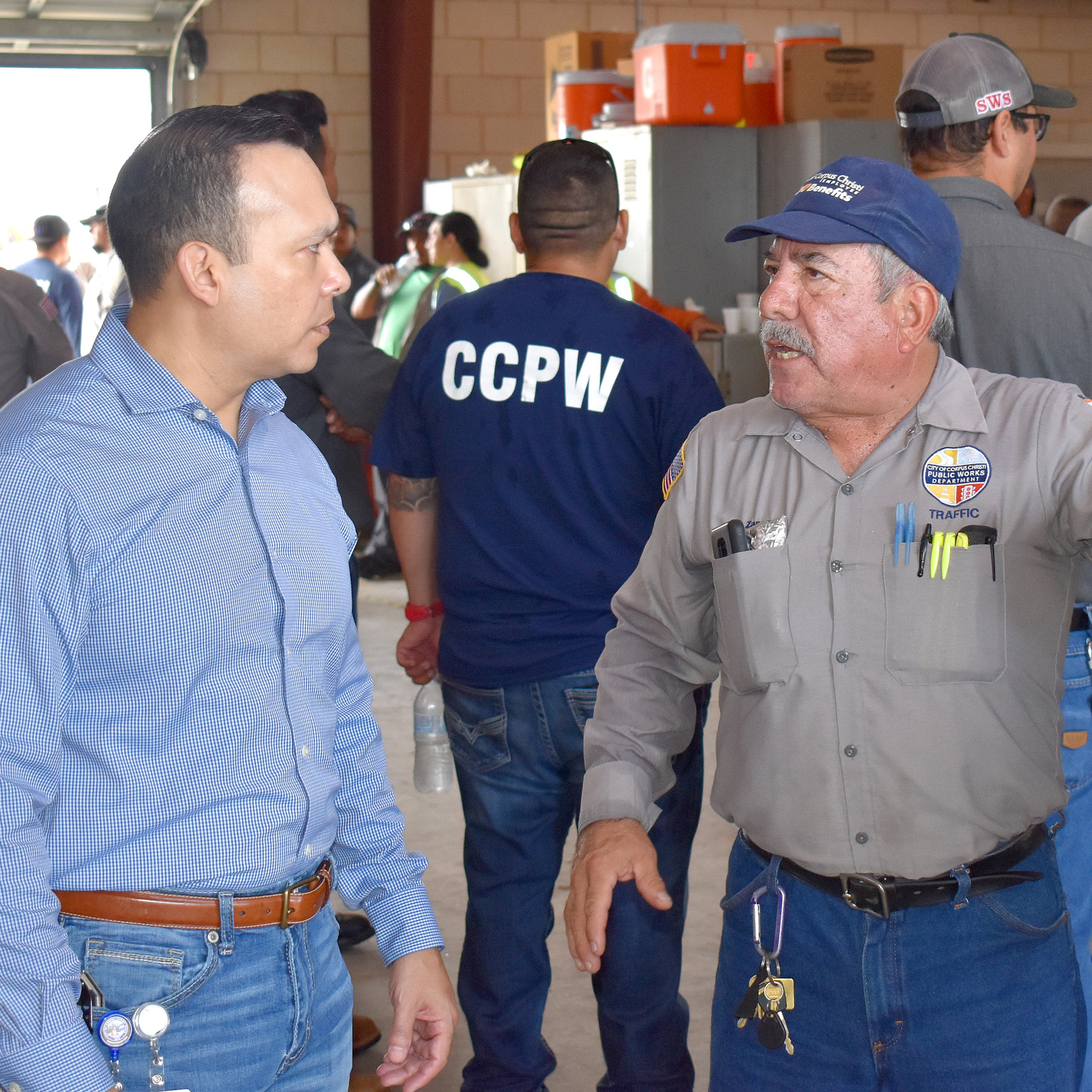
“What used to be a 62-year problem is now a 12-year challenge.”
The solution De La Garza came up with was a ‘pavement only’ approach, which sidelined the renovation of curbs, gutters and sidewalks to focus solely on repairing the road surface.
“With this new approach, we were going in and rebuilding whole neighborhood clusters of pavement networks in a three-week time frame,” he says. “We went from repairing six miles [10 kilometers] of road a year to repairing 37 miles [60 kilometers] in one year.
“Now you can drive into a neighborhood and the street will have brand new pavement everywhere.”
Another key concern De La Garza has overcome is ensuring the Department of Public Works operates with greater efficiency.
“We’re really having to get scientific with everything that we do,” he says. “With any city, we share our space with utilities – really it’s a paved utility corridor more than it is a roadway.”
Because of this multifaceted usage, repairing certain areas of the roadway are more resource intensive than others.

Having an awareness of the level of maintenance needed for each part of the road has helped increase efficiency, and has helped the Department break a perpetual cycle of repair, De La Garza explains.
“We try to figure out in advance which neighborhood streets are going to require full depth repairs, or if they still have some good structural values and we can get away with repairing some but not all of it,” he says.
“What used to be a 62-year problem is now a 12-year challenge. The cost would’ve been US$930 million but is now down to about US$180 million. After that, we can then go and address the curb, gutter and sidewalks, but at least now we’ll have a functional system of roadways that are not pothole ridden.”
An inevitability of achieving rapid results is an expectation of further success. Determined to replicate the impressive outcomes of his initial spell, De La Garza is expanding the Department’s digital transformation.
“My initial focus upon entering the role was on the roadways, because that was the most urgent challenge. Now the next focus is on our stormwater department, and to make it as innovative as our roadways department,” he says.
“The roadways department became innovative by necessity to tackle challenges. We revamped our materials yard with scales and scanners, using software to better track the materials we purchased. We also transferred our antiquated document control onto an innovative digital platform, which gives us real-time reports and allows us to track our spending.”
This enables the Department to be more cognizant of its finances, satisfying the demands of two key stakeholders – the council and the public.
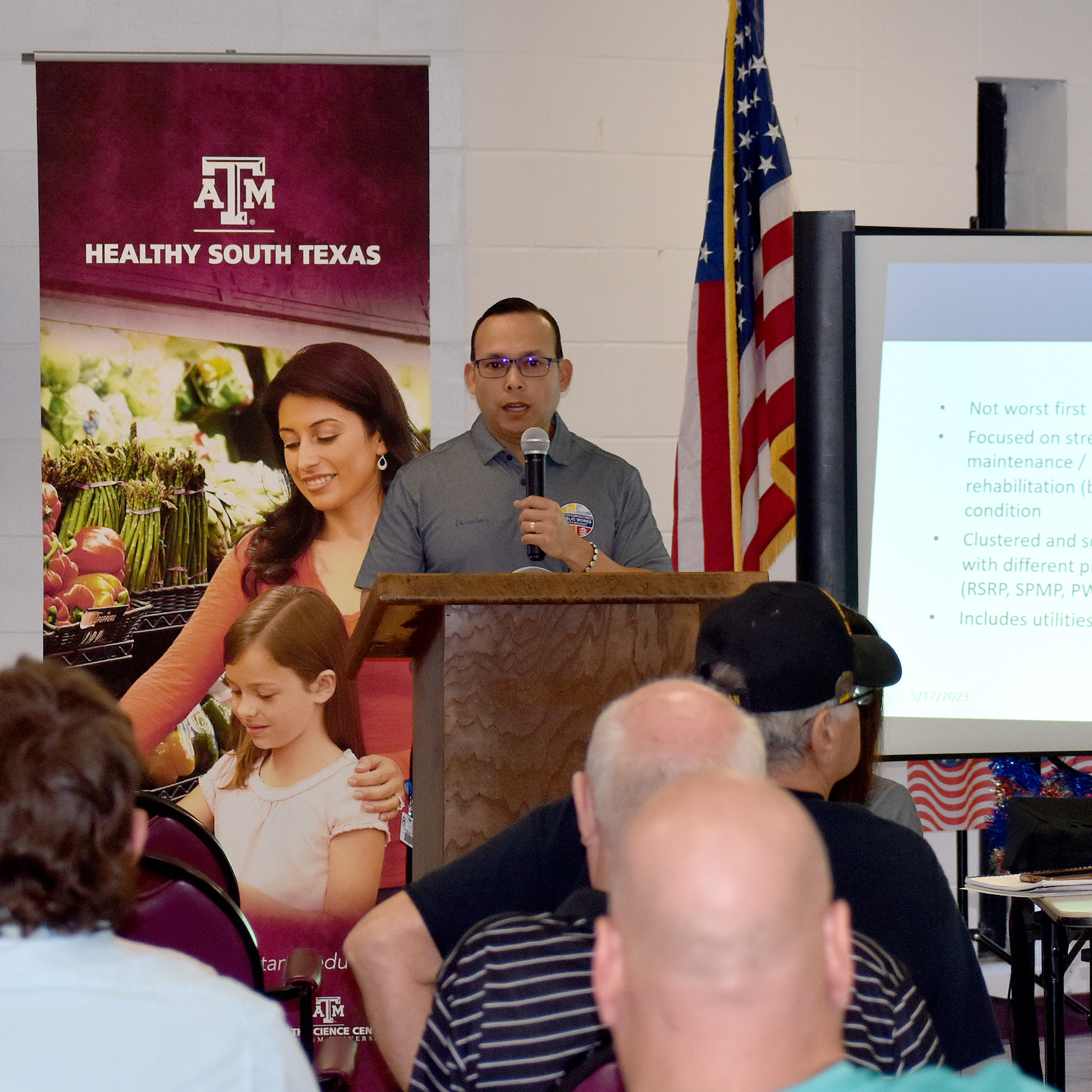
“The city will start to look brand new again. That’s what I want us to achieve.”
“We will be functioning on a good reporting system that isn’t antiquated, and when I go to council and I report findings, I can map them up with every cent accounted for. At a moment’s notice this software will tell me what the bottom line is, and that’s something taxpayers want us to be aware of.
“So what’s next for the stormwater department, and for Public Works as a whole, is that everything is going to be technology-based.”
While these innovations are primarily focused on tackling the most pressing concerns, De La Garza has a more aspirational target for the Department.
“I would like to move out of the triage and more into the ‘nice-to-haves’. Once we have tackled the central infrastructure demands, we can start to focus on beautifying the city, such as repairing the sidewalks, curbs and gutters as well as roads that hold water,” he envisions.
“This will get us to a point where the city will start to look brand new again. That’s what I want us to achieve.”
The task of ensuring that Corpus Christi remains a thriving and functioning city is a collective endeavor, and De La Garza is proud to work alongside dedicated and supportive partners.
“We’ve been fortunate enough to have buy-in from the City Manager and above,” he says. “They provide us with the equipment, materials or budget that’s necessary for us to achieve what we say is possible.”
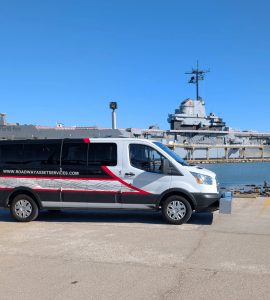
Some of the key supplier partnerships for the Department are with Tex-Mix Paving, Roadway Asset Services and Terracon Consultants.
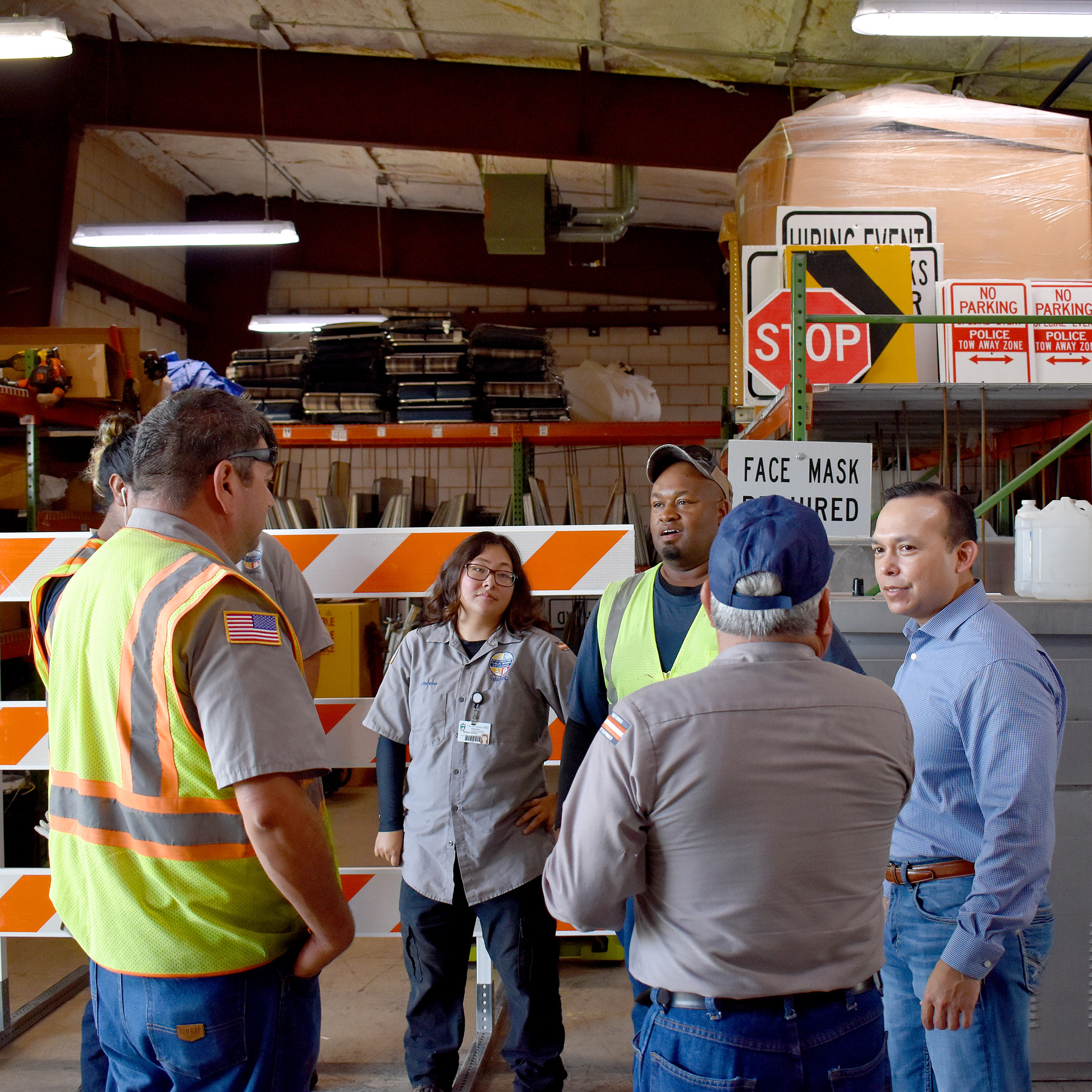
“We’ve all been rowing in the same direction since day one. That’s a huge part of our success.”
De La Garza emphasizes the contribution his team has made in the successes of his tenure.
“I couldn’t have pulled this program off without the team that we put together,” he says.
“I’m very big on collaboration. When we first began to tackle our roadways, I brought everyone together – our senior engineers, young engineers, technicians, street superintendents, lead workers, technical staff and our labor staff – and I asked them, ‘What are the challenges, and what are our strengths?’ In doing so, they all became part of the solution.
“There’s a lot of that comradery and trust – a trust that we’re all doing what’s best for the city. We’ve all been rowing in the same direction since day one. That’s a huge part of our success.”
 RELATED ARTICLES


 Home
Home
 Podcasts
 Covers
 Be Featured
 Community