Language
You can read the magazine in one of the following languages

4-min read

 Bookmark now

 Copy Link
Today, Hollywood runs on technology. Every frame of Avatar, every creature in Jurassic Park and every impossible shot in The Matrix was built with technology that didn’t exist 40 years ago. Now the media and entertainment industry is facing another inflection point with AI and it’s forcing those in the field to ask themselves the same questions the digital revolution raised: What does AI mean for the craft, for jobs and for the stories we tell?
We’re facing a similar paradigm shift with AI, according to Diana Colella, Autodesk’s Executive Vice President, Media and Entertainment. The company’s first ‘AI Jobs Report’ shows a 640 percent increase in demand for AI skills since 2022.
“We should not be in denial about the future of AI,” she says. “Instead, we need to be masters of our own AI destiny. If we aren’t, someone else will drive it for us and we may not like the way they do it.”

Griffin Animation Studios uses MotionMaker to create the 90-second short, Phantom Sky
“AI is just a tool, like the computer, that can be harnessed by creatives to tell better stories.”
Colella and her colleagues are helping better equip artists to face this change by embedding AI capabilities directly into the tools and workflows artists already rely on every day, rather than forcing them to learn entirely new systems. The goal is to remove friction so artists can spend more time creating.
“At Autodesk, we believe AI is just a tool, like the computer, that can be harnessed by creatives to tell better stories, faster and cheaper than before,” she says.
“By integrating new AI capabilities into our existing software – the software that creatives already use, know and trust – we can give them solutions that are a natural extension of their workflow, not a disruption.”
For AI to become a deeper, more integrated part of the creative process, artists have to feel comfortable, and comfort starts with understanding, which is why for Colella, transparency is key.
For every new Al capability Autodesk introduces, Colella explains that the company also publishes Al transparency cards, which provide details on functionality, data sources and the privacy and security safeguards in place for the artificial intelligence features used in its products. These cards give creatives the clarity and confidence they need to embrace Al as a trusted partner in their work.
“AI transparency cards act like nutritional facts on food labels – they help consumers better understand exactly what is inside a product,” she explains.
Colella views AI as a tool to empower rather than replace artists.
“Great storytelling requires human imagination, curiosity and relentless determination to see a vision through,” she explains. “AI can’t replace that. It can only clear the path for it.”
On the other hand, she describes AI as a very powerful tool for generating content in radically new ways.
“In the hands of talented artists, it can unlock the ability to tell better stories faster and at lower cost – thereby enabling more creatives to tell more stories.”
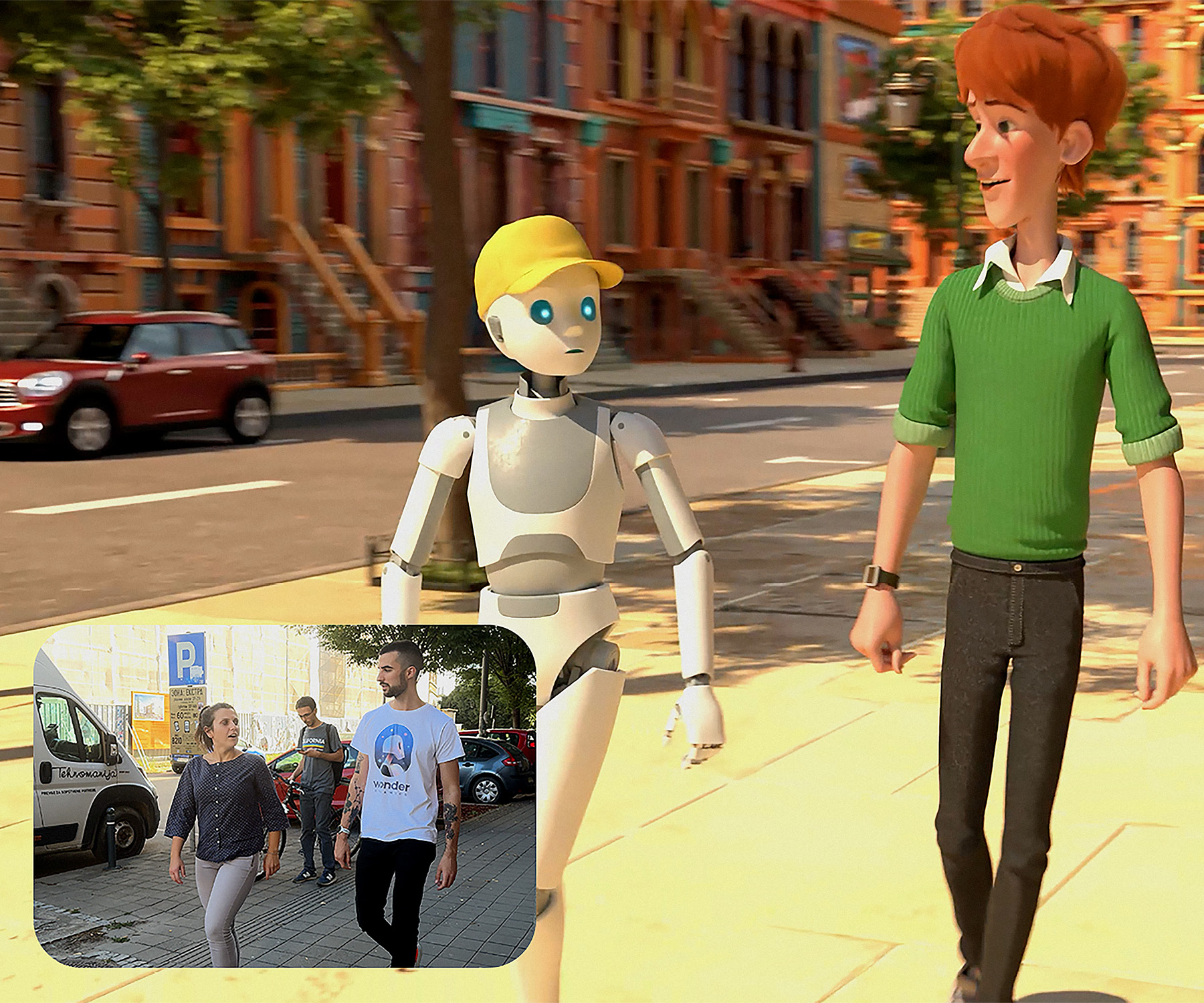
Autodesk Flow Studio: Animation/video to 3D scene technology
“Workflows are constantly evolving and as they evolve, new skills need to be learned.”
Colella understands that anxiety is swirling in Hollywood about AI disrupting traditional workflows.
“It’s normal as AI represents change, and we fear the unknown,” she says.
However, she encourages those in the industry to not lose sight of the fact that Hollywood has had a long history of technological innovation and disruption – and that it would not exist today if it didn’t.
“Given this history, it is hard to say there is such a thing as a traditional workflow,” she points out. “Workflows are constantly evolving and as they evolve, new skills need to be learned – take virtual production as a recent example. That is just the nature of this industry.”
One certainty for those in the industry is that Autodesk is continuing to innovate products to help studios manage the complexity of production today, especially as production budgets tip several hundreds of millions of dollars.
“You only need to watch the end credits of a movie or video game to realize just how massive and complex of a collaboration project these are, and how they span years of data and globally dispersed teams,” Colella says.

“Our goal is to help solve the issue of connecting people, workflows and data across the entire production pipeline with one platform.”
However, teams still operate in silos, using different tools working on different types of data with very little centralization.
“This can lead to communication breakdown, redundancy and waste, and this workflow fragmentation costs time and money,” she adds.
This is why the company is building Autodesk Flow, its industry cloud for media and entertainment, Colella explains.
“Our goal is to help solve the issue of connecting people, workflows and data across the entire production pipeline with one platform – one source of truth,” she says.
“Autodesk Flow will allow teams to work together more efficiently, resulting in less friction, faster decisions and improved collaboration.”
Colella, who has held a range of leadership roles in her more than two decades at Autodesk, finds continued inspiration visiting customers on sets, in edit bays, animation studios and visual effects studios. As she spends time with creators around the world, she sees the challenges they face firsthand.
“There’s this moment when it just clicks, when something that felt impossible to do suddenly works,” she says. “Knowing Autodesk software helped make that possible is incredibly rewarding.”
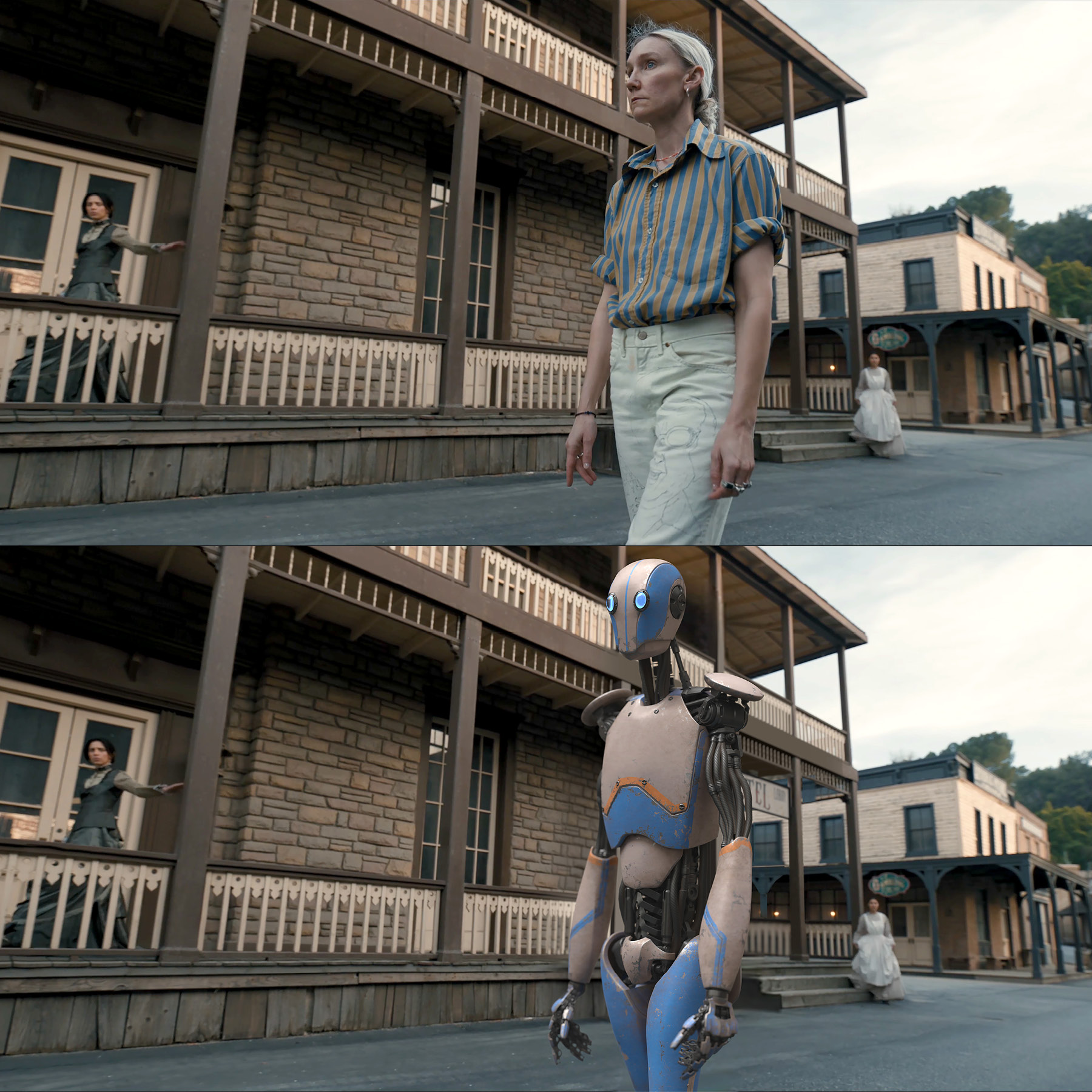
Autodesk Flow Studio empowers creators with intuitive AI tools for visual effects and animation
“If you can embrace AI, learn it and use it to enhance your creativity and improve the outcome, you’ll thrive in this industry.”
And now, as the industry approaches ‘the biggest tech opportunity’ – AI – Colella is excited to continue to play a guiding role.
“If you can embrace AI, learn it and use it to enhance your creativity and improve the outcome, you’ll thrive in this industry,” she says.

 RELATED ARTICLES
 4-min read
6-min read



 Home
Home
 Podcasts
 Covers
 Be Featured
 Community