Language
You can read the magazine in one of the following languages

5-min read

 Bookmark now

 Copy Link
It’s been 11 years since the Securities and Exchange Board of India (SEBI) introduced Infrastructure Investments Trusts (InvITs) in 2014. The purpose was to transform capital-heavy infrastructure projects into income-yielding opportunities and open up traditionally government-owned domains, such as roads, highways, pipelines and power transmission lines, to increased private sector involvement.
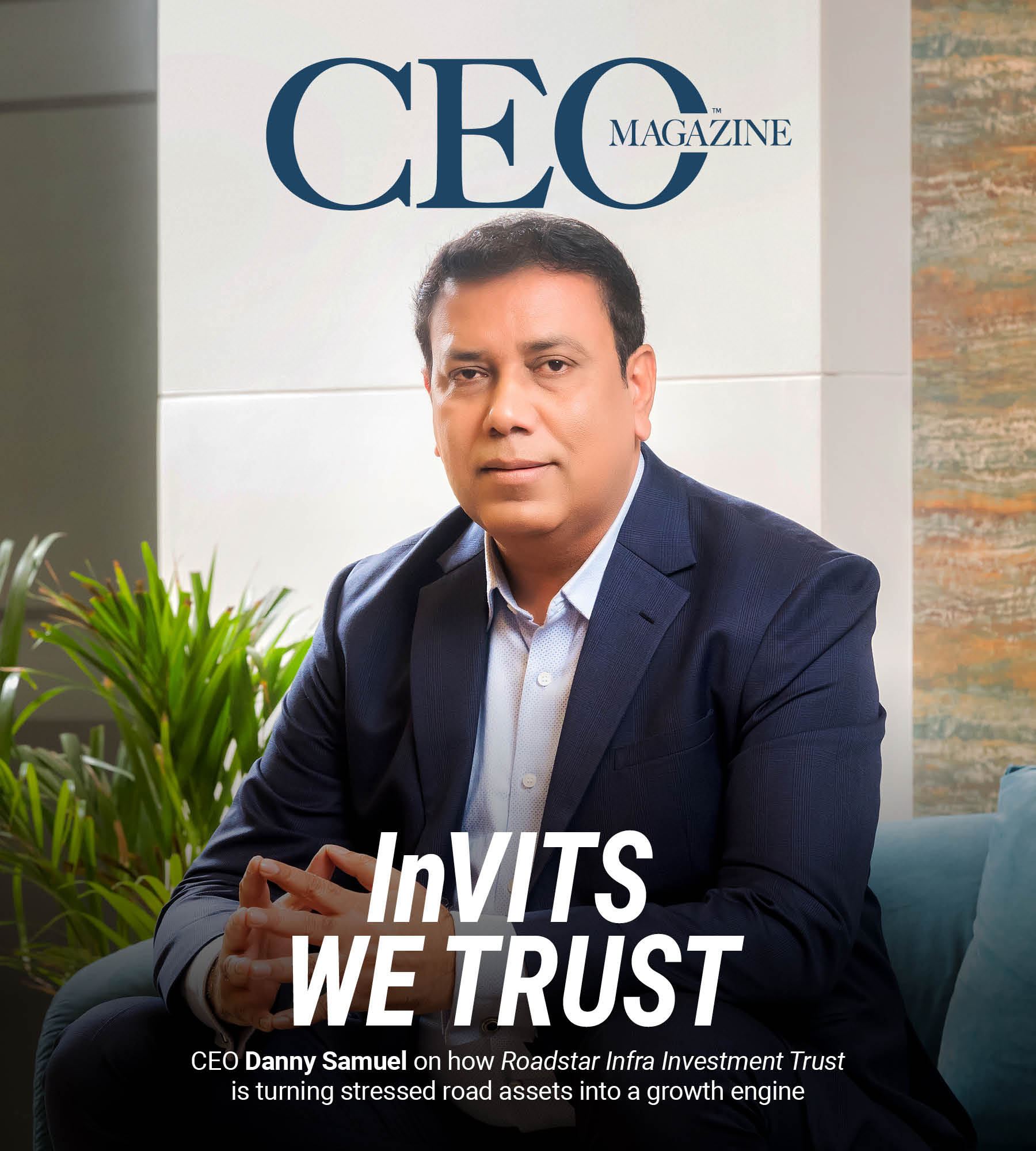
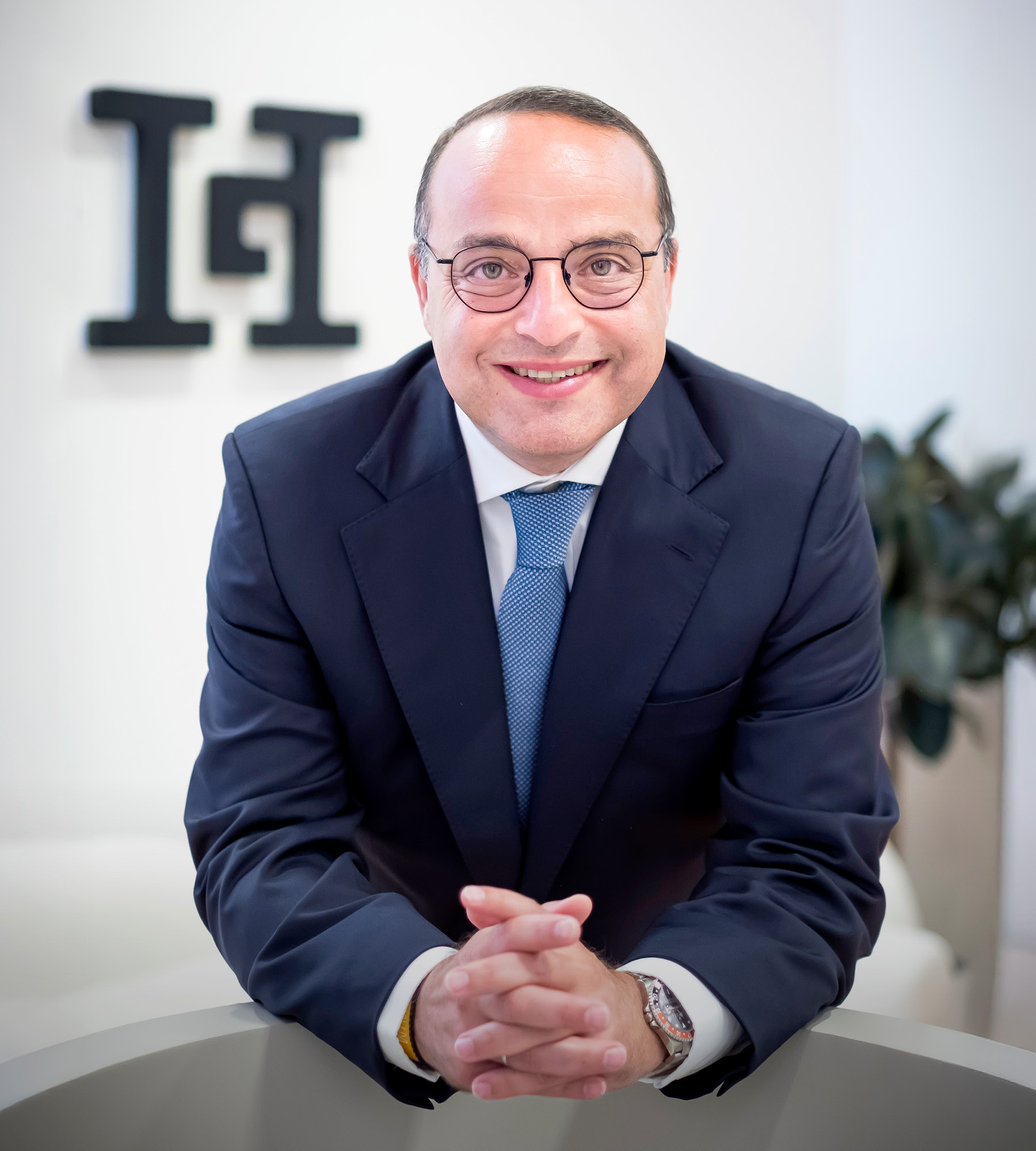
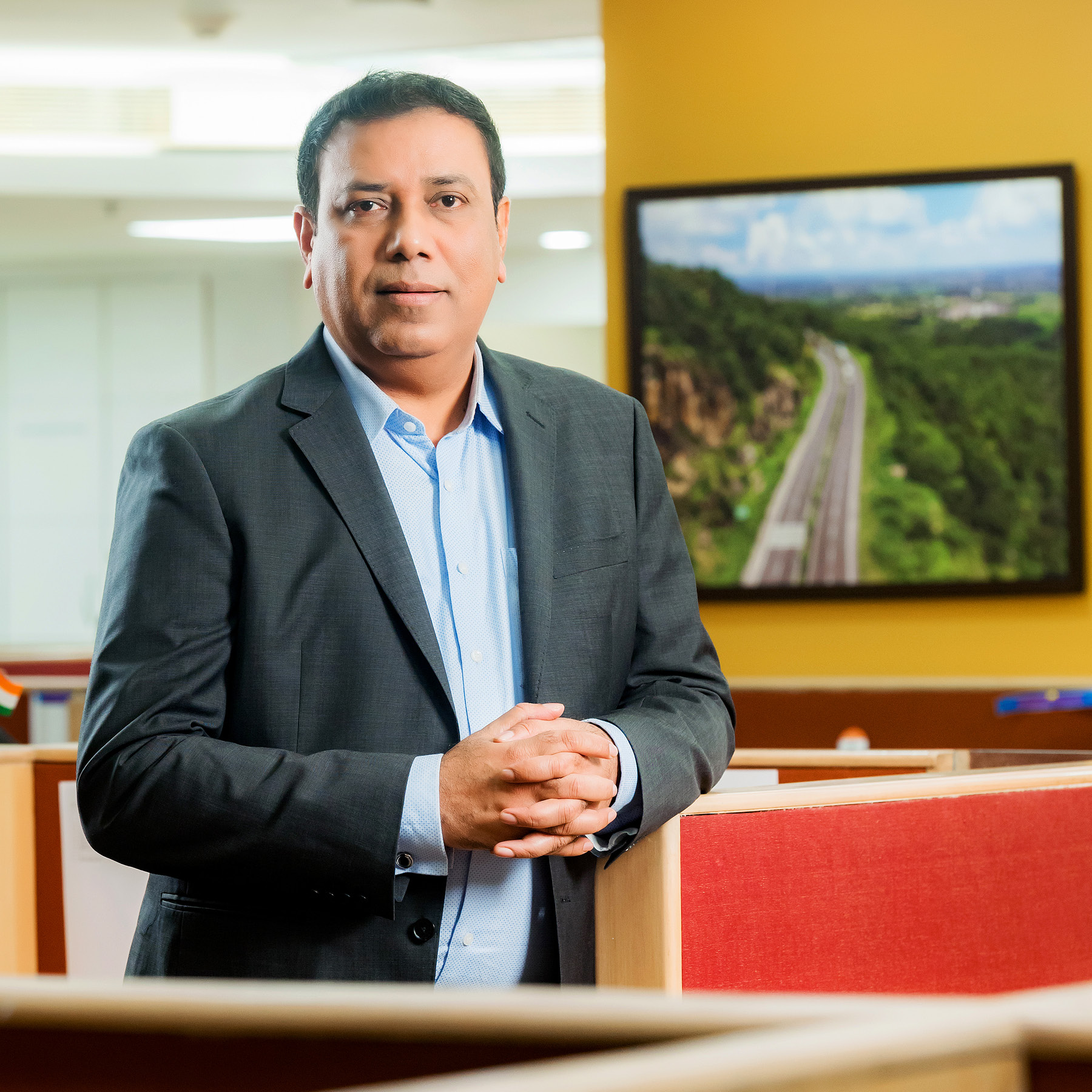
Currently, there are 26 domestic InvITs – and they are only set to grow, predicts CEO of Roadstar Investment Trust, Danny Samuel.
“There’s a huge market for InvITs today in the country,” he tells The CEO Magazine.
In fact, Knight Frank India projects that India’s InvIT market will be valued at US$258 billion by 2030 – over three times its current value. Samuel is charged with steering one of them, the Roadstar Infra Investment Trust (RIIT).


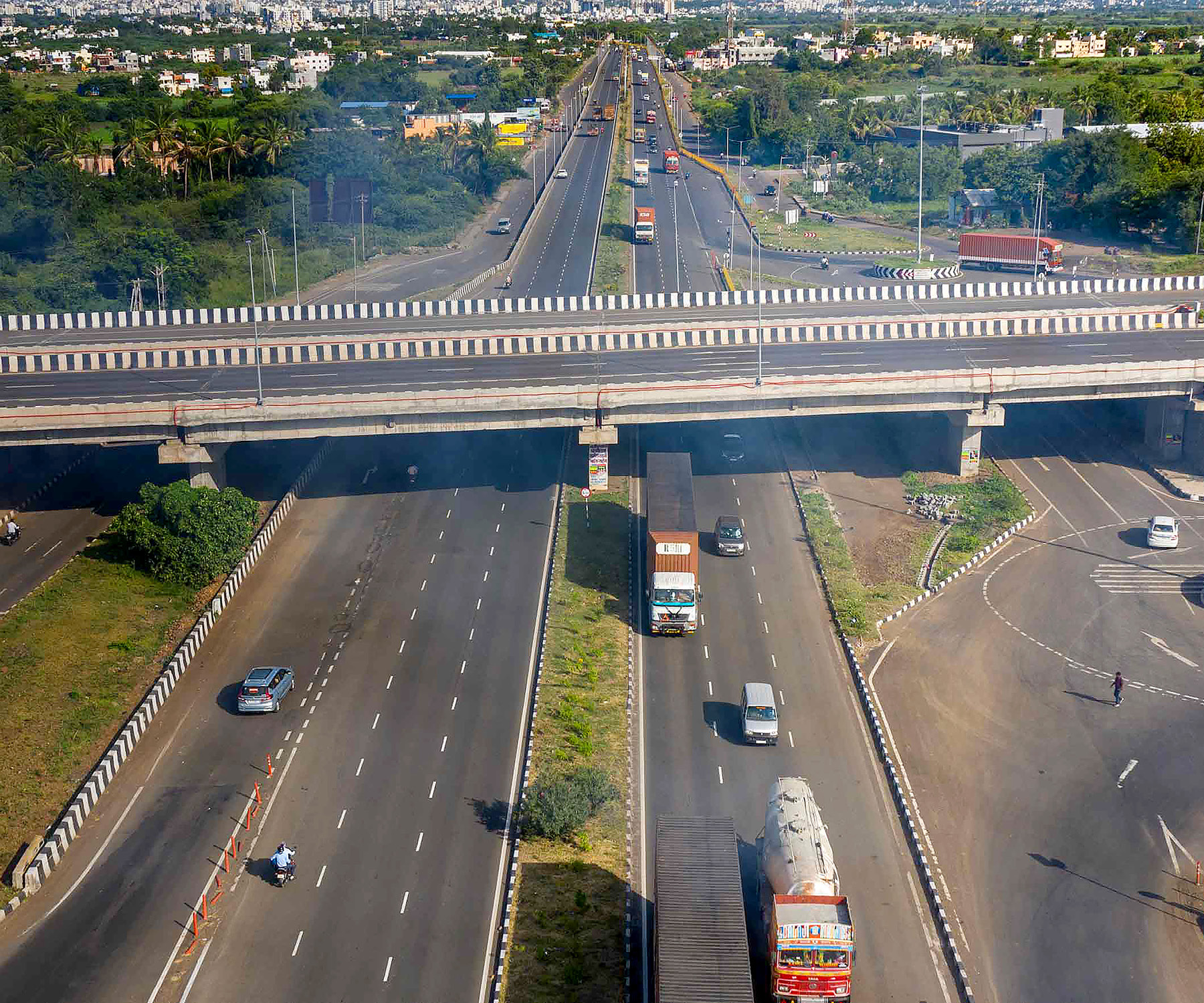
RIIT’s portfolio of assets consists of six operational road assets across six states in India, four of which are toll-based and two of which are annuity-based. In total, the RIIT network extends across approximately 3,146 kilometers of lanes and has total assets under management of about US$920 million. RIIT was listed on the National Stock Exchange of India in March 2025.
The InvIT structure was one of the key ideas that came to mind when the Indian government assumed the management of Infrastructure Leasing & Financial Services Limited (IL&FS), an infrastructure financing company, after it defaulted on debt payments in 2018 and needed to offload its operational road projects quickly to raise cash to pay the company’s debtors.
“We were going to sell the assets, but we realized the sale was perceived as a fire sale and bids were offering sub-optimal values,” Samuel recalls.
Rather than offload the assets below their market value, the decision was made to bundle the assets into an InvIT at a fair value. Instead of cash from a sale, creditors received InvIT units – in other words, a share in the assets – and, along with it, the benefit of any income or increase in value.
The InvIT, Samuel says, has become the successor to IL&FS Transportation Networks Limited (ITNL), the transportation subsidiary of IL&FS, which, while still operational, is in the process of selling all its remaining assets.
With a 22 percent share in RIIT, ITNL is also currently its main sponsor, although, as IL&FS is under financial resolution, it cannot inject new capital, limiting the InvIT’s ability to raise money to acquire more assets.
While debt financing is possible (Samuel explains that RIIT is currently leveraged at 38 percent, while it can borrow up to 49 percent as per regulatory limitations), expansion is, in reality, currently limited to one or two assets at best.

To guarantee growth, Samuel says that the focus is on identifying a new strategic sponsor to replace ITNL and lead the InvIT.
“An advertisement seeking an expression of interest has been published and parties that have shown interest and are found eligible will be invited to bid for the sponsor entity, including the unit holding available with the sponsor,” he explains.
“Once the strategic investor is in place, we will have more leeway to raise unit capital and expand this business, which could continue to grow like the other InvITs.”
Samuel, who has spent the past two decades working for ITNL, including nearly five years based in Singapore as CEO for the Asia–Pacific region, leading up to IL&FS’s 2018 financial crisis, says the next 12–18 months should also see an improvement of the overall portfolio and value of the trust.
“We had legacy debt in all the projects, which were restructured as part of the process. But we are currently working on refinancing those debts and bringing the cost down,” he adds.
One aspect that has never been compromised, despite the challenges of the past few years, is RIIT’s long-term view on assets.
“We don’t believe in spending money on quick fixes but in finding long-term solutions,” Samuel says. “We ensure that the road quality – and the asset quality – is maintained to be the best in the industry, and that the service quality offered to road users is among the best we can offer within the constraints we have.”
The organization has recently rolled out AI-powered cameras across its portfolio that assess the conditions of the road on a quarterly basis and flag the smallest of defects, including cracks.
“It also accounts for all road furniture and other assets on the project road,” he confirms. “If signage is missing, we will get notified of that.”

A list of faults to repair is printed out and given to the RIIT’s routine maintenance contractors.
“This ensures that defects are picked up in a timely manner and are rectified,” Samuel points out.
What’s more, the data these reports generate reveal patterns that pinpoint which sections of the road are under stress, enabling investigation into the root causes of the issues and finding a long-term solution for the same.
“Defects will continue to happen because these are roads where hundreds and thousands of heavy vehicles travel on a daily basis,” he says. “Such technology allows us to undertake preventative, rather than reactive, maintenance.”
Infrastructure in general is on the cusp of a lot of change in India, Samuel reveals, with country-wide traffic pattern changes driven by developments like freight corridors between large metro cities and a large number of new expressways, such as the Mumbai-Delhi Expressway.
“We’re at a stage of growth where we will continue to see changes,” he says.
Agile businesses that are adaptable will be able to survive these changes and make good use of the opportunities that arise on account of it. That’s exactly the sweet spot where Samuel wants to park RIIT.
“We want to position ourselves as agile and adaptable to the changing business scenario so we can capture the opportunities that are thrown up for us,” he concludes.
 RELATED ARTICLES


 Home
Home
 Podcasts
 Covers
 Be Featured
 Community