Language
You can read the magazine in one of the following languages
7-min read

 Bookmark now

 Copy Link
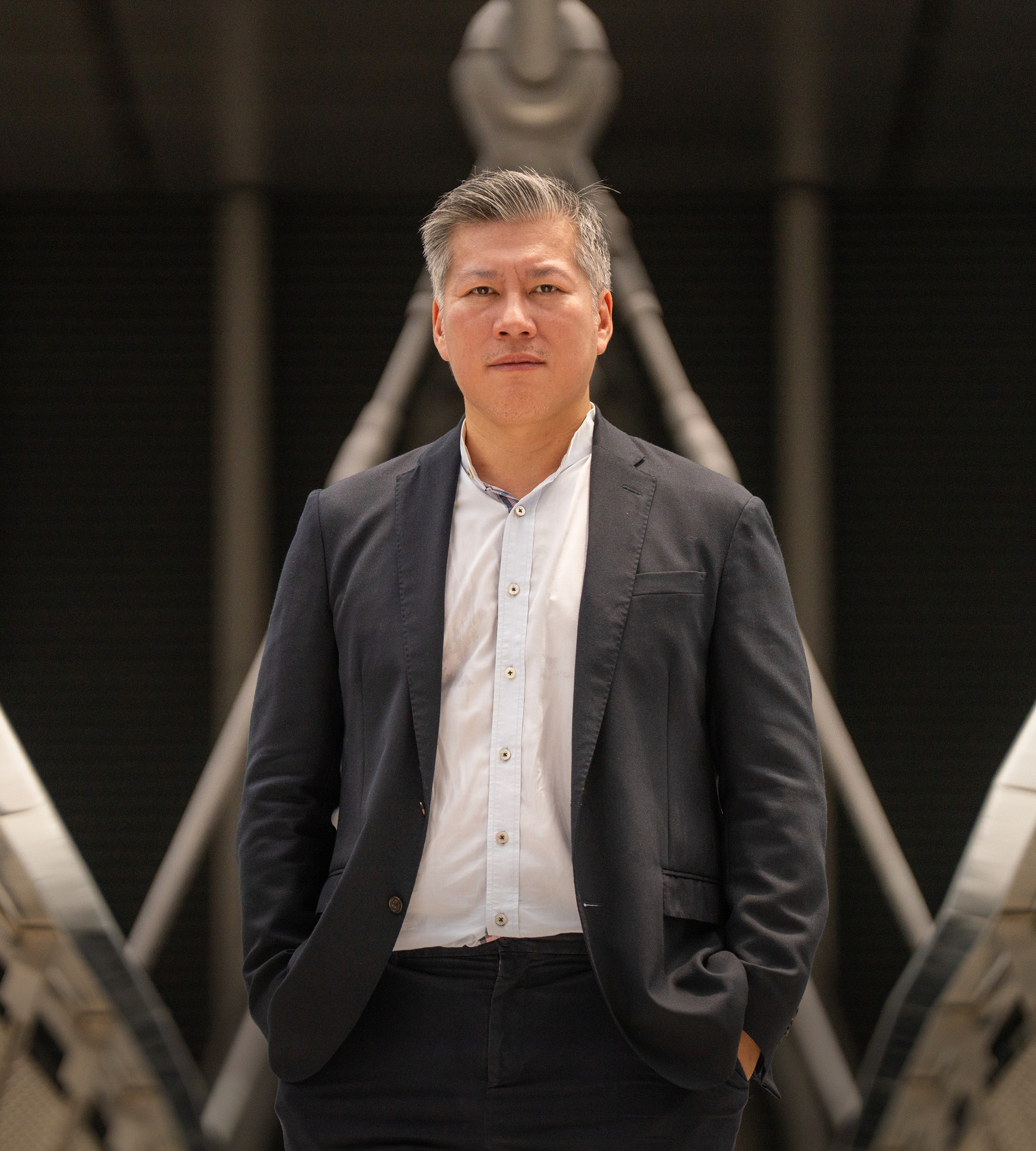
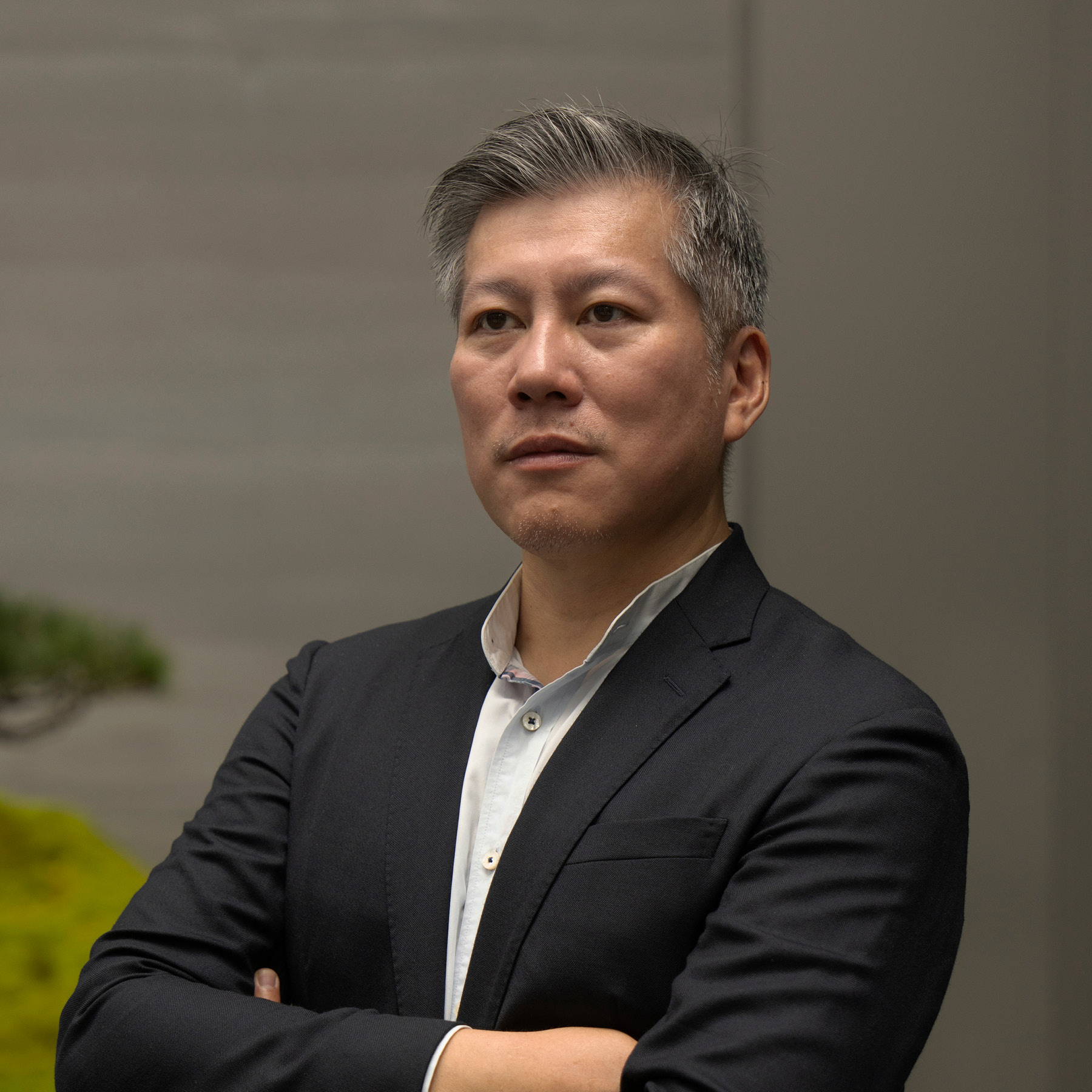
Young Wei-Yang Chiu has spent his life designing landmark buildings around the world, a career that has led him to become CEO of architectural studio Quality Innovation United (QIU), which is dedicated to advancing innovation in architecture.
Having originally gained his architecture degree from Auckland University, followed by a Master’s in Architectural Design at University College London and a short period at Keith Williams Architects, Chiu joined the highly regarded design firm Foster + Partners, where he rose to become a Senior Partner over two decades.
Chiu’s time with Foster + Partners began with work on Beijing Capital International Airport Terminal 3, which, at the time, was the largest building in the world, known for its spacious wave-like roof design combining traditional Chinese values and contemporary architecture.
“The project was completed in three-and-a-half years, which is just mind-boggling. It involved a lot of hard work and many late nights. It was the first time I experienced the incredible speed of development in the region,” Chiu tells The CEO Magazine.
“It was very interesting playing the role of a client, because it meant I was involved from a project’s very initial stage onward and able to make meaningful goals and ambitions early.”
Other notable projects include Principal Tower, a 175-meter-tall, 50-story apartment tower in London, one of the city’s tallest residential buildings; the Index Tower, a 328-meter-tall, 80-story skyscraper in Dubai; and the 400-meter China Merchants Bank HQ tower, the pinnacle of the skyline at the heart of Shenzhen Bay.
As Chiu ascended in seniority, his work took him all over the world, such as for one of his final projects with Foster + Partners, designing the headquarters of drone manufacturer DJI in Shenzhen, a project that required him to spend much of his time on location.
“Working with DJI was very special. They were an extremely young, ambitious unicorn company with a ‘work hard, work smart’ mentality, which suited the way we designed perfectly,” he says.
After almost 20 years with Foster + Partners, it was time for Chiu to look for a new challenge.
“I liked the emphasis on design, excellence, perfection and working with some of the world’s most prestigious organizations,” he says.
“I also realized that I really enjoyed learning from others and made some good friends in the process, which was very rewarding.”
Attracted by the speed and scale of development in Asia, Chiu became Global Chief Design Officer and Senior Vice President for Gemdale Group, a real estate company headquartered in Shenzhen with tens of thousands of employees and operations across hundreds of large and medium-sized cities in China and around the world.
As part of a group that primarily focused on residential projects, Chiu was exposed to China’s highly competitive market, where small innovations in design are replicated on a huge scale and quickly emulated by competitors.
“It was often too late for many key urban sustainable design features to be realized as a lead architect. It was very interesting playing the role of a client, because it meant I was involved from a project’s very initial stage onward and able to make meaningful goals and ambitions early,” he says.
“This meant looking at a much wider range of aspects, such as the budget, investor relations, materials and team management, helping me understand the complete project cycle.”
Eventually, Chiu began thinking about his next move and the opportunity to work with many of the talented people he’d met during his career.
“Over the past few years, I knew a lot of people who left their jobs and returned to their home countries, so we wanted to create something that would allow them to work from anywhere,” he says.
This philosophy led to the creation of Quality Innovation United, which Chiu eventually joined and where he became CEO in 2025.
Located in both Europe and Asia, with teams spanning from London to Taipei and Tokyo; it’s notable that QIU’s Shenzhen office is located in DJI’s headquarters, a building that Chiu worked on himself.
“We have a group of passionate architects and designers; and while we are a young studio, we are already global, with strong roots in Asia and Europe,” he says. “What unites and drives us is the desire to create something innovative.”
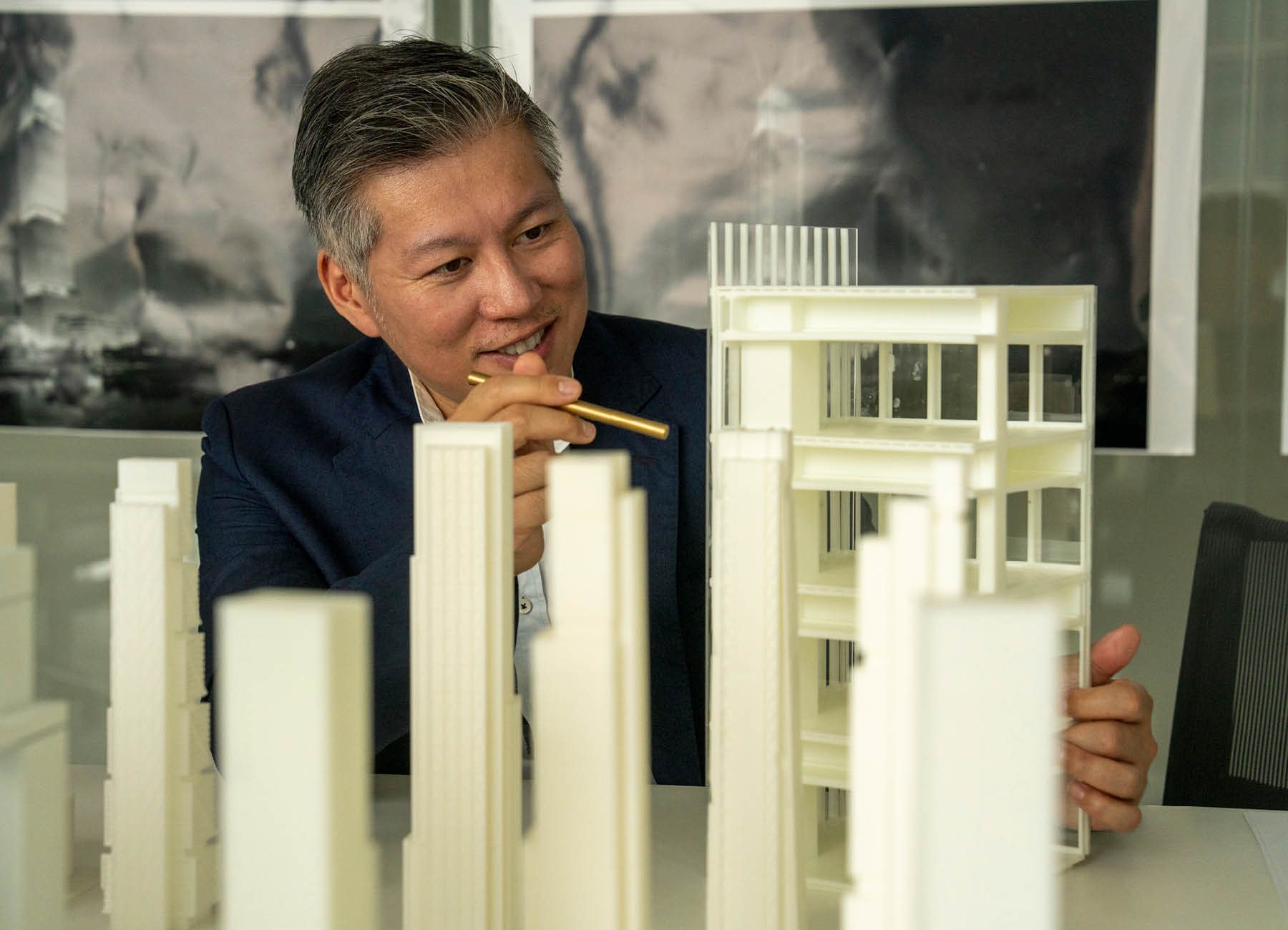
“What unites and drives us is the desire to create something innovative.”
While often reduced to a buzzword, Chiu sees innovation as a flexible, sensitive approach to design and collaboration.
“Today, there are many emerging businesses that don’t find their requirements met by the traditional practices of large service providers,” he says. “Instead, they want a studio that can tailor services to their needs, such as culture, timescale, budget, communication and more.
“I’ve seen a lot of places where they apply similar ideas across different projects. We are here to be more sensitive to our client’s needs and don’t begin with fixed, preconceived ideas. We’re new and we don’t have the burden of a long history, so we’re freer to try things that are different.”
As part of this new studio, Chiu is delighted to be back in a role where he can be hands-on with individual projects and selective about the projects QIU takes on.
“We work with people we know and with projects that fit our agenda. We want to be there, we want to be involved and we want to see the day to day,” he says. “That’s what I want as an architect, and this position allows me to do that.”
Examples of QIU’s projects so far include the Mitsui Link-Lab Shinkiba Masterplan of shared biotech laboratories in Tokyo Bay. Part of a larger regeneration project of the Bay Area, the work transformed the century-old timber yard, incorporating timber features in interior spaces to reflect the history of the site, large windows, long exterior walkways and a spacious, covered plaza, which all contribute to a seamless transition between interior and exterior.
“We were working with very practical clients with a limited budget, but we managed to encourage them to do something that contributed to the improvement of the entire district,” he says.
“While it was a difficult conversation with the client because of the extra cost, they agreed after seeing our designs and realizing its benefits in terms of the increased interaction between nature and the people that use the spaces.
“It was really exciting to create more value for our client and a more attractive place for young, talented people to come and work.”
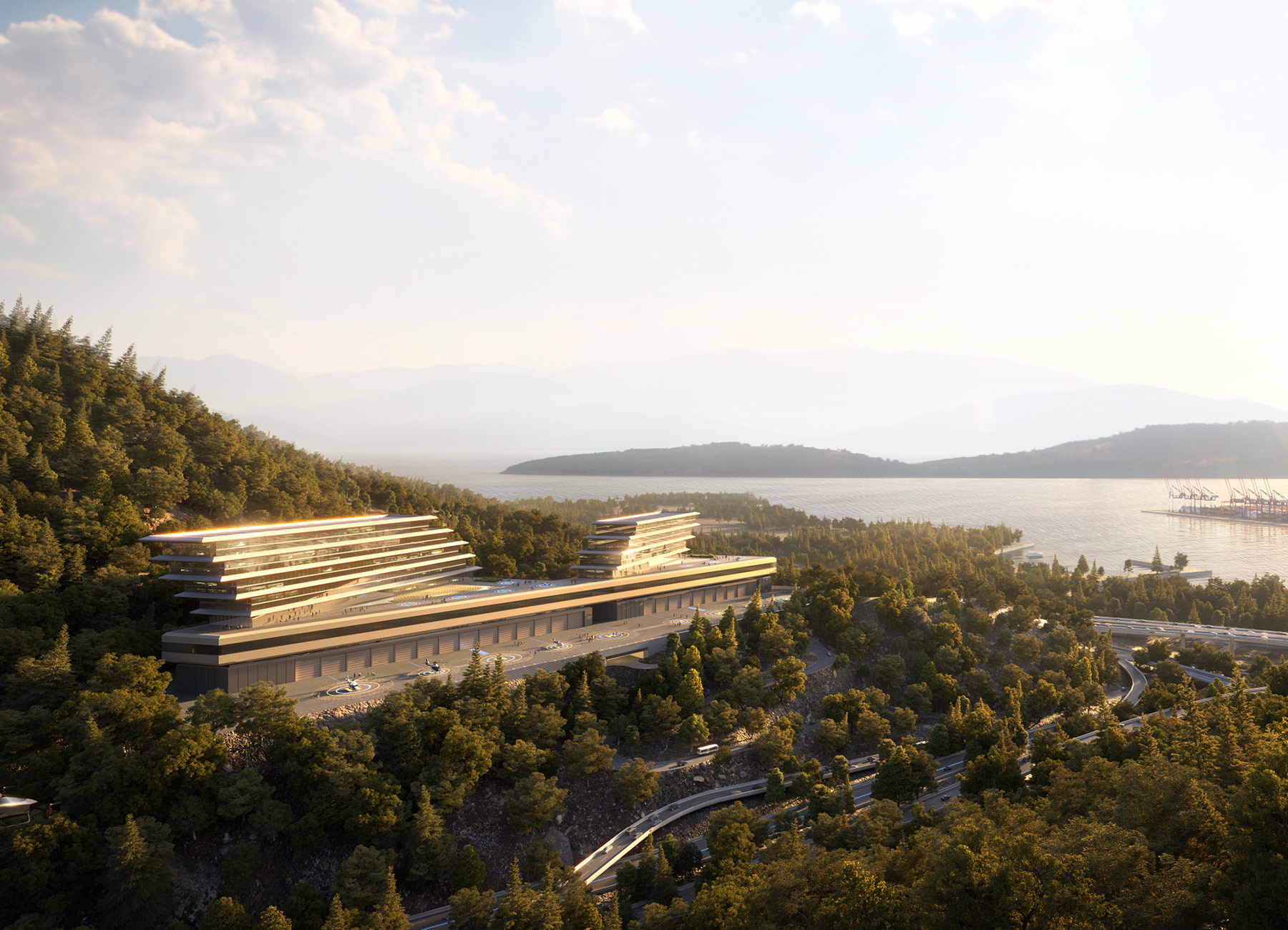
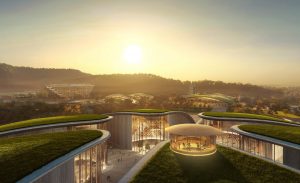
Another notable project, still currently in development, is Yantian Drove Port, the first manned drone port in the Yantian district of Shenzhen. The new facilities combined a new centre of Greater-Bay low altitude business travel as well as rescue and testing of new electric vertical take-off and landing aircrafts (EVTOL).
Situated in the north-western region of Shenzhen, Greater Bay China, the proposed drone port embraces a unique topography atop a steep mountain, providing panoramic views of the ocean and the distinctive Yantian port. It’s set to include generous hangar spaces, an outdoor landing pad and runway, a flight control center, short-stay passenger lounges and accommodation, R&D office spaces, a training center, a drone museum and a VIP marketing suite.
“We designed the building with a stepped massing that allows for roof gardens and photovoltaic power generation. It invites natural light and cross ventilation while offering breathtaking views of the ocean,” he says.
“It never ceases to amaze me how quickly people embrace the advancement of technology here. They have been working closely with industry experts to make the technology safe and available. Hopefully, EVTOL service will soon be a reality for the passengers here.
“I feel very fortunate to have designed buildings to accommodate these groundbreaking machines.”
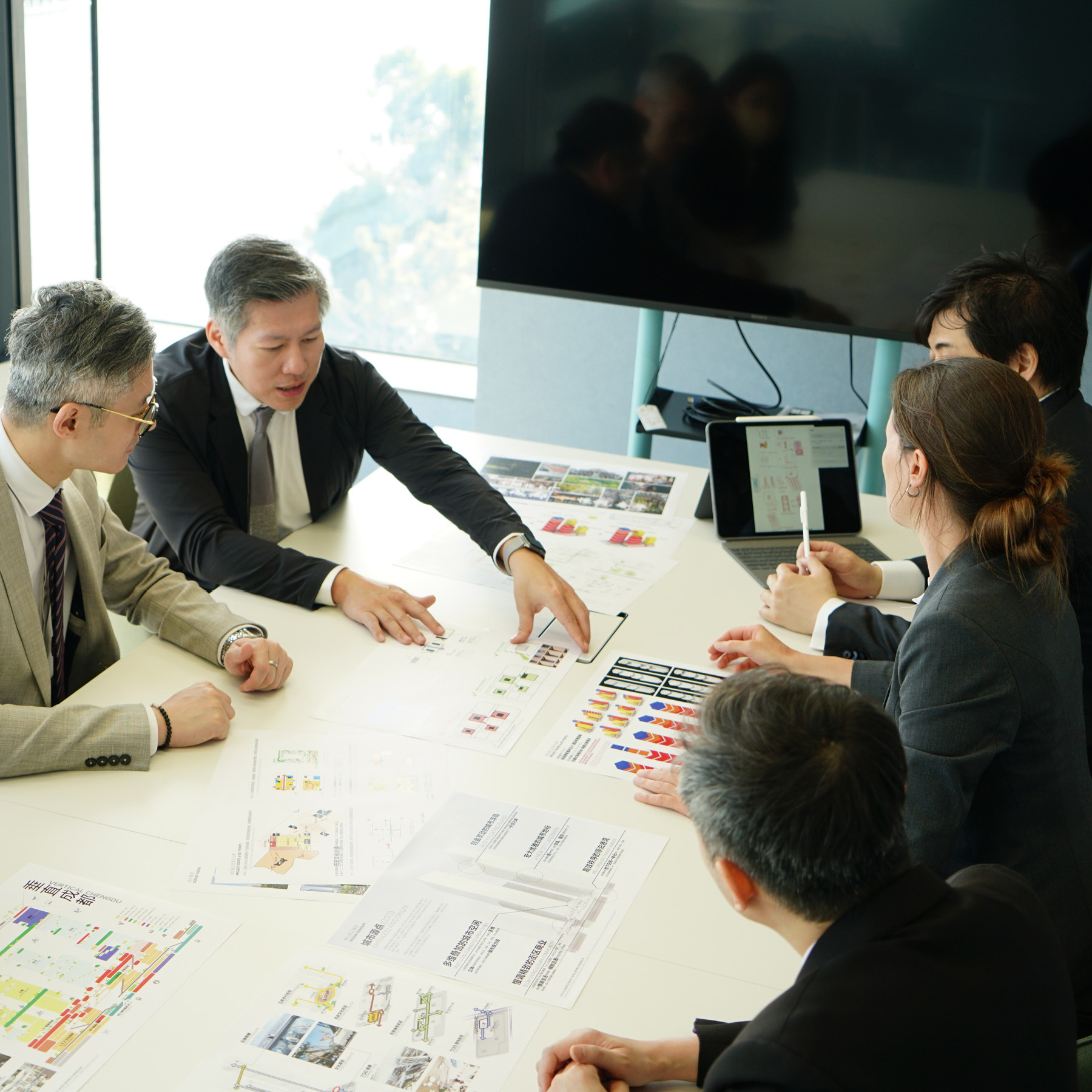
“The one thing I always challenge my team is whether we are doing something special, something nobody has done before and not just for the sake of it but to make the design better.”
While it’s still early days for QIU, the studio has many projects in the works that have yet to be publicly announced. Thanks to its talented team, Chiu’s extensive experience and network, the company is well-positioned to become a force for change in the industry.
“The one thing I always challenge my team is whether we are doing something special, something nobody has done before and not just for the sake of it but to make the design better,” he says.
“While we are a young studio, we are still able to make things special in our own way. And over time, I hope our work will be a positive influence in the industry.”
 RELATED ARTICLES


 Home
Home
 Podcasts
 Covers
 Be Featured
 Community