Language
You can read the magazine in one of the following languages
5-min read

 Bookmark now

 Copy Link
When you have the opportunity to make a positive impact on the world, you’re obliged to use it. Originally established as a civil engineering firm in 2005, Citaglobal has made its mark in Malaysia in various ways, including property development, manufacturing, telecommunications and personal finance.
But perhaps the most dynamic arm of the business is its Environment Division. Here, the team has worked to enhance local communities through renewable energy solutions and other eco-friendly innovations. One of the most remarkable of these is its cutting-edge waste-to-energy (WTE) technology, which converts waste and biomass into clean energy.
It is Citaglobal’s way of working toward carbon-neutral goals, but the Division’s CEO, Thye Chee How, says he wants its solutions to go wide.
“We hope there are companies in the market wanting to develop or venture into WTE that will license our technology. We’re more than happy to share,” he tells The CEO Magazine.
“Citaglobal Environment is embarking on a Leading Entrepreneur Accelerator Platform listing. We have already kicked off the exercise, with Astramina Advisory appointed as the sponsor for the listing.
“This marks an exciting milestone as we move toward becoming a self-sustaining Division operating independently from our parent company, and we are targeting completion around the third quarter of 2026.”
A veteran of Salcon’s renewable energy division and a longtime advocate of WTE initiatives, Thye joined the Citaglobal family in late 2024.
“I actually came from Salcon’s legal department, but I was given the opportunity to lead its first renewable project, which was a heavy rollout of residential solar in the United Kingdom in 2011,” he explains.
“At that time, solar was very new in Malaysia, so the authority, policy and framework weren’t ready. But we completed the project, which is still operating today.”
Thye’s experience as a trailblazer in the renewables sector made it easy for others to follow his lead. Now, as CEO of Citaglobal’s Environment Division, he’s leading the charge once again.
“Before this, I was with Shanghai SUS, one of the largest waste management companies and Citaglobal was our partner at the time,” he recalls. “I met Citaglobal’s Chair, Mohamad Norza Zakaria, and he invited me to set up a division.”

“We hope there are companies in the market wanting to develop or venture into WTE that will license our technology.”
At that time, Citaglobal was shifting away from a legacy business of oil and gas into renewables and sustainability. For Thye, it was the perfect opportunity to build on what had come before and take the company to new places.
“In the first year alone, we managed to acquire a majority stake in LAWI Engineering, a German renewable power plant technology firm,” he says.
“And then recently we signed with Keppel to develop bio-compressed natural gas (CNG) projects. That’s a very exciting project, which will hopefully start construction in 2026.”
Also in the works is Malaysia’s first eco-industrial park, Thye reveals.
“We’d be pioneers in housing multiple forms of waste in one facility and optimizing the energy conversion,” he confirms. “So if you look past year one, there’s plenty of excitement coming in year two.”
Thye believes the secret to Citaglobal’s success so far is its total lack of fear when it comes to doing what has not yet been done, going so far as to invest in companies such as LAWI Engineering.
“Yes, 45 percent of the company is still German-owned, but I think it’s fair to say it’s now a local, Malaysia-based company,” he says.
Citaglobal’s firm belief in LAWI Engineering’s thermal-based WTE technology has created a desire among Thye and his team to share the knowledge.
“We’re actively looking for regional partners to license this technology,” he says. “That way, in the future, all such technology can be made locally and benefit the environment here.”
So far, the company has licensed the technology to Korea and China, which already has a solid foundation in WTE operations.
“I’ll be proud when we’re able to put our technology to work in a country as far along on the WTE journey as China,” he says.
To navigate these high-stakes partnerships, Thye leverages Citaglobal’s agility, remarkable for a company of its age.
“All in all, we’ve been established for 30 years, but we’re still very new in the renewable sector,” he points out.
“We have to rely on our local partners, such as Ace Gases; we have to leverage the technology we have; and of course, work with larger international partners, such as Keppel.”

“We can lead the market and with the partners we have, I’m confident we will deliver these projects as planned.”
Should the strategy deliver the projects in Citaglobal’s pipeline, Thye believes the end result will show the world that Malaysia is at the forefront of bio-CNG and WTE technology.
“We can lead the market and with the partners we have, I’m confident we will deliver these projects as planned,” he says.
Thye admits this will be a challenge, as nobody has ever completed an eco-industrial park at the scale Citaglobal is attempting.
“What that means is if we do it, we’ll be one of the top environmental companies in the country,” he adds.
Lofty aims for such a new division (Citaglobal’s Environment Division was established in 2024), but the muscle of its parent company has given Thye much confidence.
“Its knowledge and local networking have helped us a lot,” he says. “The Chair is a very experienced entrepreneur, who has helped connect us to people in the market, local and international.
“But if we find the right partners, we’ll have the result we want at the end of the day.”
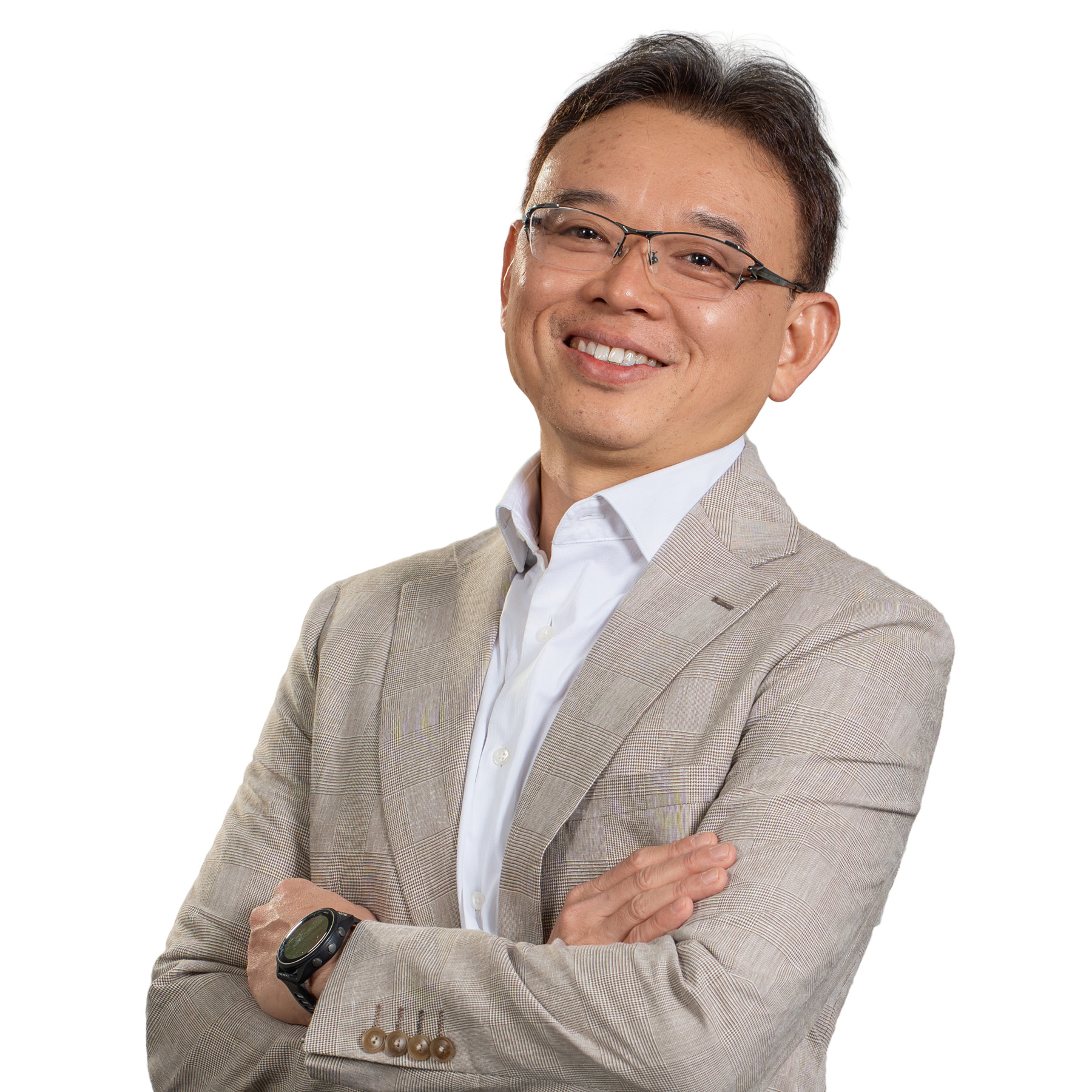
“We have what it takes to reach net zero or even carbon neutrality, and I’m proud to help achieve that.”
LAWI Engineering is the critical player; it has delivered 55 projects in the sector with zero failures, so its acquisition changed everything for Citaglobal Environment.
“They have the right people and the right expertise to make these projects happen,” Thye says. “We know we can’t do this alone and fortunately, our new subsidiary is about the best there is.”
With the blossoming WTE sector as its playground, the company is working to set a strong example in a region rapidly establishing itself as a renewable vanguard. Thye says the demand is there.
“People here and in neighboring Singapore want renewable energy, and I think Malaysia can do more,” he reflects.
“We have what it takes to reach net zero or even carbon neutrality, and I’m proud to help achieve that.”
 RELATED ARTICLES


 Home
Home
 Podcasts
 Covers
 Be Featured
 Community