Language
You can read the magazine in one of the following languages


5-min read

 Bookmark now

 Copy Link
When the National Cancer Centre Singapore (NCCS) opened in May of 2023, its innovative, cutting-edge treatment amenities meant a new chance at life for cancer patients. The ultra-modern 24-story site is five times larger than its predecessor and features a US$100 million proton therapy facility, the latest weapon in the fight against cancer.
The impressive NCCS building wouldn’t have been possible without the work of leading Singapore design firm CIAP Architects. Under its current leadership, CIAP Architects has an extensive portfolio that can be seen all across Singapore.
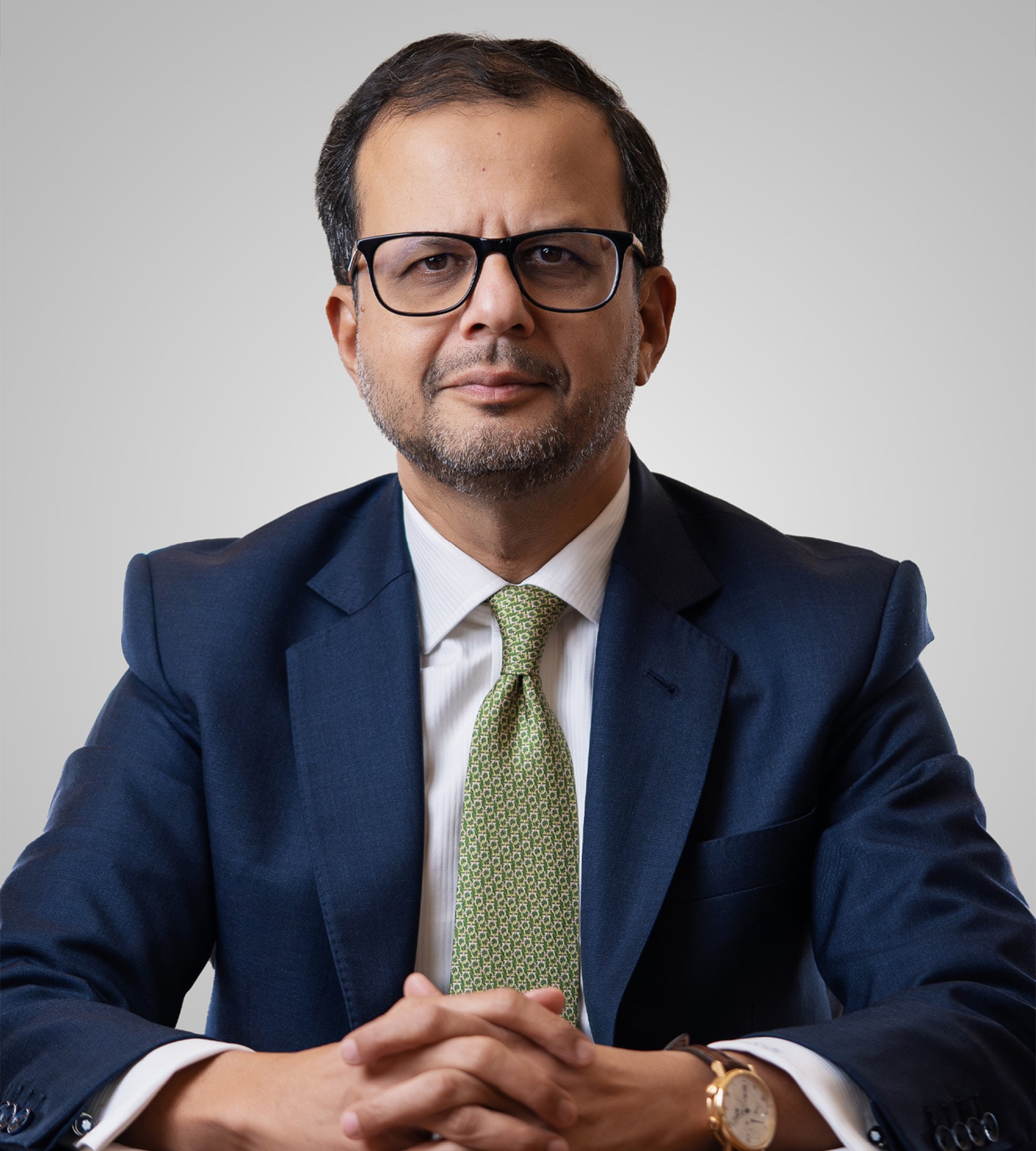
But, as Senior Director Theodore Chan explains, the NCCS is just one of CIAP’s many healthcare projects.
“Another landmark project of ours is the Outram Community Hospital in the Singapore General Hospital campus,” he tells The CEO Magazine.
“I think that’s about 1,000 beds. We also completed a smaller facility, the Mount Alvernia Hospital and the National Skin Centre.”
CIAP’s contributions to healthcare architecture in Singapore doesn’t end there. The firm is hard at work on the Tan Tock Seng Medical Tower within the HealthCity Novena campus.
“That’s really keeping CIAP very busy,” Chan says. “It’s a major project that will improve the healthcare standards of Tan Tock Seng Hospital. We’re also doing a lot of nursing homes to assist the aging population of Singapore, so we work very closely with the Ministry of Health to improve nursing home standards, as each project comes to fruition.”
This busy schedule is a window into the kind of social impact architects can have. The often unsung heroes of the community, architects are responsible for thinking ahead and making sure society has what it needs before the need arises. It’s a duty Chan relishes, particularly when it comes to healthcare.

“Building is serious business.”
“It used to be that the government took care of building hospitals through its public works department,” he says. “In the late 1970s, we completed Mount Elizabeth Hospital, the first privately built hospital in Singapore. Word gets around and soon we became one of the leading private architectural firms doing healthcare projects.”
While CIAP isn’t the only architectural firm with a healthcare focus today, Chan says it’s among the top five that can handle what he calls mega healthcare projects. Being at the forefront means a lot of learning has been done on the job.
“You learn as you go: how to plan a hospital, what to look out for, what not to do,” he says. “They’re enjoyable challenges, but there are other kinds of challenges we face as a firm. The industry is getting more and more complex and it’s hard to attract young talent.”
Many local firms are looking overseas to relieve their need for new staff, he says, and AI is diluting the pool with its apparent ease of use.
“AI can generate very seductive images based on prompts, and it’s quite amazing what it can do, but while it’s a good tool, it can cause young people to overlook the basics. It’s essentially producing a generation of building stylists, not architects. They’re two totally different things.”
Chan believes this fragmentation is a warning to the industry all over the world.

Advertisement
“Think of driverless cars. If there’s an accident, who’s responsible? That question hasn’t been answered; nobody wants to answer it. That’s something we’ll have to grapple with,” he says.
But it’s not all doom and gloom.
“Many building construction authorities are now developing AI that can check whether their plans are within regulations; that, I believe, can’t come soon enough. I think we have the technology, the money and the know-how to be the first country in the world to come up with such software. It will be a game-changer.”
In the meantime, CIAP and its partners, including Penta-Ocean Construction, are forging ahead with nursing homes and public healthcare projects.
“If you asked me to name Singapore’s greatest architectural achievement, it’s Housing & Development Board apartments,” Chan says.
“Nowhere else in the world will you find this level of competent public housing. It’s the result of over 50 years of refinement and as the standards and guidelines continue to develop, they’ll only get better.”
This kind of refinement is the future of the industry as it exists in Singapore, according to Chan.
“The good thing about Singapore is that because we’re a small country, we have a very powerful government. Whatever they say, we have to listen. So for utilitarian buildings like schools, hospitals, nursing homes and political institutions, standardization is a great thing to apply and refine over the years.
“There’s an evolution there, and when it is standardized with everybody on the same page, construction is fast.”
How CIAP can contribute to this situation while remaining dynamic and creative is something future leaders will need to contend with.
“I hope we can be a part of this effort, because we’ve been there for so long. I won’t be around though; I’d say I’m in my last few years of my professional career,” Chan admits.

“Beauty is one thing, but in this industry you need to work fast and smart.”
“I’ve got a whole new leadership team to support me, very talented and dedicated people, and I hope they can carry the banner in the right direction.
“Efficiency is key, because that’s how you turn out the designs and execute the work quickly and productively,” he says.
“At CIAP we have a common mindset that efficiency is the way to go. Designs are beautiful, yes, and beauty is one thing, but in this industry you need to work fast and smart.”
CIAP is different to other firms in that style is no less important than practicality, he adds.
“I’d say we’re a hard-nosed architectural firm. After all, buildings are serious business. You’re not just creating a building, you’re contributing to the whole surrounding environment.”
 RELATED ARTICLES



 Home
Home
 Podcasts
 Covers
 Be Featured
 Community