Language
You can read the magazine in one of the following languages
3-min read

 Bookmark now

 Copy Link
In a world of constant disruption, transformation has become a leadership imperative. But too often, great strategies still fail to land. According to Prosci CEO Scott McAllister, it’s not because the plans are flawed – it’s because leaders underestimate the human side of change.
“It comes back to the fact that leaders are the X factor that makes change stick – or sometimes the barrier to why change doesn’t stick,” McAllister explains.
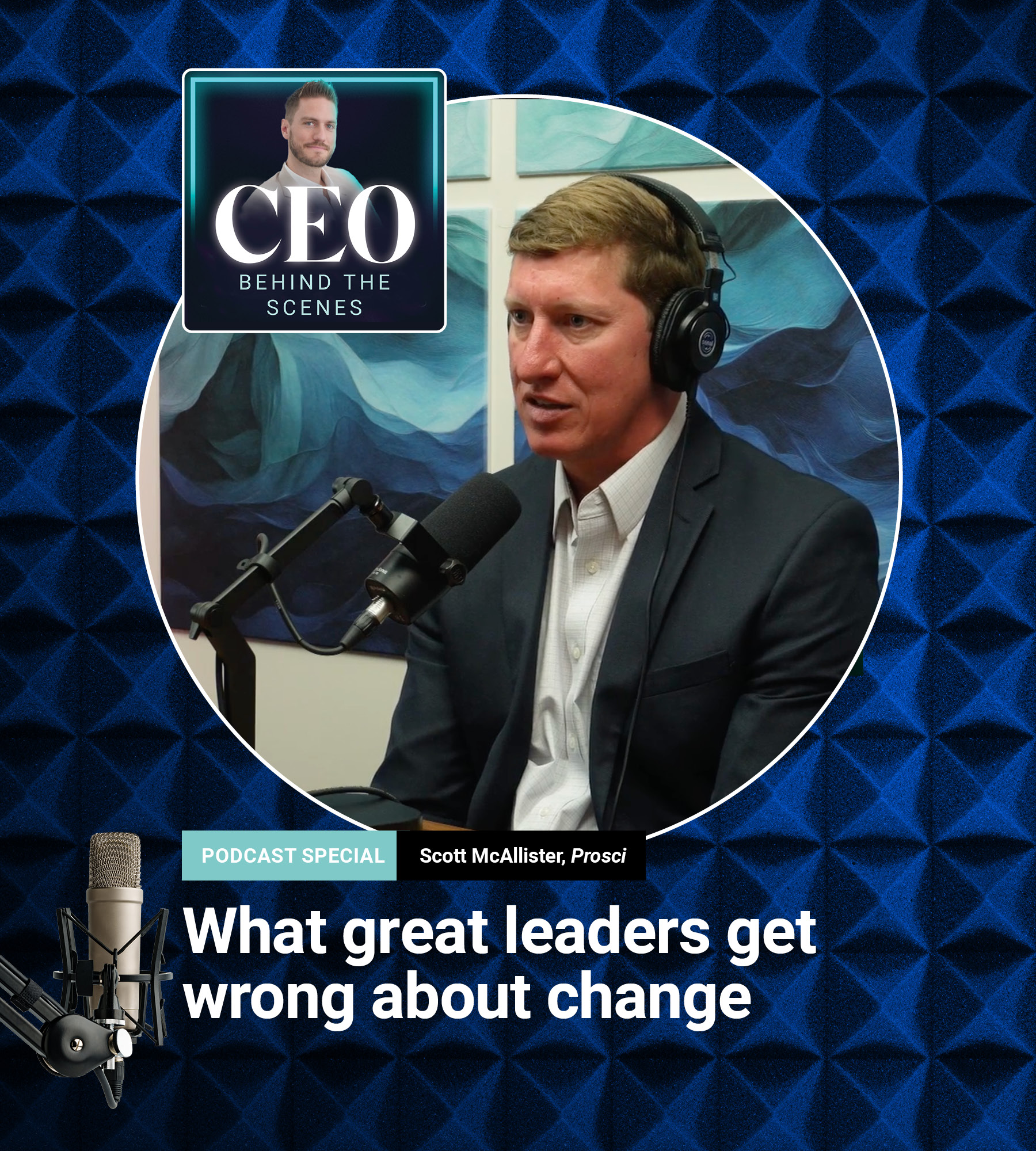
As a former management consultant who has spent the past decade leading the world’s most recognized change management firm, McAllister has helped thousands of executives navigate high-stakes transformation. He joins host David Jepson on CEO: Behind the Scenes to unpack what really drives successful change, as well as the blind spots that hold organizations back.
“The majority of senior leaders don’t have an adequate understanding of what good sponsorship looks like in times of change,” he explains. “We have a false assumption that because you climb to a C-level title, you pick this up through osmosis on the journey.”
McAllister believes that too many executives think their job ends with announcing a change and sending a few emails.
“I see a lot of leaders thinking a town hall meeting followed by a strongly worded email is going to catch the business up to their heels. And the reality is, change is a process. And human beings experience the process at different paces,” he explains.
At Prosci, which has been researching change for more than 25 years, McAllister’s team works with global clients to build what he calls “change muscle”. He compares it to building strength in the gym – something that takes repetition, structure and consistency.
“You can’t build a change-capable organization in a day or a week. It takes continuous investment,” he says. “If we can build a change-capable culture, that can be a real source of sustainable competitive advantage for senior leaders.”

“Even a small investment proactively can have an outsized impact on the results you achieve.”
One of the biggest mistakes? Leaders assume that everyone understands the why. McAllister stresses the importance of repeating the message – not once, but five to seven times, across multiple channels.
“When you’re sick to the stomach about talking about ‘why’ – congratulations, you’re halfway home,” he says. “If we skip over that, ‘why’, we’re not going have everyone in the organization around the same message moving in the same direction.”
He also calls out a common oversight: leaving middle managers out of the loop.
“Far too often we surprise the poor middle managers in the organization with the messages at the same time that their directs are hearing it,” he explains. “And that doesn’t set the system up to work in our favor at all.”
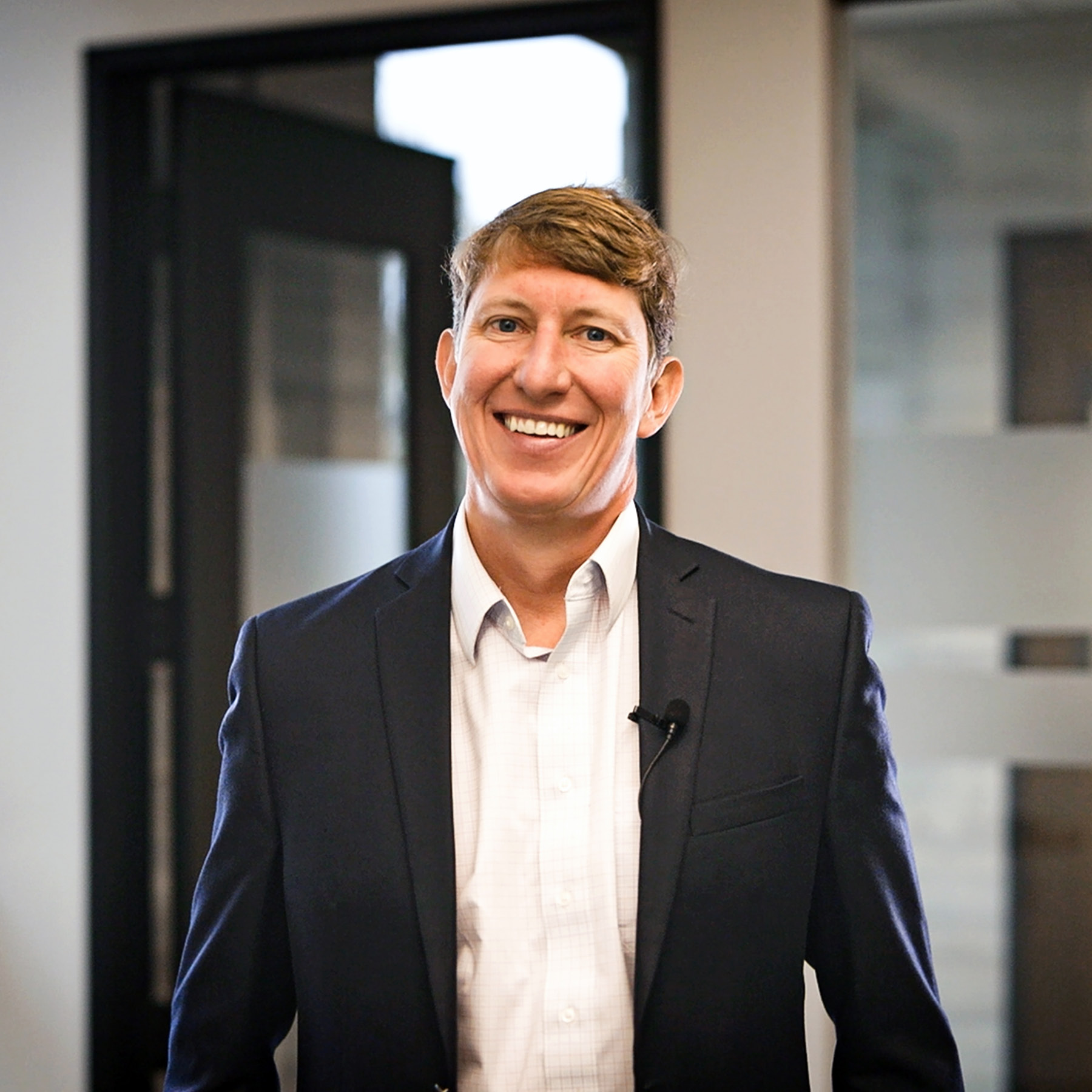
“Leaders have to go first.”
So where should CEOs start?
“First, it’s to start by looking in the mirror,” McAllister says. “This isn’t a capability that you bark down the food chain and build from the bottom up. Leaders have to go first.”
For any executive driving transformation, this conversation offers both a wake-up call and a practical road map.
“You’re going get out of this what you invest in it,” he adds. “And even a small investment proactively can have an outsized impact on the results you achieve.”
For more on how to lead change that lasts, tune in to the full conversation with McAllister on CEO: Behind the Scenes.

Listen to the latest episode of our CEO: Behind the Scenes podcast with Scott McAllister on Amazon, Apple or Spotify.
 RELATED ARTICLES
 6-min read
4-min read



 Home
Home
 Podcasts
 Covers
 Be Featured
 Community