Language
You can read the magazine in one of the following languages

5-min read

 Bookmark now

 Copy Link
Patrick Dayan has spent his career working on infrastructure that most people only notice when it fails. After all, roads, drainage systems, culverts and stormwater ponds rarely attract attention when they’re doing their job well.
But for the Public Works Director of St. Lucie County, that under-the-radar reliability is exactly the point. Over time, Dayan says, the work has shaped how he views his profession.
“Everything we’re doing is an investment into our community,” he tells The CEO Magazine. “We’re the lifelong owners of these improvements.”
If Dayan had to point to one project that captures the impact of public works at its best, it would be a stormwater initiative in a flood-prone residential subdivision.
“When it rained, there’d literally be ducks swimming in the street,” he says. “It was that bad.”
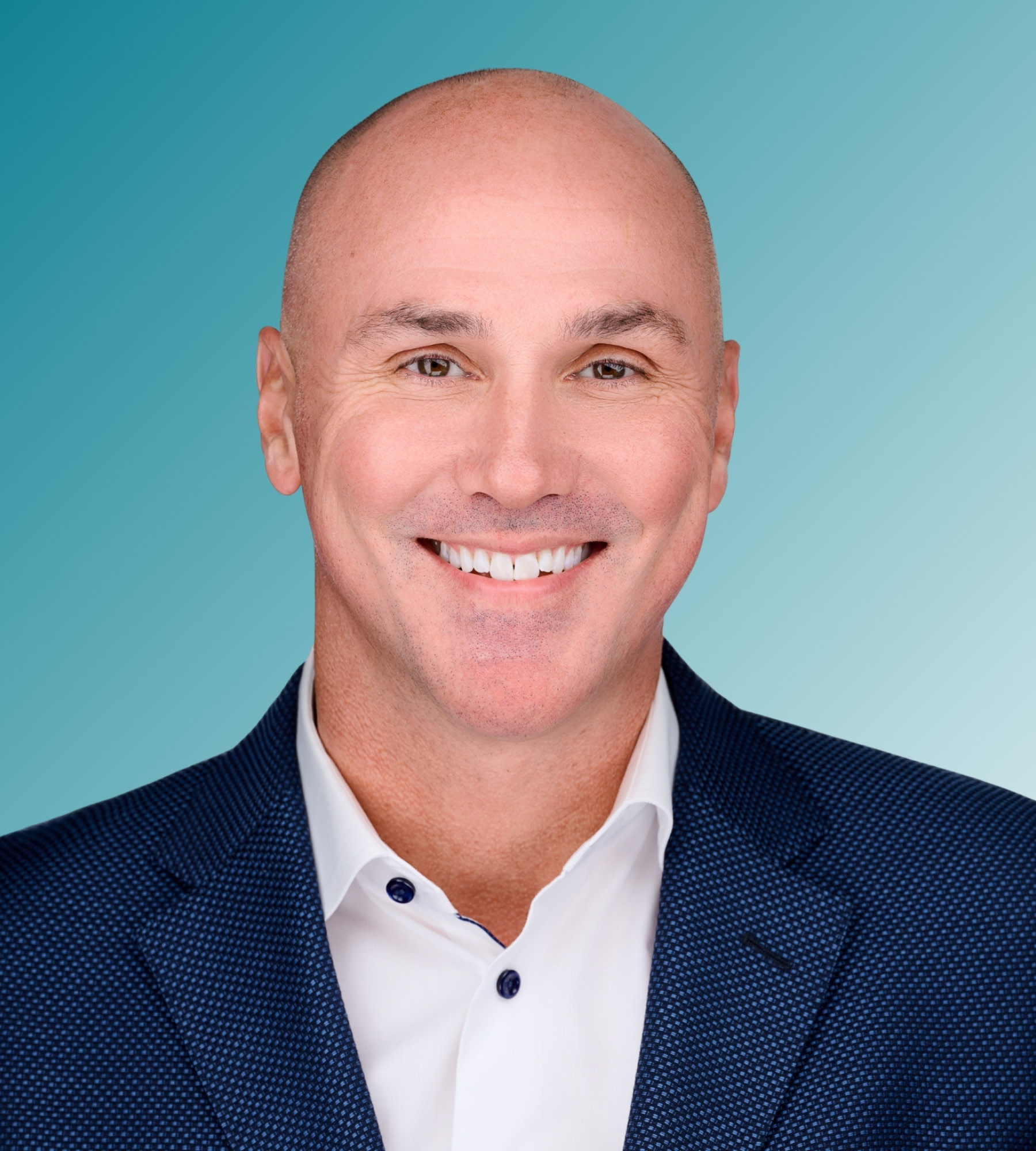
“Everything we’re doing is an investment into our community.”
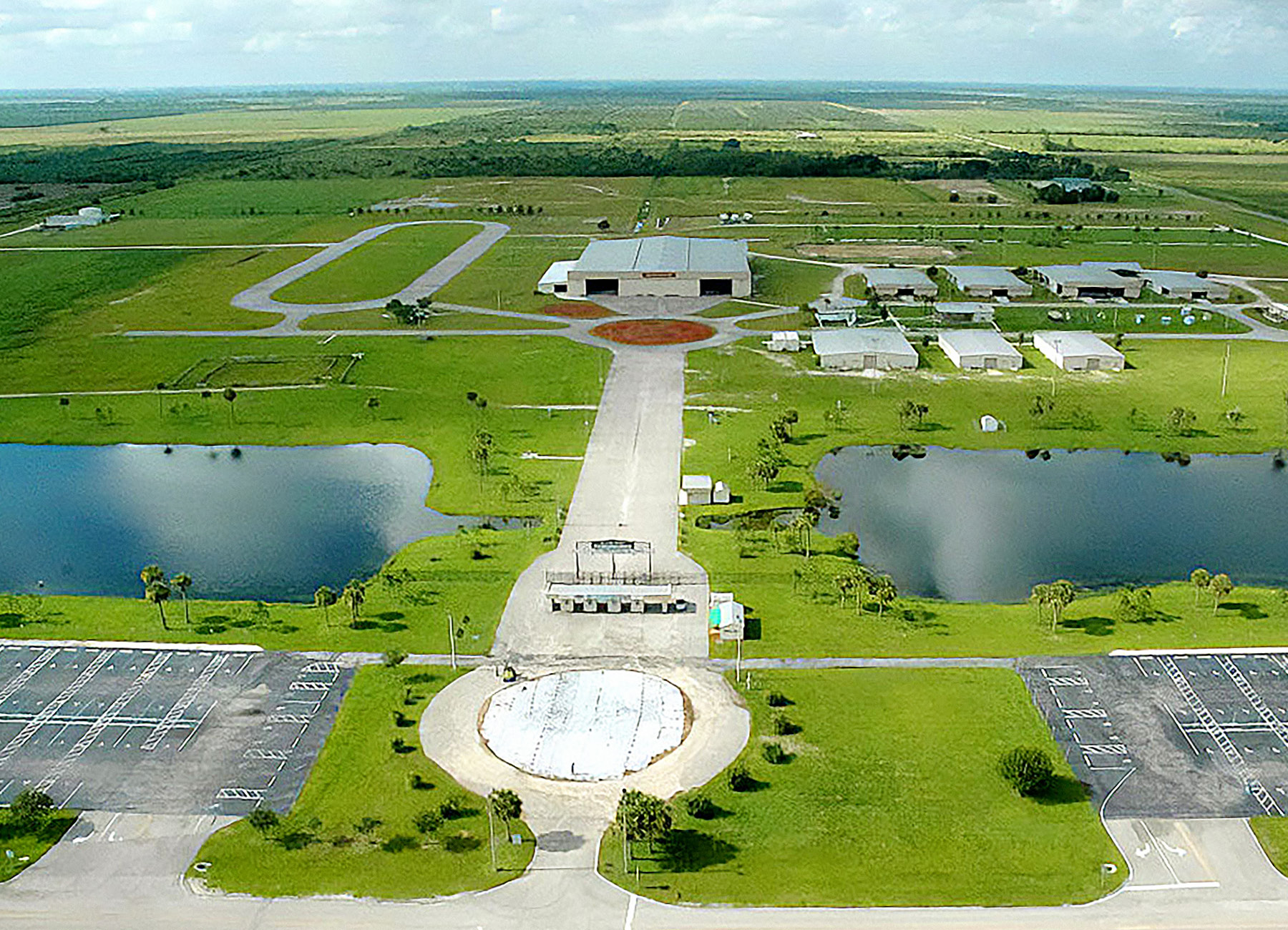
It was clear the solution would need more than a quick fix. And the breakthrough came with the opportunity to purchase a five-hectare site. Today, that land has been transformed into a stormwater quality pond that manages flooding, improves water quality and supports native wildlife.
“It’s an amazing neighborhood amenity,” Dayan says. “It not only gives the water a place to go and cleanses that water before it goes down into the river, but it also provides habitat for native wildlife.”
Just as importantly, residents have embraced it.
“The neighborhood has really put their arms around it,” he says with a smile. “It’s a true enhancement of the community.”
Indeed, measuring success in public works takes more than happy residents and less flooding, Dayan says. It also requires discipline.
“If we’re not measuring, then how do we know if we’re doing an adequate job or a great job?” he says.
At a granular level, that means tracking response times for citizen requests.
“We measure how long it takes us to complete projects,” he explains. “It’s looking at accountability and ensuring that we’re being transparent and spending taxpayers’ dollars in a manner that best reflects our expectations.”
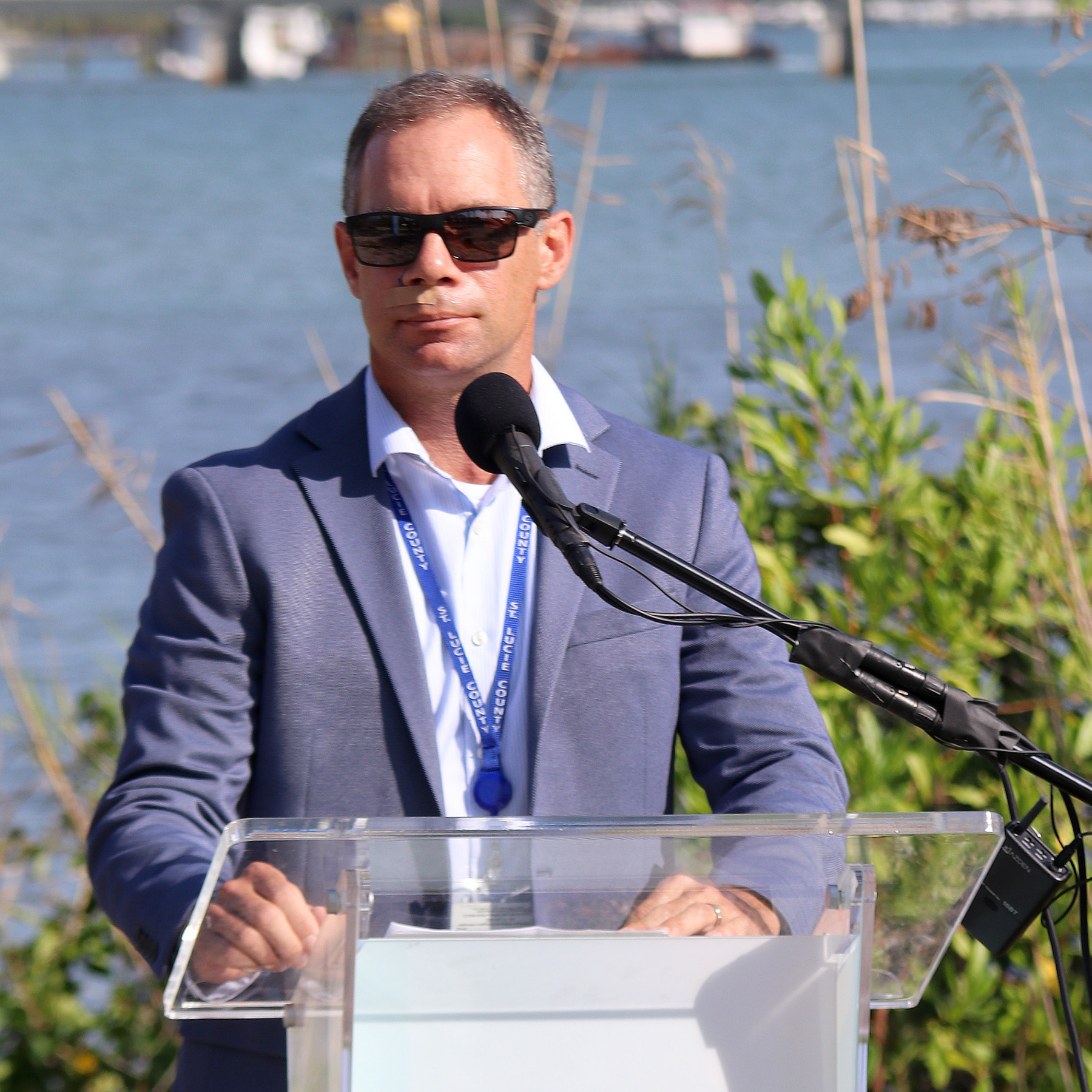
“If we’re not measuring, then how do we know if we’re doing an adequate job or a great job?”
At scale, Dayan says technology is leveraged to guide capital investment. St. Lucie County maintains roughly 965 kilometers of roadway – its single largest asset. Rather than relying on intuition, the county deployed advanced data collection tools to assess pavement conditions.
“We collect vast amounts of data,” he says. “Now, we have a score, a pavement condition index for all of our roadways.”
This data allows the team to choose the right intervention at the right time.
“If we do that and do it well, we can show how we maximize our return on investment,” he says, particularly when weighed against the cost of deferred maintenance.
Another example is traffic signal preemption, which prioritizes emergency responders at intersections.
“It wasn’t an inexpensive addition,” Dayan says. “But it was a very important element to make sure that we’re maximizing our public safety component.”
As Public Works Director, Dayan leads a team of approximately 101 people across four divisions. And one of his priorities has been to break down silos.
“I’ve worked really hard to remove the barriers between the different divisions,” he stresses. “There are no fences – we’re all one team.”
The philosophy becomes most visible during emergency deployments.
“When we get deployed for emergency events, we’re preparing as one team and supporting one another. That’s an ultimate example of the teamwork that we have internally,” Dayan points out.
He admits that retention is challenging in a public-sector environment.
“The private side can be more nimble,” he says.
Still, the department invests heavily in its people.
“We’ll train folks to get their commercial driver’s license. And we also have higher education and professional training reimbursement programs,” he says, adding that it all comes back to purpose. “We’re working for the citizens every day, and the goal is to make their lives better.”
To go above and beyond in delivering to those citizens, Dayan is quick to point out that strong partnerships with municipalities, contractors and residents are essential to delivering outcomes at scale.
“We work very closely with our municipal partners,” he says. “Having those strong personal relationships allows for success.”
Trust, he acknowledges, underpins those relationships.
“Once we start working with contractors and develop relationships, we have a strong bond that fosters trust,” he explains, particularly during those emergency situations.
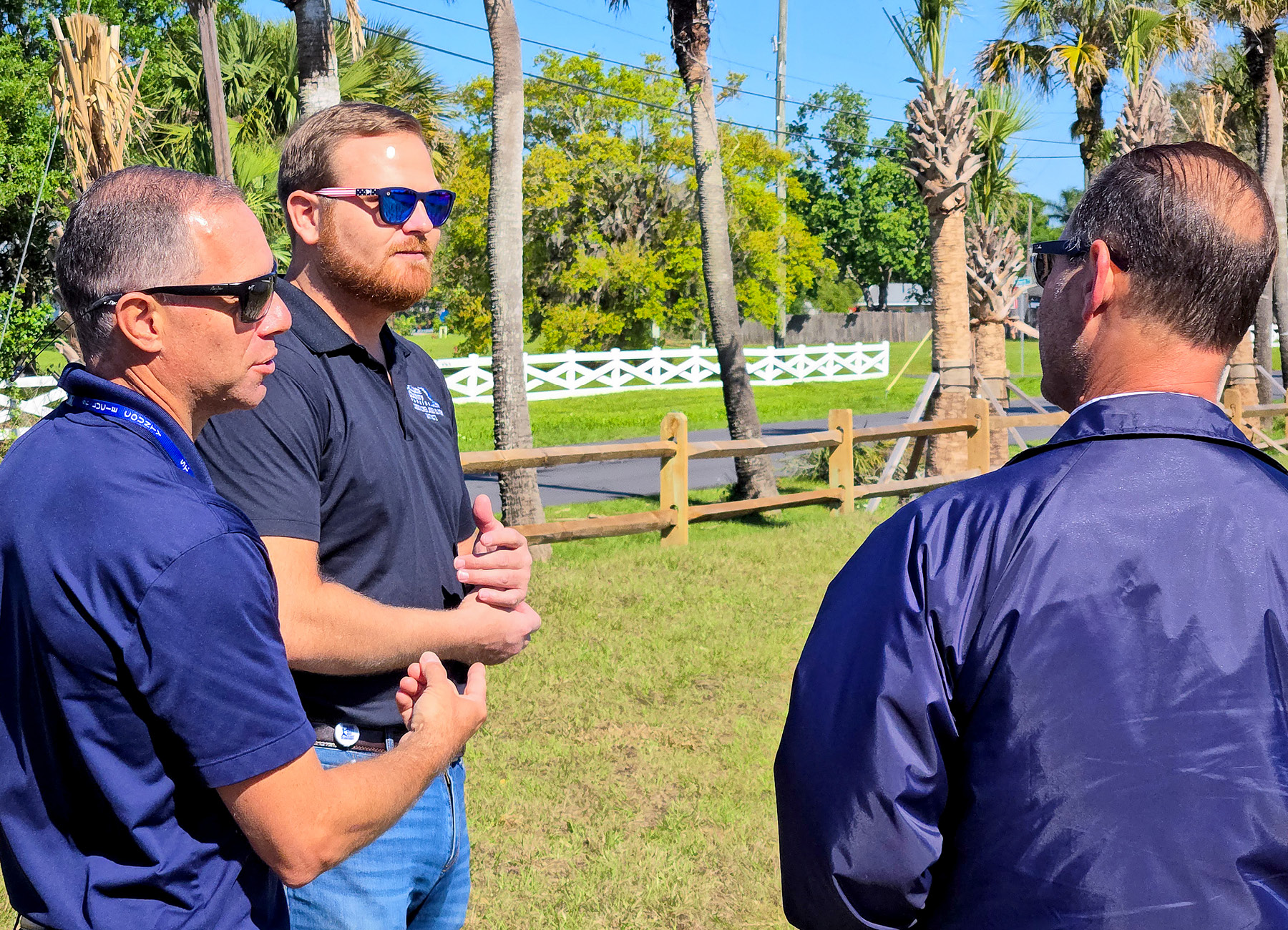
“We work very closely with our municipal partners. Having those strong personal relationships allows for success.”
One of the most effective partnerships, however, has been directly with homeowners. Dayan points to the county’s Culvert Assistance Program as an example.
“When those culverts fail, they’re quite expensive – we’re talking thousands and thousands of dollars,” he says.
This solution allows residents to spread costs over 10 years at low interest.
“The program has been incredibly effective,” he says. “It helps the private owner, and it helps us because then we have effective drainage.”
A defining moment for St. Lucie County came in 2018 when voters approved a half-cent infrastructure surtax.
“That has injected about US$10 million annually into our capital program, which we only use on projects,” he explains.
The impact has been significant.
“From paving roads to repairing or replacing bridges and vast amounts of water-quality improvements, we’ve made a heck of a difference,” Dayan beams. “There’s always more to do, but this has been a game-changer for us.”

“I love staying close to our projects and seeing, firsthand, the improvements we make in the community.”
Looking ahead, he’s focused on resilience – digitizing work orders, updating stormwater master plans and improving public communication.
“We haven’t been very busy telling our story,” he admits. “So now, we’re making sure we’re getting the word out – that alone has been tremendously impactful.”
For Dayan, his motivation remains strong, and he has little interest in moving away from the work itself.
“I love staying close to our projects and seeing, firsthand, the improvements we make in the community,” he says. “I’m in a wonderful place in my career – it’s deeply rewarding.”
 RELATED ARTICLES


 Home
Home
 Podcasts
 Covers
 Be Featured
 Community