Language
You can read the magazine in one of the following languages

5-min read

 Bookmark now

 Copy Link
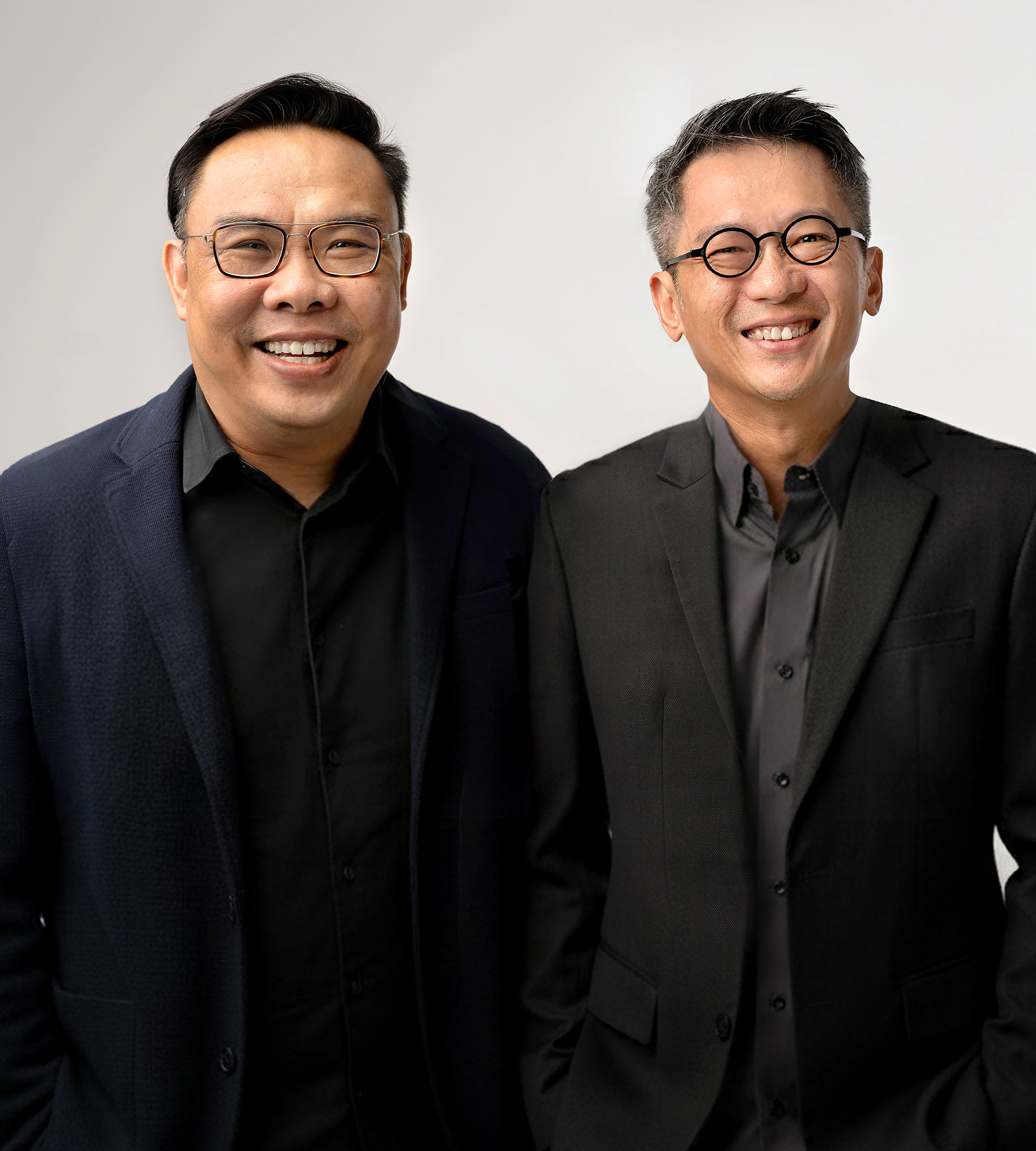
The name of Singapore-based architecture firm Kyoob Architects may be a playful nod to the industry’s most basic three-dimensional form and building block: a cube. However, its simplicity belies the aggressive growth strategy of Founders Lau Chee Meng and Julian Chia that has seen the company expand far beyond its humble beginnings from their living rooms.
“In terms of physical size and office presence, we’ve grown,” Chia tells The CEO Magazine.
“To us, the longer journey we want to embark on is a series of small steps.”
- Julian Chia
In 2021, Kyoob Architects was a thriving firm of 50 employees. Since then, it has opened an office in Penang, Malaysia, and increased its head count.
“Our growth has strengthened our ability to attract and deliver high-profile projects,” Lau says. “The COVID-19 pandemic delayed a lot of projects, but now that we’ve caught up, we have the capacity to take on more – both in size and complexity – than ever.”
The company’s home, Singapore, is a small island, but it’s big on real estate projects. To make better use of limited space, many new developments are mixed-use.
“The projects we take on today are complex and require a higher level of integration and collaboration across the stakeholders,” Lau explains.
“We put everything together, and it’s really quite exciting and unique. You’ve got government agencies and the private sector coming together and combining their skills and requirements, so our office team has expanded to handle that.
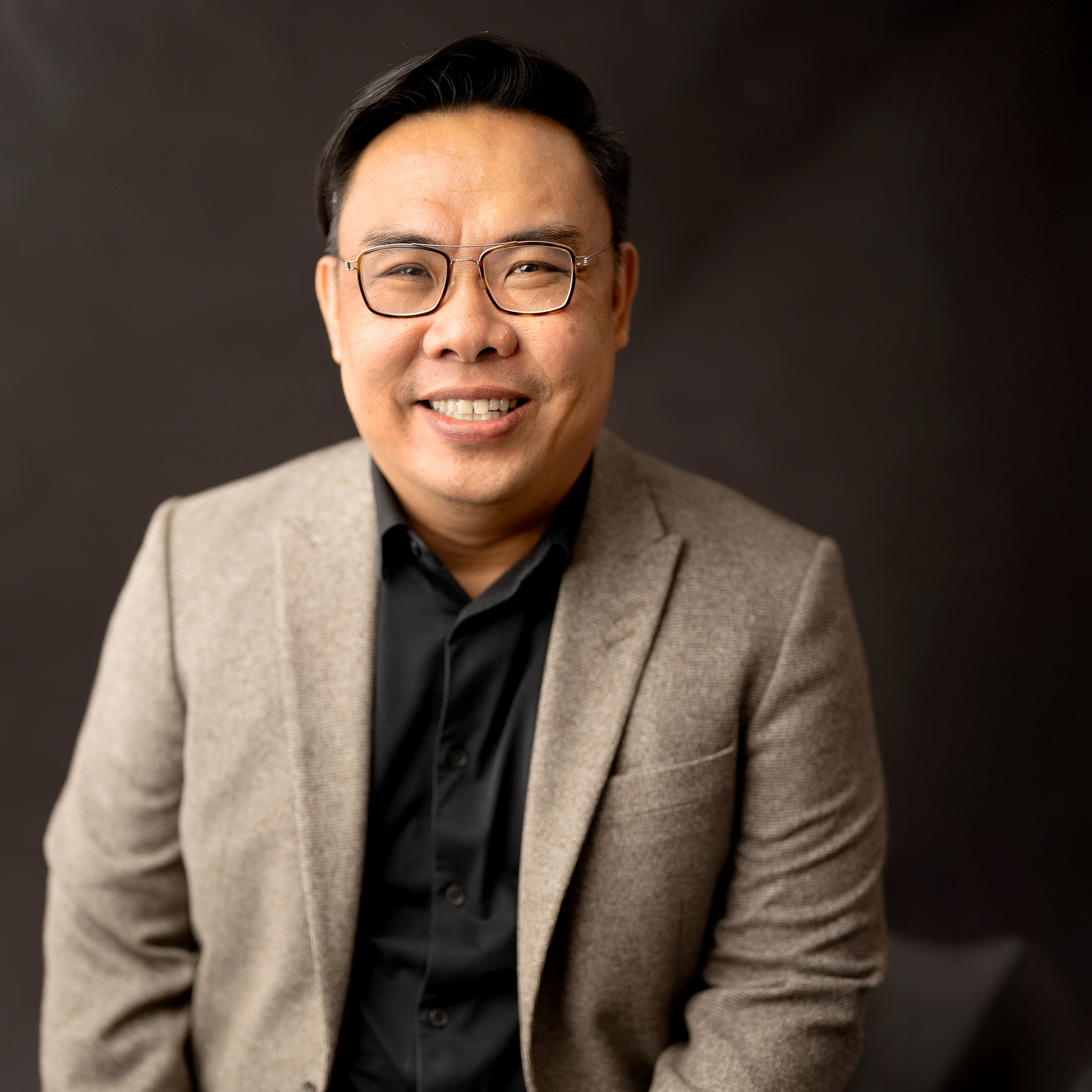
“We are strongly committed to building the next level of leaders as the practice continues to grow.”
- Lau Chee Meng
“Singapore is a very mature society, so expectations are high. We’re also experiencing more engagement with stakeholders and the public, and that interaction has enhanced our skill sets.
“I believe by leading with professionalism and trust, we build not just projects, we build reputation – the foundation of lasting success.”
Chia says the ultimate legacy of the pandemic was the chance to broaden the company’s typology of work.
“We’re branching into educational institutions and healthcare typologies, for example, which we haven’t had the opportunity to do before,” he reveals.
“To us, the longer journey we want to embark on is a series of small steps.”
Some steps are bolder than others, at least in terms of aspirations. One of those is the desire to cultivate the next generation of Singapore’s architectural excellence.
“We are strongly committed to building the next level of leaders as the practice continues to grow,” Lau says. “That doesn’t come naturally. We have to nurture them and amid the demand from clients, users and consultants, the industry is demanding more of architects than ever.”
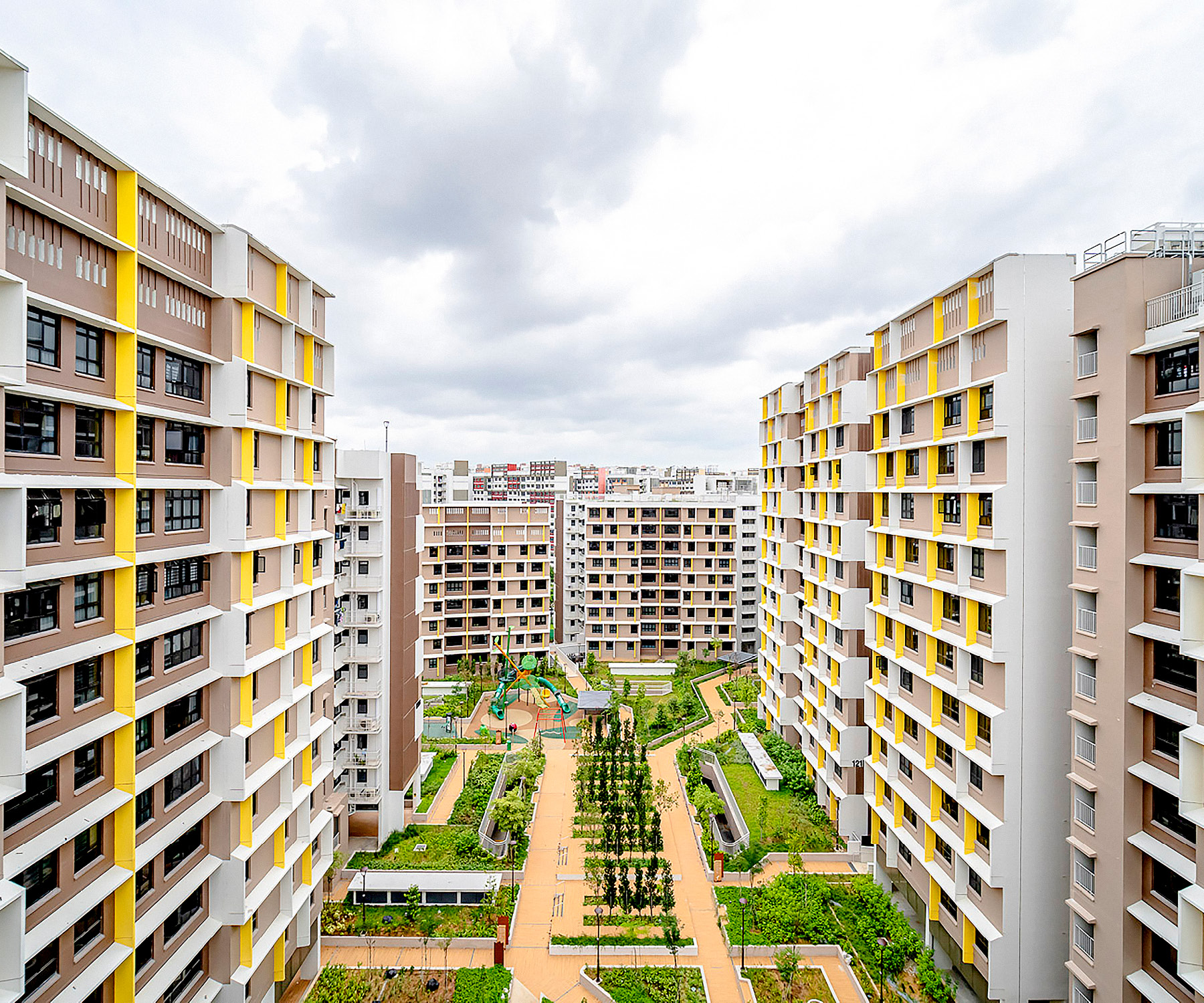
The team also works with external stakeholders including trusted local and global partners, such as SoilBuild Group Holdings, which partners with Kyoob Architects in the construction, development and property management phases.
Architects used to working alone or in very small groups are having to adjust to this all-encompassing approach to collaboration, but the pair believe it’s ultimately advancing the profession.
“Our vision for the next 10–15 years is to prepare the next generation of leaders that will take Kyoob Architects even further and into other sectors,” Chia says.
“We know that takes time. A lot of it is culture-driven and getting the right people often takes patience and time.”
Another long-term element of the Kyoob Architects strategy is sustainability. It already counts among its impressive portfolio of residential, commercial and infrastructure projects a number of Green Mark Platinum-certified structures, but the firm has gone a step further.
In 2025, Singapore phased in mandatory sustainability reporting for Singapore Stock Exchange-listed companies, and while Kyoob Architects isn’t listed, the Founders have decided to prepare and submit sustainability reports regardless.
“It’s in part to reinforce our firm’s desire to make sustainability part of our DNA in terms of the way we design and the way we think about design,” Chia insists.
“We want our clients to know that we’re a firm committed to sustainability and that this is important not just to the projects that we design for them, but also to set a good example for other industry practitioners to follow.”
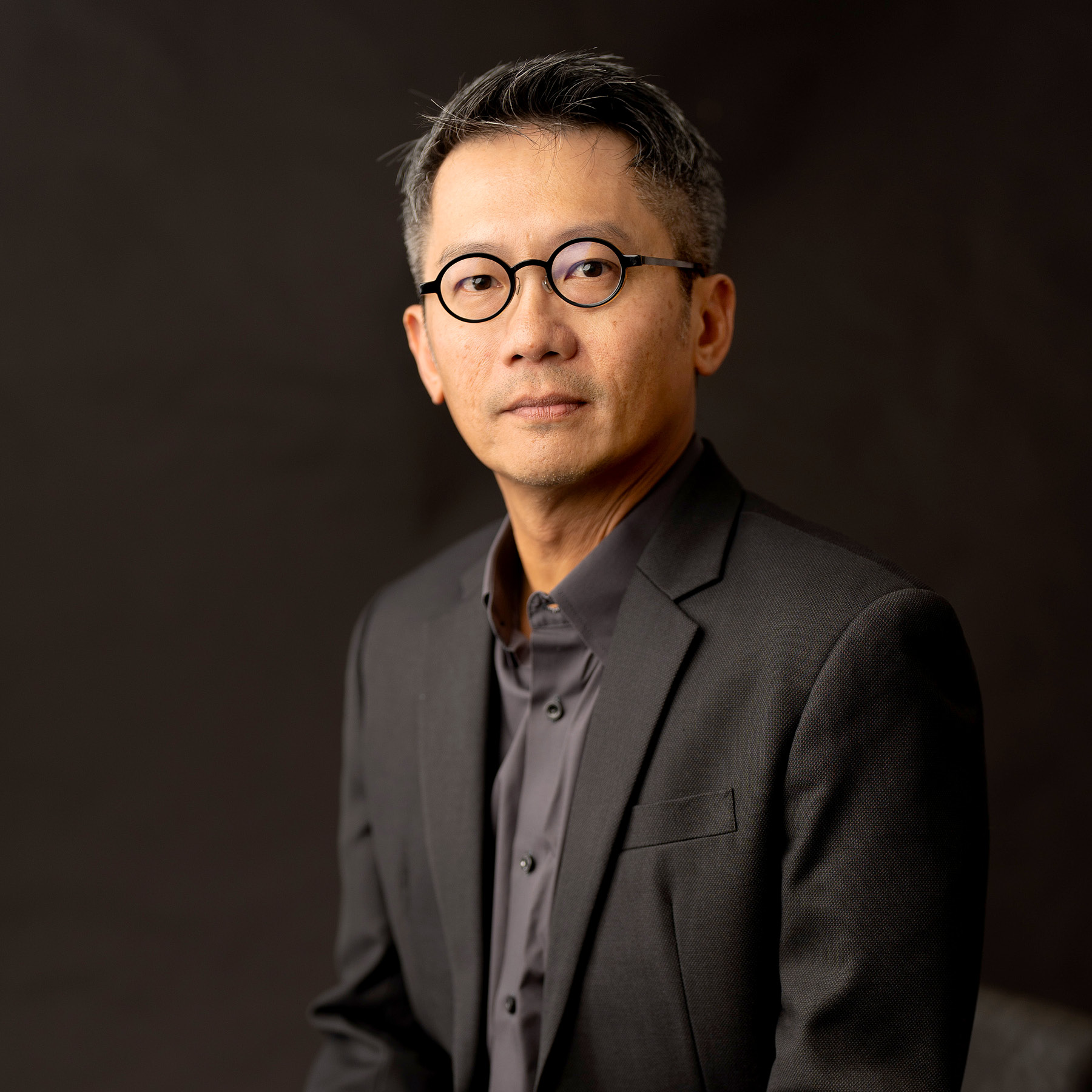
“We’re firmly focused on training our staff to go beyond what architects have traditionally done.”
- Julian Chia
The company’s other core essentials are IT and technology. The entire office, both in Singapore and overseas, embodies this, fully staffed as it is by building information modeling (BIM)-competent people.
“Beyond that, we’re embracing and implementing AI as well, and we’ve got a bunch of excited people keen to use AI technology and incorporate it into BIM to see how much more efficient we can be,” Chia says.
More than two decades into the Kyoob Architects journey, Lau and Chia are still setting a high bar for Singapore’s architectural industry. Lau says it’s a matter of professionalism.
“Leadership criteria, to me, is about acting professionally in terms of how we present ourselves,” he reflects. “But aside from that, we’re firmly focused on training our staff to go beyond what architects have traditionally done. If we’re dealing with other external consultants and specialists, we need to see things from their standpoint.”
In essence, employees emerge as more than architects, which Chia believes reflects industry expectations.
“We’re lead consultants now, so we need to understand the point of view of every stakeholder,” he says. “A lot of times, individual operators may not have the full picture of the overall project, so when they come to us for that, we have to be ready.”
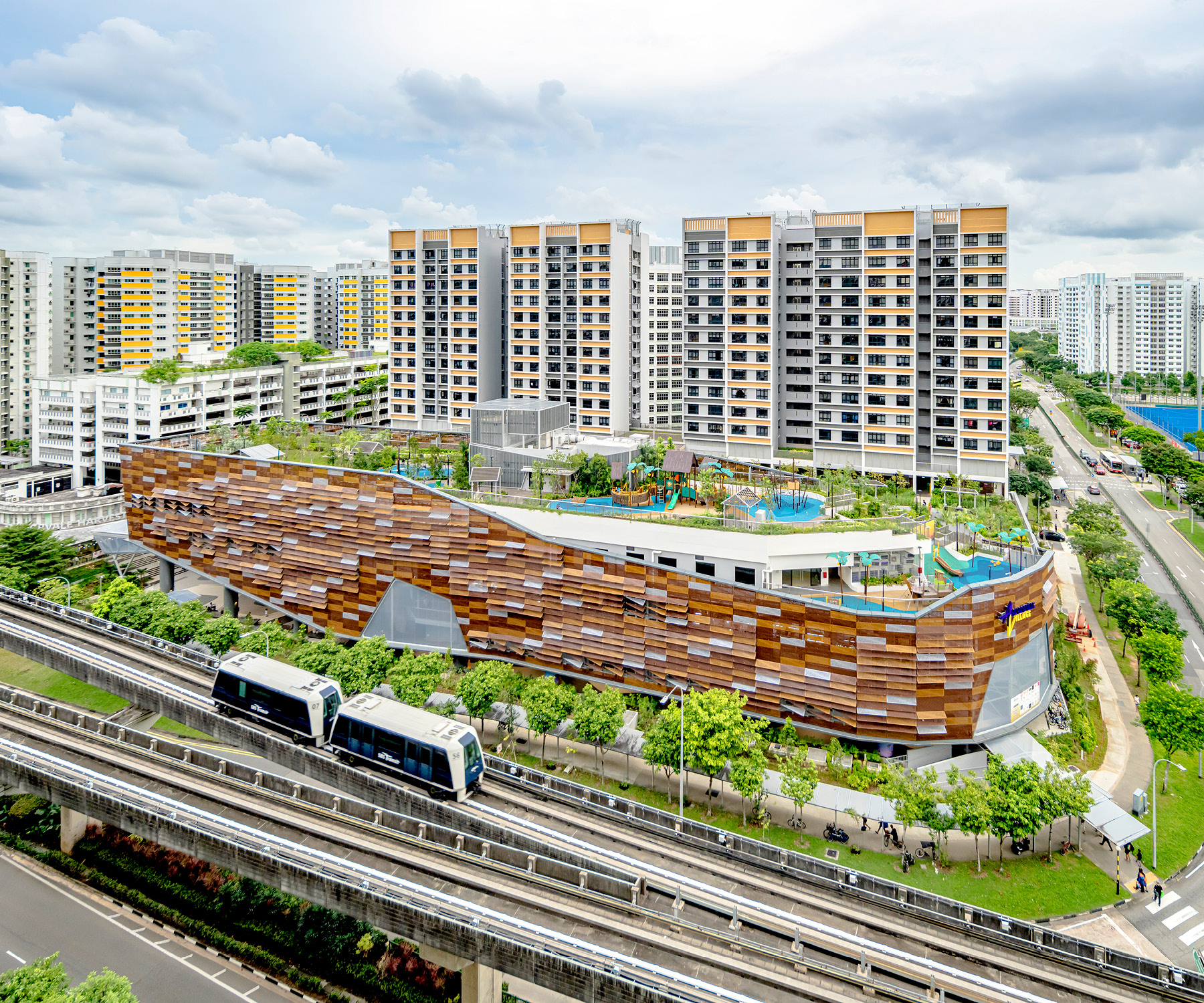
“There’s a higher calling here.”
- Lau Chee Meng
The architectural practice has set a high standard when it comes to understanding projects in their entirety.
“That’s why we’re growing and we have the projects we have,” Chia says. “Our track record shows we’re more than capable.”
Lau agrees. “My take is that most consultants don’t actually create anything. The value is in our heads, as designers,” he notes.
“So being a good leader in this space is about managing the people we have well, inspiring them to look beyond dollars and cents, and helping them design buildings that affect the lives of people who use the spaces that we create. There’s a higher calling here.”
 RELATED ARTICLES


 Home
Home
 Podcasts
 Covers
 Be Featured
 Community