Language
You can read the magazine in one of the following languages
5-min read

 Bookmark now

 Copy Link
As Papua New Guinea prepares to mark 50 years of independence, the Constantinou Group of Companies is reflecting on a milestone of its own – 70 years in business.
Founded in Port Moresby in 1954 as a humble welding business, the company has since grown into one of the country’s largest and most respected family-owned businesses, with a portfolio spanning building and construction, hospitality and property.
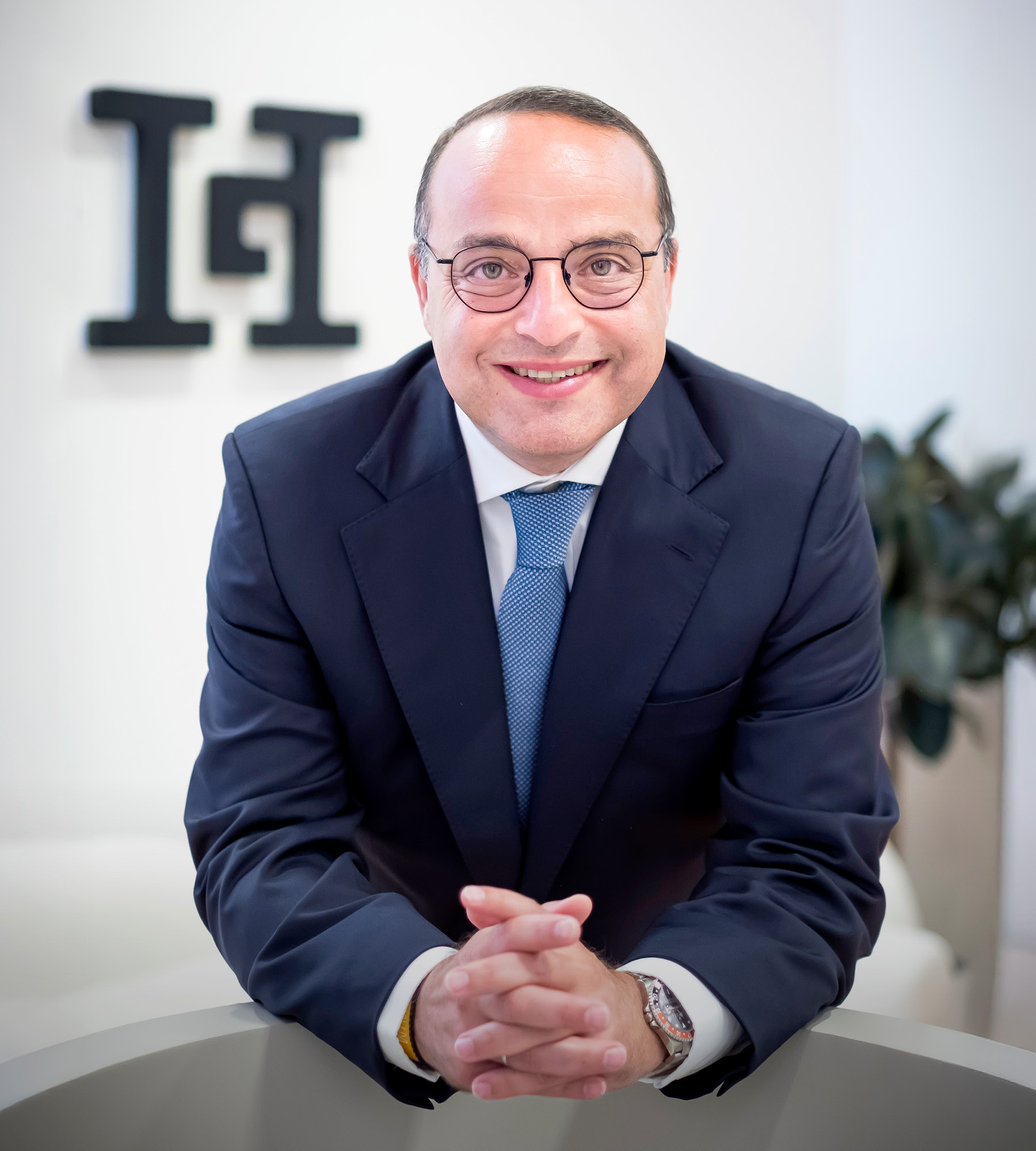
“We’re known for quality and our customers can attest to that. That’s what sets us apart,” Group Chairman and Governing Director George Constantinou tells The CEO Magazine. “As a family business, we bring a different mindset to how we do things.”
Now under its third generation of leadership, the Group is undergoing a transformation of its own.
“I’ve taken over from my late father,” Constantinou says. “Now there’s more responsibility required from me. I’m stepping up on every front to ensure everything operates cohesively across the Group.”
One of his first priorities was to modernize the company’s digital infrastructure.
“When I first came on board, that was my major push – getting our companies on the same software, all cloud-based. Before, nothing was cloud-based,” he explains.
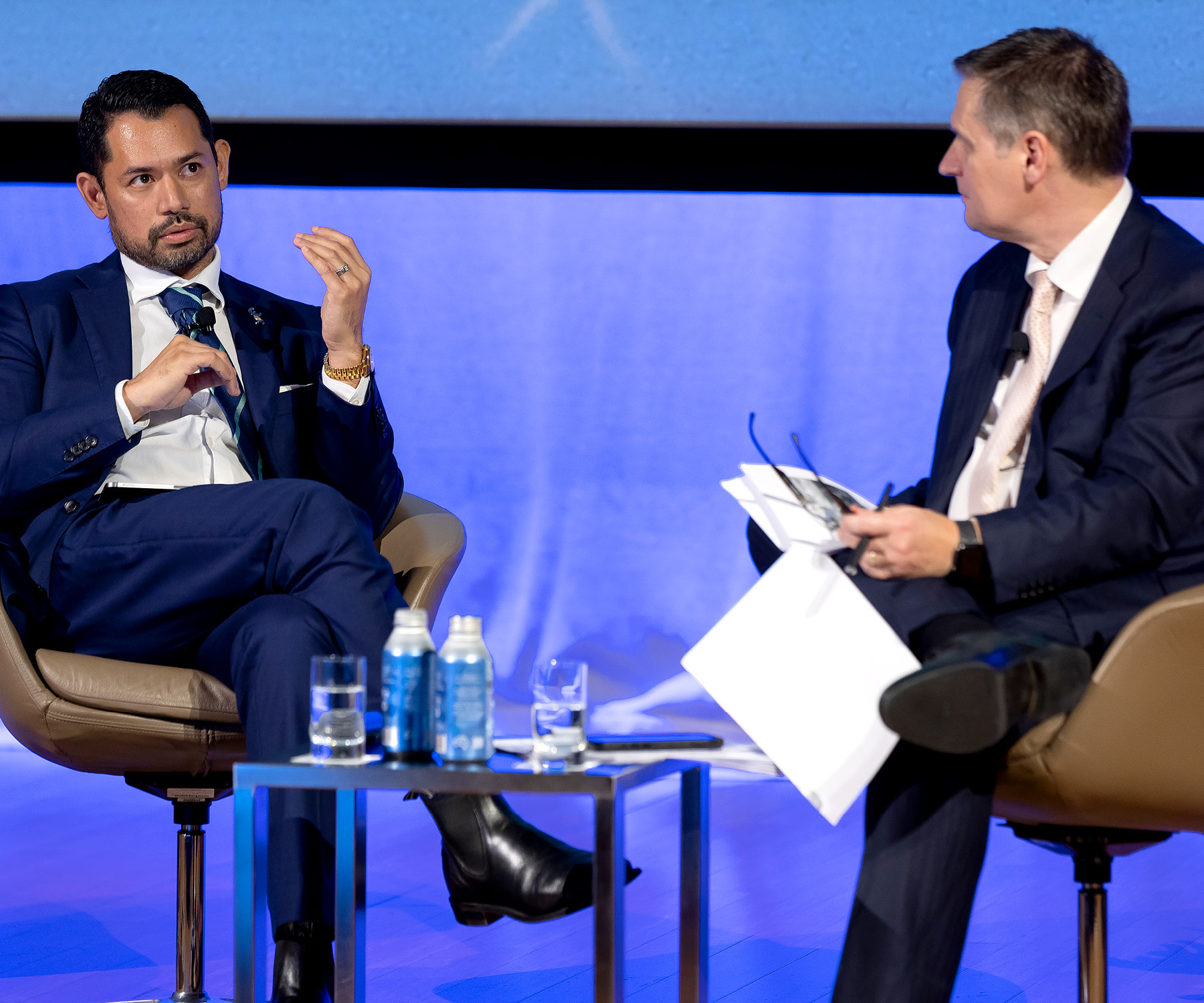
“I’m stepping up on every front to ensure everything operates cohesively across the Group.”
Implementing this across an emerging market hasn’t been without its challenges though.
“It sounds simple in a developed nation, but in a emerging nation, it can be a little tricky,” Constantinou admits. “Now, we’ve standardized our systems, so reporting is consistent and reliable across the Group.”
With its digital foundations in place, the Group has begun exploring AI.
“We’re trialing AI to help us understand our customers and streamline our work. It’s still early days, but we are keen to adopt an early mover advantage,” he adds.
As the Group strengthens its regional footprint, expanding into other Pacific nations, Constantinou affirms that the focus remains close to home.
“We’re not moving away from our traditional roots,” he insists. “Our primary base is in Papua New Guinea, especially Port Moresby, and the Solomon Islands, where we’re continuing to expand.”
The Group’s unique vertically integrated model is key to this expansion.
“We have development companies, construction companies and hospitality and property management arms,” Constantinou explains. “We often develop land, construct the building and then operate the finished asset.”
That model, he says, creates natural synergies across the Group’s operations.
“Our construction teams work closely with our hospitality businesses, whether it’s refurbishments, maintenance or renovations,” he says.
“Everything is designed with the end user in mind because we’re often the ones managing the asset long-term.”
Alongside business growth, the Group is well-known and respected for its long-standing community contributions. It regularly supports charities and causes that aim to better the lives of Papua New Guineans, with a strong focus on education, health and community enrichment.
“I’m personally quite heavily involved in our social commitments,” Constantinou reveals. “We’ve always believed that wherever we operate, we must give back to the community.
“In addition to education and health, we also help out with water projects in the communities we operate within. We focus on the grassroots level – not mid-tier – because it impacts many of our employees.”
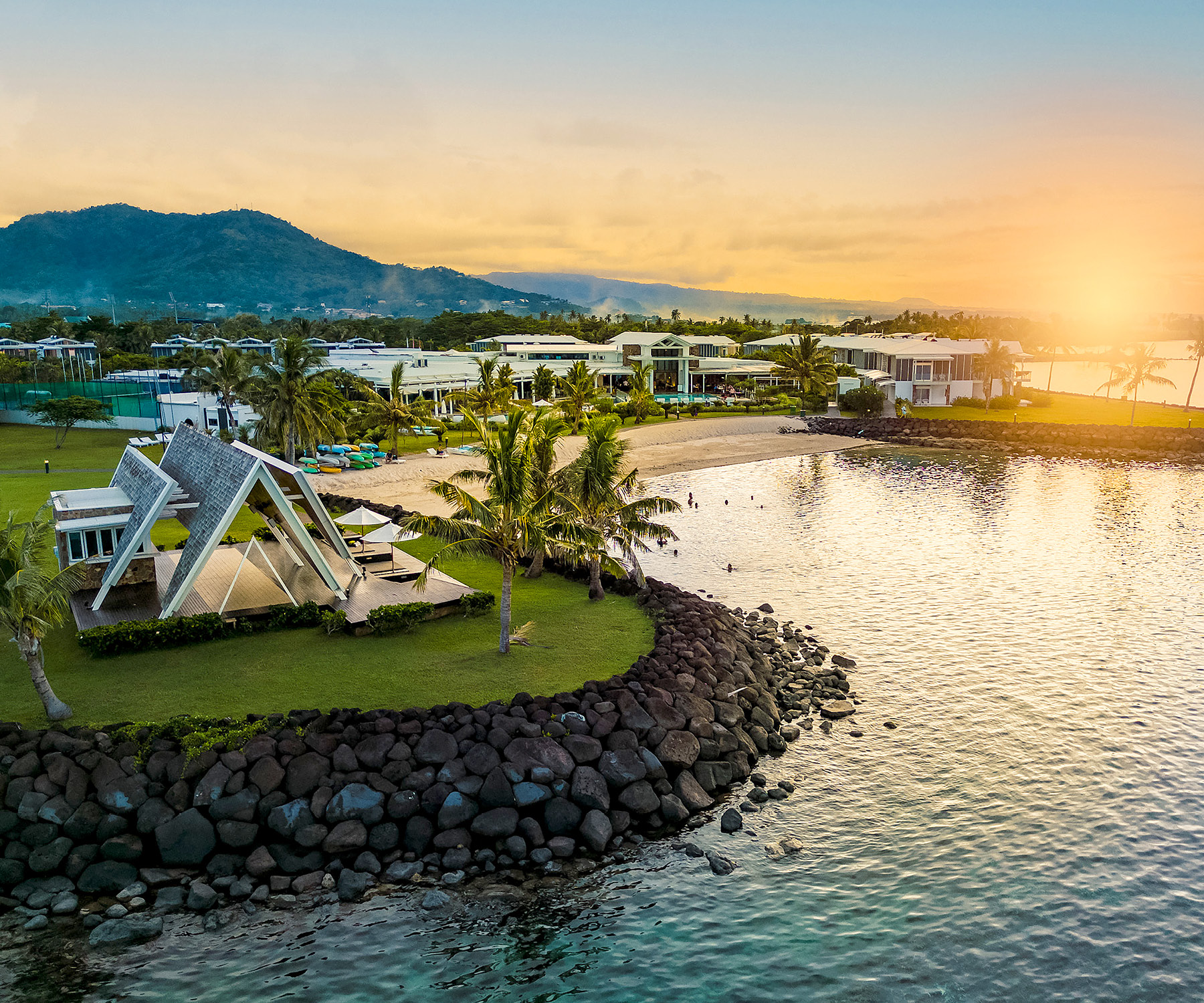
“We’ve always believed that wherever we operate, we must give back to the community.”
The Group channels its philanthropic contributions through three avenues: Group-led strategic community investments, community initiatives driven by the individual companies and its philanthropic arm, the Sir Theo Foundation.
It provides significant support to the Port Moresby General Hospital through the Sir Theo Foundation and is also a major supporter of Buk Bilong Pikinini, sponsoring the annual operating costs of four of its Library Learning Centres.
Through the Sir Theo Foundation, the Group also supports the Kokoda Track Foundation, which delivers flexible open and distance education programs for students who fall outside the formal education system.
In addition, it assists the Metoreia Urban Health Centre, having recently funded its initial procurement of essential medicines.
As the Group expands its footprint in Papua New Guinea and the Solomon Islands, Constantinou says talent development remains critical.
“We must find talent and retain them by giving them opportunities to develop with the company – otherwise, they’ll go somewhere else,” he points out. “We hope they stay with us. But either way, it’s important to help them grow their careers.”
For this, the company offers both internal and external training.
“There’s a lot of on-the-job training,” he says. “But we also bring in external training centers to assist our employees. We aim to foster an environment for them to really grow.”
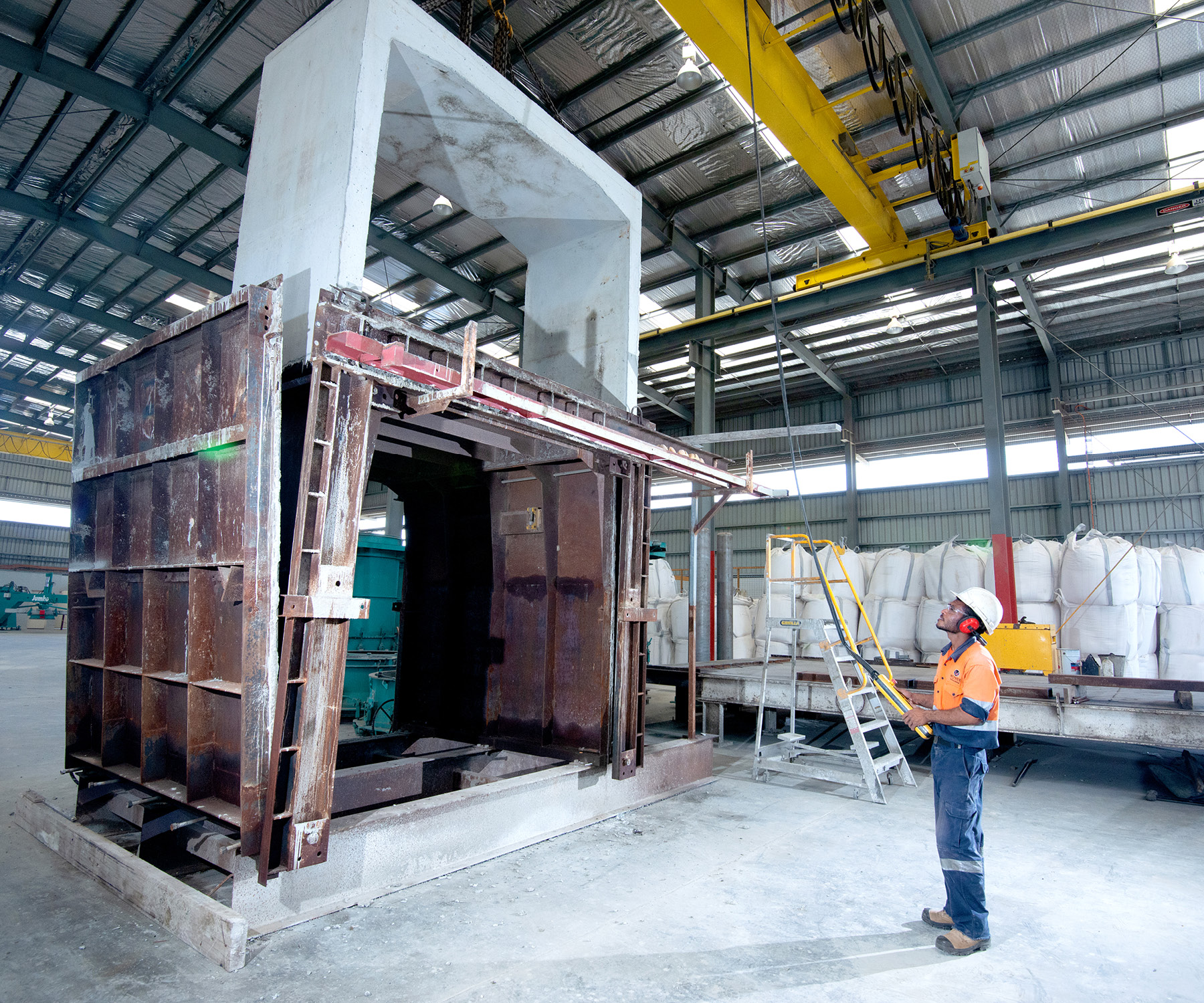
“When we find good talent, it’s important we support them as much as possible and help them become the best they can be in their chosen profession.”
Even so, finding skilled talent has proven to be quite the challenge over the years.
“In Papua New Guinea, skilled labor and management can be hard to come by,” Constantinou admits. “So when we find good talent, it’s important we support them as much as possible and help them become the best they can be in their chosen profession.”
In this region, where markets are smaller and more relationship-driven, Constantinou says the Group’s ability to build and maintain trust is critical.
“Partnership is absolutely key in Papua New Guinea and across the South Pacific,” he says. “They are few and far between here, so you can’t shop around too much. Therefore, you have to be able to foster a good, long-term relationship where both parties win.”
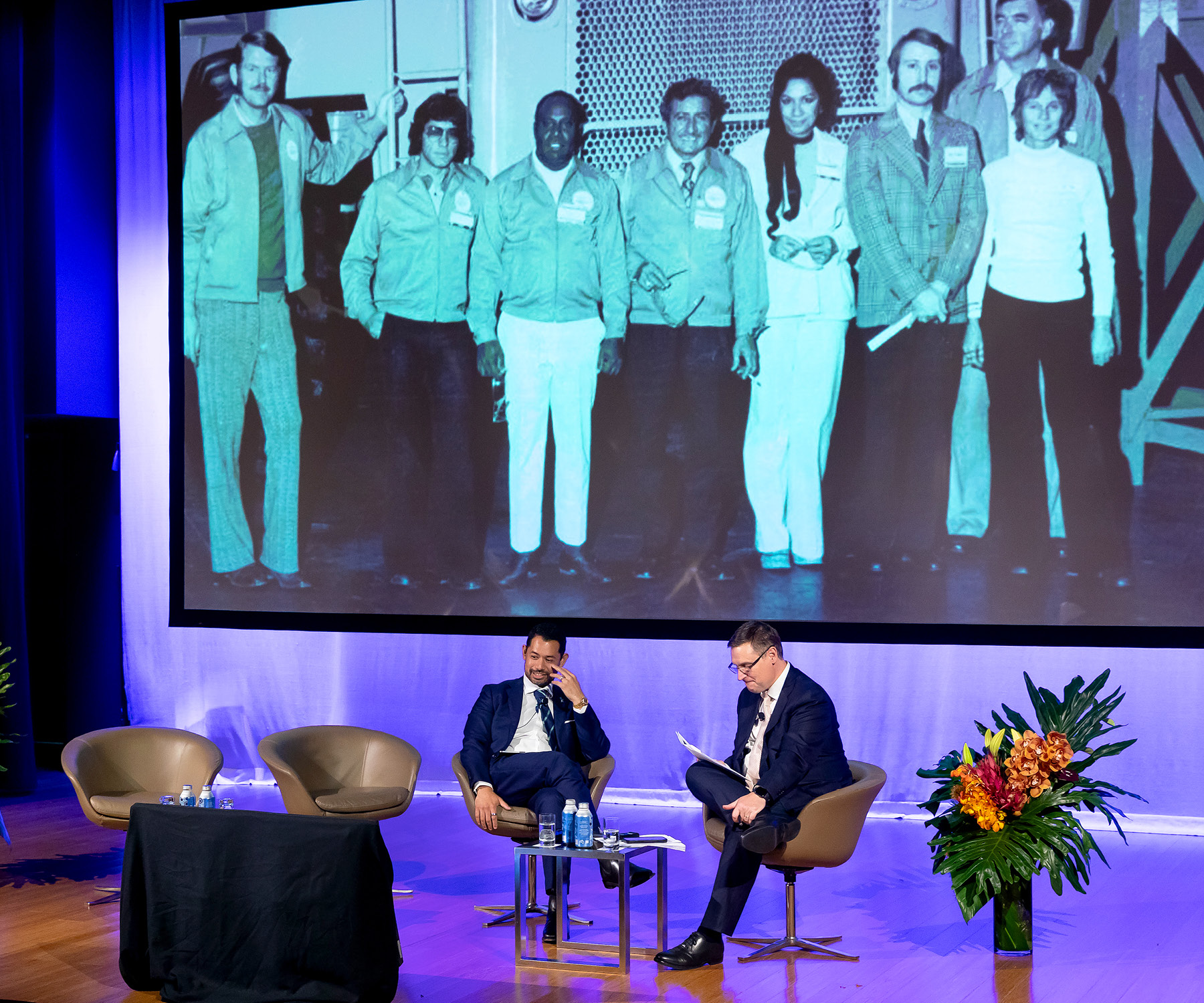
“You have to be able to foster a good, long-term relationship where both parties win.”
That mindset applies across the board, from clients to government agencies and international collaborators.
“We don’t throw any toys out of the cot,” he says. “We try to work with people and find the best solution. As long as there’s good communication, most issues can be resolved.”
Looking to the future, Constantinou sees these relationships as key to the next phase.
“We’re always open to new relationships,” he says. “We bring a certain skill set, but there are others we can learn from. And it’s about yielding the best outcome for all parties.”
 RELATED ARTICLES


 Home
Home
 Podcasts
 Covers
 Be Featured
 Community