Language
You can read the magazine in one of the following languages
5-min read

 Bookmark now

 Copy Link
Few gym brands are as well recognized worldwide as Fitness First, the pioneering chain that started in the United Kingdom. But that wasn’t always the case. Back in 2001, the gym operator was almost unheard of in Asia.
Indeed, it was the opportunity to introduce the brand to Hong Kong that initially drew David Prosser, then a financial controller at Fitness First’s headquarters in Bournemouth, to the region. That was back in 2001.
More than two decades later, he is still on the continent, although his address has since changed from Hong Kong to Malaysia. And while the dynamics may have shifted, he remains confident there is much potential yet to be unlocked.
“We recognized that the business was taking on a different shape, and we needed to right-size the support structure for a new landscape.”
The first part of Prosser’s Asian journey was overseeing the growth of the Fitness First brand in Hong Kong, then Malaysia and Indonesia. He had subsequent stints with other fitness companies in the region, but when Celebrity Fitness and Fitness First Asia merged to become Evolution Wellness in 2017, he came back into the fold to oversee its Indonesian operations.
“I joined shortly after the merger and my main remit at that time was to harmonize the two brands, take the best methods of operation from each brand and try to replicate and deliver the synergies that would come,” he tells The CEO Magazine.
After six years, Prosser returned to Malaysia to take on the Malaysian side of the business, which was still finding its feet following the COVID-19 pandemic. That momentum continued to build and he was soon named COO and then, within three months, appointed as CEO.
Establishing a fresh vision for the company was at the top of Prosser’s to-do list. Prior to 2020, the company had focused on growing in new markets, adding brands and exploring acquisitions. But when the pandemic kicked in, a change of gear was necessary.
“Post-pandemic, there was quite a lot of disruption,” he explains. “We recognized that the business was taking on a different shape, and we needed to right-size the support structure for a new landscape.”
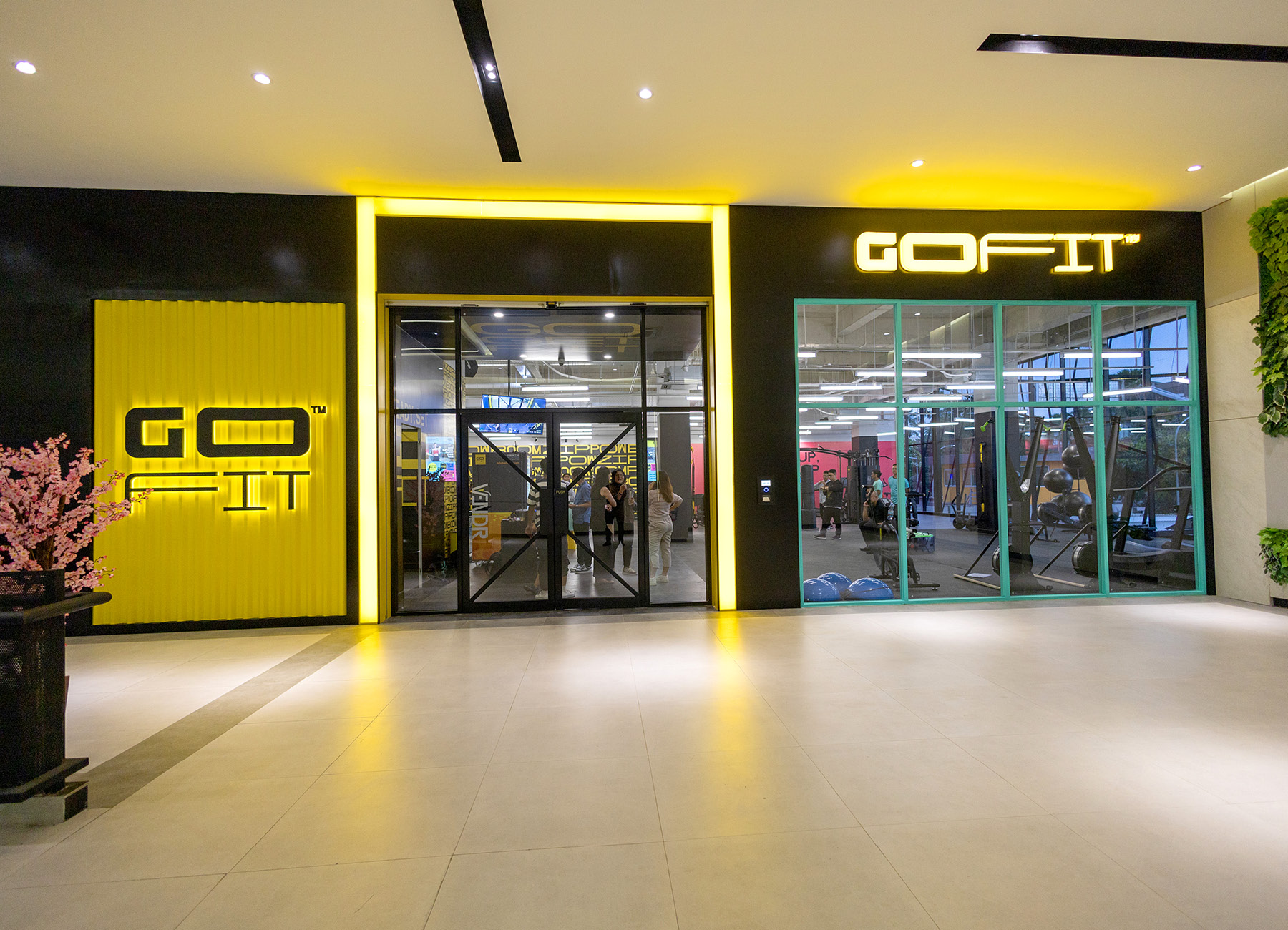
Now, with that restructuring complete, Evolution Wellness is back in growth mode – more specifically with its new GoFit brand, which Prosser describes as a “high-value, low-price” product.
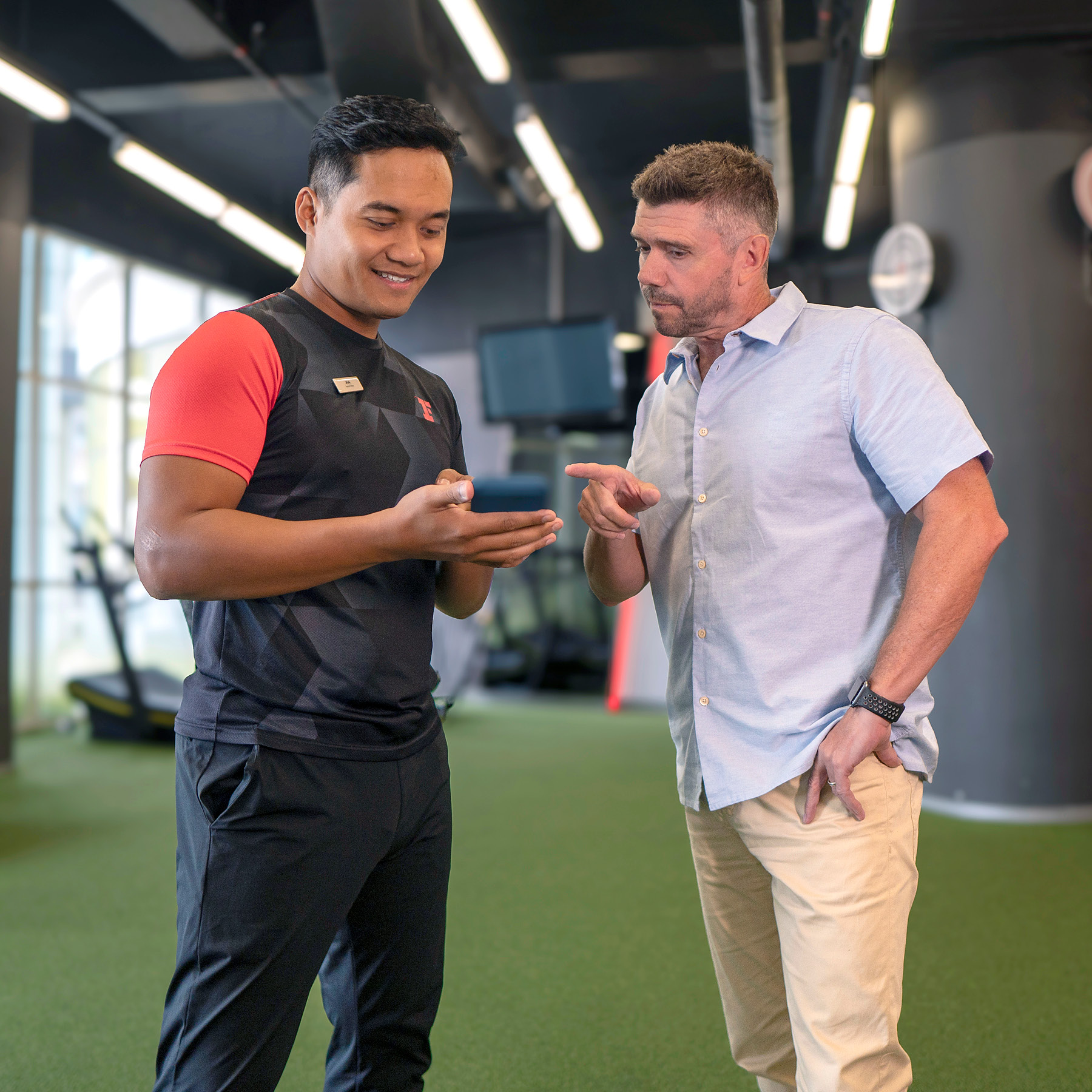
“We feel that our positioning and our competitive advantage comes through offering and building out great communities.”
The brand has four GoFit clubs in Malaysia and one more opening in late 2025, six in Singapore with one more opening in November, and four in Indonesia.
“We see most of the growth coming in that high-value, low-price sector,” Prosser reveals. “The GoFit model is very much a simplified offering.
“We’re able to bring in a price point, which is about 50 percent of what we would charge for the big-box full-service model. And its typical size, 500–600 square meters, means we can roll out this format much more quickly.”
The new offering rounds out Evolution Wellness’ portfolio, according to Prosser, with Fitness First at the premium end, Celebrity Fitness in the younger mid-range and now GoFit appealing to self-service, Gen Z clients.
“We call it fuss-free fitness. I think that tagline really captures exactly what we’re trying to deliver,” he says.
“We think that we could open a vast number of GoFit clubs and then we can start to aggregate our brands. This is something we don’t really see anybody else doing.”
Prosser compares the Evolution Wellness model to an airline with economy, business and first-class, expanding its opportunity to retain customers within the brand family for longer.
“We can offer that multi-tiered segmentation approach to fitness,” he says. “We can upsell and have people moving between brands as and when they feel their needs change or their price point or affordability changes.”

Community is key to this proposition, particularly in the aftermath of the pandemic, with the brands all drawing together their clients into one ecosystem of loyalty.
“We have multiple communities within our brands, within our clubs, but as we look at the changing global landscape and mental health challenges, we feel that our positioning and our competitive advantage comes through offering and building out great communities where people are supported and where like-minded groups can come together and achieve their goals collectively,” he reflects.
“So this is an important part of our brand repositioning all around communities and that’s a clear unique selling proposition for us.”
It’s not the only shift that has come about as a result of the pandemic. While industry awareness has improved, that has also brought with it an influx of new capital, which has rapidly changed the competitive landscape.
“That new money with new shiny equipment and more options for the consumer has meant we’ve had to adapt our model a little bit,” Prosser admits.
“We accept that we won’t ever have the membership number that we may have had pre-pandemic, but we can build our revenues in a different way and we can engage more.”
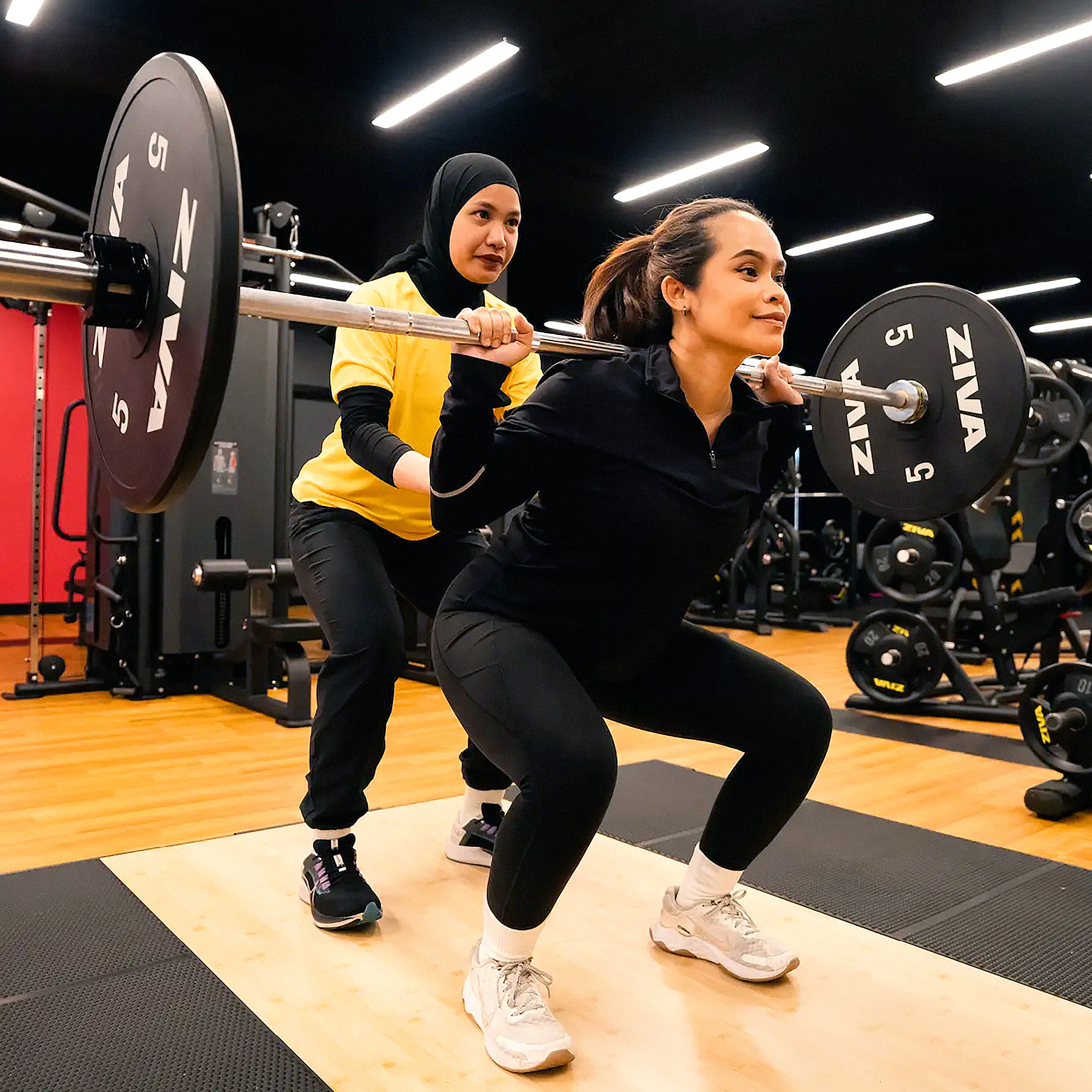
“It’s a much more highly engaged experience in the clubs.”
Evolution Wellness’ personal training (PT) business is a case in point, having evolved into a vital secondary stream.
“It’s a machine in terms of how we engage with our members,” he says. “We’ve introduced technology into the PT world in terms of evaluations, dynamic movement assessments and very highly personalized programming, which is all available through our app.
“We didn’t have that going into the pandemic, but we’ve come out of it with a much better tech stack in terms of supporting PT.”
Already, the PT business is bigger than it was going into COVID-19, even though membership levels have not yet recovered to pre-pandemic levels.
“It’s a much more highly engaged experience in the clubs,” Prosser stresses.
Next on the agenda is a sweeping enhancement of the company’s tech capabilities with partners like software provider Exerp. A new membership platform and mobile app were recently rolled out, which will make integration between the various brands possible.
Adding a new layer of flexibility for a less committed younger generation is also part of the strategy, with the introduction of Fit Pass, a new class credits scheme. AI is also playing a role, with AI sales agents currently being trialed in Singapore.
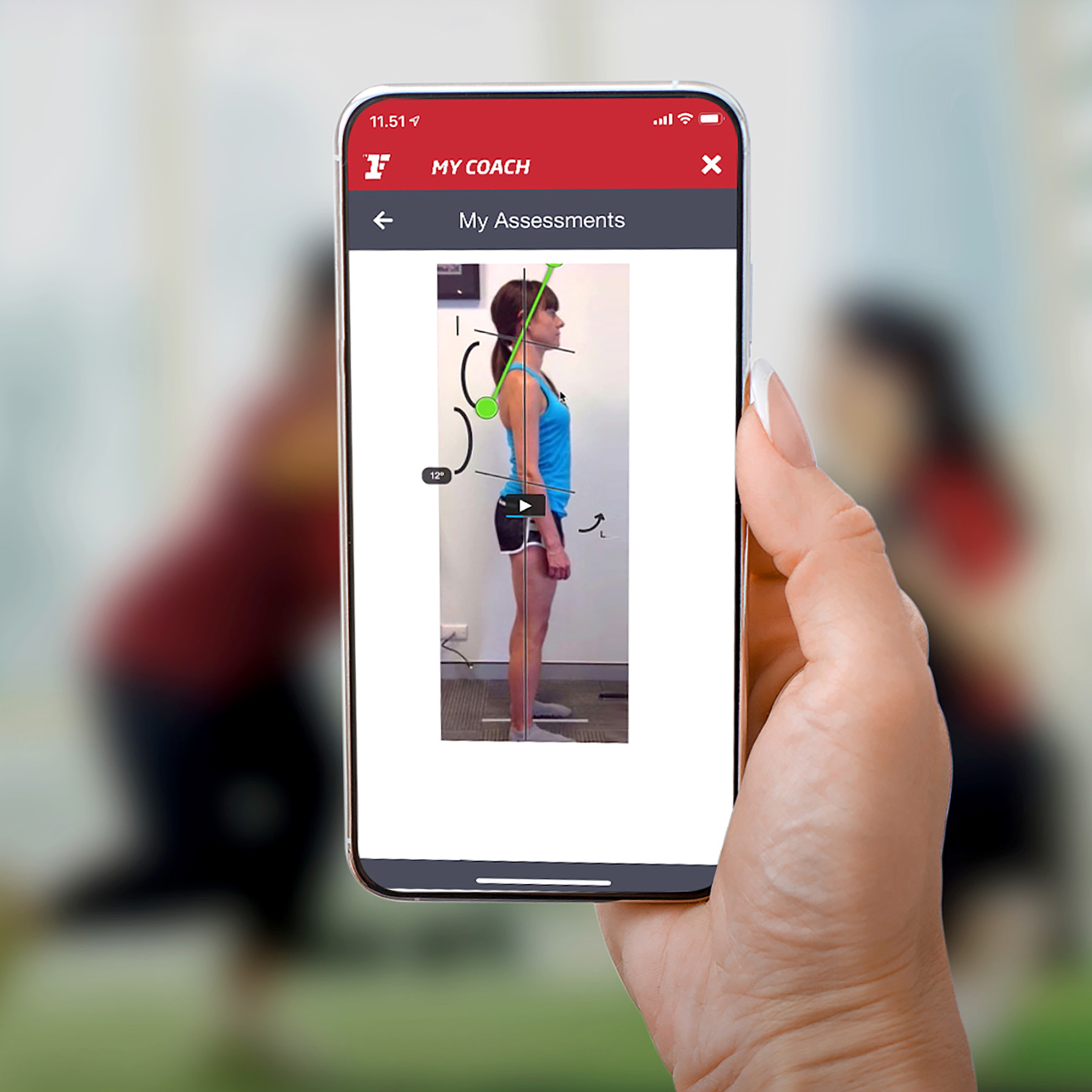
“Digitalization, hyper-personalization and AI are supporting some of those advances in what we can offer.”
The initial signs are positive, with the tech generating an increase of around 60 percent in traffic to the clubs for appointments, Prosser reveals. An AI-powered nutrition monitoring capability for the app is also being tested.
“Digitalization, hyper-personalization and AI are supporting some of those advances in what we can offer, but never taking away the personal touch points within the gym,” he concludes.
“There’s an awful lot of change and that’s all around positioning us for the next phase of growth.”
 RELATED ARTICLES


 Home
Home
 Podcasts
 Covers
 Be Featured
 Community