Language
You can read the magazine in one of the following languages

5-min read

 Bookmark now

 Copy Link
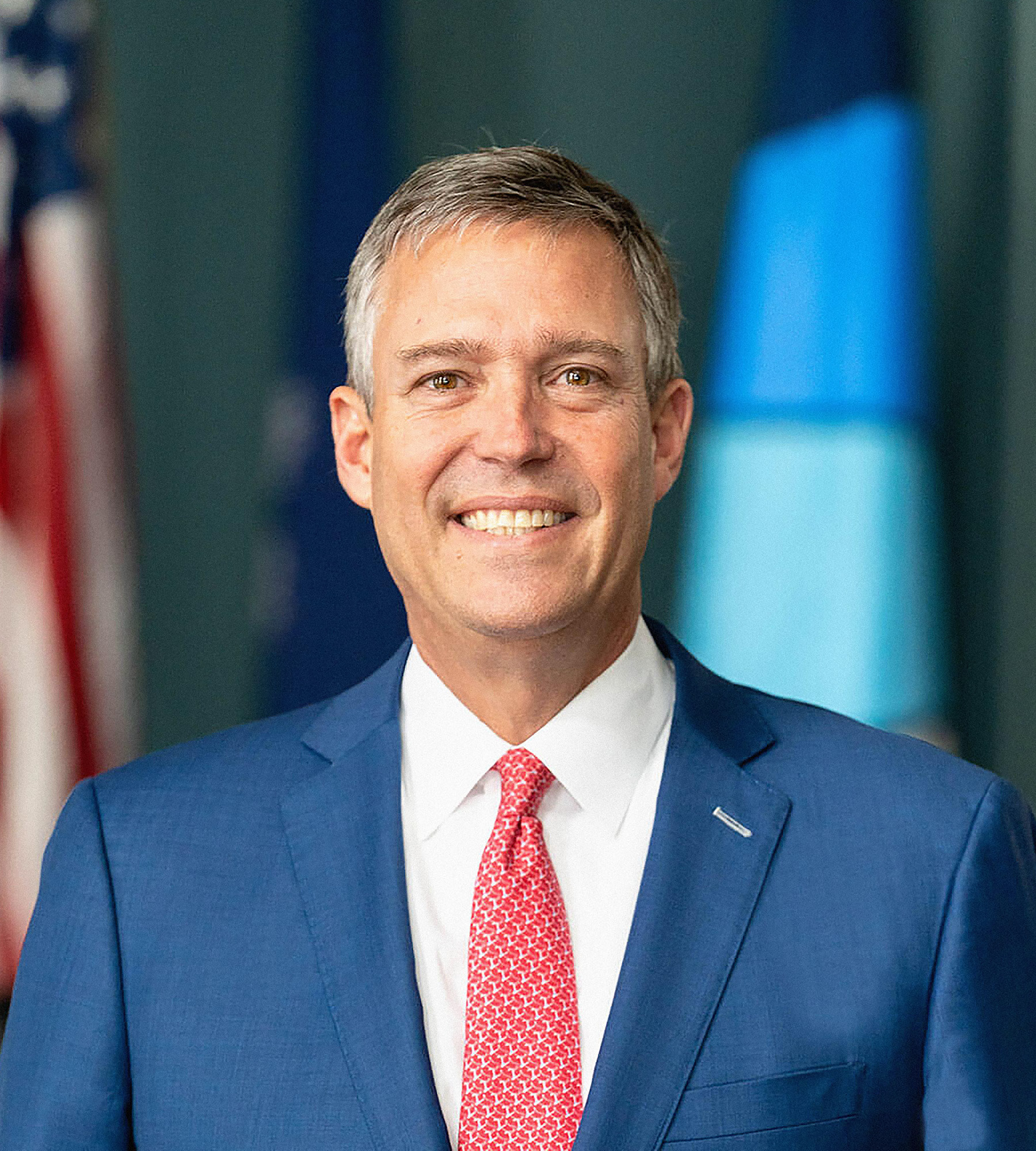
It was while breaking bread around the dinner table that Daniel Rickenmann was dared to run for office – a challenge that would change the course of his life.
As a restaurant owner in Columbia, South Carolina, he had become a vocal advocate for the small business community, speaking out on a range of issues. But he had become frustrated with the lack of cooperation from the local government.
“Somebody said, ‘Quit talking about it. Do something about it. Run for office.’ So I did,” he tells The CEO Magazine. “I joined at the last minute, and I ran for an at-large position here in the city against an 18-year incumbent, and I won.”
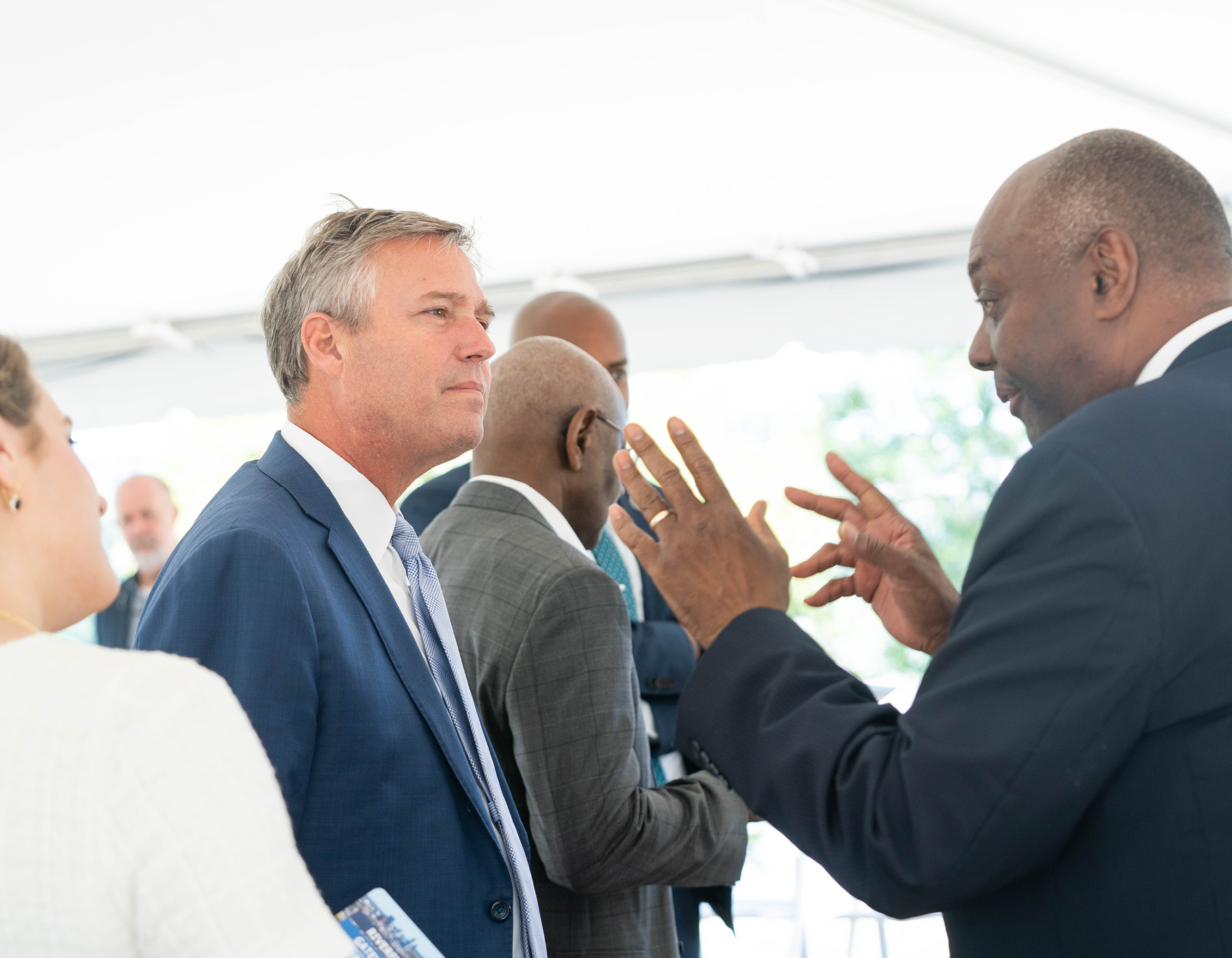
“Somebody said, ‘Quit talking about it. Do something about it. Run for office.’ So I did.”
After 12 years of dipping in and out of council, he decided to go for the position of Mayor.
“This was a real opportunity for me to take everything that I’d learned and really kind of change our direction, looking at it from a different perspective,” he shares. “Because for the last 60 years, every mayor had been a lawyer. I’m the first small businessperson in over 60 years to be mayor in our community.”
Rickenmann was elected as the 71st Mayor of Columbia, South Carolina, in November 2021 and was officially sworn into office in January 2022. Upon taking office, he immediately set about determining how the council could become more business-friendly by listening to the business community, the developers and everyday people to discover what hurdles they
faced.
“And what we learned is a lot of what the business community was complaining about, our staff knew, but nobody had actually taken it to the next level,” he says.
“It was really our own processes that were causing the problem. So we started with business-friendly initiatives, changing processes to make it a lot easier for people to do business and obtain permits. We took some hurdles out of the way.”

Encouraging the city’s entrepreneurial spirit was a major focus, with Rickenmann keen to build stronger relationships between its business incubators, tech incubators and the local educational institutions.
“Columbia is very blessed to have six colleges and universities. We have over 60,000 college students here at any one given time, and that generates patents and research opportunities,” he says. “By bringing those into the community, partnering up with other businesses to really grow and help feed those businesses, they hire here, stay here and become part of our community.”
The city also has a strong military presence, with the largest training base for the United States Army located there. That’s great for the city from a visitation standpoint and is also worth around US$6.7 billion to the local economy.
“About seven out of 10 families that are retiring from the military through this training base are staying in our community. So that is a trained workforce that we can take advantage of,” Rickenmann says.
“We have every level of workforce, from manufacturing to technology to why we’re pursuing cybersecurity and other industries to bring them here to take advantage of this workforce that we have.”
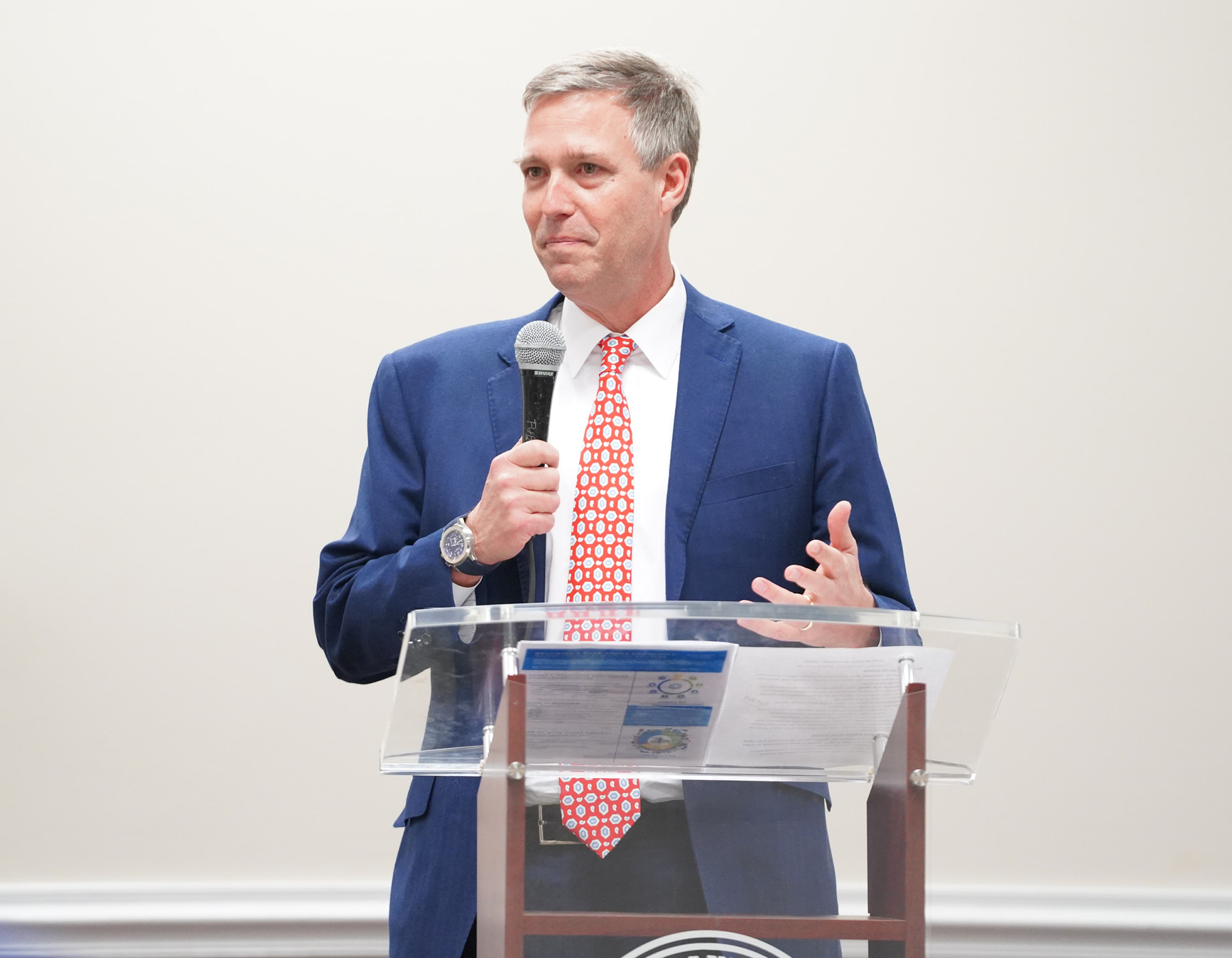
“I’m the first small businessperson in over 60 years to be mayor in our community.”
For a city once reliant on banking and insurance, innovation and cybersecurity are now seen as immense opportunities. Scout Motors recently landed in the community where it will be building an SUV and truck in both a hybrid and EV version.
“We have become kind of a center of research as well because of what’s been blossoming out of the university,” Rickenmann says.
“We have a group that’s working on small containerized nuclear reactors and a group that is focused on what we call containerized hydrogen cells, not only for automotive but also for backup, so for generators, cameras and universal use. And we actually have a hydrogen fueling station that the city owns that these research groups use as part of their proving ground.”
Swiss battery company PHENOGY has also recently chosen Columbia as its United States headquarters after a six-month evaluation of south-eastern American cities.
“We’re very excited about these continual growth opportunities here,” Rickenmann says. “But we also have a lot of what I would call logistics and back office here – a lot of companies that focus on providing support for larger companies, the insurance industry, the defense industry and software development.”
There are already several companies that focus solely on defense software that are located in the city, and so he sees a great opportunity in partnering with the military, the University of South Carolina and international companies to build a ‘cyber range’ – a digital training ground for practicing cybersecurity.
That would include incubation, small business and landing pads for other companies to come as well as a training opportunity.

“Right now, there’s about 2.3 million jobs available in cybersecurity in every range,” he says. “So what’s great about these collaborative efforts is that we have multiple unit colleges and universities here that have a cyber program in their undergrad, but we also have a cybersecurity program in the law school that’s based here as well.”
Tourism is another major pillar for Columbia, thanks to its location less than two hours from the beach in one direction and the mountains in the other.
“You’re really in the center of the South here,” he points out. “There’s at least 40 things happening in our city every day, from art shows to cultural events to music to impromptu events in our streets. If you want to have a good time, come visit us.”
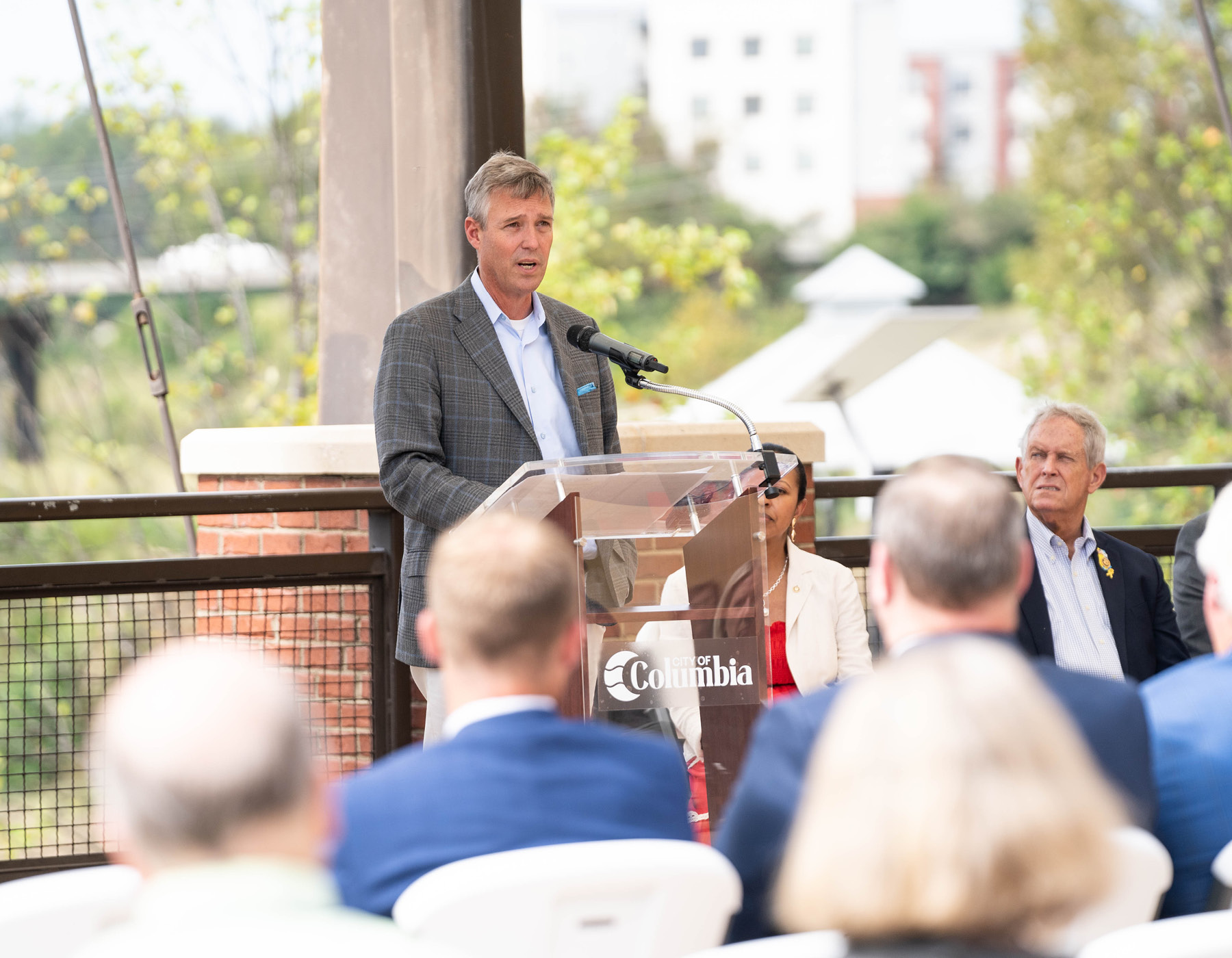
“We got folks in the city to understand that we’re not providing a service, we’re providing customer service. And I think that’s going to be our legacy.”
Indeed, travel runs in Rickenmann’s veins, with his parents having moved across from Switzerland in the 60s, bestowing upon him a global perspective.
“I bring a lot of that perspective to our city, which helps us look at things from a different angle, a different lens,” he explains.
Part of that has been changing the mindset about the role local government plays.
“We got folks in the city to understand that we’re not providing a service, we’re providing customer service. And I think that’s going to be our legacy because it’s changed the way our employees interact with the citizens, the way they interact with businesses,” he says.
 RELATED ARTICLES


 Home
Home
 Podcasts
 Covers
 Be Featured
 Community