Language
You can read the magazine in one of the following languages
6-min read

 Bookmark now

 Copy Link
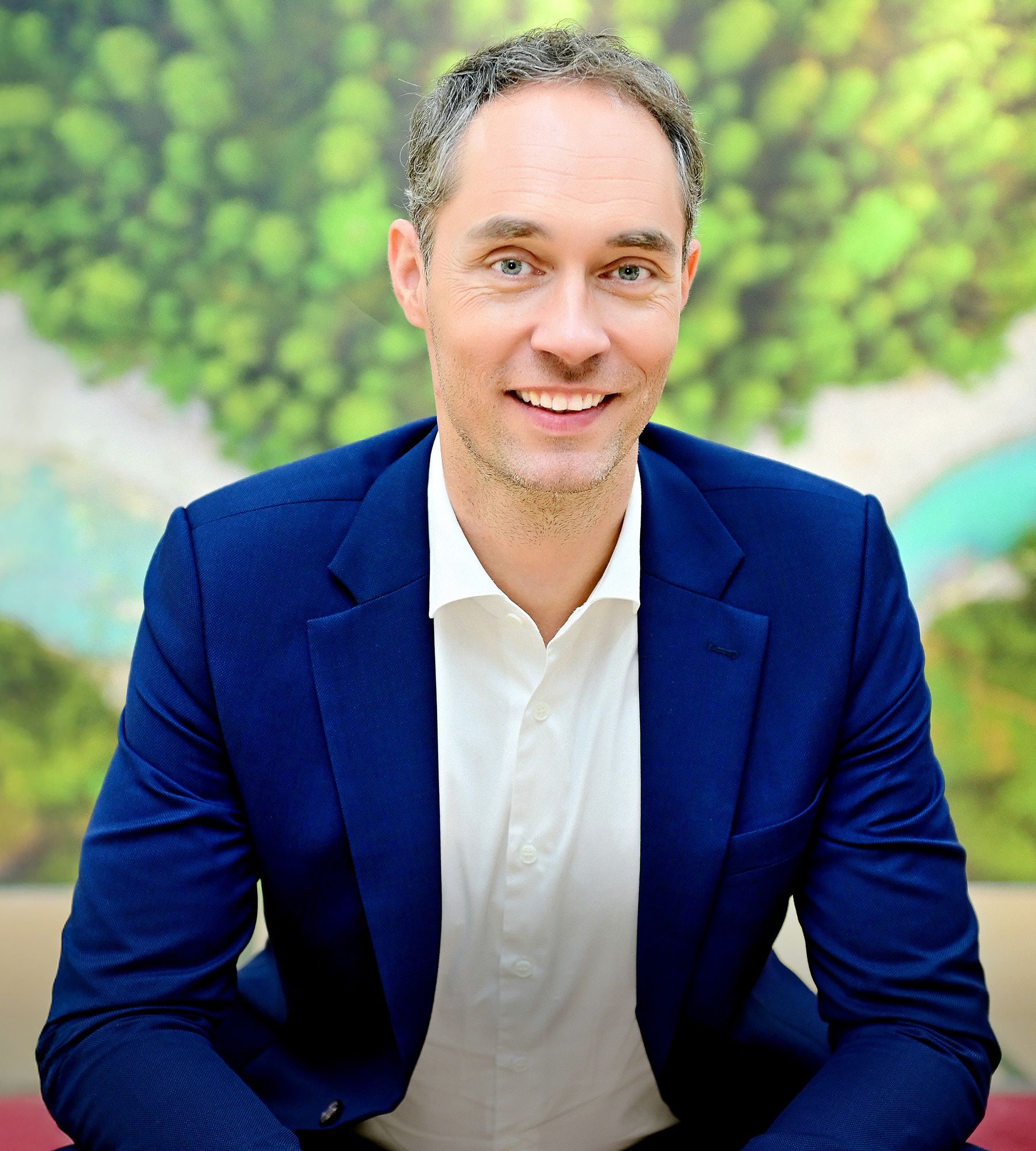
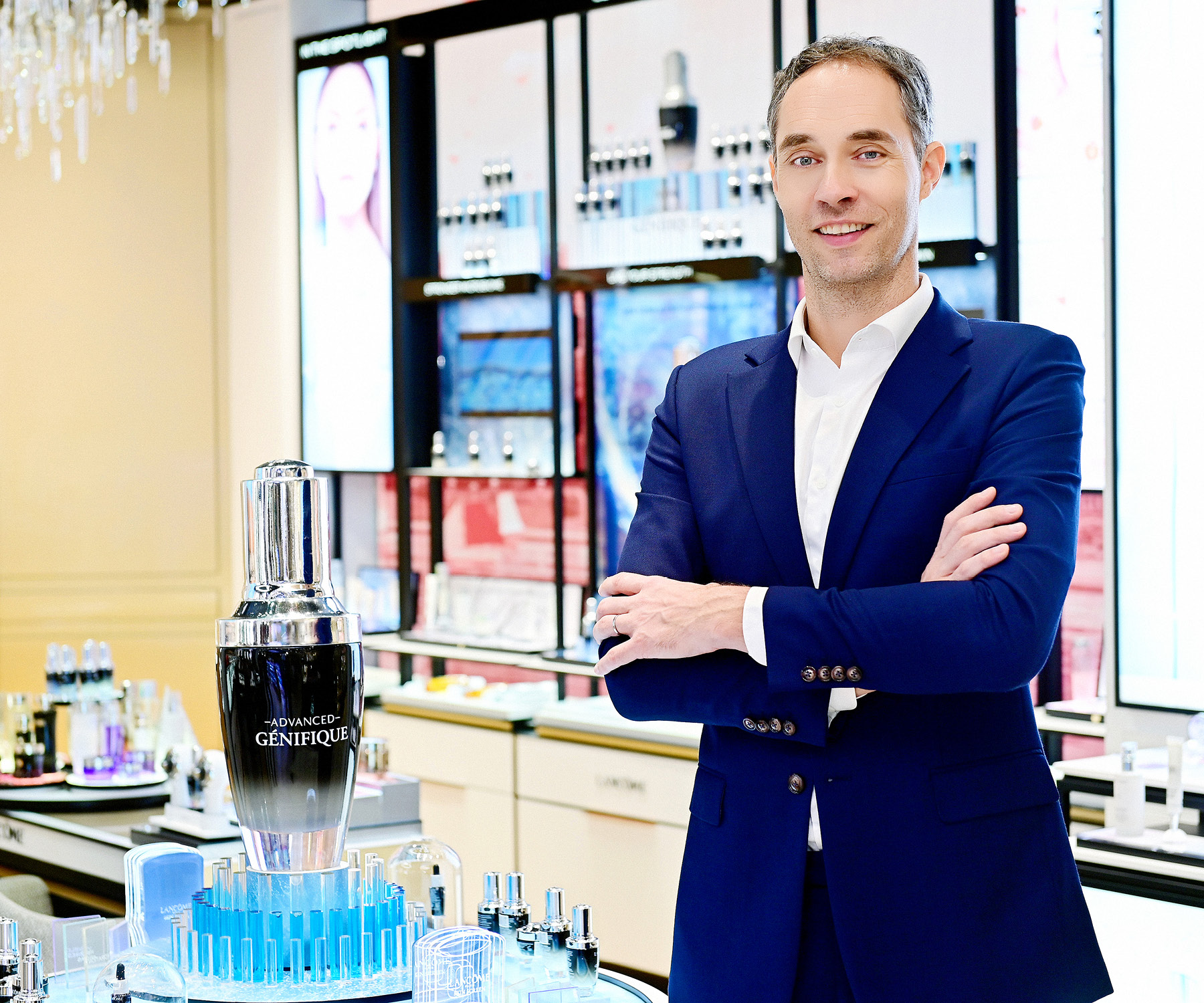
Benjamin Rachow’s 19-year journey with beauty giant L’Oréal has taken him to far-reaching corners of the globe – Germany to Kazakhstan, France to Kenya – working in different roles with different teams each time.
Starting in finance before moving into sales, product management, then marketing, and ultimately ending up as the Country Managing Director of Vietnam in 2022, Rachow has had an utterly diverse experience of this wide-reaching company.
“It’s the cultural richness that makes this journey so interesting to me.”
“I never planned by country; I planned by the responsibilities and roads I wanted to take,” he tells The CEO Magazine. “I like to be entrepreneurial, I like to seize what starts, as we say at L’Oréal.
“So I was very blessed to go to these countries and experience different management and leadership styles in each place. It’s the cultural richness that makes this journey so interesting to me.”
A key learning moment for Rachow was when he began his role as Business Development Manager of Consumer Products Division for Central Asia and Mongolia in 2011.
“I was given a brief introduction from my boss, and then they said, ‘Here are the keys, here is your visa, here is the first campus you have to go to. Please build up something,’” Rachow says, laughing.
“So after being in Germany, where things are so organized and planned, suddenly I was in an environment where I had to think of everything myself and build my own master plan.
“This is something that I really appreciate, especially as Country Manager now in a very dynamic market; it helps me to sit down and think about how we can do things next. I don’t need to wait for bigger directions, I can take this.”
Seeing firsthand the extensive array of options when it comes to management styles, systems and modes of operating has made Rachow an invaluable, adaptable leader – one who is always open to trying a fresh approach.
“In Kazakhstan, I learned there is a lot of communication that plays between cultures, which are not the same that you would expect in your home country,” he explains.
“Then I learned it again in Kenya, which helped in my move to Asia, because people tell you, in particular when you’re in South-East Asia, that there are a hundred different smiles, and every one of them means something different. That helped me to be humble, step back, to decode, to understand, to ask twice and not make quick assumptions or decisions too early.”
Established in 2007, L’Oréal Vietnam set the standard and in many ways shaped the beauty industry of the country. L’Oréal has launched 14 out of the Group’s 36 iconic international brands in the Vietnamese market, tailoring the offering to suit demand.
What makes L’Oréal Vietnam a different beast to the other countries Rachow has worked in and managed is the rapidly evolving beauty market in the region.
Explaining that the overall income and wealth of consumers in Vietnam is increasing, Rachow notes that more disposable income will be available to spend on beauty products.
“We see that year over year, we can expect 2.5 to three million new consumers coming into our addressable target group,” he reveals. “Plus, there’s more education on how to use the products, which will increase demand.
“Today, our role is not just to sell products and create innovations, but also to give customers an understanding of what beauty can do and how they can use beauty to make their life better.
“That’s where social media is helping us a lot, and we are also able to rely much more on local influencers – key opinion leaders who can explain this to their followers in a very authentic way.”
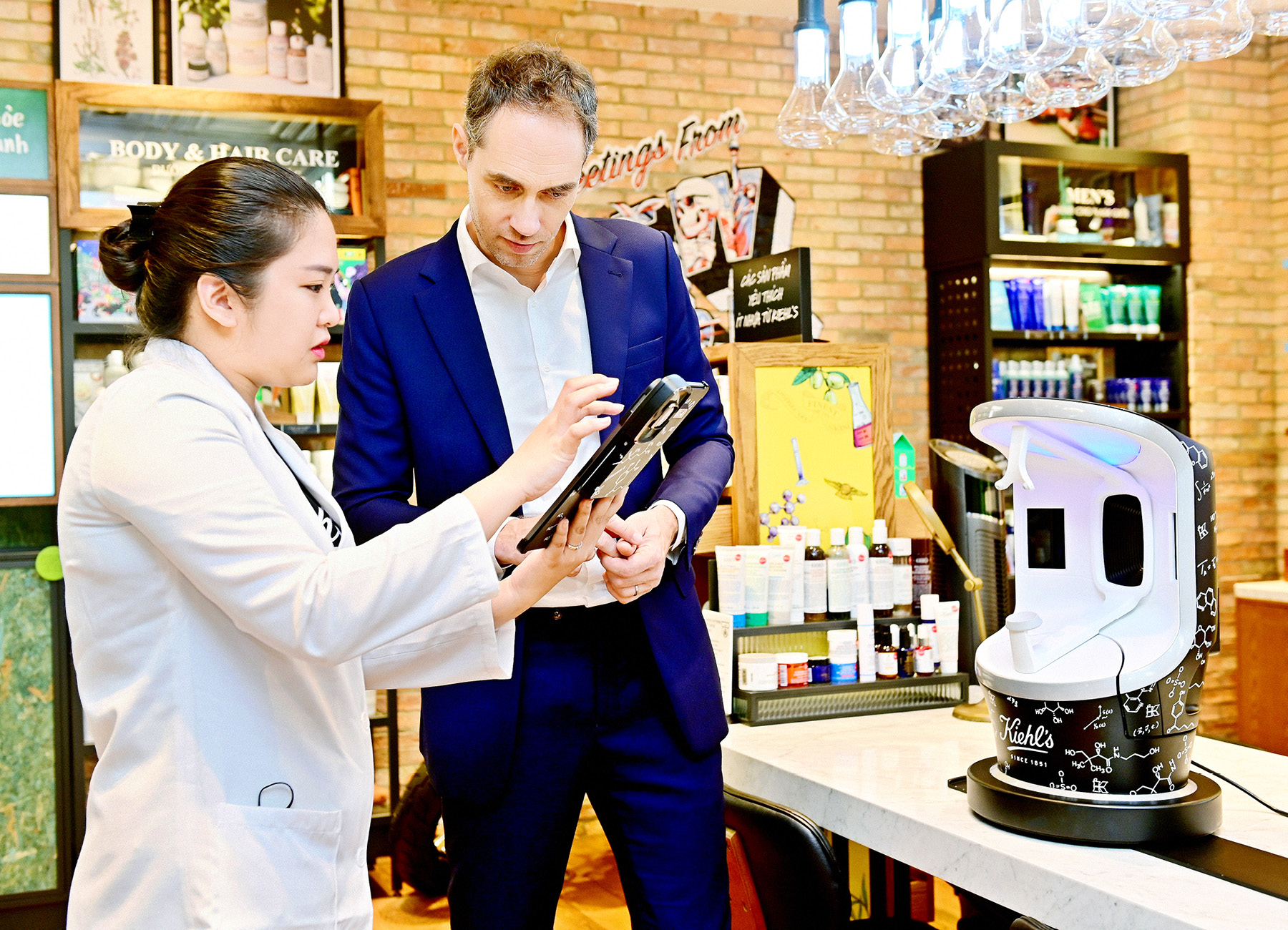
“Our role is not just to sell products and create innovations, but also to give customers an understanding of what beauty can do.”
Social media is just one of the major ways that digitization is helping L’Oréal Vietnam engage with their audience and improve processes. Another is the utilization of AI.
“When you look at the way you plan your business, if you understand that today we are selling to millions of customers – because we are selling directly to them – to manage this, you need some AI-powered forecast modeling,” Rachow says.
“You need AI-powered demand modeling. So that’s what we use today. It also allows us to scale the business and keep productivity at the right level.”
While growth for any organization is undeniably a positive, it doesn’t come without challenges – particularly when it comes to a market that is expanding as rapidly as Vietnam.
“The faster it grows, the more you have to make sure that you can keep up with that growth,” Rachow says. “It’s about bringing the two business models together – the ecommerce and the brick and mortar – and making sure that for each of them we have the right supply chain strategy and we’ve taken the best learnings from the other countries around us.”
An essential part of L’Oréal Vietnam’s ongoing focus is a conscious effort to keep improving when it comes to sustainability.
“We try to put sustainability always in our consumers’ hearts,” Rachow enthuses. “We want to make sure that we enable and empower consumers to make sustainable choices.”
From refillable products to eco-friendly or recyclable packaging and ensuring a close working relationship with suppliers and partners, L’Oréal Vietnam ensures they are continually taking steps in the right direction.
“We encourage hairdressers to reduce use of water, and explore ways we can use different methods of transport – for example, sea freight over air freight,” he explains.
“We also give back in many different programs – we were the first country to launch Beauty for a Better Life, which takes women from situations where things have not been easy and train them to become a hairdresser or open their own salon. We’ve done this for 15 years, and have trained more than 20,000 women already.
“That’s a full ecosystem that we develop as the number one beauty company in the world.”
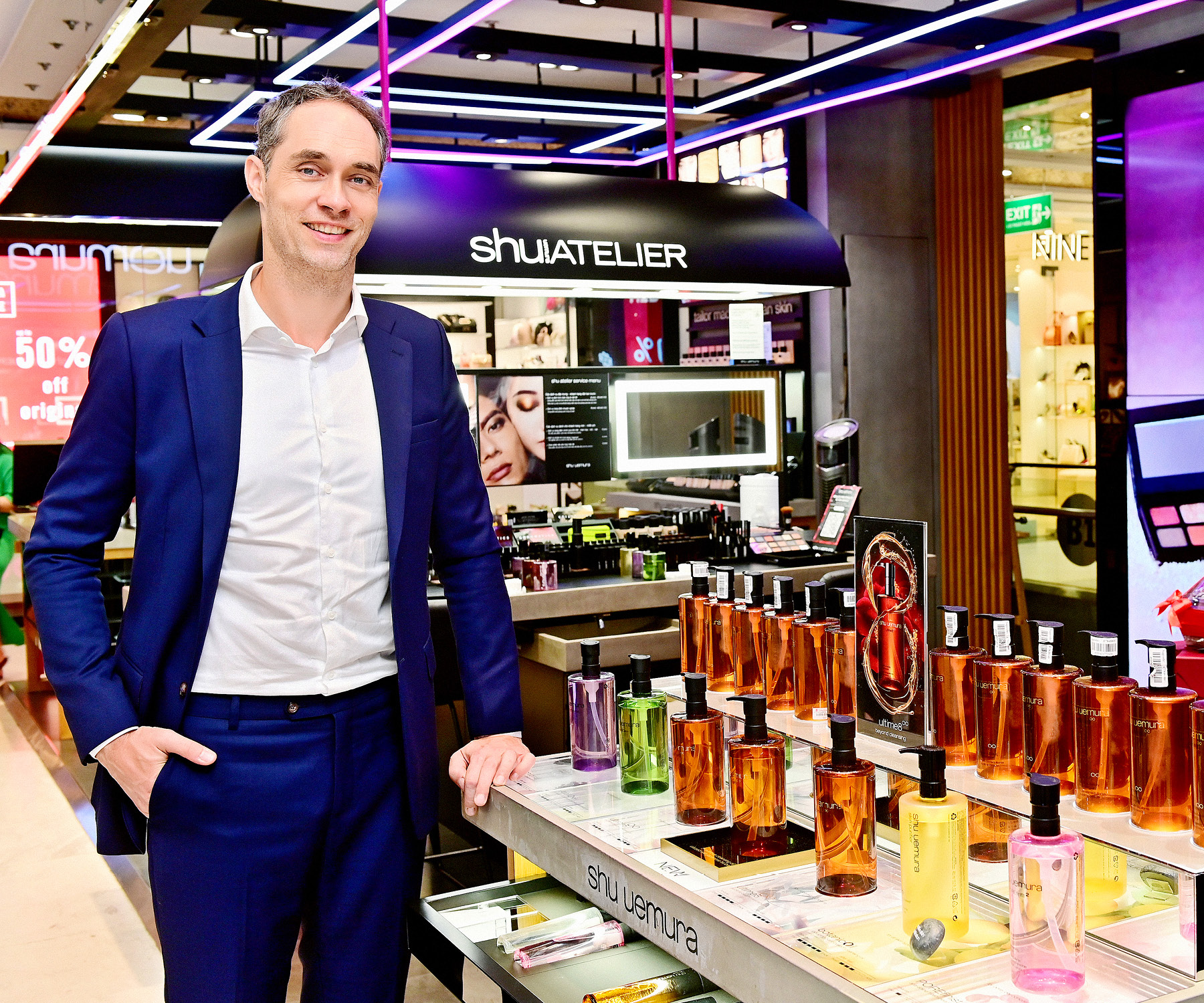
“We want to make sure that we enable and empower consumers to make sustainable choices.”
An integral part of the immense L’Oréal ecosystem are the partners that the business is reliant on in myriad ways.
“We are working with media agencies – such as leading communications group Publicis Groupe Vietnam – who are helping us to connect with the right media, to find the right target audience,” Rachow says.
“So many digital channels have emerged, so together with media agencies, we are cracking the codes of the market to see how we can better connect to our consumers.
“This is the way we are building the companies of the future – keeping our competencies in-house, and trusting and relying on partners who bring something to the table that is better, faster and more efficient than we could ever do. You need this agility.”
Indeed, with a market that is evolving at “light speed”, to use Rachow’s description, it’s essential to make the most of collaborative, mutually beneficial relationships.
“The rules of the game are changing so quickly,” he concludes. “Especially in a place where things don’t exist yet, you have to innovate together, you have to brainstorm together.
“The good thing is, when you have strong systems around you, strong ecosystems that you’ve developed and can connect to, and trust, then you can be left to make the magic. And then this magic helps you bring it up to the next level.”
 RELATED ARTICLES


 Home
Home
 Podcasts
 Covers
 Be Featured
 Community