Language
You can read the magazine in one of the following languages

6-min read

 Bookmark now

 Copy Link
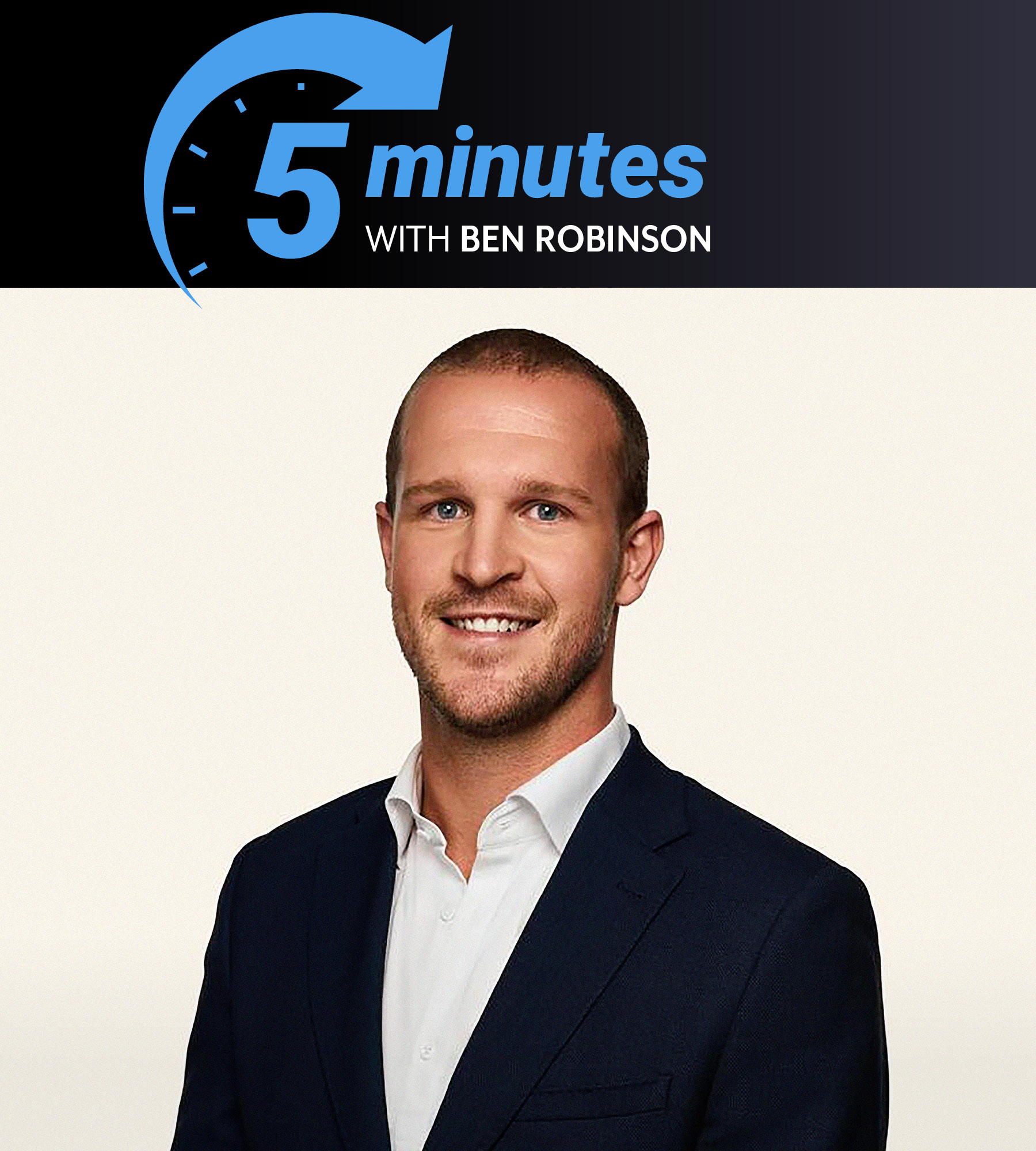
One look at Ben Robinson’s credentials will tell you that he’s always up for a challenge. As he now strives to make Flint the leading brokerage business in Australia, the Director and newly appointed Equity Partner is going back to basics: “The next chapter is about scaling while staying true to the fundamentals – relationships, discipline and long-term thinking.”
In this conversation with The CEO Magazine, Robinson shares what an eclectic career path has taught him about leadership, how discipline translates into business performance and why genuine growth goes beyond numbers on a financial statement.
What experiences most shaped the way you approach business today?
I’ve had a pretty varied start – sailing, working as a jackeroo, living in environments where you quickly learn that effort and attitude matter more than titles. I have a Bachelor of Commerce degree, majoring in accounting and finance, from the University of Newcastle, where I also did professional sailing, including helping to set up the youth sailing academy at Newcastle Cruising Yacht Club.
Those early years taught me resilience, humility and the importance of showing up properly, even when it’s uncomfortable. Regional work especially gives you perspective – people value trust, consistency and doing what you say you’ll do. I bring that into business now. Finance can be complex, but the principles are simple: work hard, stay grounded and always take the long-term view.
What lessons from those moves helped you create success?
I started out in an accounting role before transitioning to brokerage, and I run a farm in addition to the brokerage business. Moving across cities and industries forced me to adapt quickly. You learn how to build relationships from scratch, how to listen before you speak and how to earn credibility through actions, not words.
Each move taught me that success isn’t about the market you’re in, but more about the standards you bring. Whether you’re working with farmers, business owners or young professionals, people want the same thing: clarity, honesty and someone who can guide them with confidence. That mindset has helped me build momentum wherever I’ve been.
How does discipline translate into performance in business?
Health and mindset are everything for me. Ice baths, Wim Hof, daily reflection, exercise every morning – these routines aren’t about being extreme, they’re about building discipline. Business is pressure, uncertainty, long hours and constant decision-making. If you can train yourself to stay calm in discomfort, you become far more consistent as a leader. My 4.40am to 7.30am is preset every day and is my non-negotiable to show up the best way I can. We do ice baths as a team because it builds connection and standards. Many of the team are engaged in this and now understand the benefits.
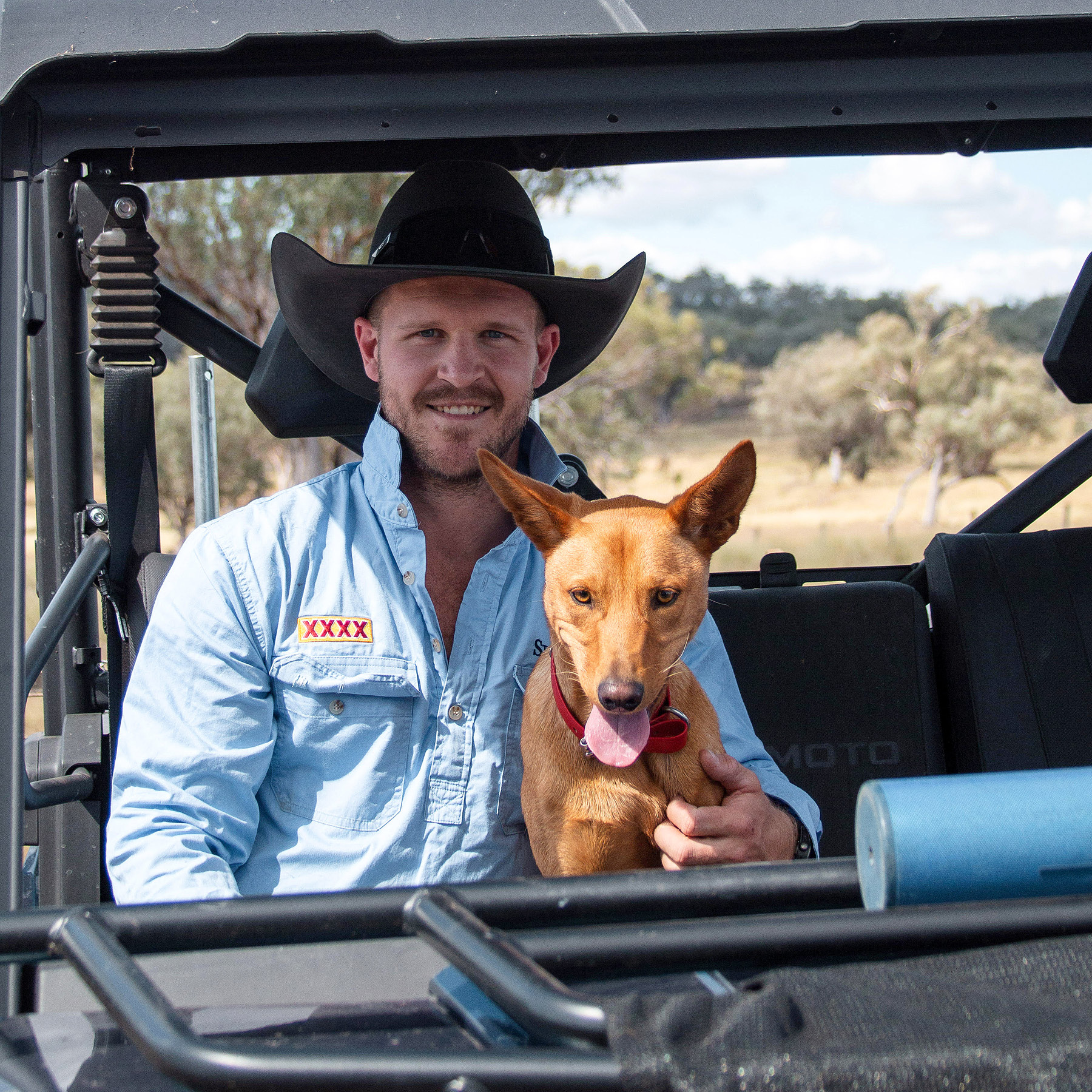
“Regional work especially gives you perspective – people value trust, consistency and doing what you say you’ll do.”
It’s a reminder that high performance comes from doing the hard things daily, not chasing motivation when it suits you. I am also doing 12 months off alcohol. Last year, I did three months and this year I am taking it further. This is with both personal and business outcomes in mind, and helps with clarity and consistency at a high standard.
Why do you see Newcastle as such an exciting place to build a business right now?
Newcastle is Australia’s biggest city outside the major metros and the opportunity here is enormous. You’ve got population growth, infrastructure, strong industry and a client base that includes families, investors, business owners and regional operators. The professional services in Newcastle are also exceptionally strong.
What excites me most is that it still has that community feel and relationships matter here. If you deliver real value, people back you. I genuinely think Newcastle is one of the most underappreciated business markets in the country right now, and it’s only just getting started.
Flint has seen impressive growth this year. What has driven that growth?
The growth has come from consistency and trust. When you focus on strategy first, communicate clearly and care about outcomes, momentum builds quickly.
The business has evolved into something far more structured than traditional broking, with strong credit and operational support behind the scenes. That allows our brokers to stay focused on advice and clients, rather than just transactions. It’s been exciting to be part of a platform that’s scaling properly, with the right foundations underneath it. This platform is part of our national expansion for Flint as a wider business.
Why was it important to create a solution that works from both sides of the transaction?
Development funding has always been fragmented. Developers are supported on one side, buyers on the other, and no-one owns the full picture. Supporting both sides creates a much stronger ecosystem. It reduces friction, improves certainty and allows projects to move faster with better outcomes for everyone involved.
When you understand both sides of the deal, you can structure funding with a longer-term lens. You’re not just arranging finance – you’re helping deliver projects and supporting real growth. This is a focus on finance for investors and households, along with assisting developers in getting projects off the ground.
Why do you think so many business owners and investors are still underserved?
In most cases, they aren’t underserved because of lack of access to finance; they’re underserved because they lack strategic guidance. Lending is too often treated as a product instead of a long-term wealth-building tool. People want someone who understands structure, cash flow, tax, growth plans and risk, not just rates.
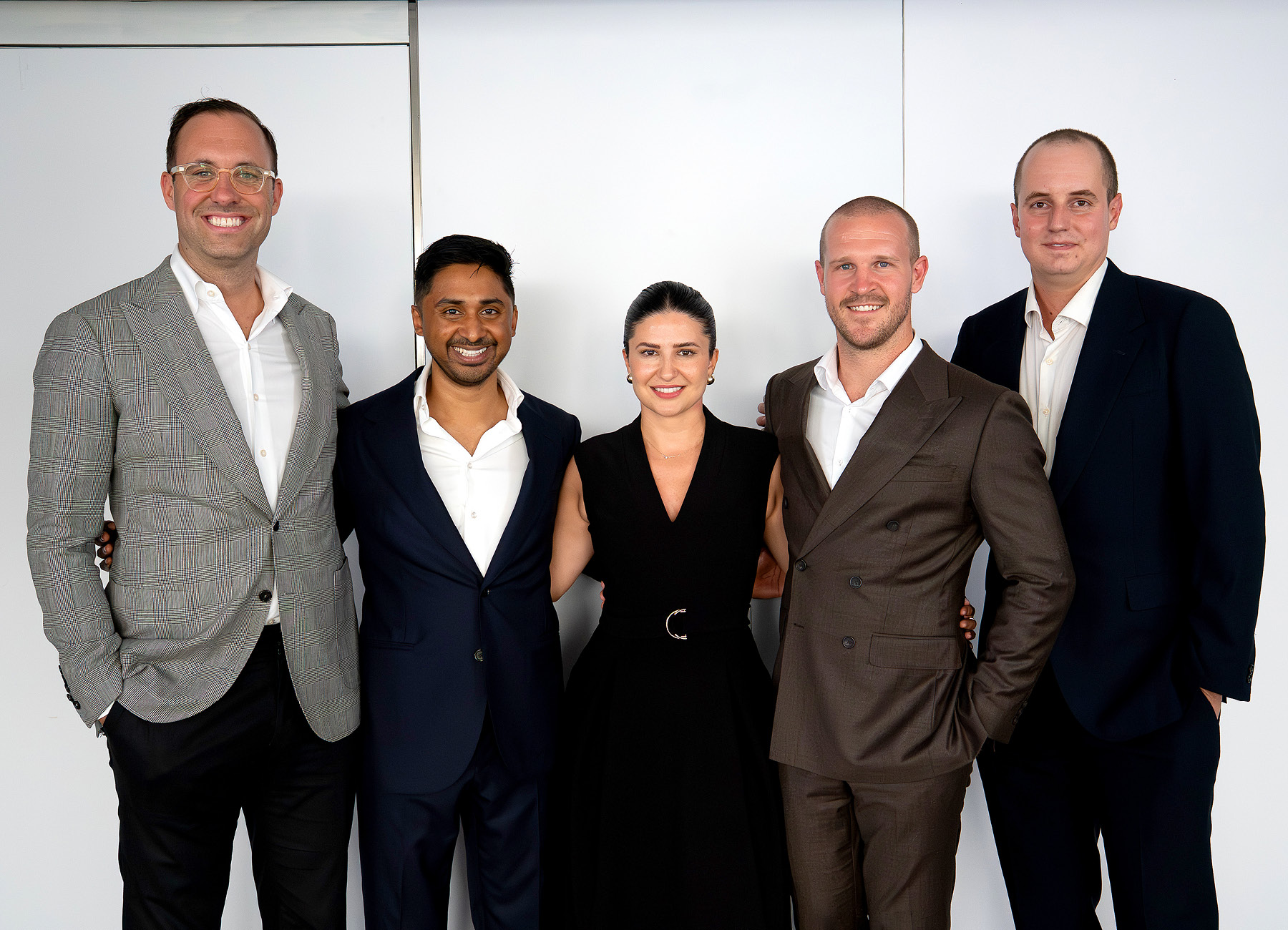
“I am my own harshest critic and my team follows in my footsteps in striving for excellence everywhere we focus our attention.”
The broker’s role should be closer to an advisor – helping clients plan ahead, make better decisions and build wealth over time. That’s where the real value sits, especially in regional markets.
How does proactive planning change outcomes compared with traditional brokerage?
It changes everything. Traditional brokerage and banking are often reactive – a client needs something urgently and the broker or banker scrambles to find a solution. We work differently.
By collaborating early with accountants, financial planners and solicitors, you can structure lending months in advance, reduce risk and create far better options. Clients avoid bottlenecks, approvals are smoother and the strategy aligns with their broader goals that are already predetermined. Proactive planning turns lending into a long-term advantage rather than a short-term necessity.
What kind of culture and opportunity are you trying to build to attract top talent?
We’re trying to build a culture where high performance and genuine support coexist. Demand is growing because people want more than just a job – they want development, mentorship and the chance to be part of something meaningful. The opportunity is to build a business where brokers can operate at an elite level (the top 0.1 percent of the industry), backed by strong systems and a team around them. That’s what attracts ambitious brokers, bankers and young professionals. People want to grow in an environment where standards are high and the mission is clear.
What’s your long-term vision and legacy?
The long-term vision is to build the leading brokerage business in the country. We have the framework and now it’s time to keep executing. For me, legacy is about impact – helping clients create financial freedom, developing great brokers and building something that genuinely lifts the standard of advice at scale. Growth matters, but only if it’s built on trust and excellence.
I am my own harshest critic, and my team follows in my footsteps in striving for excellence everywhere we focus our attention. I want to look back and know we built something that lasts, something that people are proud to be part of and something that made a real difference in the communities we serve.
 RELATED ARTICLES


 Home
Home
 Podcasts
 Covers
 Be Featured
 Community