Language
You can read the magazine in one of the following languages

5-min read

 Bookmark now

 Copy Link
Long known for its blue skies and beaches, Miami has evolved into a global city with thriving neighborhoods, a booming economy and an ever-expanding arts and culinary scene.
Outgoing Miami City Manager Arthur Noriega, who has held the role since 2020, says nothing makes him prouder than the mark he has made on the landscape throughout his long career.
His most successful projects include leading the conversion of a historic 1920s building into a sleek city center apartment block while working for a real estate asset management firm; overseeing early-stage planning for public–private partnership projects such as Miami’s Central Business District and Coconut Grove during his 20-year tenure as CEO of the Miami Parking Authority; and, more recently, the bigger neighborhood renewal projects, such as the 53-hectare Miami Freedom Park precinct set to open in 2026.
“My DNA’s in it,” he tells The CEO Magazine. “I can drive around the city and see projects that I have done, especially those neighborhood-changing projects that have changed the city’s trajectory.
“A lot of those are going to be there for my children and grandchildren to experience, so to know I played a role in that is rewarding.”
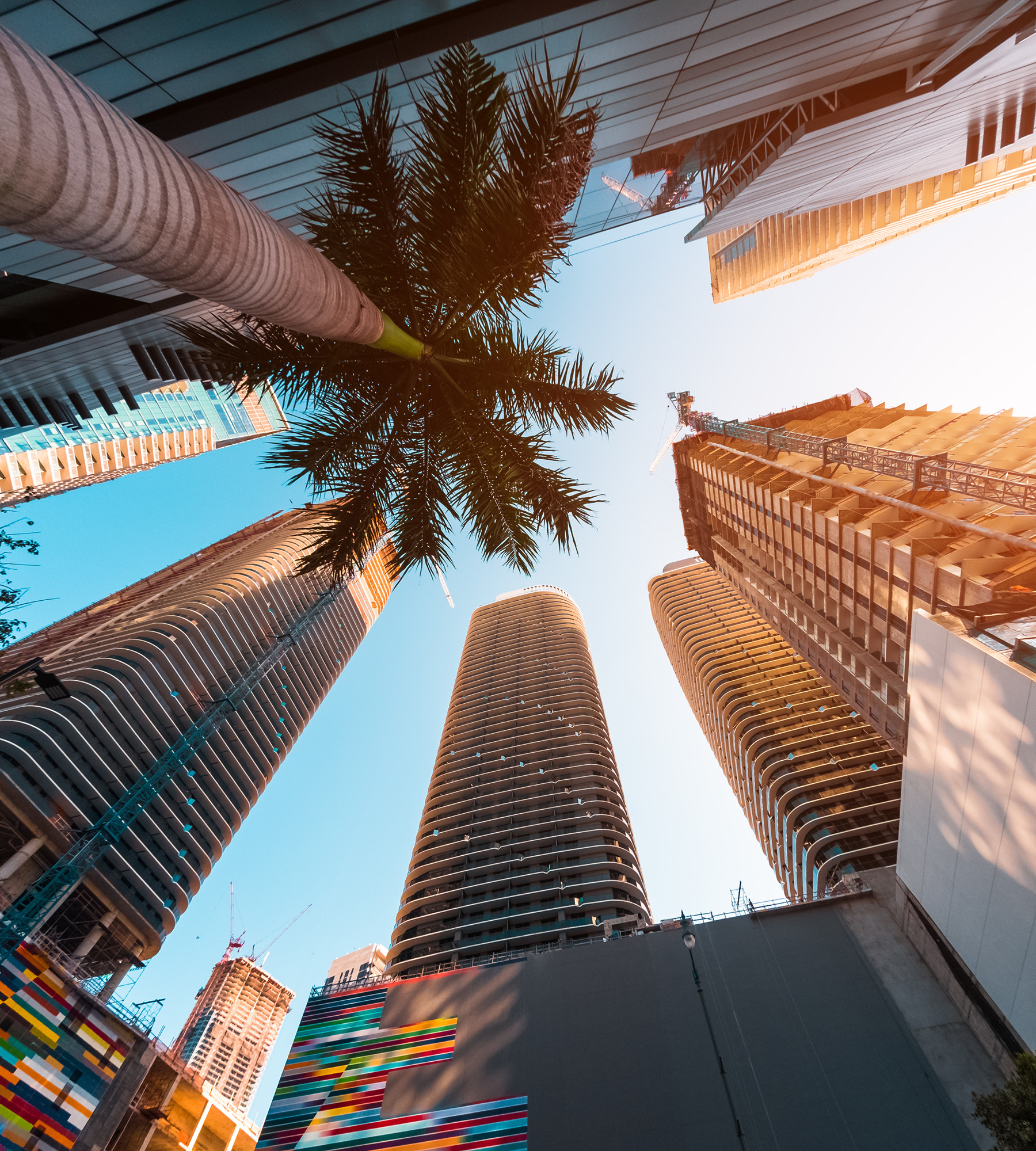
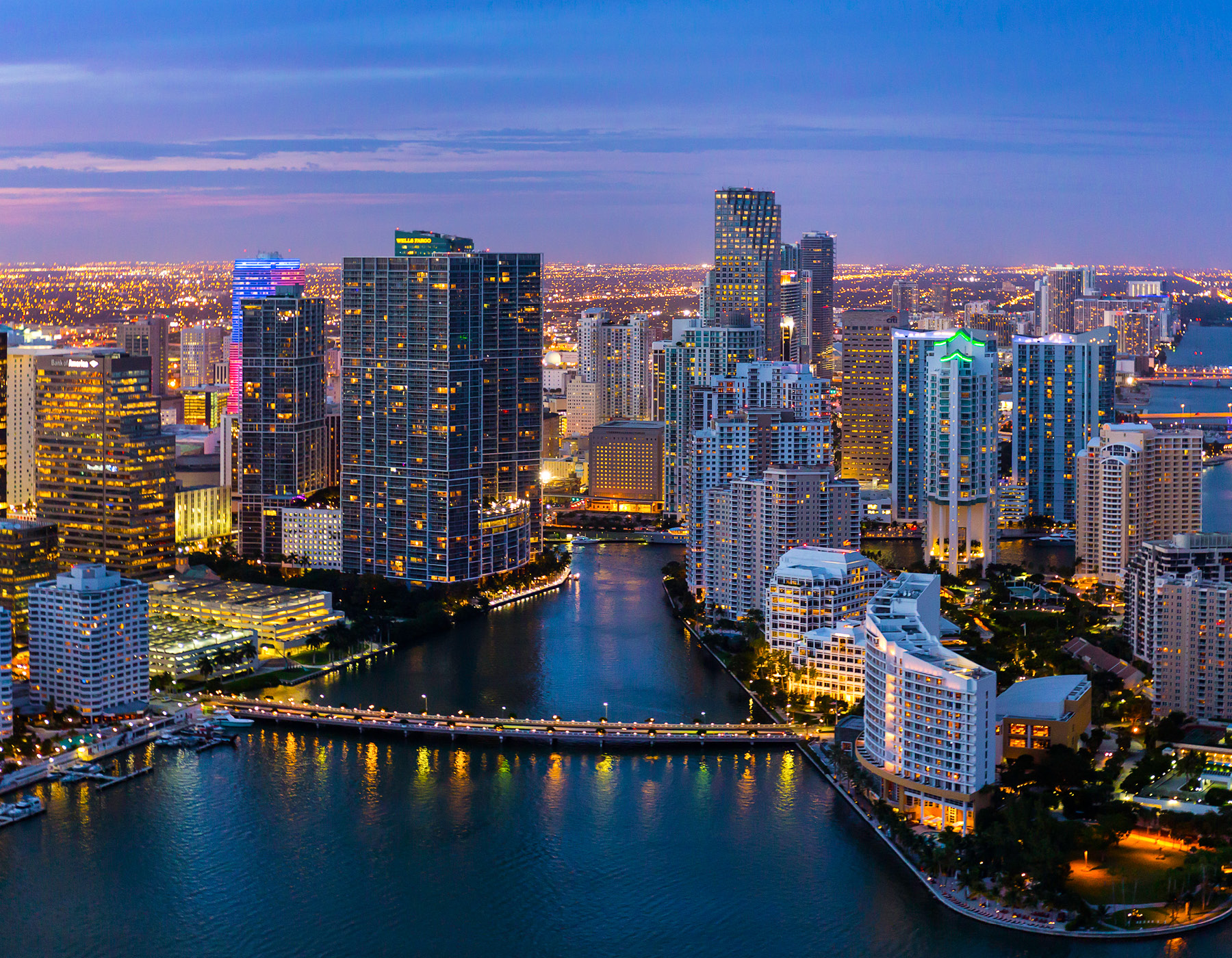
Over the past 20 years, the Miami skyline has undergone a huge change, owing to the scale of development.
“It doesn’t even look like the same place,” Noriega says, adding that Miami has experienced incredible growth and, with it, an increase in population density.
“That’s great because we are creating these cool neighborhoods and environments where there is a lot of activity on the street, and that drives a lot of business and economic growth.
“Now restaurants and retail have this density that they can feed off, and all the neighborhood businesses can take advantage of that.”
“It’s hard not to see how much this city has changed – and changed for the better.”
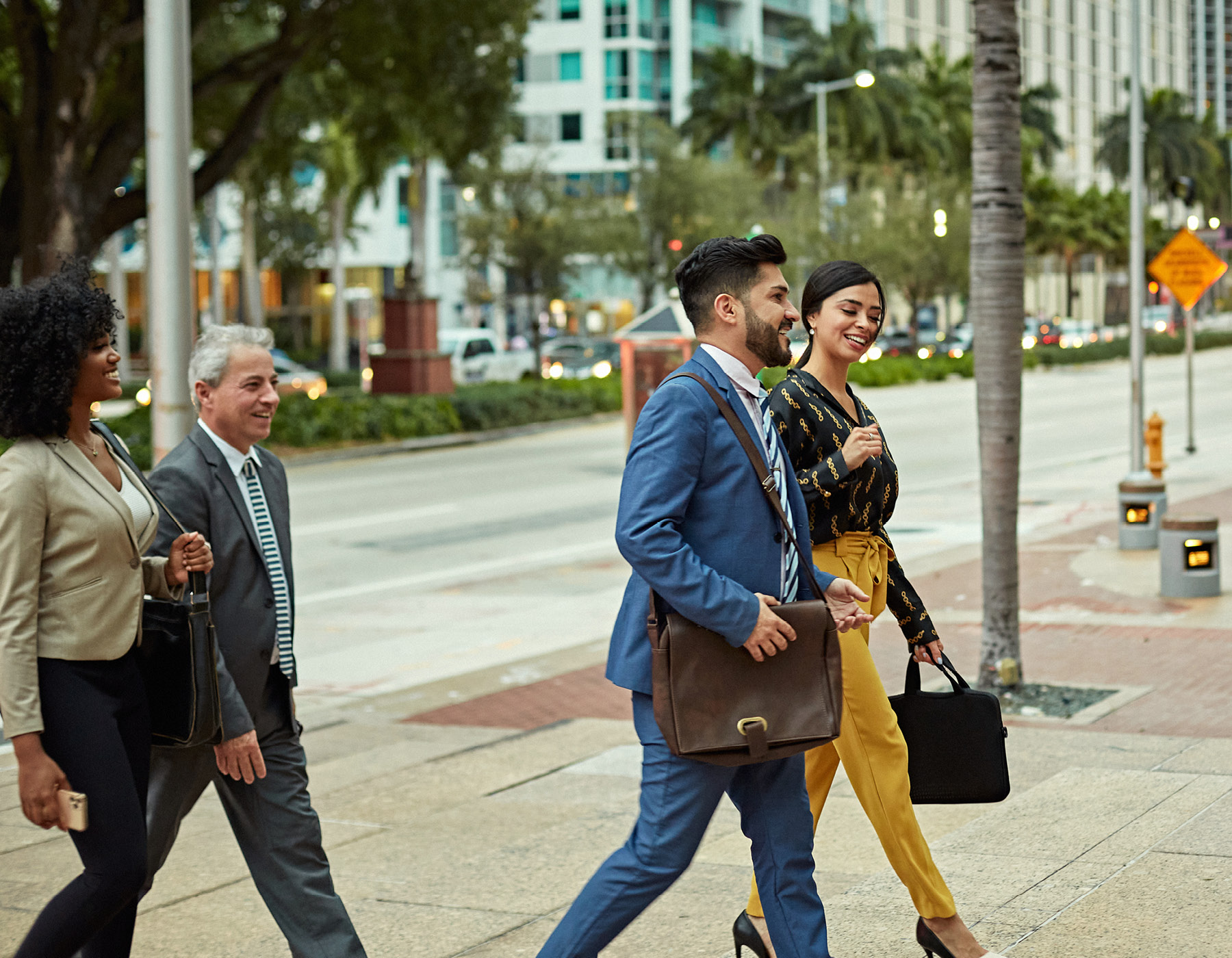
Streets are more active, lively and walkable, and public spaces that didn’t exist 20 years ago are now hubs for the community. The result?
“People have really enhanced their quality of life,” he says. “It’s hard not to see how much this city has changed – and changed for the better.”
All this means it still lives up to its nickname, ‘The Magic City,’ first coined in the late 1800s when Miami grew so fast that visitors said it seemed to appear as if by magic. And once again, the city has worked its magic.
That’s not to say that there haven’t been growing pains.
“With all that growth, you’re playing catch-up with certain aspects of infrastructure,” Noriega says.
Along with transportation, one key aspect to revise has been building codes.
“With new development and new construction, you’re providing buildings that are being built to a code that is modern and resilient to hurricanes, flooding and fire,” he explains.
Such changes have driven significant advantages, too. Newer infrastructure means the city has become a safer place to live, he points out.
New flagship mixed-use developments like Miami Freedom Park, a 25,000-seat stadium set to be the home of the Lionel Messi-led Inter Miami CF soccer team when it opens next year, enhancing the city’s appeal for residents. These developments are also drawing interest from corporations looking to move their business to the city from other parts of the country.
Noriega is particularly enthusiastic about Miami Riverbridge, a plan by Hyatt Hotels Corporation to completely redevelop the existing Hyatt Regency Miami site along the Miami River into a mixed‑use complex of three towers, and Miami Worldcenter, an 11-hectare ‘city within a city’ in Downtown Miami, with luxury residential towers, retail, dining, entertainment, office space and hotels that opened in 2025.
“Now we’re taking our assets and we are repurposing them and generating a revenue stream that will put the city on a sound financial footing to be able to manage growth.”
Such projects also serve to diversify the city’s revenue streams beyond traditional taxes.
“Now we’re taking our assets and we are repurposing them and generating a revenue stream that will put the city on sound financial footing to be able to manage growth,” he says.
Noriega, who oversaw a team of 5,031 and had an operating budget of US$1.79 billion, also understands that fostering strong relationships with local businesses and contractors is crucial to supporting the local economy.
“We try to encourage local businesses as vendors for the city because we want to make sure that we’re properly reinforcing their economic viability and their ability to do business,” he explains.
Key partners include real estate development company Terra Group.
“Our development partners are actively on the ground expanding the landscape of the city,” he says.
As the private and public sectors’ partnerships grow stronger, Miami is quickly developing into the place to be, from both a business and a resident perspective.
“We don’t have winters and we are outdoors 12 months of the year,” he says.
With a vibrant arts scene, marquee sporting events like the Formula One and the Caribbean on its doorstep, the quality of life in Miami is a selling point the city successfully leans into.

“We have a neighborhood for everyone, depending on where you are in your stage of life.”
Now, it has an added advantage: an array of neighborhoods to fit every lifestyle.
“We have a neighborhood for everyone, depending on where you are in your stage of life,” Noriega explains. “If you’re building a family, we have plenty of neighborhoods that are just awesome to raise kids in. If you’re a single young professional, we have some cool places that fit your lifestyle. We can accommodate everybody in that way.”
Plus, there is no state income tax, an influx of capital looking to invest and grow the local economy and historically low crime rates, meaning the city is enjoying a level of safety not seen since the 1960s.
“We live in paradise,” he says with a smile.
 RELATED ARTICLES


 Home
Home
 Podcasts
 Covers
 Be Featured
 Community