Language
You can read the magazine in one of the following languages
5-min read

 Bookmark now

 Copy Link
When a new building is added to a city, chances are the public’s first glimpse of progress is smothered in scaffolding. It could be the blinking lights of a distant crane or pristine columns of concrete and steel, all suggestive of the engineering marvel on its way into reality.
In South-East Asia, these harbingers of construction often feature the contribution of PERI through its scaffolding and formwork solutions. From Hong Kong to Malaysia and Singapore to the Philippines, the company’s monumental work has shaped city skylines and given the next generation of business a place to succeed. Achieving that requires far more than design and construction.
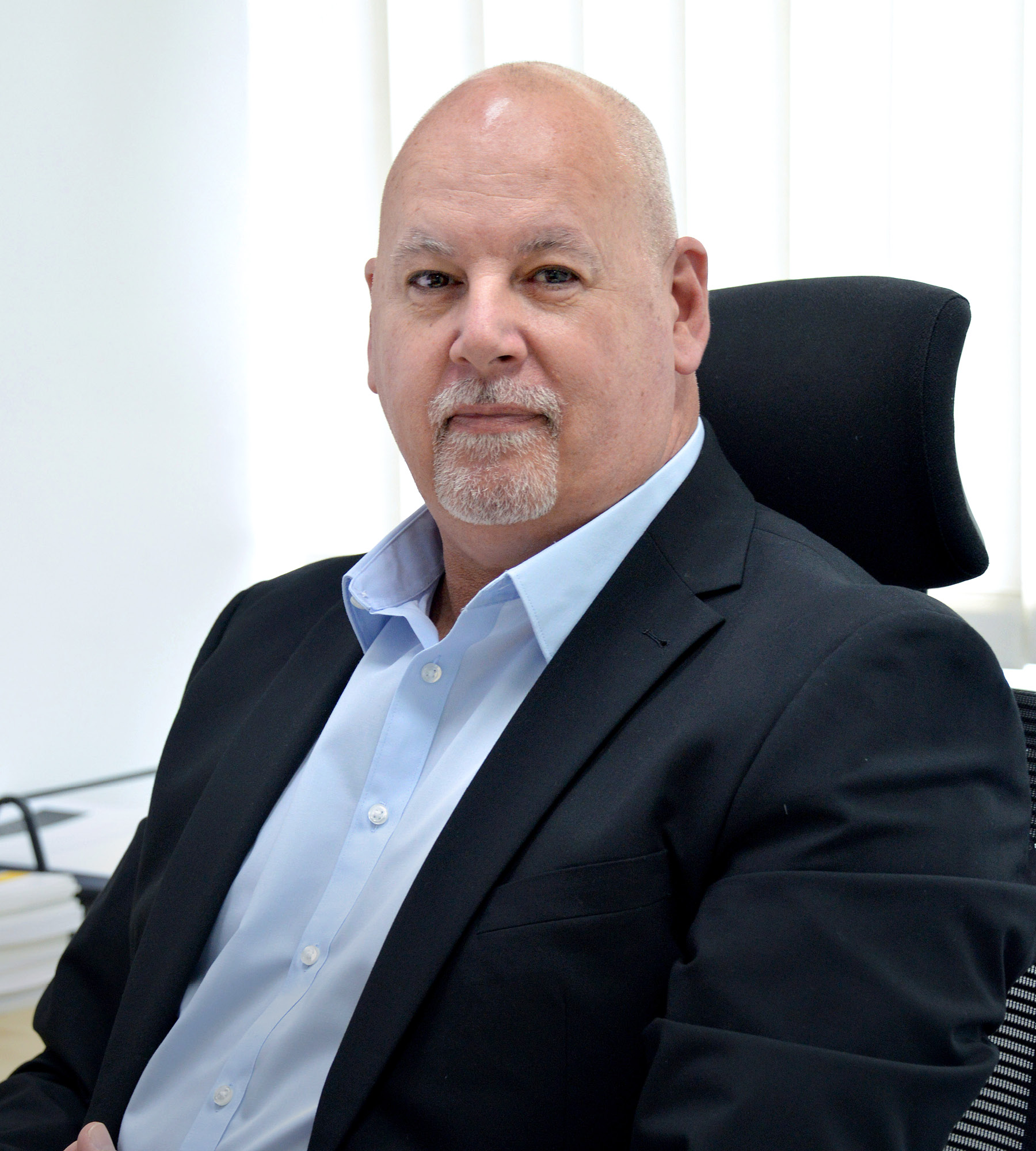
As Alan Nortje, General Manager of PERI Asia, a subsidiary of PERI in Singapore, tells The CEO Magazine, a business like his must be present and ready to move.
“You can’t get stuck in your mind,” he says. “Asia is a forever-changing market, and you need to stay dynamic to take it on. You cannot say, ‘We’re a big, worldwide company worth over two billion euros. We don’t need to change.’ No, PERI does not work like that.”
“We need to remain agile to ensure we hit that sweet spot of sustainable, profitable growth.”
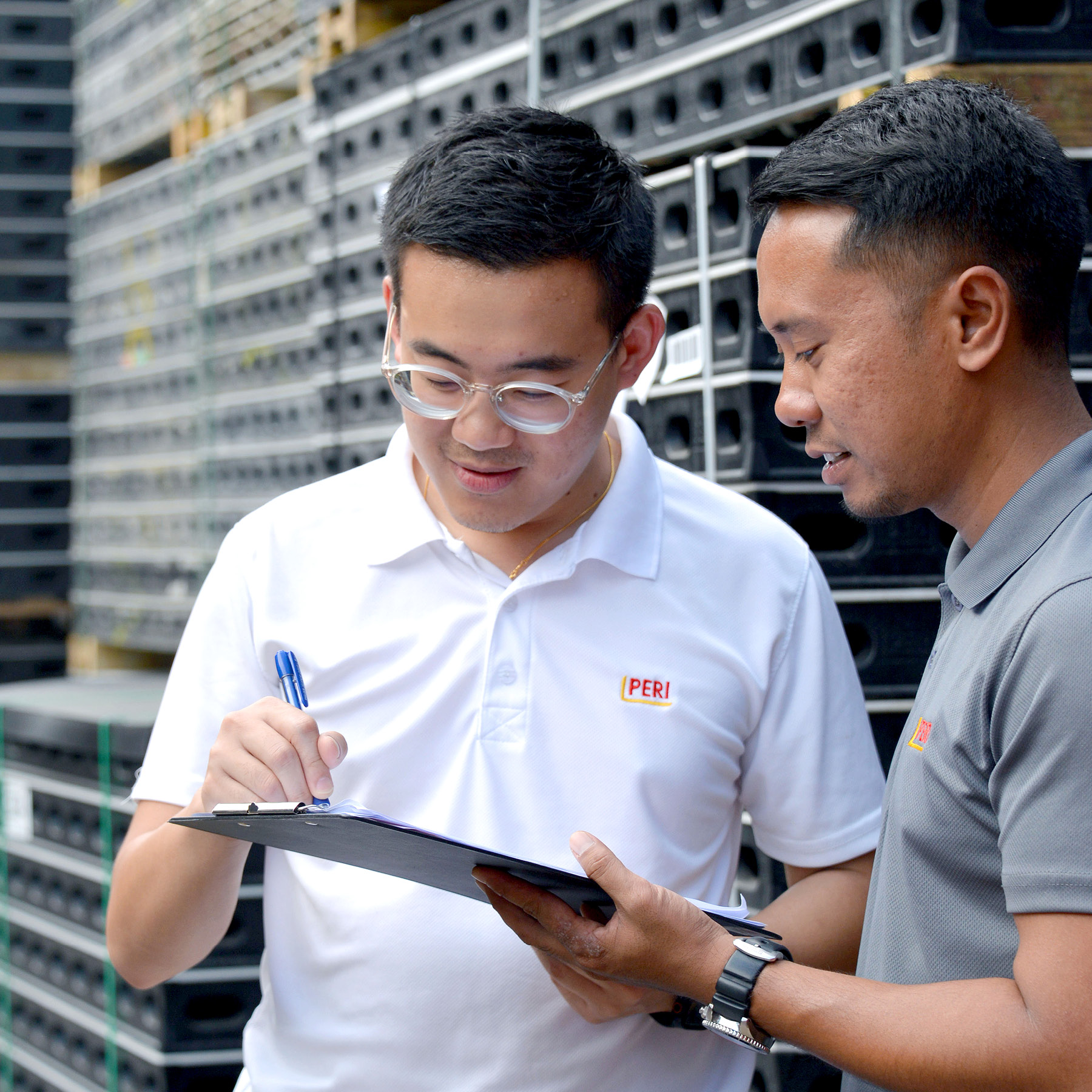
German construction firm PERI has elevated construction into a collaborative effort. By partnering with vendors, fabricators and other industry players, its Asian divisions deliver bespoke requirements for customers, effectively keep pace with regional competition and more recently, focus on specialized engineered solutions for infrastructure.
This includes the modular falsework system PERI UP MD, currently being implemented in Singapore, with great success. PERI’s offerings have also expanded to include special steel formwork, which provides tailored solutions for complex projects such as bridges, tunnels and large-scale infrastructure; the VARIOKIT Speed Column, a tie-less system for large-size column forming; and PERI HDS, a heavy-duty shoring system with capacities of up to 1,000 kilonewtons per leg, all designed to meet local market demand for more efficient, faster and safer construction in infrastructure.
“That’s what I mean by staying dynamic,” Nortje says. “We need to remain agile to ensure we hit that sweet spot of sustainable, profitable growth, and we’ve adjusted the business here in Singapore to accommodate the customer’s requirements. We’re now into infrastructure much more than we have been in the past.”
A longtime formworker, Nortje joined PERI Asia in late 2021 after a period of entrepreneurship in his native South Africa.
“The goal was always to get back to formwork,” he says. “I started in Malaysia and worked very hard there with a small team and they wanted to significantly grow, especially the industry segment. I accepted the challenge.”
The hard work paid off; a year later, PERI Malaysia’s industry team had grown more than 600 percent. Nortje says the success was the result of both hard work and confronting his fears.
“I’d moved to a new country with a different culture, new people, new everything,” he says. “On top of that, there was the COVID-19 pandemic, which instilled a lot of fear in people. It was a learning curve for me.”
The pandemic also contributed to a jump in prices across the industry.
“The main consumables – infrastructure items, concrete reinforcing and labor – just skyrocketed,” he says. “Companies with existing projects were trying to make sense of these extreme costs and for us it was a challenge. We had to change our views and the way we do things to stay relevant.”
It wasn’t so easy, as PERI had been in the Singapore market for 34 years.
“We came from this very stable, structured and solid reputational status to a situation where we had to do a lot of acclimating to the current market,” Nortje says.
“But we’ve worked hard and retained our relationships. Nothing tests a client-supplier relationship harder than when there are significant strains and pressures in the market.”
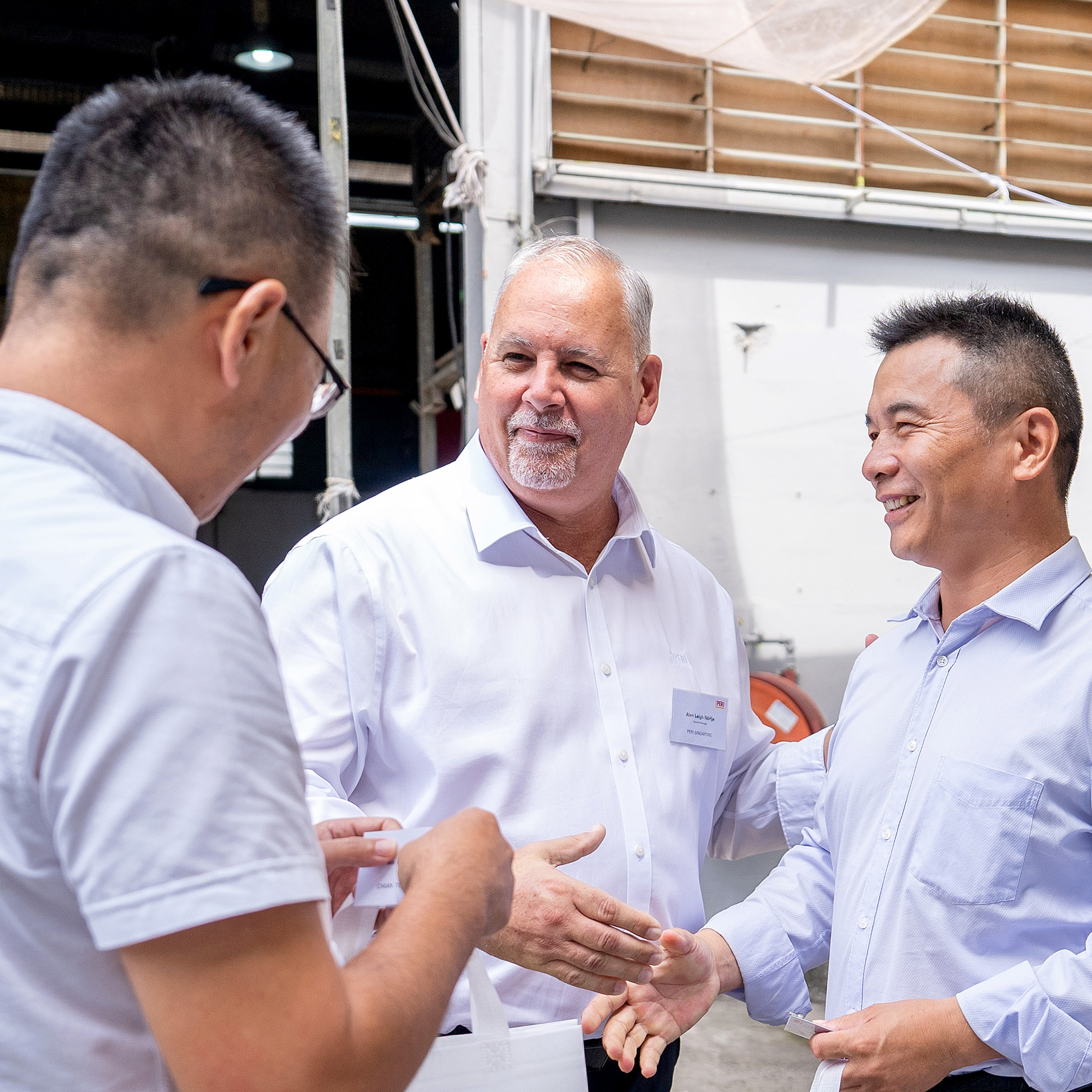
“My point of view is essentially, understand the client. Nothing makes you feel closer to someone than when you have an understanding of each other.”
Those critical partnerships, such as with steel bar supplier SAS Asia Bar Systems and bolt manufacturer Lian Seng Hardware have helped PERI to stay on top in Singapore. Nortje says it’s a matter of understanding.
“My point of view is essentially, understand the client. Nothing makes you feel closer to someone than when you have an understanding of each other, and you can really only do that if you pay attention and listen not to reply, but to understand. That’s been the driver for us,” he says.
That drive is intended to carry PERI Asia through the next five years on a journey of sustainability and growth.
“Over the years, we initially lost some traction due to more local and regional suppliers penetrating into Singapore,” Nortje says. “Our product portfolio has evolved, we’ve changed it. We’re bringing in new digital products related to solving customer pain points.”
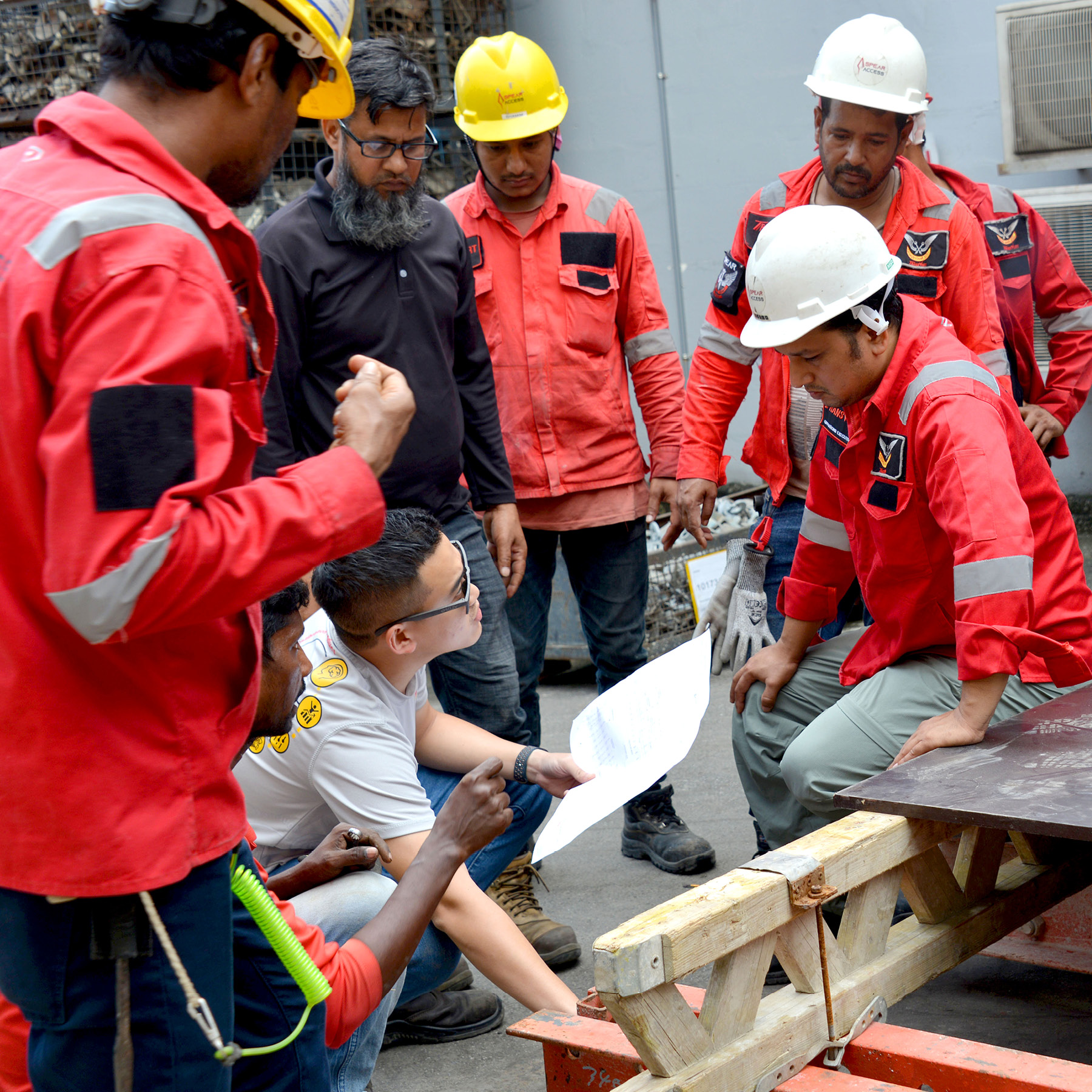
Labor is an issue in Singapore, so PERI has helped mitigate this with products that require less labour.
“This is a high-pressure environment when it comes to construction, so it’s on us to improve speed and efficiency through our products,” he says.
“We’re doing that through products, services, engineering and digitalization. PERI is at the forefront of these things worldwide. It’s a cutting-edge company that tries not just to adopt but to innovate.”
It’s in PERI’s DNA to be environmentally-friendly, which is why this innovation has recently extended to replacing traditional paper drawings and designs with 3D digital models and plans.
“It’s quicker, it’s faster and it’s much more green and eco-friendly,” he says. “In our head office and European factories, they use waste materials to generate electricity.”
“This is a high-pressure environment when it comes to construction, so it’s on us to improve speed and efficiency through our products.”
Nortje helps foster this environment of innovation and progress in his team with a leadership style that’s both supportive and fair.
“I want to give people the space to grow, to become the best they can be,” he says. “I want them to build their brand as a human being, and I’ll do everything I can to support that. You’re only as good as your brand, after all.”
By focusing on the unique needs of the customer first, PERI Asia is able to find Nortje’s sweet spot of sustainable and profitable growth.
“If you’re not growing, you’re stagnating,” he says. “And in today’s terms, the minute you stagnate, you’re actually losing market share. You are not a viable business if you start to stagnate, so you need to maintain growth.”
 RELATED ARTICLES


 Home
Home
 Podcasts
 Covers
 Be Featured
 Community