Language
You can read the magazine in one of the following languages
8-min read

 Bookmark now

 Copy Link
I still remember my first experience volunteering. It was at a summer camp for children with serious medical conditions. And I’ll be honest, I was at a time in my life when my world revolved solely around me. I was in my early 20s, fresh from a breakup, feeling untethered and unsure of who I was and what I wanted next.
I arrived at a camp in rural Connecticut thinking I was there to help, without fully understanding what that meant. The camp hosted summer camp sessions for kids with cancer, sickle cell disease, hemophilia and other serious medical conditions.
I met children living with challenges I’d never imagined: recovering from the trauma of brain surgery, exhausted from chemo, learning to navigate the world in bodies that had been changed by illness. And yet this camp was, in almost all ways, the most joyful environment I’d ever been in.
Not because life was easy, but because everyone – from counselors to doctors and nurses – was committed to finding ways to make the impossible possible for these kids.
In that setting, empathy, teamwork, leadership and adaptability weren’t buzzwords, they were simply skills needed for doing the job and doing it well. I left that camp emotionally changed, with a deeper appreciation for valuing something greater than myself.

These moments are often just as much of a life-changing experience for volunteers as they are for campers.
Looking back, I realize I also left with a new understanding of how people grow and achieve: give them a real mission, real responsibility and real connection. And they rise. That same dynamic is why employee volunteer programs at companies – when they’re thoughtfully and intentionally designed – strengthen both the employee and the business itself.
Today, forward‑thinking companies are rediscovering this simple truth that we’ve sometimes lost sight of in our hyper-speed lives: volunteering is good for people – and that makes it good for business.
The strongest organizations don’t treat volunteer service as a once‑a‑year photo opportunity. They integrate it into culture, leadership development and employee wellbeing. Done well, volunteer programs boost engagement, strengthen leadership pipelines, and build trust in a company’s brand – while helping employees feel healthier, more grounded, more connected and proud of where they work.
For companies looking to translate purpose into practice, partnering with nonprofits that offer immersive, skill‑building volunteer experiences can be a powerful lever. The organization I lead, SeriousFun Children’s Network, is a global network of camps and programs founded by Paul Newman that creates life‑changing experiences for children with serious illnesses.
Volunteering with us allows our partners’ employees to contribute meaningfully while building capabilities that show up back at work: communication, collaboration, resilience and leadership under real‑world pressures.
At SeriousFun, more than 25,000 volunteers from every profession – ages 19 through 80-plus – help deliver free, inclusive camp experiences to more than 200,000 children and family members each year. Our volunteers practice the real work of being on a team: shared responsibility, ability to compromise and choosing the common good over convenience.
This might involve helping a child who lives life in a wheelchair fly down a zip line or working with co-counselors to create a supportive cabin environment in which kids who often feel ‘other’ because of their medical conditions finally feel as if they belong.
These moments are often just as much of a life-changing experience for volunteers as they are for campers.

In an era where burnout and disengagement negatively impact performance and office culture, volunteering offers something many people are missing.
Research consistently shows what volunteers feel firsthand: improved wellbeing, improved physical and mental health, and higher quality of life. Medical professionals, especially, report statistically significant reductions in secondary traumatic scores after volunteering at our camps, along with renewed sense of purpose and stronger relationships back at work months later – exactly the kind of lasting connection employers want inside their own organizations.
So what does this mean at work?
In an era where burnout and disengagement negatively impact performance and office culture, volunteering offers something many people are missing: meaning. Employees who feel grounded and connected personally tend to collaborate better, show more resilience under stress, and bring more of themselves to the work – outcomes that directly support productivity and innovation.
Volunteerism is a powerful culture builder. It brings people together across titles and functions, gives teams a shared story and creates the kind of pride you can’t manufacture from HR slogans.
Research shows that corporate volunteering strengthens positive workplace relationships, supervisor support, work engagement and connection to employers – an important marker for organizations competing for talent.
At SeriousFun, we offer our own employees time to volunteer at one of our 30 camps and programs each year. When team members return, we see reconnection to our mission, restored enthusiasm for their work, and new appreciation for colleagues’ different working styles. The business payoff is real, resulting in stronger relationships across teams and a culture that’s easier to sustain when work gets hard.
Volunteering is also a powerful form of experiential learning. Deloitte research reports that employees believe volunteering improves professional skills and leadership capabilities, with 92 percent reporting it enhances professional skills, 88 percent indicating that it builds character and 85 percent noting that it is a key factor in helping employees demonstrate accountability and commitment.
For employers, that’s leadership development that happens in the real world, not just described to them in training rooms.

Immersive volunteer experiences are especially impactful for early career talent, building confidence through action.
Immersive volunteer experiences are especially impactful for early career talent, building confidence through action. This is particularly important in new generations of employees who are learning who to be in their jobs. Human relations and doing good together build the social resilience and awareness that’s so important to the development of young professionals.
At camp, volunteers practice real leadership: working in and managing teams, communicating under pressure, navigating conflict and collaborating toward a mission bigger than themselves. These aren’t hypothetical exercises – they’re lived experiences. When employees bring those skills back to work, teams get stronger, managers get better and organizations build the capacity to execute through change.
The benefits of volunteering don’t stop with the individual. People return from these experiences with tools to build stronger relationships, along with a fresh perspective on their own strengths and needs and often a deeper sense of pride in their workplace. Over time, that shows up in how teams collaborate, how leaders lead and how culture feels day to day.
One example of volunteering done right is the Abercrombie & Fitch Co Camp Counselor Program, a decade‑long partnership with SeriousFun rooted in employee voice.
The program began when Abercrombie & Fitch Co noticed that employees who had volunteered at one of our camps came back to work revitalized with a new perspective on collaboration. The company acted, creating a structured Volunteer Time Off program that treats community impact as part of the talent experience, not an extracurricular. Each year, employees are invited to apply to join a cohort that serves as camp counselors at SeriousFun camps across the world.
What makes this partnership work is its depth. Employees build relationships with children and families, with fellow volunteers and associates, and they return to work with a stronger desire to connect with teammates. That kind of authenticity is hard to replicate, but it strengthens culture in a way employees can feel.
Over 10 years, the partnership has:
1. Delivered 130,000-plus volunteer hours
2. Donated 406,000-plus camp T‑shirts
3. Contributed US$20.5 million
4. Supported 1.4 million-plus camp experiences
Those numbers represent more than impact delivered. They reflect a program strong enough to earn sustained participation year after year, which is exactly what companies want from any culture investment.
The talent implications for volunteerism are clear. Strong volunteer programs give people another reason to stay in their jobs, because they feel seen, supported and proud of what their company stands for.
An ARNOVA study found that those who participated in corporate volunteering reported significantly higher job satisfaction and organizational commitment than non-volunteers; both are closely tied to productivity and retention. Volunteering can be a true differentiator.

When people get the chance to serve, they come back better for it, and so does the workplace.
And employees aren’t the only ones paying attention. When community involvement is authentic and visible, it builds credibility with customers and stakeholders. Consumers are more likely to buy from brands known for community involvement, which is an important reminder that workplace culture and brand identity are closely linked.
Yes, volunteering provides myriad and important benefits for employees, but the implications for a company itself are manyfold. Volunteering belongs in the strategic HR and leadership playbook, not as a nice‑to‑have, but as a real and practical way to build healthier, more connected teams.
When companies align paid volunteer time with mission‑driven partners like SeriousFun that are capable of delivering meaningful, immersive experiences, employees gain perspective, confidence and connection. Businesses gain the same things at scale: stronger culture, stronger leaders and stronger retention.
In other words, volunteering is one of the rare investments that supports the whole person and the whole organization at the same time. When people get the chance to serve, they come back better for it, and so does the workplace.

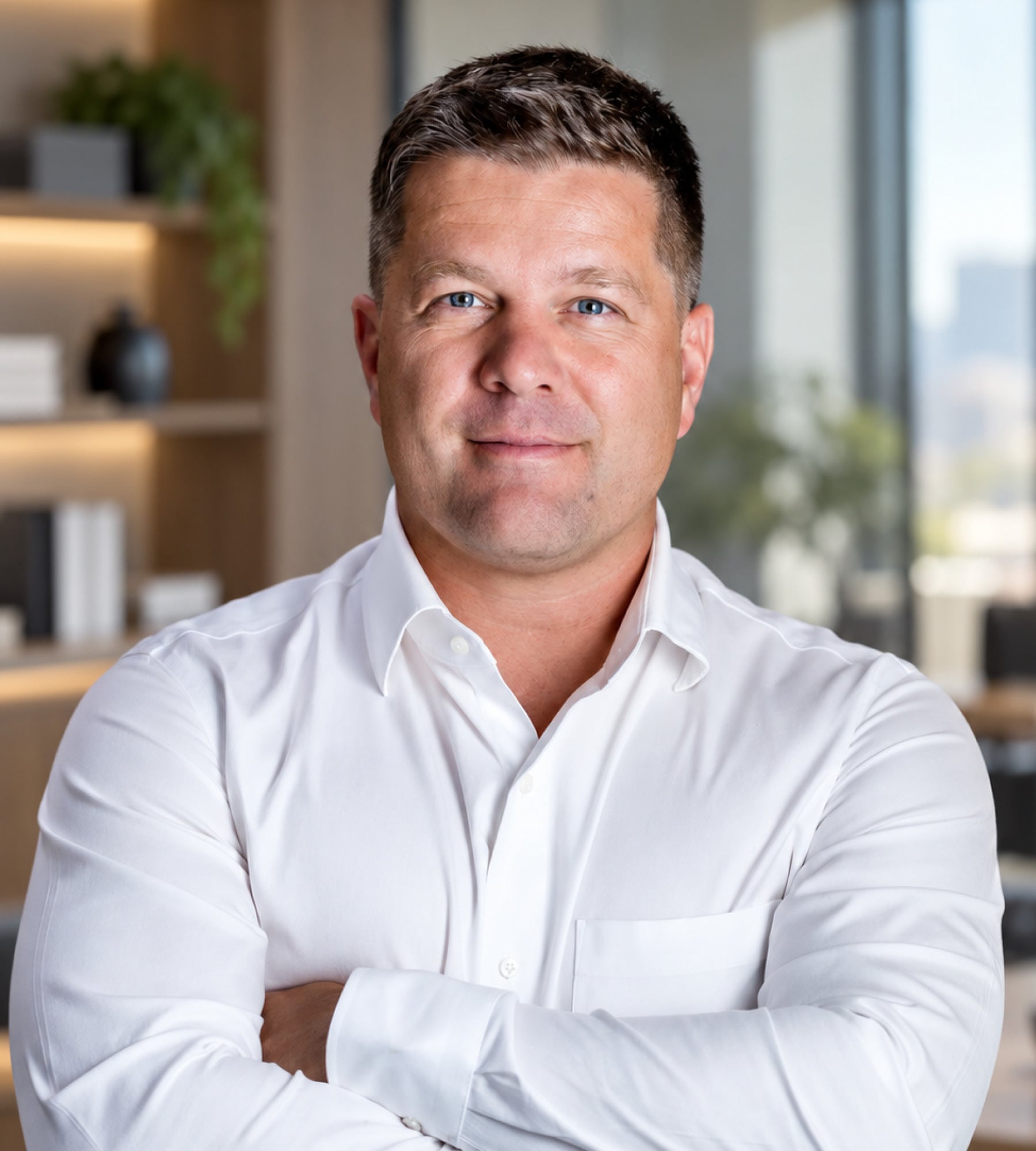
Blake Maher
Contributor Collective Member
Blake Maher is the CEO of SeriousFun Children’s Network, which provides life-changing camp experiences to children living with serious illnesses and their families, free of charge. Prior to joining the SeriousFun Children’s Network Support Center, Blake served as CEO and Executive Director of The Painted Turtle, a SeriousFun camp located in Lake Hughes. He has worked in the field of child advocacy and experiential programming for more than 20 years, including work with abused and homeless children, arts programs and outdoor and recreational programs for children. Discover more at https://seriousfun.org/
 RELATED ARTICLES
11-min read
4-min read
 SPOTLIGHTS ON LEADERS



 Home
Home
 Podcasts
 Covers
 Be Featured
 Community