Language
You can read the magazine in one of the following languages

6-min read

 Bookmark now

 Copy Link
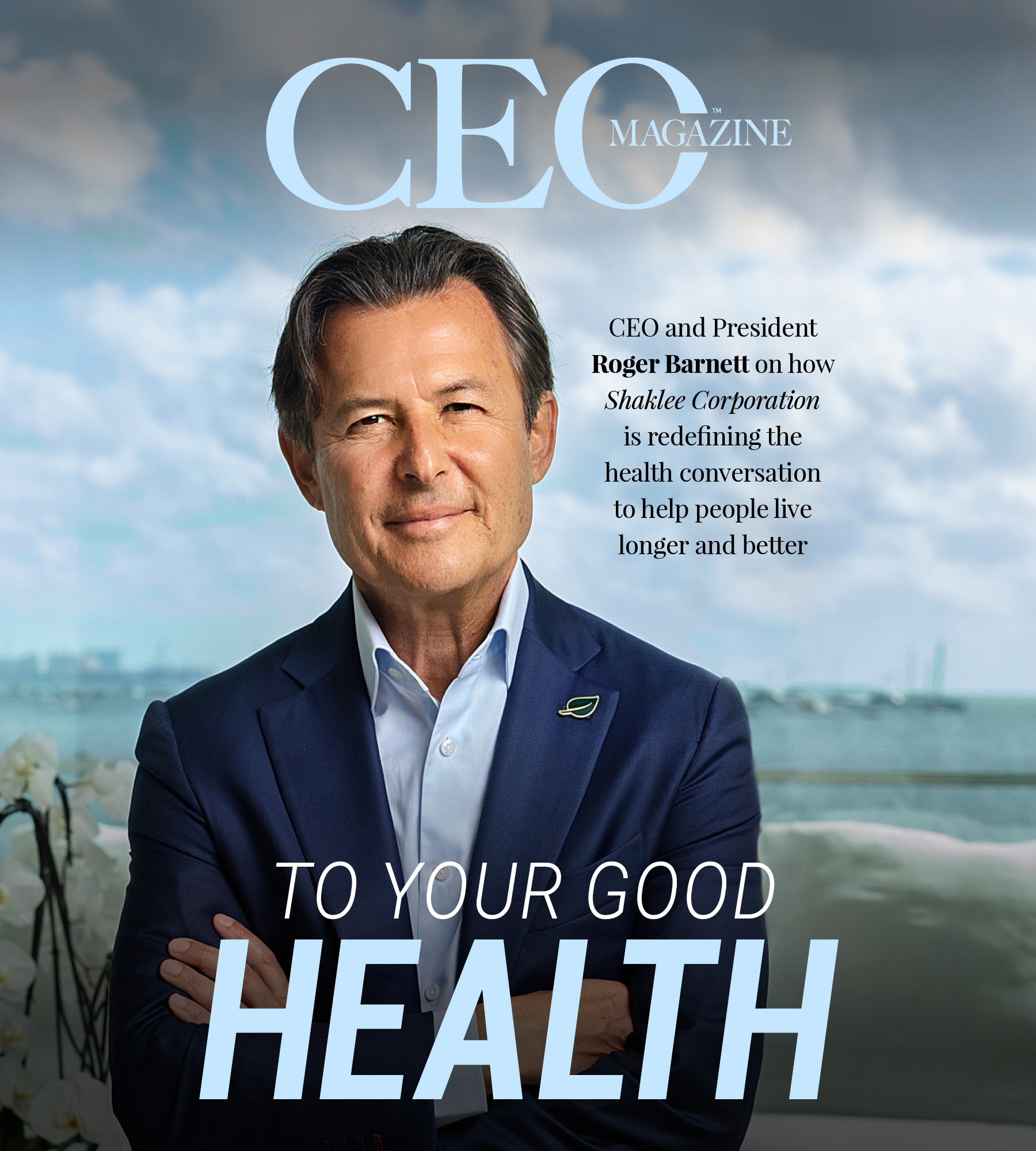
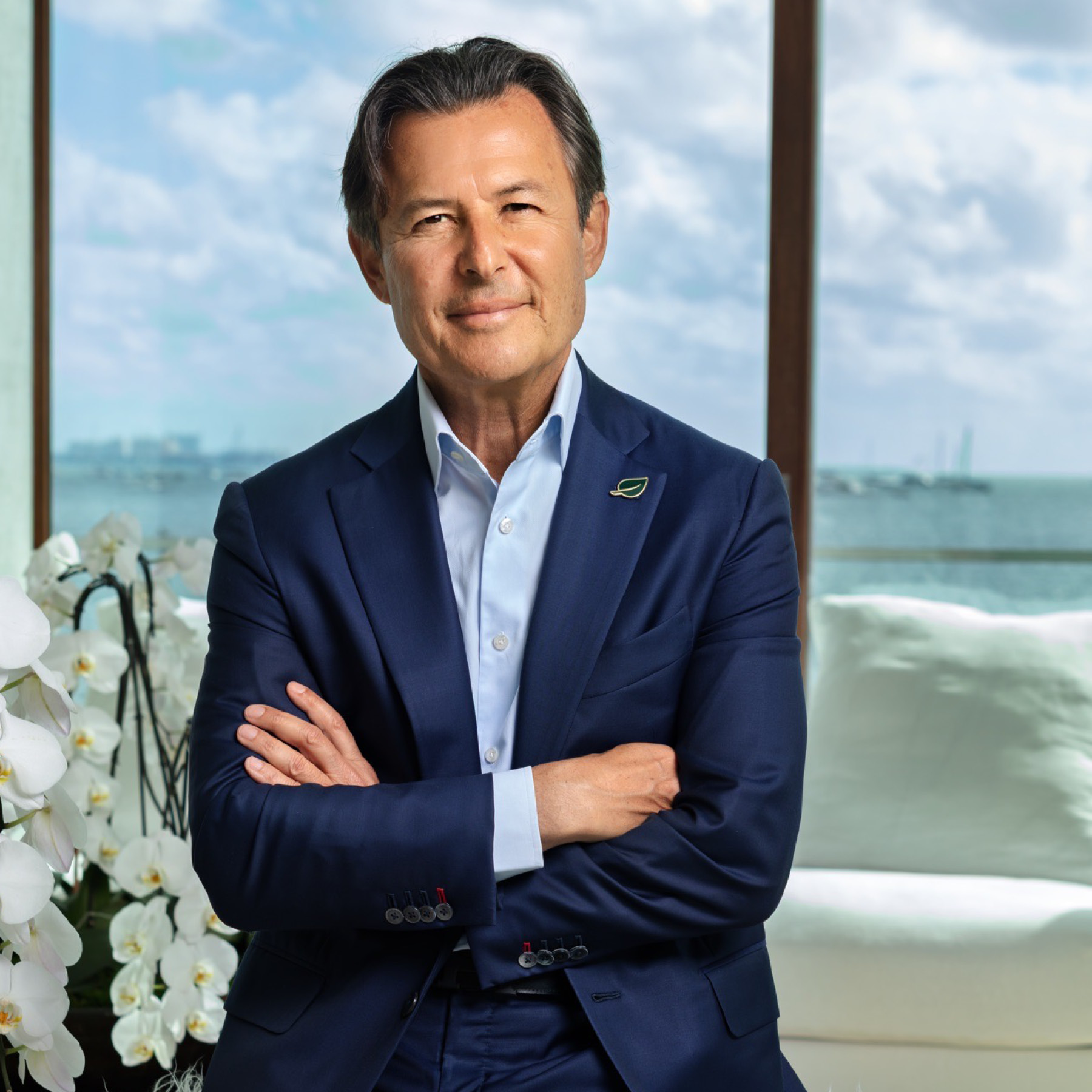
Roger Barnett is fed up with the word ‘longevity’ when it comes to discussions about health. And as CEO and President of trailblazing natural nutrition company Shaklee Corporation for over two decades now, it’s clear he knows what he’s talking about.
“It’s not how long you live, it’s how long you live well,” he tells The CEO Magazine. “I have seen with my parents and people of their generation that living longer for the sake of living longer is not really living.”
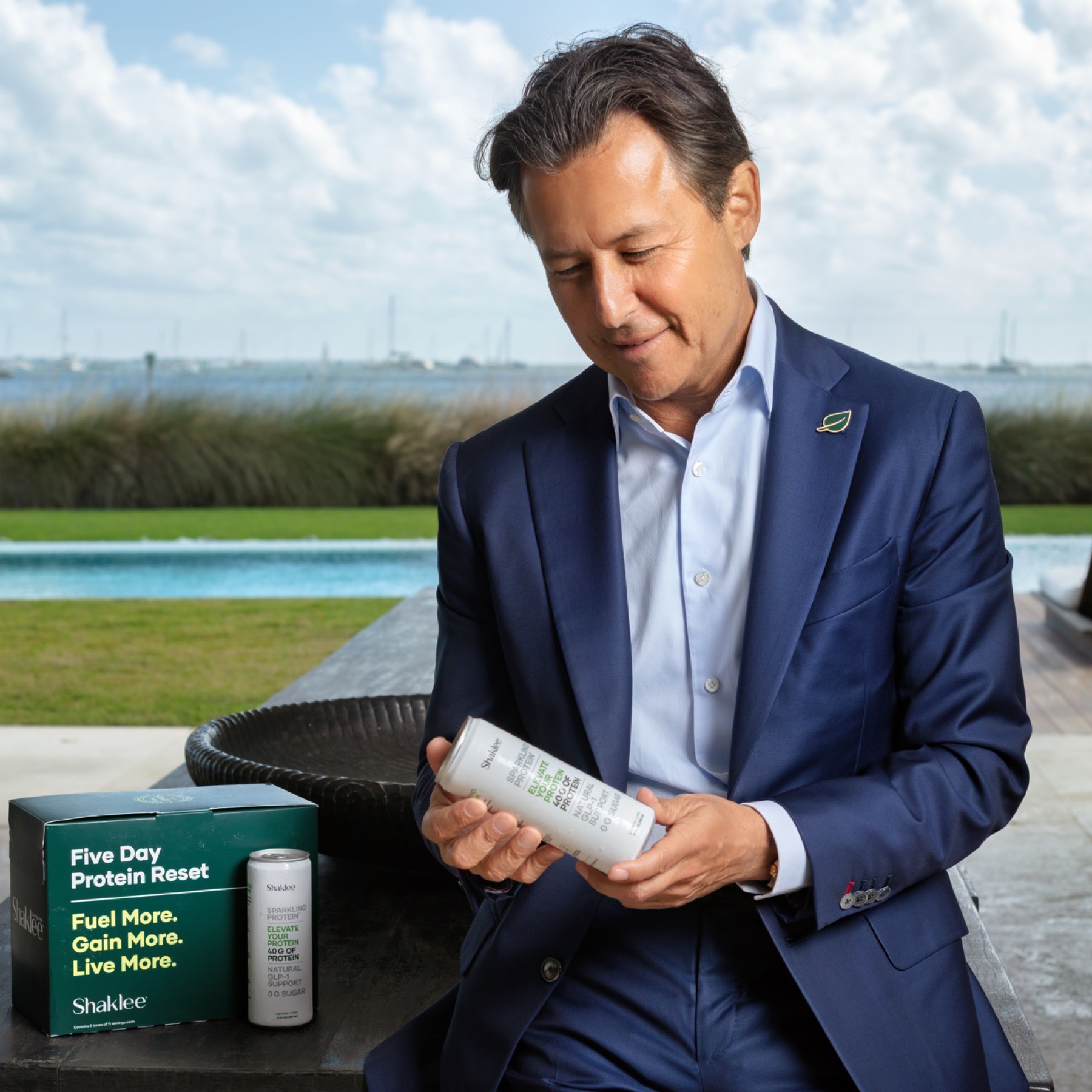

According to Barnett, to achieve this, it’s essential to focus on prevention and engaging in behaviors that keep people healthy rather than sick. And that’s where Shaklee comes into the equation.
“As humans, our bodies and certain parts of our function start to decline as early as age 20, whether it’s your brain age, your muscle creation or your skin elasticity,” he explains. “So you’re going to have your chronological age, which is how many weeks, months and years you have been on this planet.
“And then you have a biological age, which is the age of your cells and your different organs and your functions. We can’t change your chronological age, but we want to help improve your biological age so that you’re living effectively age-free, whatever age that you are.”
With a wide range of science-backed products to target specific ailments, age groups and lifestyles, or simply to encourage and improve general health and wellbeing, Shaklee has earned a dedicated following of more than two million around the world.
“In just the last 12 months, we’ve had a quarter of a million people join Shaklee, interested in learning more about how to live age-free,” Barnett enthuses.
“We’re based on clinical studies sourced from nature but improved by science. And our mission and goal is to empower people everywhere to take better control of their health so that they can look, feel and live younger longer.”
Shaklee pioneered the nutritional supplement industry when company Founder Dr Forrest Shaklee invented the first multivitamin in the United States in 1915. When Shaklee set up the company in 1956, it was already light-years ahead of any competition.
“Since then, we’ve brought to market many of the more significant advances in nutritional science,” Barnett says. “We created the first plant-based protein supplement, among many other products.
“Our whole methodology and go-to-market strategy is through what we call ‘community marketing’, which allows people to share information and have a community to support, encourage and celebrate people along their wellness journey.”
Innovation is obviously an essential component in Shaklee’s entire setup and part of the company’s DNA. Participating in The Landmark Health Studies, which Shaklee funded in collaboration with researchers from the University of California, Berkeley, saw Shaklee emerge with tangible, impressive results. This was the first multi-study to examine 30-plus years of supplement use.
“We identified a Shaklee cohort who used our supplements for between 20 and 40 years, then tracked them for another decade and compared them with people who took multiple supplements from other companies. Participants were tested on every indicator of health – levels of nutrients in your blood, biomarkers and actual disease health outcomes,” Barnett says.
“The Shaklee population had up to 97 percent lower use of prescription medication and was far superior in every health metric. So we have shown and demonstrated that this combination of fueling your body with optimal nutrition, combined with a community and information, that helps you make wiser choices will lead to living younger, longer.”


One of Shaklee’s approaches to innovation is looking at how to tailor their offerings to individuals and their differing concerns.
“I think that the world is going to get more and more personalized,” Barnett says. “So the solution for each of us is going to be different. Another focus for us is integrating all the data sources so that we’ve got a continuously upgraded approach – because where you were a year ago is different from where you are today.
“Constantly getting the feedback loop and personalizing it at scale while we’re doing clinical studies to advance the state of science gives us the ability to deliver a personalized, age-free experience for millions of people at the same time.”
Shaklee’s quest to improve the lives of as many people as possible doesn’t end there, either. With a world-first certification in 2000 as a company offsetting all carbon emissions, sustainability is a major focus as well.
“We try to lead the way,” Barnett says. “I go around and talk to fellow CEOs and explain that we tracked at least a billion dollars of incremental revenue due to higher loyalty to our products because we believe that consumers were adopting a sustainability mindset earlier than most people do.
“So most people thought that sustainability was simply a cost, and we felt that that was a driver to create greater connection with our customer base that in turn would be an economic investment.”

Shaklee’s first partnership in sustainability was with Wangari Maathai, the winner of the Nobel Peace Prize in 2004 for her work linked to environmental conservation.
“She became the global ambassador of a Shaklee’s tree-planting campaign,” Barnett explains. “We called it One Million Trees and One Million Dreams, and it took us two and a half years, but Shaklee people physically planted one million trees around the world.
“We continue our commitment to sustainability today. Everything we do is guided by a simple belief: caring for people also means caring for the planet. For every Get Clean Collection we sell, we plant a tree. That investment supports local workers in lower-income communities by paying them to plant the trees, while also helping reduce carbon emissions through more sustainable packaging. Over the years, we’ve planted 2.2 million trees and counting.”
With such an immense and vitally important legacy to uphold, Barnett is keenly aware of his role and responsibility as a leader.
“I think you have to model how you want people to work,” he says. “I always say, never ask somebody to do something you aren’t willing to do yourself.
“I try to lead with passion. I don’t think there’s such a thing as over-communication. Then, impart the values about what matters so that they have a deep understanding of why.”


Barnett, who has a storied background working across investment banking, cosmetics and sales and also holds both a law degree from Yale and an MBA from Harvard Business School, admits that early in his career, he fell into the trap of wanting to do everything himself.
“Then I learned that if you have big ambitions, you cannot do everything yourself,” he emphasizes. “So the question then is, who do you partner with?
“I think the first thing is that you have to have a shared philosophical approach about what the purpose of your company is. So if people are not looking to make a positive impact at scale with people, we don’t work with them because we are going to eventually be misaligned in some capacity. Partnerships are absolutely critical.”
Now, as the company nears its 70th anniversary, having already achieved so much, some might say it would be the moment to sit back and rest on their laurels for a moment. Yet, that would go against everything Shaklee ultimately stands for.
“There are two ways of celebrating milestones,” Barnett says. “One is you look backward and pat yourself on the back for all the accomplishments you’ve achieved.
“The other is to say, ‘OK, how are we translating our experiences into the next 70 years?’ And the thing I’m really excited and proud about is that last month was the single highest month of sales in our company’s history.
“We’re just beginning on our journey of accelerating our growth around the world.”
 RELATED ARTICLES


 Home
Home
 Podcasts
 Covers
 Be Featured
 Community