Speaker 1 00:00
What's a common misconception about investing in property that you come across? I think one
of the
Speaker 2 00:06
misconceptions is definitely that you need to be really wealthy
Speaker 1 00:09
to get into property. Getting the right people in your business is crucial. Do
Speaker 2 00:12
your best to bring in the right people and then trust them to do the work. Support them as
much as possible, but don't try to overtake their work.
S
S
S
S
Speaker 1 00:19
So if I was to ask a member of your team, what's it like to work with Lloyd, what would they
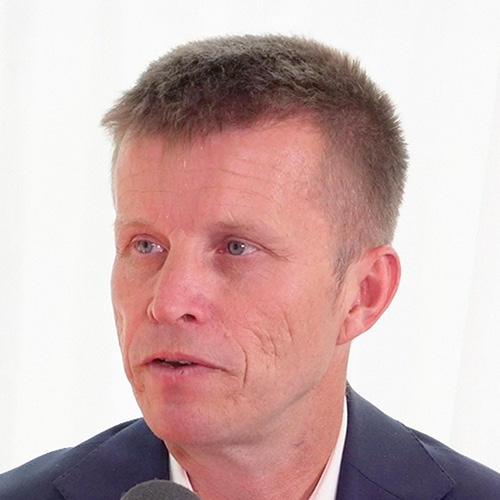
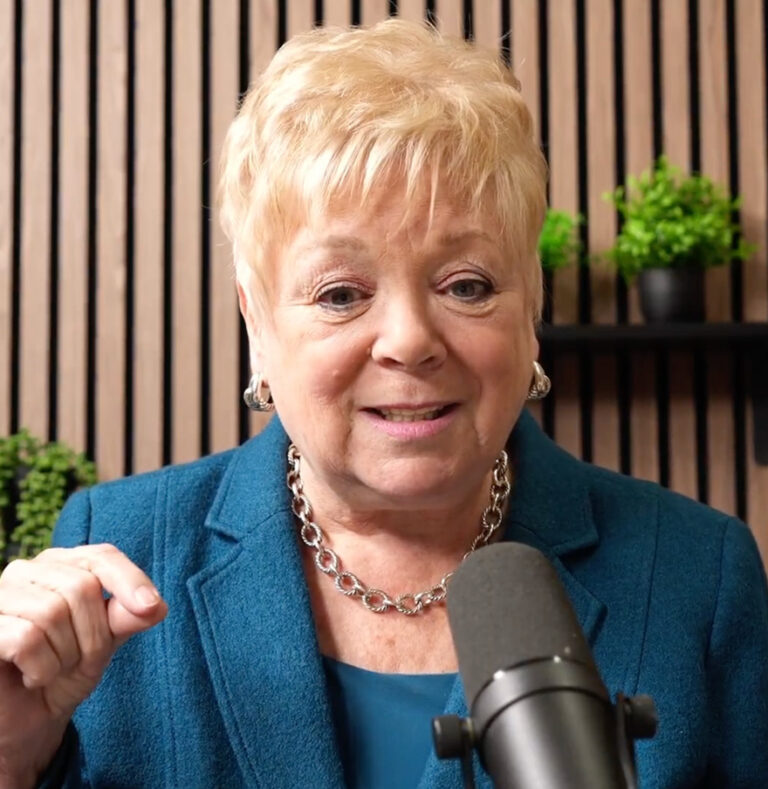
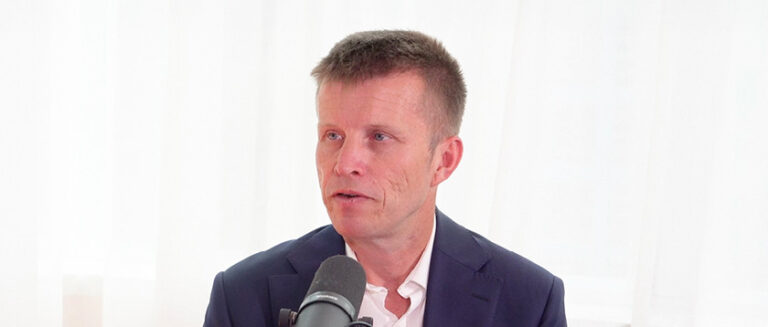
say? Plenty you ask good answer. Lloyd is the CEO and Managing Director of Oz property
professionals, and to say his story is remarkable is an understatement. He's gone from a small
one bedroom apartment to leading one of Australia's biggest property investment companies.
He's a million dollar property investor, award winning buyer's agent and a successful author.
We will unpack his journey from where he started as a teacher with a trombone to where he is
now. It's a fascinating story. Stay tuned. Lloyd, welcome to the podcast, Chris, great to be with
you. It's great to be with you. An expert in property. We always love them. Well,
Speaker 2 01:06
don't know whether I'm an expert, but we'll have a chat with the video. Okay,
Speaker 1 01:11
so let's think way back. Let's think where it all began, and it didn't begin in property, did it? You
were a school teacher. I was
Speaker 2 01:19
indeed, in fact, going back before that, when I finished school, I actually came from the country
in orange, which is about three hours west of Sydney, and I was a musician. So actually moved
to Sydney to study music at the Conservatorium of Music. I was a trombone player, amongst a
couple of other instruments, and yeah, became, actually become a musician there for a while,
did a bit of performing, got into a bit of conducting, which then led into some some teaching,
teaching trombone and conducting some school bands. So getting to the school system, I was
never a classroom teacher, so I actually had one of the, I guess I used to call it one of the better
jobs that I'd be working with the kids who really wanted to be there because they were learning
instruments, and I was teaching in the instruments that they they wanted to learn to play. So
that was basically the job I had for many
Speaker 1 02:02
years. Nice. I was a trumpet man. Yeah, it was so being a school teacher that that's obviously
must be a rewarding job. So what sparked me interested in going from teaching to property?
S
S
S
S
S
Speaker 2 02:17
Yeah? Well, I guess initially it wasn't about going from teaching to property as such, but it's
about looking at and remembering back then I was single. This is before I had a family or
anything. I wanted to set myself up for the future. When I was first teaching, I was on like I was
parenthetic, which basically means that I was just working for the hours that I was getting paid.
I wasn't on salary at the time, and I didn't know whether I would have a salary position at that
time, so I could not really see a great financial future for myself doing this. So I just wanted to
look at other ways to try to get ahead. So that's where I developed that interest in in property.
Initially, though I didn't do what I probably should have, which was invest. I actually bought a
unit to live in, just to start with. But also, after I'd done that, that then the real interest in
investing and trying to create some wealth to try to get ahead, you know, for the future started
to come from there.
Speaker 1 03:05
When was the point where you kind of realized that you could build a business and a career
from property? When was that moment?
S
S
Speaker 2 03:12
Well, I guess generally, I was building up my portfolio for probably about 10 years while I was
teaching. So I had a significant portfolio while I was teaching, and I wasn't looking to get into
business at the time. So, you know, although it was interesting, because when I was at school,
my best subject was economics. It wasn't actually music, but it was always music I had the
passion for. But when I was teaching, I was I was building that portfolio, and I got to the point
where the passive income I was getting from my portfolio equaled what I was actually earning a
year as a teacher. And by that time, I had a salary, and I had about, probably about 10 to 12
properties at that stage. And, you know, passive income after all expenses, basically equal to
what I was earning as a teacher. It kind of allowed me to, you know, to walk away from
teaching. And at that point, I was getting a bit tired of teaching, wanted to have a bit of a
break. And I was really passionate about property from the business sense. It's probably a little
bit funny, because I really immersed myself in property. Initially, I started a little blog, and it
was called, I was probably power, which is really just a blog to put some information out there.
My wife and I actually suggested I do that, so I don't have to keep talking about property at
home, about property. So I started writing blogs, and then it went from there where she said,
Well, you know, if you, if you start a business, you can start meeting clients in coffee shops and
start talking to them about your passion in property, and start helping them and everything like
that. So that's actually how things started to progress. So, yeah, I wasn't one of these people
who you wanting to illustrate straight away and build a business. I, you know, had a completely
different life at the time, and then built my way into property at that point. But it was really
about helping, helping people, really, because I looked at how I had achieved what I'd done to
that point, and I thought, well, I've got some ways that I can probably help people along the
way. And I actually started to have some clients come to me, even. Before I had the business,
because when I'd been featured in a few of the property magazines, I think two GB featured me
and a couple of podcasts, and I sort of had people contacting me, yeah, wanting a bit of advice
and things like that, and and then, of course, from there, I had to go and get some real estate
qualifications and things. So things kind of started to build up from
Speaker 1 05:17
that perspective. Nice. So you had a passive income and a wife that gave you a little gentle
nudge in that in that direction, sounds like a. Sounds like it wasn't really a risk starting that
business. Yeah.
S
S
Speaker 2 05:29
Well, I guess for me, I really backed myself, and I look back at it now, and I remember, you
know, saying to myself that, you know, I've got Plan A, and then plan B is Plan A, and it might
be a little bit naive, but I thought, you know, I don't, you know, I don't plan to fail. I, you know,
my plan, I plan to succeed with this. And I think for me, it's because I had the property portfolio,
so I had income, had passive income coming from that. And I think it gave me the confidence to
be able to start my business. And because I already had a few clients and a bit of interest
before I started my business, I was pretty confident that I'd say, confident that I'd succeed. I
guess looking back on it is good that my wife sort of allowed me to do that because I had a
secure salary job that I'd been in for. I mean, I think I've been working at that one school for
about 13 years, and she was actually encouraging me to leave that position. Most people, most
wives, would be telling their husbands not to leave a secure job. It was the other way for us. It's
just like, yeah, you leave, you start your business and and, you know, and do what you really
want to do.
Speaker 1 06:27
Behind every great man is a great woman as well. That's exactly what it is. What were some of
the risks in the early stages of the company? What sort of what were some risks that you took
that have helped that maybe you were not sure about taking at the time.
S
S
Speaker 2 06:43
Initially, I didn't start out buying, like, I guess, as a buyer's agent, buying lots of standard
investment properties. I was very much focused on developments, because that's how I
basically got to where I was, which was I did a lot of duplexes and triplexes and made equity,
and that's how I kind of got the positive cash flow properties and things. I had a lot of clients
coming to me for that, and I was helping them with that. There's always a little bit of risk there
that you do a development and, you know, maybe not make the returns that you want or and
things like that, or things take longer in council and things like that. But that was kind of the
model that I was working with at the time. So, you know, little bit risky there, but, you know,
that worked quite well. It worked out fine, because I was confident what we're doing. And I
think the main thing about that is because I already tried and tested out over and over years
myself, if I started the business and then thought, Okay, I'm going to help all these
development clients, and I didn't know what I was doing, may have been a different story,
because I remember my very first development I didn't know what I was doing, and had issues
with council and issues with the builder and things and and lucky, I ironed that out and had a
good understanding of what to do when it came to helping the client. But I guess the other, the
other thing for me, is that I started as a sole trader, so it was just me, and, you know, had
clients, and then I needed to sort of get an assistant. So I had an assistant, sort of work part
time and grow the business from there. You know, looking back, it probably would have been
good to invest a little bit more maybe have a couple of full time staff early on to help with that,
because I remember being quite, quite overloaded and probably not having, you know, the
capacity to do everything, because when you're sort of a one man band, you're wearing every
hat. So I was trying to sort of run the website. I was trying to do any sort of marketing. I guess I
didn't need to do a lot of marketing at the time because people were coming to me, but
nevertheless, had to wear the hat. Then I had to sort of do the property research and, you
know, speak to the builders, and then do everything. But yeah, as I grew I managed to, you
know, have people come on that could fill those roles, which obviously makes it easier as you
go along.
Speaker 1 08:32
Absolutely, one word you've mentioned a couple of times already, which I love, is help. You've
mentioned that you like helping people, and you've always said that money shouldn't be the
main driver behind a business, and if you can help people, then success will come. Where did
that mindset come from? Have you always had that? Was that business? I think
S
S
Speaker 2 08:51
I've always had that, and I think probably comes from my parents. My parents are always very
generous. We didn't have much when we were growing up. My dad had a business, but it was
just sort of his, his family business, so he didn't have a lot of money. And, you know, my mum
was kind of a, you know, work at home, stay at home mum, but always very generous and
things like that. And I think for me, I've always had that, that kind of mindset, but for me, it's
always about trying to treat people the way you want to be treated yourself. And I think
anybody who thinks about just making she profit and money first. Yeah, that's going to be quite
short, because there's a transactional kind of attitude. I like to look at things as sort of a long
term, you know, approach, like, I've got clients that I've been working with for over 10 years,
that they're still our clients. Because we take that long term approach, you know, we look at
what their long term goals are, how we can help them achieve that, rather than just looking at
one property purchase as a as a transaction, and we'll get on to this later. But for example,
when we look at a property deal and we feel it's overpriced, so we're negotiating, and they
won't come down to the price I want to buy it for, we'll walk away and find them something
else. Now, the easy option would be just to buy the property at a higher price so that we get
paid, because we get paid one. Client buys property, you know, we don't take that attitude. So
we've got to make sure the client's getting the right outcome before. So I think it's important
just to look after people. Because, you know, I think people people first and then profit second.
Because I don't think as a like, as an individual, you know, you don't need to be just chasing
money. You just need to be just looking after people. And everything else will sort of fall in
place. You've
Speaker 1 10:19
gone from the jack of all trades in your one man band to now offices in four states. What has
been the mindset in terms of leadership? How have you grown to be a leader of people, as
opposed to starting off as your jack of all trades?
Speaker 2 10:35
Yeah, it's definitely challenging. And anybody who says it's not challenging wouldn't be quite
telling the truth, because one of the things you've got to do is put trust in other people. When
you're hiring someone to manage property acquisitions, manage admin, when you know clients
are calling in, building contracts and things like that, you got to try to manage, allow people to
do that and trust them and not micromanage them. So that's a big thing about growth, because
you're like, one person can't do everything in a business, obviously, and you need to be able to
leverage and have other people to do that. So I think a really important thing is just having that
mindset to bring in the right people. And it's often not easy to hire the right people, but do your
best to bring in the right people and then trust them to do the work. Support them as much as
possible, but don't try to overtake their work or, you know, micromanage it. Just just support
them, check in, make sure they're happy, make sure things are going well. I think that's one of
the biggest things that, yeah, that I've learned along the way. Trusting
S
S
S
Speaker 1 11:30
people is crucial to I think any successful business. I remember when I started the CEO
magazine, it's something you mentioned about letting go of, certainly things. I found it quite
hard, personally, to let go of things that I was in control of and put 100% trust in other people.
Even though I knew they could do the job, it was still hard to release something that is going so
well that you manage. Did you have issues with I did letting go.
Speaker 2 11:54
I did. One of the biggest issues, though, is probably the the ethical way I try to run things to
have other people come in and have them have the same ethical standards, and it hasn't
always worked out that way. So I'll be the first to admit that I've had a couple of staff along the
way that haven't quite fitted in the way I wanted them to. It's really important when you're
hiring people that you have a team that is cohesive and they do work to the same standards
that that I do myself, and that's always difficult, because no one really cares about your own
finances or your own business as much as you do yourself. So it can be a bit of a challenge, but
that is one of the things that as as you grow, it's the, I guess you call it quality control, that you
need other people to really I think it comes down to just having the right people that have the
right Morales and the right ethics that they just care about doing the right thing.
Speaker 1 12:41
When you were scaling and growing the business, some companies and people have problems
with scaling, because scaling a company and growing it does come with risks. What are some
risks or some problems that you had along the way of scaling the business that you've
overcome, and how did you overcome them? When I first started
S
S
S
Speaker 2 12:59
my business, I didn't really have a lot of business acumen, and my goal business acumen, and
my goal wasn't to scale the business. I didn't really know much about that. I really just set out
to have a business that maybe would earn me the same amount that I was earning as a
teacher or something like that. So I had no real business goals at the time. So, you know, the
first couple of years was, was really, you know, we didn't have a lot of growth because I wasn't
doing any marketing, but I had plenty of clients just coming to us naturally as I became a little
bit more well known and won a couple of awards. And then, of course, put, you know, put the
books out, we had a lot more inquiry and things. One of the biggest challenges around that was
capacity, because all of a sudden we've got more inquiry than we can we can cope with. And
one of the challenges is, do we say, okay, we're full, or do we just keep hiring more stuff? And
then I probably made a couple of mistakes along the way, where I've hired staff too quickly. I
think there's a bit of a mantra that you should be hire slowly, fire quickly. But for me, I was
probably, maybe there's one or two hires that were a little bit too quick, because I was
panicking a bit the sort of things that you sort of learn along the way, yeah, when you have a
lot of inquiries, just like, well, we need more admin staff. We need another buyer's agent here.
We need to do this here and things. One of the other challenges, which things worked out quite
well. The reason I have offices in in different states is primarily we have always bought in
different areas. I guess we initially were buying sort of New South Wales, Queensland, and then
branch into other markets. But we like to have a presence on the ground. So we're not one of
these buyer's agents that will sit in the office in Sydney and then tell people to buy in a, you
know, different state, and never see the property. So it's really helped business and giving
good service to the clients that we have buyer's agents strategically located in different
locations, so that if, if we've got a client buying in Melbourne, there's a Melbourne team to look
after them. If we're buying in Brisbane, we've got boots on the ground in Brisbane, and that
makes a big difference as well. So that's that's part of scaling. So scaling is not just about the
numbers, but it's also about where we need to scale to to efficiently look after the clientele that
we've got
Speaker 1 14:53
coming. It sounds like you put the client at the heart of everything you do. It sounds like you
really want to look after. Them. I think that's, I think that's coming across as a very fair point.
Speaker 2 15:03
Yeah, I mean, I think that's 100% what we're what we're trying to do, absolutely. But like, at the
end of the day, like, I wouldn't recommend a property to a client that I wouldn't buy myself if I
was in the same situation as the client, and that's something that I say to all our staff and
everything like that. So, but it's really important to make sure that the, you know, the clients
well being, is look after. It's, it's one of the biggest purchases, you know, in your life, buying
buying a property. And it's, you know, buying investment property is probably the second
biggest purchase behind buying your own home. So, you know, we need to make sure that
people are looked
S
S
S
Speaker 1 15:36
after. You mentioned when you started, you didn't have any real business acumen, which I
think is fascinating, because we here at the CEO magazine, we hear a lot of businesses that
were started with people that didn't have any business acumen, and when they started, and
even when they were growing, they just trusted their gut. And is that something you did at the
start? Yeah?
Speaker 2 15:56
I just Yeah. I just trusted my gut Absolutely. And I just learned along the way, I did research, I
probably spoke to people along the way, and understood what I what I needed to do, and things
like that. But, yeah, there's, you know, even, even things like building the the CRM, and of
course, we've changed the CRM over the years, and we're still working on making it better and
things like that. But having adequate files and for the for each client and files that are security
protected, and everything's, you know, really important and, and, of course, yeah, the website
and the marketing. I've got a marketing team now, which I didn't have for many years because
I didn't really feel I needed it. But now I've kind of got a marketing team to just say that we've
got a bit more of a presence on socials, because I'm not much good at it anyway, so I wouldn't
know how to do much of that stuff. But the thing is that I don't really need to know how to do
that, because as a business owner, you need to employ the right people who have that
expertise to do that, just like, Yeah, with this podcast, you know, someone to post that, put
that, put that live, and everything like that. So for me, it's never been about trying to grow the
business as quick as possible. I've never, I never set out to have a goal to be the biggest
buyer's agency in Australia. Probably, I've always been quite competitive within myself. So, you
know, having the goal to be, you know, one of the best buyers agencies and have a reputation
for looking after people, that's certainly a goal. But it's yeah, it's not about just growing and
being being huge for the sake of being huge and then talking about, yeah, how much our
revenue is. It's really just about looking after our clients. You know, we don't, we don't, we don't
take on every client that comes to us, like if we don't feel that we can help them with their if
their goals, what they're trying to achieve, is a little bit unrealistic, or their budget is not quite
where it needs to be for what they want, we will be quite open and transparent with that as
well. So it is about looking after the client, but if you, if you take on the wrong brief, then that
can be a little bit troublesome as well.
Speaker 1 17:38
Well, it's clearly working, Lloyd, because your company has fantastic feedback. You mentioned
awards. You were buyer's agent of the year, a finalist in the Executive of the Year awards. What
does recognition and awards mean to you personally,
S
S
S
Speaker 2 17:50
to be honest, I don't give it much thought. I guess there's recognition for you for doing the right
thing by, you know, by the clients and, you know, working harder. I for me, I think it's, it's a
team effort, though, I don't have a business by myself, so becoming buyers agency buys in
every year doesn't it's not something I've done by myself, because I've got a team that support
our clients, even with clients that I work with directly, I've still got an admin team that support
them in things like that. So it's more, more sort of a team effort from that perspective, I guess
some people look at awards from a marketing perspective, and they think if they got awards
and they on their website, that that, yeah, that looks better, yeah, maybe it does, but I don't
think makes a huge difference. I think, you know, as long as you're transparent and you're
ethical, that that's yeah, that's where it is. So for me, I don't give it a lot of thought.
Speaker 1 18:35
Anyone that's listening to this podcast or watching it on YouTube would have probably heard of
your book positively geared. If they haven't, I strongly recommend that it's a read that they
must pick up. And this was number one, best selling property book. And there's a 2025 version,
I believe that's correct.
Speaker 2 18:54
What's new? So I first published the book in 2020 so I basically wrote it sort of across 2018
2019, published in 2020, updated version this year, which is basically just updating with all the
latest so I've got some new case studies in there. There's been massive increases in interest
rates and construction costs and things. So I've updated that so people don't come to us having
read the old version, and say, I want to build a duplex for this much and I want to pay 2%
interest, something like that, when, realistically, that's not where. Realistically, that's not where
it is. So I put out the new version to sort of combat that it was a bit of a compromise because so
I've got two books positively geared and buy now. The publisher, Wiley, actually asked me to
write a third book, and I felt I didn't really have it in me at the moment or enough time to do it
at this stage. So the compromise was just to update, sort of positively geared, which has
worked well, but interesting with that that I didn't set out, I didn't really write the book as like a
marketing tool, again, like a lot of people do, one day, I just had a bit of an epiphany, and I
thought, I've got a bit of a story to tell. You know, I haven't always sort of been in real estate,
but I thought, Well, I grew up on that. And became a became a teacher, grew a portfolio, build
a business. I thought, I've got a story to tell here, so I decided I'd write a book. And I must say, I
thought that nobody would read the book, because, you know, when I was reading writing it, I
thought, who's gonna He's gonna want to read the book, or anything like that. But, yeah, it's
been amazing that it's, it's taken off, and it's currently the top selling book in the property
investment space over the last 10 years, actually, although it hasn't been out that long, it's got
the second highest selling book of all time in that space. I
S
S
S
Speaker 1 20:27
find it amazing that you didn't consider writing a book, and here we are. It's the second best
selling one of all time. I find that amazing. What's some of the most rewarding feedback that
you've got from actual readers? Yeah. So
Speaker 2 20:38
I get a lot of emails, and I try to get back to every every every one of them. But obviously, a lot
of people who read the book contact us and they want to be a client. But there's also people
that just read and just thank me for writing the book. And there's, there's numerous ones of
those, and even coming from young kids, like 1718, years old, that I feel really, really inspired.
And, you know, just sort of give me a bit of a story about how that's inspired them to get into
property. And also, you know, I get messages from, you know, maybe single parents, single
mothers that got kids and they're struggling, and they've been recently separated, and they
didn't know what to do. They read them a book, and it kind of inspired them. So I get a lot of
those kind of messages, and it's really heartwarming. And I always get back to everybody who
writes me an email, and then I offer to have a chat with them, not not a chat to try to it's not a
sales call to try to bring them on as a client, but just a chat to, sort of, you know, they went to
the effort to write, write me an email. So I tell my staff to contact them and put them in for a
call, because I'd like to sort of have a chat and meet them. So we usually jump on a zoom call
and things like that. But yeah, there's plenty of those that I find really rewarding and quite
humbling, to be honest.
Speaker 1 21:39
Speaking of rewarding and humbling, you're deeply involved in the caring in regenerative
society in Kenya, I believe that's correct. Yeah. Where did that come from?
S
S
S
Speaker 2 21:50
So about 10 years ago, I climbed to Mount Everest base camp. Spent a bit of time in Nepal with
a local community there. In the year after that, I went to Kilimanjaro. Climbed. Climbed
Kilimanjaro with one of my best friends, and then I spent some time in the local communities in
Kenya, and I was really humbled by how happy the kids were. But they had nothing like they
had no proper housing, no proper water. Yeah, they just had what resembled a ball that kick
around a street that wasn't even a proper street, but they're just happy, and, yeah, we're all
back here, you know, fussing over the little things. You know, my someone, my text message
doesn't work, or, you know, fussing about, you know, someone beat the horn at me because
they kept cutting to Milne in the city and stuff, and, like, over there was just, but anyway, that
that kind of inspired me, and I thought I really want to try to do something for these
communities. So I kind of got inspired from there. But then as time went on, you know, covid
happened, and I had kids and stuff, so I didn't really do anything at the time, and couldn't really
get over there. But just this year, I've started to do things there. So I'm involved with the school
in southern Kenya where I've been paying for the education for about 66 primary school
students. And we're also been building a school, and at this stage, we, just couple of weeks
ago, we had this, the floor cemented because it needs proper cementing, and, like, proper
flooring and proper fencing so that they can get registered with their Department of Education.
So that's the latest thing we've been doing there. And I know that there's a gate that needs
repairing because he, they messaged me this morning, so that's something that I'll get on to
later this week as well. So that's so that's where I'm there at the moment. I also also do a lot of
stuff back at home, like I donate to the Cancer Council, because my dad passed away of cancer
and things, and you feel the local charities. I mean, when we had the bushfire appeal on at five
years ago, we donated about $25,000 to that as well. So, so I do feel it's important to give
back. And, you know, revenue from the business, you know, a lot of that does go to to the
greater good. It's not just about, you know, making money for the sake of it all. Reinvesting in
the business is about trying to sort of help
Speaker 1 23:58
people as well. We need more Lloyd edges in the world. So in terms of Kenya, and everything
that you do philanthropic wise, what's, what's a shining story or something that you can give us
that's come out of everything you do in Kenya,
S
S
Speaker 2 24:15
the situation there is the fact that there's some kids that cannot go to school without the
funding for the education and for for uniforms and things like that. And there's been a few
situations there where I've put a bit of money in there, and it's actually allowed them to
continue school for the semester. There was a couple of occasions where kids were sent home
because school fees weren't paid, and they messaged me and they said, you know, these these
kids don't get their school fees paid, they won't be able to continue for the rest of the year, and
that means the or the year so far would be kind of a bit of a waste of the education. So I sort of
jumped in and got them to go back to school. But then, you know, the and then I get a sort of a
photo of of the teacher and the and a few kids, and they're all happy and stuff. And, yeah, it's
quite, quite heartwarming.
Speaker 1 24:59
Makes you feel good? Yeah. Yeah, absolutely, yeah. So property itself is often seen as one of
the toughest sectors to not only navigate, but to master. You've obviously done extremely well
in the space. What's a common misconception about investing in property that you come
across?
S
S
Speaker 2 25:18
I think one of the misconceptions is definitely that you need to be really wealthy to get into
property. And I think people need to think outside the square there, because often people
might be, you know, they're based in Sydney, and they think, I'll never be able to afford to buy
a property in Sydney. But there are, there are areas around the country where you can get into
a, you know, to to a cheaper property, you know, you can do rent vesting so you could stay in
Sydney, rent a property where you where you want to live, where you need to work, and then
get on the ladder, you know, buy somewhere else that's a little bit cheaper. Then that could be
a regional market. Could be marketing. Maybe Queensland, even placed by Brisbane, was lot
cheaper to buy, and then in the Sydney market. So, so that's, that's definitely something that's,
that's really important, but I always encourage people to really look at why, why they want to
buy and why they want to invest, because it's really important to have goals in place, because
otherwise people will just go and, you know, just buy a property, and it does make sense why
they're buying it. And one of the biggest mistakes I see people make is they either want to buy
close to where they live, or they take advice from someone like a family member or someone
at the Sunday afternoon barbecue, and they say, you know, don't go by Melbourne because,
you know, it's a bad place to buy. And someone else says, everyone's buying in Darwin, so let's
go buy there. But really, any of those places could be a good area or a bad area for you to buy,
depending on what your goal, your strategy and your budget is. So you need to understand
what you're trying to achieve, and that will then lead on to having the right strategy in place to
buy the right property. So someone, one person buying in Brisbane, might really suit them. For
the next person, it may not suit them. They might be better off buying in a regional market, or,
you know, buying buying in a different state. So there's a lot, lot of involved with sort of
strategy around buying property, rather than just the property itself. And then, of course, once
you get the strategy in place, then we start looking at the you know how to buy the right
property, essentially.
Speaker 1 27:07
So if someone comes to you and they want to invest in property, and they want to start small,
one property, for example, and they want to grow that into something they can retire on, aside
from having the advice of someone like you or your team. What's the secret sauce? What?
What? What is the what's the key ingredient that takes someone from A to B? You got
S
S
Speaker 2 27:27
to get out there and do it. Yeah. So too much analysation, being too analytical, and analysis
paralysis stops people from doing it. So often, people get really carried away about whether I
should buy here, we should buy there, or is this the best place to buy? Or people will say, I
don't want to buy until after the market crashes, or I'll see what happens next year. But in good
areas where people want to live, yeah, that market is always going to increase. There's always
going to be demand for that. So, you know, people have never made wealth by sitting on the
fence, sitting on the sidelines. They really need to get out there and have a go, essentially. So,
so that, I think that's really important to, you know, to have your goals in place and probably
get some, probably get some help, whether it's a buyer's agent or a property advisor or or
someone who can sort of help you strategically, get you to understand, you know, what you
need to do, because there's a lot of noise out there, so you need to find someone that kind of
aligns with what you're trying to achieve, because someone who's saying you should only buy a
$2 million property, 1010, case, from the capital city, and you've got a much smaller budget
than that, well, that person not going to align to you need to find someone who is going to say
it to buy, you know, $600,000 property in a regional market and things, to find the right person
who's going to be able to help you. And therefore, you can single out just that sort of advice
and get away from the rest of the noise. That's going to be confusing.
Speaker 1 28:44
Something you said made me think of a really good quote that I kind of live by a lot of the
moment. And you mentioned about timing the market. And the quote was, I'd love to know how
much you agree with the quote is, it's not timing the market. You need time in the market
absolutely to be successful. Is that fair? Yeah, absolutely. I
Speaker 2 29:03
think it's really important to look at having your property across a cycle. Now, cycle generally
goes anywhere between seven to 13 years. Generally sort of allow, sort of, you know, between
seven to 10 years at least, to have that property. But if you look at sort of timing, yeah, timing
the property, when's about time to buy and I should sell it in two years time, because the
market's going to boom and I make money. Markets gonna boom and make money. That's,
that's risky, and that's, that's gambling, you know, that's not really property investing. That's
more speculating. There's a number of different strategies that I that I use where you can make
equity quicker, like, I love doing renovations, I love building duplexes and creating equity and
things like that. But if you, if you created that equity and then held the property, then you're
still going to make that long term capital growth. So yeah, time in the market is what's going to
create that wealth.
S
S
S
Speaker 1 29:46
Where do you see the biggest opportunities in property investment? Say, over the next 10
years.
Speaker 2 29:52
I think over the next few years, we're going to see a good story in Queensland. And a lot of
people will be saying that's sort of already too high. It. But I think again, it's about time in the
market. So, you know, get in there and hold some property. Queensland's a, you know, a big
case where shortage of housing, population growth that's putting upward pressure on prices
and, you know, and also the rent, but also the, you know, the regional markets are becoming a
pretty solid story as well, because there's always that ripple effect where when a suburb
becomes too expensive, people will start gravitating to the next suburb to buy. And we're
seeing that in the major cities, you know. We're seeing that even in Brisbane, where people,
you know, can't afford to buy near the city, so they start buying in lower Moreton Bay. Now
they're buying in north, north Moreton Bay, and they're buying all the way up to Caboolture,
and they end up buying in the regions. So, and that's pushing the price up in the regions, like
Toowoomba and Bundaberg, for example. And, you know, we're seeing the same across other
capital cities. So I think there's good opportunities there, while the price points are reasonable
to get into some of those regional markets. Like, another example of that would be Geelong.
It's 73k from Melbourne, CBD. So getting buy some property there while, you know, while it's
affordable, you're getting something between six to 700k and you only need 7% growth on that
for the next 10 years. Compound, you'll double in value. So, yeah, there's opportunities there,
but people need to look at that, because sometimes people think, oh, it's the boat too
expensive. Same story was like that when I first started investing, which is, you know, almost
25 years ago. But that's always the situation. But you just need to look at the potential for the
growth in those markets, get in there and hold that property, and, like we said, time in the
Speaker 1 31:28
market, breaking news, Jalal, well, one of the, one of many places you've probably
Speaker 2 31:35
got, obviously, that's it. There's a few there. But again, it also comes down to your budget and
your strategy. So there's a lot, you know, a lot there, but I think there's, there's definitely and
there's, there's opportunities in both residential and commercial properties. I always
recommend people have an asset based off some residential properties, you know, for security
reasons there, and then maybe venture in the commercial space for that, for the higher yields
and things like that. So again, it's about having that strategy in place and understanding what
you're trying to achieve over time as well.
S
S
S
S
Speaker 1 32:03
We talked about moving forward in the property industry. Everyone's talking about AI at the
moment. It's the buzzword. How is AI shaping the property investment market? How is it
helping you, hindering you in any way? How's AI affecting everything you do look I actually
Speaker 2 32:23
find quite amazing. You know, we do a lot of detailed suburb profiles for everywhere we buy
and we so there's sort of research profiles that our research team does, and we send them out
to to the clients that used to be a manual job that would be sitting there, and we'll be lighting
up the details and putting the statistics from different sources and things like that. Now you can
just put those things into AI and while, while it spits it out, and you need to sort of check it,
obviously, and then change anything. Is not quite accurate. It can spit things out in 10 seconds,
as opposed to someone spending three or four hours compiling a report. The disadvantages are
that it could lead to, you know, people losing their jobs in some sectors, but it's certainly
making things easier to, you know, to compile, and particularly in a sort of a smaller company
like Milne. And, you know, we often short staffed, and, you know, may not have the manpower
to allow someone to be writing research reports all the time. Yeah, AI is quite beneficial to that.
I've also found AI be quite beneficial for some of the social media work that we, that we do as
well. So So yeah, look, and I think that's going to, I think it's only early stages to where it could
potentially be at
Speaker 1 33:31
speaking of things that are beneficial, you've spent some time with some really influential
people. You've interviewed Janine Ellis. You've met Sir Richard Branson at Necker. What are
some lessons from conversations with them that you've taken away and really implemented
S
S
S
Speaker 2 33:50
so Janine Alice was I had her on my podcast, positively geared and really, really interesting. She
mean, she's actually a lovely, lovely lady. But one of the things that really stood out because,
like, I spend a lot of time, and I always try to balance, you know, home life, with with business,
and, you know, I'm always trying to be home to, you know, to, obviously, help, help with dinner,
with the kids and putting them to bed and all that kind of stuff. But it was interesting with her,
because she started Boost Juice when she had a baby. And of course, you can't really become
that successful if you don't put everything into it. And she basically said, She's, she's
breastfeeding her daughter, and she's on the computer just starting her company at the same
time. And she said, you know, and sometimes, you know, I just sit her in front of the TV, and
she said, Don't worry about the kids will be fine, you know. So that was so, yeah. So I think, you
know, the bullish go get attitude, which is something that struck out to me. I mean, I obviously
tried to, try to balance things there, and I don't think, I don't think my wife would, I would be
too happy if I decided that I had to do, you know, business, 24/7, and and not help out with the
kids. Nor do I want to either, because I like to have that balance. And that's, that's part of why
I've got a team that can assist as well, so that I can, you know, I do still have that. Family life.
So which is, you know, he's a great bloke, but one of the things that stood out from my
conversations with him was when he said that when he started a new business, and I think at
one stage, he's only about 400 businesses, yeah, he said he used to start a business, and then
he'd exit the business about three or four months later, because he'd have the right staff in
place who would then manage the business, and then he could move on and do his next
venture. And that's, that's great. I mean, that's, and probably not too many people would be
successful in doing that, or certainly not as successful as him. I mean, he's, I think he's the only
entrepreneur to achieve six businesses that have become billion dollar businesses. So he's
done, he's been amazing. You know, you get the right people on board so that you and you've
got the right systems and processes in place, so that then he can just walk away from business
and the business runs with the stuff he gets on that's all learning some very valuable lessons
there.
Speaker 1 35:46
Getting the right people in your business is crucial, looking back now, what some of the hardest
leadership lessons that you've personally learned going from yourself solo to where you are
now?
S
S
Speaker 2 35:59
Yeah, it's just hiring, hiring the right people and trusting them. Sometimes I've hired people,
and probably one of the biggest leadership lessons I've learned is maybe not training them
enough in the early stages. And I think, you know, one of the important things with running
businesses, you need to have systems and processes in place. And I think in the early days, I
probably didn't have systems and processes in place enough. So I'd hire, hire a staff member
and just assumed they'd know how to do things. And it's not always the case that they need
pretty little bit more training. And then there was instances where we did try to train them, but
we probably were not big enough as a staff to give them enough time to train, because there's
so much other stuff going on in the business. So that's led to better systems and better stuff
implemented so that, you know, staff can refer to that. So if we do have a staff member that
exits the business, you know, we do have as protocols in place that's easier to teach something
to a new person. You've had
Speaker 1 36:52
and you are on an incredible journey. And I love it that you're helping people along the way.
When you hang up your boots, what's the legacy you want to leave behind?
Speaker 2 37:01
I just like to leave behind the fact that I've tried to help people and do the right thing by people.
I'm proud that I've got my books out there, because that is something that will sort of always
be there. I think, beyond when I'm involved in the business, hopefully people will be reading
them in 20 years time, when I'm not, you know, in the business, and who knows what the
business will be doing 20 years time, but, but there's still information to be learned around
property there. But one of the biggest things about writing the books, which is also, I guess,
part of my legacy, is, you know, if I can do it, so can you because I started on a fairly low
income. I bought my first property when I was only, only about 50,000 a year, and grew a
portfolio from there. So, you know, you don't need to be a millionaire before you start property,
and I think that's one of the important things.
Speaker 1 37:43
So if I was to ask a member of your team, what's it like to work with Lloyd, what would they
say? Pencil, you ask,
S
S
S
S
Speaker 2 37:53
it's good answer. I reckon. I reckon some of them will probably say tough, but fair. Probably I
am. I do think I'm very fair and pretty lenient, but I do have an expectation. I know that my
staff are always telling me how busy they are and that we need to bring on more staff. And
when I do bring on more stuff, it doesn't solve the problem, because we get more busier, so we
need more stuff. So that becomes, I guess it's a good problem to have, but it's sort of keeping
everybody busy. But yeah, look, one of the things I'm proud of that I think people would
recognize is that, you know, we offer very flexible terms. So, you know, I've got a few of my
staff are part time. I've got admin staff and things that have come back from maternity leave,
and if they maybe work three days a week, I do allow people to work from home, and that does
suit mums who have sort of come back so and there was at one stage where I think 75% of my
staff were actually women, and I was quite proud of that. So yeah, having that flexibility, and I
think the staff are probably pretty happy, because they generally, generally stay with
Speaker 1 38:52
us. Moving on to what is probably my favorite part of any CEO podcast that we do, it's the rapid
fire, round so just quick answer, no overthinking. One daily habit you never compromise on. Go,
coffee, coffee, brilliant, best piece of leadership advice that you swear by, treat people the way
you want to be treated yourself. What was the moment when you knew aus property
professionals would succeed
Speaker 2 39:22
the day I started it. That's gold
39:25
favorite property deal you've ever done. I
Speaker 2 39:27
think it's probably the holiday home I bought for us down the south coast at Mollymook. And
the reason for that is because my wife wanted a holiday home down there, and we saw one
advertised in the area that we wanted, and she thought I was just going down for a look. So I
went down there for the inspection, and I came home and I'd already bought it. But the other
one, more seriously, is probably the first time I built a duplex, the amount of equity in it was
twice as much as what I was earning the whole year as a teacher. Well, that was a turning
point. That was my aha moment. Like Bob went off, okay, I'm on to something here. Like.
S
S
S
S
Speaker 1 39:59
One. If you weren't leading aus property professionals, what would you be doing,
40:06
sitting in the melodies, sitting there's worst places.
Speaker 1 40:12
So both of your books, where can anyone listening or watching this podcast get them from?
Speaker 2 40:17
Well, they're available in all good bookshops, even some of the bad ones as well. They're also
front and center on airports. So you get them across the airports, but people wanted to drop
me a line through the website or send me an email Lloyd DOS, property professionals.com.au, I
might be able to swing a couple of copies their way as well. So there
Speaker 1 40:38
we go, Lloyd. Thank you for sharing your journey from teacher, CEO, author and philanthropist,
we've been absolutely great talking with you today, absolutely thank you. Thanks, Chris and to
our listeners, if you have enjoyed today's episode, please like subscribe, but more importantly,
share Lloyd's story with someone who you think would benefit from his wisdom. And if you want
to buy one or both, I recommend both of Lloyd's books positively geared or buy now either go
to your local bookshop or there'll be a link in the show notes. Thank you.



 266.4K
 91
91


 POPULAR TOPICS
  FEATURED PODCASTS


 Home
Home
 Podcasts
 Covers
 Community
 Sign In