00:00
When you're in a job and you have that title on your business card and you have your job
description, don't put yourself in that box. The creative potential of asking AI to answer some
kind of question could definitely tap into a world of other ideas. So a lot of leaders are talking
heavily about step out of your comfort zone. That's where the magic happens. Don't ever be
anything but your authentic self. That's the that's the path to success.
00:39
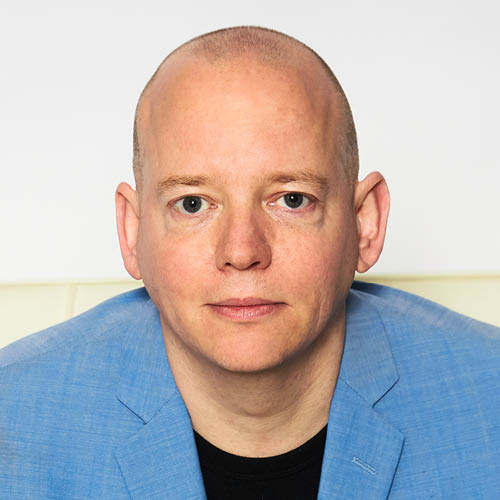
Welcome back to CEO: Behind the Scenes. I'm Chris Dutton, founder of The CEO Magazine, and
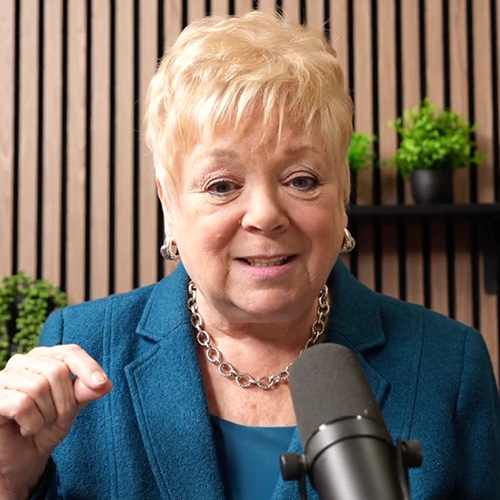
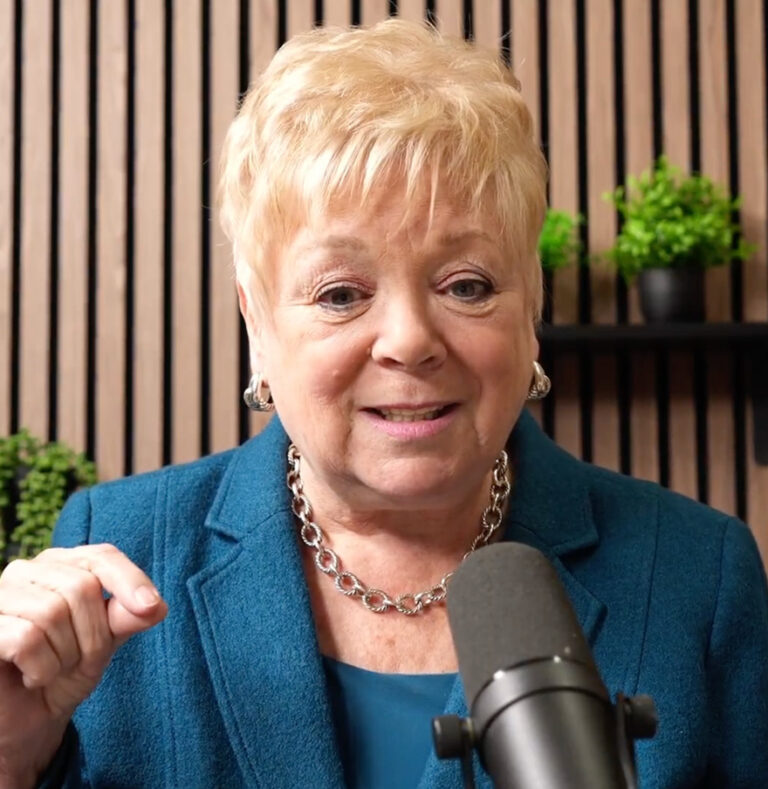
today I'm joined by Janice price. She's the president and CEO of ROM governors, the
philanthropic foundation that supports the Royal Ontario Museum. Janice has built a remarkable
leadership career across North America, holding multiple CEO roles and leading major cultural
institutions through moments of profound change, from launching new organizations from
scratch to navigating global crises. In this episode, we'll explore what bold leadership really
looks like, why cultural institutions matter more than ever to civil society, and how
organizations like rom must think and operate like businesses to secure their future. Janice,
welcome to the podcast. Janice, for those meeting you for the first time, can you briefly
introduce yourself and share the journey that led you to the role right now as president and
CEO of Royal Ontario Museum governors? Absolutely. It's been a fabulous journey. I feel
extremely lucky because I've held so many wonderful roles. And the Royal Ontario Museum, the
governors, is the foundation that raises funds to support the exhibitions and the operations and
all the activities of the museum, which is Canada's largest and most visited museum,
encompassing natural history, art, nature, lots of dinosaurs. It's an amazing place. I actually
started my career originally in media. So I started in television as a program director and a
promotions director. So I was doing PR and promotions and marketing, and then I made the
move into the performing arts, lively arts at a wonderful concert venue in Toronto called Roy
Thompson Hall, the home of the Toronto Symphony, and they also run the historic Massey Hall.
And I had a good few years in that role in the performing arts, and then I was recruited to
become director of marketing for the Stratford Festival, the globally renowned Stratford
Festival in Stratford, Ontario, had a wonderful time there as Director of Marketing special
projects working for Stratford Festival, and lo and behold, didn't I then find myself in the United
States, And so it's been a bit of a journey. There's two big jobs in the in the US as well, before I
return back home to my home in Canada, including Lincoln Center for the Performing Arts in
New York City and the Kimmel Center in Philadelphia. Sounds like I can't hold down a job? Well,
you're a fascinating lady, and I've got so many questions to ask you, but you mentioned
dinosaurs, and I saw them on your website. What are these done? And they're real, and what?
What make a model of these dinosaurs? It's we have a globally renowned paleontology
department and natural history department at rom we're very proud. I always say, Oh, the kids
really love dinosaurs. And my amazing Dr, David Evans, who's the head of the paleontology
division, says, You know what, there's a lot of dinosaur nerds out there, and they're not all kids.
It really is quite incredible. We have wonderful specimens. We also have casts of very fragile,
important dinosaurs that we can't show them in their original form, but we do very precise,
very scientific tasks just to show the world and demonstrate the beauty and the fascination that
never seems to end. For people with dinosaurs, please tell me you've got a T Rex. The T Rex.
I'm not the expert. I just raise money to make sure the T Rex always has a wonderful home. It
really. We had an exhibition a few years ago on T Rex, and it became one of the most visited
exhibitions at ROM for sure. But we're coming up on an amazing exhibition that will be hope,
opening at the end of this year on raptors. Wow, and how some Raptors actually lived there
was one small kind of Raptor, a very bird like Raptor, that actually lived with in partnership with
and safely with T Rex. So that's another fantastic exhibition that we have.
05:00
Coming up this year, sounds amazing. And you mentioned that you've had several roles,
obviously, across North America. So what first drew you to arts and culture as a place to lead? I
was always interested in the arts. I loved theater. I was, you know, always in my high school
musical or my university play. And I was interested in it from, believe it or not, it's hard to
believe that even as a younger person or a university student, you would know, and it's one of
the things I really like to convey to young people in our sector or in or earlier in their studies.
It's a business. There's massive amounts of jobs and satisfaction and ways that you can
become engaged in work within the arts and culture sector. And it's not all about being in front
of the camera. It's not all about even being maybe behind the camera as a cameraman, there's
1000s and 1000s of people that it takes to run a major Performing Arts Center, and it's in
publicity and PR, it's in artist services. There's so much that is available in this field. So I was
drawn to the field because I loved arts and culture as a consumer. And luckily for me, or fairly
early in my university career, I became aware that, yeah, it actually is a business. And there,
there are careers that you can make in arts and culture that is not about being an actor or a
singer or a dancer. And that's why I've been fond of saying. I often say, you know, my business
card in all my leadership roles in major arts and culture organizations around the world should
actually say not a title, but arts enabler. That's what I do. I see my job as being the person who
helps enable the arts to happen, be it through fundraising, leadership in administration? HR, it
doesn't matter. There are incredible organizations dedicated to bringing all of that work to the
public, and you need people like me behind the scenes helping make that happen. I'm glad you
touched on earlier in your career. So looking back, what would be some of the sort of bold
decisions that you made earlier that have kind of shaped who you've become today, always
being incredibly curious, you know, when you're in a role, and I know this is about, you know,
speaking to women, CEOs, young women building careers, or men building careers. I would
give this advice to anyone, when you're in a job and you have that title on your business card
and you have your job description, don't put yourself in that box. Just keep your ears open.
Keep asking questions. You know, have coffee with someone who does a completely different
role from you, and ask them about that role. So for me, there was curiosity. There was a great
capacity to to actually welcome change. So, you know, there's all the psychological worlds that
say, you know, what are the biggest fears people have in life? And you know, major life
changes are part of that. But there's something to be said for that little bit of fear of, you know,
take that risk, make that move. Often when I give speeches, especially to young women in in
the field, or women in in university. And then I preface it by saying, Do not go home and tell
your parents I told you this. But don't be afraid to move. I mean, move geographically. I have
moved to, you know, five different cities and places in my career. So you really have to be
someone who says,
09:08
I can take that passion, but I do have to be ready to keep an open mind to new opportunities,
new ideas, and sometimes that means leaving home and going and doing what you want to do
somewhere, somewhere else. You've touched on something that many leaders we speak to talk
about. You've mentioned about being curious and and being bold or brave or taking risks, and
I'm talking about the comfort zone. So a lot of leaders are talking heavily about step out of your
comfort zone. That's where the magic happens. What are some examples you can give me of
times where you've stepped out of your comfort zone? I moving from my hometown of Toronto
to New York City. I knew the city. I had done some work and had relationships in the city, but
that was a big move. The other I think, would be saying.
10:00
And when you first are given the opportunity to take that step up to
10:06
leadership, to CEO level leadership, there's a natural tendency to say, well, you know, I've been
very successful in this particular area of my career. In my case, it was largely marketing and
public relations, communications, that type of thing. And then, as I said, you talk to other
people, and you realize, oh, you know, yeah, I've heard a lot about, how does fundraising work,
how does production work? How does finance work? And then you're given that chance, and
someone says, okay, you know, are you ready to be a CEO, and there's always that moment of
self doubt, am I do? I have all the skills? Can I do it all? And that's that's where the mistake
comes in.
10:53
You don't do it all. You embrace the fact that sometimes you're out of your comfort zone. I'm
not a CPA, I'm not a CFO. I understand how to run the finances of our organization, and I'm very
conscientious about that, but I put good people around me with those skills. And so I think the
thing about the counter balance to Oh, am I a little out of my comfort zone? Is,
11:22
yeah, we can't all be know everything and be everything, but you have to be secure enough
and confident enough to put really good people around you who have those skills. And so
suddenly discomfort becomes very, very comfortable when you have fantastic people around
you who fill in any gaps you may have in your skill set you mentioned about, you've relocated
for a lot of roles. You've built Luminato up from the ground, and you've led through moments
like 911
11:54
and covid. How did those experiences shape how you think of leadership today because you've
led through some challenging times. I have led through some challenging times. I was asked
once, while I was still living in Banff in Alberta, to give a talk
12:14
in what we believed was beginning to be nearing the end of of covid. And they said, Can you
come and speak to our executive leadership group on resilience, and I found myself thinking,
resilience, okay, we all use that word. We use that word a lot. And I went right back, you know,
to what's the dictionary definition of resilience? And I found far simpler than you would think,
not that complicated. And the definition was, resilience is an ability to recover from or adjust
easily to misfortune or change. And so when you boil that down, you say, okay, yeah, we're
always going to have some misfortune or change when we're leading organizations or in our
own lives. So how do you become resilient? It's that ability to recover from or easily adapt to,
13:15
I said it simple. I've just made it sound simple. Of course, you have to have a lot of ability to
make very difficult decisions. So for example, in covid, we had to make difficult decisions
because we had to shut down all our revenue generating activities, and we did have to lay off
staff. And it was a temporary layoff that became for some more of a permanent layoff. We
didn't lay off all our staff, but a significant number of staff, and you have to have the the ability
to say,
13:50
in times of challenge, what are the most important decisions that must be made quickly and
with confidence and with absolute certainty, and who do I need to involve in helping me make
those decisions? So you convene the right group of people. You listen to all the input. And
sometimes there's not always consensus, but you listen to everyone.
14:20
You bring your own thoughts and instincts and leadership abilities to the table and you make
the decision, because the worst thing that you can do in times like this is not make a decision.
You must decide. And I've often said to my teams, you know, what
14:40
a bad decision or a decision that you end up wanting to change later, you can always react and
you can adapt to but there's action happening. No decision is the worst decision,
14:53
so you bring decisiveness to the table. 911 that was I was living and working in New.
15:00
York City as VP of Marketing and Communications at Lincoln Center. And you know that was an
extraordinary world event, and not dissimilar to covid, unlike other kinds of institutional
change, perhaps there's always an element of humanity that you have to bring to the table. We
had to make some very quick decisions. We had to support people who had lost friends and
relatives. We had to keep the ability of the arts to actually be an antidote to some of that pain.
So that that was another example, but you do always have to bring humanity to these kinds of
situations. I love it. What you said about resilience, my my personal thought is it's okay to make
mistakes, it's okay to be in tough times, but it's how you react and adapt that is the most
important. How much would you agree with that? Absolutely. I mean, that's why I always go
back to that dictionary definition, your ability to recover from or adjust easily to misfortune or
change. And so if you put that in front and you say, Okay, well, what is my ability today to to
recover from a challenge that's just been put in front of me, as big as 911 or covid or some
smaller thing within your institution that is important and meaningful. I think if you put that in
front of you, that's your job as a leader. That's your job as a CEO. You have to recover from and
adapt easily to change and challenge a lot of our audience and people listening to this podcast.
They're not just C suite leaders. They're emerging leaders. They're people that want they aspire
to be these people. What advice would you give to those people about taking risks, especially
when the road ahead feels a little bit uncertain. What would you say to them about taking
risks? I would say, you know, the word risk, inherently it comes, it seems to come loaded with
with a fear component to it. Oh, risk. I'm gonna jump from a tall building and hope the bungee
doesn't break or, you know what? You know risk. There's always degrees of risk. There's a risk
that is, should I? Should I go for that next level of promotion? Do I feel I'm ready? And what's
the risk if that doesn't happen? Well, my leadership team knows that I aspire to more senior
roles, and if I don't get it, you know, I can, I still have my job. So I think the word risk has gotten
a bad rap,
17:53
because it does seem to come with that, that that notion of automatically, you hear risk, you're
like, fight or flight, you know, protection. I think risk is incredibly exciting. Taking a risk can be
incredibly liberating, because when you take that risk and you find out that
18:16
nothing bad happened, then it empowers you and enables you to be confident to take more
risks. So as I say, there's there's degrees, you know, of risk. A very common phrase is
calculated risk. So have you? Have you sat down and thought, Okay, first off, why do I think this
is a risk? To think something's a risk, you have to think that there's some kind of consequence
that potentially is going to come from that. And so what is the potential consequence? And the
more you analyze it and think, why am I even thinking of this as a risk? Sometimes, when it
comes right down to it, it's like, actually, there's not a lot of risk here. You know, no one's going
to lose their life. And so I think just doing the proper thinking analysis Don't be rash, but don't
always automatically think that risk is a scary thing. Risk is what pushes us. Taking a risk is how
we learn. Taking a risk is, oh, gee, I don't think I like that kind of cuisine, you know, take a risk,
try it. Oh, I love it. So risk is a way of growing. That's my personal view. Take those risks. You
grow, you learn. Maybe, maybe it fails. And even from that, you'll learn. Well, they say that
99% of things you're worrying about when you take a risk is never happening. Never happen
anyway. So why are we focusing on the 99% well, because we've been told that that word risk
is inherently a fearful a fearful thing. I get excited by risk. I you know, to me, you know people
say risk, reward, right?
20:00
Rather than reward, I would say risk opportunity,
20:04
because without the risk, where the opportunity is going to come from. Getting back to Royal
Ontario Museum, you've always said that the museum plays a vital role in in society, which is
something absolutely true. What role do museums play in terms of connecting a community. I
think when you look at the history of museums, and the Royal Ontario Museum is an over 100
year old institution. So it is in that classic model that people think of the British Museum, the
louver the great European museums, of course, you know great New York museums, be they
visual arts or natural history, that, along with many other cultural organizations, I could say,
from my previous work in performing arts, you know, is the Metropolitan Opera an intimidating
institution. Is your local dance institution? Intimidating if you don't feel that you are either
invited or welcome or that you will understand the experience. So I think the way these
institutions do play a vital role, and where increasingly I have seen over the last two decades in
both performing arts and the museum world is institutions thinking more seriously about
making that invitation.
21:28
It's no longer that you know the temple on the hill where it's up to you to find us, and we will
enlighten you, and you will be enriched because you walk through our doors, you have to reach
out and say, Why are we
21:46
going to give you an experience that resonates with you personally? Toronto, as I think you
probably know, is one of the most culturally diverse cities in in the world. The UN often says it
is the most culturally diverse, most languages spoken. It is very much a diaspora community.
So how do you say to a new Canadian? We want to invite you in to see both the culture where
you come from and that resonates with you, reflected in a museum that is also showing
cultures from around the world. So how do you find your place in in a museum or or a visual
arts gallery, if we can't reflect your understanding back to you? So I think that's that's one of
the important things that more and more large cultural organizations are doing saying we really
do need to meet visitors and audiences where they are, and then hopefully they will allow us to
take them on a journey of discovery.
22:53
What do you think people, including business leaders still today, misunderstand about the
value of arts and culture in society. There was just a story in our national newspaper yesterday
about the challenges of raising funds for the arts, you know, which is obviously been a long
standing challenge. I think one of the issues is there's a there's a notion that
23:22
the whole category that is broadly called nonprofit, which embraces education, healthcare,
social services and arts and culture.
23:34
So sometimes you will hear, Well, you know, the arts are a nice to have, but health care is a
must have.
23:45
My response to that is we shouldn't even position that those are choices. It's not an either or
unfortunately, we have many, many enlightened, wonderful donors, both philanthropists,
corporations, foundations, who do recognize that every one of those verticals has to be
supported, I think one of the other common misconceptions is that, well, it's already funded by
government. It's already funded by my taxes. So why do you need me to now give you more
and of course, as we know, public sector even in Canada more so. Of course, in the US, it varies
around the world. In Europe, the arts are more generously funded by government. But there's
always that sense of, Well, I kind of gave through my taxes. So you have to, you know, explain
where the need comes from. And the other misconception that I that is something I've really
been focused on for a few years. And my colleagues know I often say I would like to rename the
not for profit sector the not for dividend sector, because we are raising money we are.
25:00
Generating revenue we are running, in most cases, like a business. We just take the money we
earn and we put it back into our mission and our institutions. We don't pay it back out to
shareholders. So we are incredibly efficient, incredibly conscientious businesses that that run
on the funds we receive with the goal of not running a deficit, breaking even funding our
mission, but we have many, many practices that are very similar to commercial enterprises. We
sell tickets, we sell merchandise, we trade with other organizations. So I think those are a few
of the of the common misperceptions of just this. You always have your handout idea, and then
what is the return on investment? What is the impact? But like that leads to a whole different
question around you know, the the impact and the importance of culture in our societies. I love
not for dividend instead of not for profit. It's absolutely amazing. I've never heard that before,
and it's brilliant, but you're absolutely correct. The Royal Ontario Museum, it's a business. It's
the fact that you put profits back into it doesn't mean you don't have to operate it as clean and
as efficiently as any good business should be. How do you balance the mission of the museum
against the fact that you have operational realities you need to make money? I could say that
about any of the large cultural organizations in our country and around the world, you do have
to think about, sometimes it's a balancing act. I had an amazing, wonderful board member and
impresario early in my career, when I was working at Roy Thompson Hall, which is a classical
music venue and popular music venue, but it's a music venue. And we had, I had a wonderful
board member who elderly gentlemen, Austrian gentlemen, who had founded vocal festivals,
had really been in the business for a long time, and we were having a meeting where we talked
about, okay, well, if we book this act, it's really, really important to bring that that music or that
orchestra or that artist to our stages, they're not going to make a lot of money, but then we
have this act, and of course, that's, that's part of the job. What? What's going to you know, how
is it all going to balance out? That's why you get this notion of blockbusters, as they say, in in
the museum world, or Broadway hits in the performing arts world, and the wonderful late
Nicholas Goldschmidt at a board meeting when he was trying to explain to a board member
who was more from the business world, and the board member was trying to understand this,
well, shouldn't everything make money? Like, why are you even booking anything that doesn't
turn a profit. And Nicholas Goldschmidt said to the board, the Beatles pay for Mozart.
28:11
That was his answer. The Beatles pay for Mozart. And he was, I think, 90 years old at the time.
He said that. And I was very young in my career, and that is the quintessential thing. It's finding
that balance in that not for dividend world, you have a mission, you have a purpose you have
to fulfill. You have an educational purpose. You have all these things you're trying to
accomplish. But yes, you know what, if you're going to do
28:39
Shakespeare plays. You can also deliver a fabulously produced and fun Broadway musical for
your audiences as well, and that's the Beatles pay for Mozart. What do you think is
misunderstood about not for profit, leadership, particularly with something of the scale of the
Royal Ontario Museum, what do you think people don't quite understand about leading
something like that? Well, I've already touched on the fact that I don't think they understand
how many of the same exact same business principles apply, the same budgets and finances,
big HR departments, unions, physical facilities, so many similar things that are not that
different from operating any large business, especially one that has a physical plant or a
manufacturing division. Interestingly, you may be surprised to hear where I'm going to go with
this one. What I think is not well understood about what's involved in leadership at large arts
organizations or cultural organizations is
29:46
what a rewarding, rewarding in terms of the satisfaction you get from your job, and rewarding
from a financial perspective, these jobs can be.
30:00
Me this notion that, you know, I'm an MBA student, so I couldn't possibly go into the nonprofit
sector and be that hospitals or higher education or culture, because I'll be impoverished. And
the fact is, just building on everything else we've just talked about, these are highly, highly in
demand jobs that require outstanding executive leadership skills. And they are, in fact,
increasingly compensated in an appropriate manner. So because you want to follow your heart
and lead a large arts organization does not mean you're going to be living in a garret. The there
are very
30:50
well paying jobs at every level of management and executive leadership in the nonprofit sector,
and so I often give talks to MBA students, and my slideshow says how you can do good and still
do well, because there are young people who actually do want a career in a mission driven kind
of field, and they've made this assumption that, you know, well, that means I'm, I'm, I'm never
going to Have a good salary. And it's just not true. Talking about you mentioned about donors
earlier, relationships and partnerships in business are crucial, and as they are in life, how do
you build strong partnerships and relationships with businesses you rely on and in particularly
donors? I will speak for me and the way I have worked successfully with donors in the past. The
first and most important thing I do is, well, I obviously the practical things is, you look at their
history of giving, you look at where their passions lie. And this applies to corporations as well.
So I've been an organization sometimes where I've someone has said, oh, you know, let's go
and meet with with this company or this donor. And I've said, Well, you know, you never say
never. But I've looked at their profile, and it doesn't seem to me that what we do is what
they're particularly interested in right now, or that's not where they're corporate giving, and
that changes often, every three to five years. Corporations maybe adjust, but I ask them, so the
first thing I do is say,
32:31
I don't go and immediately start pitching them on something. I say, what are your giving
objectives, be it in the corporate space or the individual philanthropic space. What do you try to
accomplish with your giving, with your investments in into nonprofit organizations?
32:56
And then they'll talk about it, and then, you know, hopefully not too frequently, maybe only, I
hope only two out of 10 times versus nine out of 10 times. I will say, I think that's really
wonderful, and it's commendable, and you are making a big impact there. And that's not really
a space that we're in right now where, where I could actually give you an opportunity that I
think would would make you happy, but you learn that, and then what you do learn, because
you have learned what makes them happy, then you can begin a conversation about, you
know, what resonates this, that, but the other thing is to to Keep the relationship going in a
really authentic way. If you have a donor who's really passionate about your organization, this
might transfer to the investor world as well. If anyone listening is in the for profit sector, you
can't just engage with them in a transactional way. At the moment that the transaction
happens, you have to keep you know. You have to remember to send the cards. You have to
know the names of their kids and their grandkids, and authentically want to know. You have to
ask them how things are doing. You have to sometimes plan a call with them that is just Hey. I
thought you might be interested in knowing this, this, or this is happening here, or maybe even
in another institution. And I thought of you, I thought that would be interesting to you. And
there's, there's no ask, there it's a relationship. It's like, you know, a relationship has to be a
two way street, and it can't just all be Ask, ask, ask, give, give, give.
34:38
Speaking of building relationships, you're building something very exciting at the museum,
aren't you? We are. We're you know, when you're running an operation that is open six days a
week and welcomes 1000s and 1000s of visitors, families, school programs, educational
programs, and then you say, we think.
35:00
Would like to do a major construction project in and around that for many of the reasons we've
just talked about, you're not going to close your operation. You just can't museums do there are
ways that capital projects happen where it is planned that the the facility will not be available
to the public for X number of years, but RAM made the decision to renovate and expand and
beautify and make more accessible an entrance 20 years after the last renovation of that
space, and do it without closing the museum. So there's a project now called Open ROM. We
have an amazing donor family attached, who made a significant gift to make that happen. So
operating the museum, it's like moving jigsaw pieces where, well, that's now open, but now we
have to move over here, but that's exciting, but that brings up the fact that when you're
running large cultural enterprises, every once in a while, you get to operate for five or 10 years,
or sometimes longer than that, just with your programming as the main thing you're raising
money for. And then inevitably, that capital project comes along, and suddenly you have to
also ask people to help you raise money for your facilities, to either expand them, repair them,
enhance them, update them, etc. So you still have to raise money for the regular programs, but
we are raising money for capital right now as well. You're clearly such an incredible person. And
talking of you personally, you've you've been named as one of the CEO Magazine's Top 50
women over 50. What does that mean to you at this stage of your career?
36:46
I love that you added that extra sentence, because if you'd said, what would it what does it
mean to me? Of course, it's an incredible honor. And you think, Well, you know, it's nice to
know that you work hard and you try to do well and and run a great operation as as a CEO, and
to be recognized for that is wonderful. But I love that you added at this stage in your career,
because I would say, as we, you know, have, you know, International Women's month coming
up, as it were, I have actually been doing this for quite some time, and for me, it's just so
incredibly rewarding to see that from when I started my career, and I was a rare female in an
executive boardroom, or the constant first woman to be appointed to this so the first woman to
ever do that, and back in a time where it still was was challenging, there were still mores and
customs that we would not accept nowadays, that you had to manage through as a as a young
woman in your career. So I would say one of the reasons it means so much to me now is that I
can look and see how many more women are being given these fantastic opportunities, how
many more women are being recognized as great leaders, and how many more women,
hopefully, are finding it more accepted and more understood to be the norm to be that woman
in the boardroom. What would you say to to women in their mid to late 40s or 50s that might
feel it's too late to aim higher or even pivot in a completely different direction professionally? I
mean, in some ways, my pivot from pretty much, well, media and then performing arts pivoting
to museum world, one would say, Oh, well, that's that's a different kind of cultural entity. But
the the transferability is incredible. I would say a few things. I'd say, look at how transferable
Your skills are
39:02
because, honestly, there's a table of skills we've touched on, some of them that are going to
apply in many, many different sectors or in many fields. And if you're feeling a yearning to
explore a different field, try to speak to some other leaders, be they male or female, to really
say, What? What does that feel like? And you would be surprised how often they'll say, oh,
yeah, you could, you could transfer everything you've learned and done over there to our
sector, if that's something you're interested in doing. So I think, I think it is. We're so much
more fluid now with the with the skills matrix that I'd say, don't, don't be afraid of that, take the
risk. But the other thing I would say is 65 as the retirement age, I think, certainly in Canada and
I maybe other places in North America, maybe less so in.
40:00
Europe, I don't know that is now an old construct. I mean, people are working longer and
longer. I have spectacular board members who are fantastic contributors, both to from a
leadership perspective and a council perspective, to me and also financially, who are not
stopping working, and they're in their late 70s or 80s, and they're they're making fantastic
contributions. So I do think it is more and more accepted in society now that people are going
to work until they feel they are no longer able to contribute. They're not doing a great job, or
they're no longer interested in doing that. They want to do other things with their life. So I
would just say the age thing is almost really a non topic. Janice, you've sustained a long and
high level career. How have you avoided burnout, and what advice would you give to people to
stop that? I've always been very excited by the work I do and energized by it. This is a
demanding sector often, you know, I've said to some of my team members, especially in the
performing arts world, you know, our work is other people's leisure, so it's not up to them to
care that you have to be there till midnight because there's a show to put on. You know, that's
that, that's our work and that's their leisure. So just be conscious that you've made that choice,
that this is the lifestyle, interestingly, the way I have done it historically, and it was particularly
easy and beautiful. Banff, you actually get some
41:43
quiet time. So especially when you're in when you're in a field like this, that is so social, and so
there's always events, and there's always entertaining, and there's always people that you're
you're meeting and greeting and talking to. So then the last thing for me when I go home, and I
often throughout my career, was living on my own. Now I have a wonderful husband here in
Toronto, but I would just have quiet time, listen to music, go for walks, just try to get out of you
know that that space and find whatever it is. I guess for some people, it's, you know, yoga or
going to the gym or whatever. But the other way to avoid it, to avoid burnout, is to not get
complacent in your job. Keep learning, keep pressing, keep being interested. And you know,
burnout doesn't just come from too many demands
42:45
that can be a factor. Obviously, burnout comes from doing the same thing over and over and
over again with no new stimulation and no new
42:56
requirements that you think differently and do something differently, because that's what
excites us? Newness excites us. It is a part of human nature that we need new things. You
would have worked with some incredible people over your career who were who were the
mentors that shaped you most, and probably more importantly, what did they teach you? Well,
they taught me that it's very important to be a mentor. It's one of the things that I really like to
do and and try to make time to do, I would say that I have staff working for me now at rom who
worked for me 20 years ago at Luminato and then worked for me again at Banff. So, you know,
you talked about building relationships with donors, but you know, I believe in building long,
lasting relationships with my colleagues. You want to think that people would want to work for
you again and work with you again. So that's also very rewarding, because you see their
growth in the field. I had an amazing, amazing mentor in Beverly sales, the great American
opera star who was the chairman of my board at Lincoln Center. She was an amazing
fundraiser, an amazing relationship person. She was a big part of teaching me about it does
have to be a personal relationship. You have to actually care. You have to listen when they're
talking about their grandkids when you see them six months later. You need to remember
those kids names and ask how that soccer tournament went. And actually mean it. Actually
remember and care. So you need to be present with people. She also had an amazing I heard
her once say to a colleague who said, Well, you know her, her her nickname was bubbles.
There's a book called bubbles about Beverly, sales, the great American opera star. And he said,
you know, Beverly, you're running these big businesses, and you've run the City Opera, you're
running Lincoln Center, but you always seem so happy. And.
45:00
You've got a lot of stuff in your life and personal things as well. With her children had some
health difficulties, and I'll remember this the rest of my life, because it's a good way to go into
work every day. She said, I'm not always happy, but I don't have to be happy to be cheerful.
45:20
Love it. And I think leaders who bring their own baggage, yeah, maybe you're not happy, but
you still have to come in and you have to be positive. You have to be an empathetic leader. You
have to be supportive of your teams. So you know, you do have to be able to separate that so
that was, that was one of my, my great mentor teachings. The other one that I'm very fond of,
Richard manette, artistic director of the Stratford Festival. And I spent a lot of time with him,
and I traveled with him, and I went on to meetings with him, and we'd be in the back of a cab in
downtown Toronto, or we'd be on an airplane, or we'd be coming in the stage door at the
Stratford Festival. And he would always, he'd say to people,
46:15
what, what would you think of if this this or this happened, or is this a show you would come
and see? Or, you know, he would, he would ask everyone. And I know there were people who
thought, well, you know, why are you asking the stage door man or a cab driver? But that, to
me, was such genius. He had that common touch. He realized that's his audience. Everyone is
his audience, and everyone has the right to have an opinion about what it is you're doing, be it
in a museum, on a on the walls of an art gallery, or at one of the greatest theaters in the world,
the Stratford Festival. What's your advice for managing change? And when I say that, I mean
that you've seen, obviously, many changes over the years. And the two key letters on
everyone's minds at the moment is AI. I'd love to know, and I know the audience would I'd love
to know your thoughts on AI and what's going to happen in that space, especially in the arts
and culture industry, I think, as with any business or any leader, we're looking at how it can
bring efficiencies to our work and and how it can, it can help us produce output per se. For me,
I think it's more about an opportunity to have have a tool that may make you look at something
in a different way. So for us, and I think most of my colleagues in the cultural sector, when you
hear us talk about AI, we'll talk about its impact on creativity. I think every business needs to
be thinking about creativity, and creativity needs to be a part of what leaders have in their
arsenal, and that it's important to them. But I think AI everyone is aware of the risks or the
concerns or the downsides, but I would say the creative potential of asking AI to answer some
kind of question or help you think about a problem, could definitely tap into a world of other
ideas, but I do think also there is concern in the cultural sector around AI with respect to
intellectual property, And how do artists protect their work, protect their their voices, their
images. That's their livelihood, the visual works, they create. So I do think there's going to be a
period of discovery over the next couple of years that is about, how do we use AI productively,
but not have it actually rob people of their intellectual property when your chapter at the Royal
Ontario Museum is eventually written, what do you hope that that chapter says, I think I would
like to expand
49:19
the not just our museum, but generally museums can be somewhat conservative places. I'd like
to bring more creativity to the way we raise funds and the way we deliver for donors in every
stream of donations, corporate philanthropic foundations that that we, we do bring more
creativity to it that we, we make it more of a partnership. There's always going to be a place for
when you give this many dollars, your name's going to be on this list of people or in this house
program, I think, with new technologies.
50:00
With digital, with all the tools we have at our disposal, with actually letting the donors voice
their thoughts on what would make their contribution really meaningful to them. I'd like to think
that the amount of funds that are raised currently at the Royal Ontario Museum, the ways
they're raised and the way those funds have have created these more synergistic partnerships
with the donors that those things have actually seen meaningful change at CEO behind the
scenes, we always close with the same two questions. So firstly, what's one thing you've
changed your mind about recently? And why I think one thing I have changed my mind about is
new technologies. I, like many, was concerned, and I have partly because, as I said earlier,
surround yourself with great people. Hire really, really great people. Don't be afraid to hire a
person who actually wants your job, and hopefully, in X number of years, could do your job.
Those are the people you want around you. So I have brilliant younger folks around me who
have really opened my eyes to, as I say, the creative opportunities around some of these new
technologies. And that's one thing I've changed my mind about, because I was not that I wasn't
ever going to use it, but I was, I guess, what's changed is my level of concern about it and
trepidation has changed to a more positive view of how it can be used. And on the flip side,
what's one thing you've not changed your mind about? It could be a belief that you'd want to
share to help others lead or live better. I haven't changed my mind about being authentic,
being your authentic self. I had an experience, probably, I'd say, mid, mid to late, mid, high,
mid career, where I was being interviewed for a very important role. Might have been in the
United States. I can't remember. One of my references was called by the executive recruitment
firm, and they said, you know, yeah, we had this, we had this great interview, and we were
really impressed by Janice, but we want to ask you, like, really, what? What she really like, like,
that's one thing in the interview setting, but tell us about the real Janice, and this person who I
had worked with, he had been on my one of my boards actually said, so you how long did you
spend with her? You know? Oh, a couple of hours. And he said,
52:49
What You See Is What You Get
52:52
like that's if you spent that much time with her. I can't add anything to that. You can like her or
not like her. You can think she's the right candidate or not, but you always get the real thing,
and that is something I have never changed. You've got to be your authentic self. You don't
have to. If there's something you disagree with, there's always ways, and there's always
diplomatic ways to manage around that. But don't ever be anything but your authentic self.
That's the that's the path to success. Janice, thank you for sharing your perspective on
leadership, culture and courage, and for reminding us why institutions like rom matter so
deeply to society. To our listeners. If you enjoyed today's episode, don't forget to subscribe.
Please leave a review, and, more importantly, share it with someone who would be inspired by
Janice's story. Thanks for tuning in, and we'll see you next time on CEO: Behind the Scenes.



 170.5K
 1
1


 POPULAR TOPICS
  FEATURED PODCASTS


 Home
Home
 Podcasts
 Covers
 Community
 Sign In