00:00
I always, always try to lead with kindness. What we looked for is, how do we take the concern
of AI introducing bias and use it to actually overcome human bias? The only thing that's worse
than a bad process is an automated bad process. Anybody who gets to a CEO position has had
a lot of help along the way.
00:27
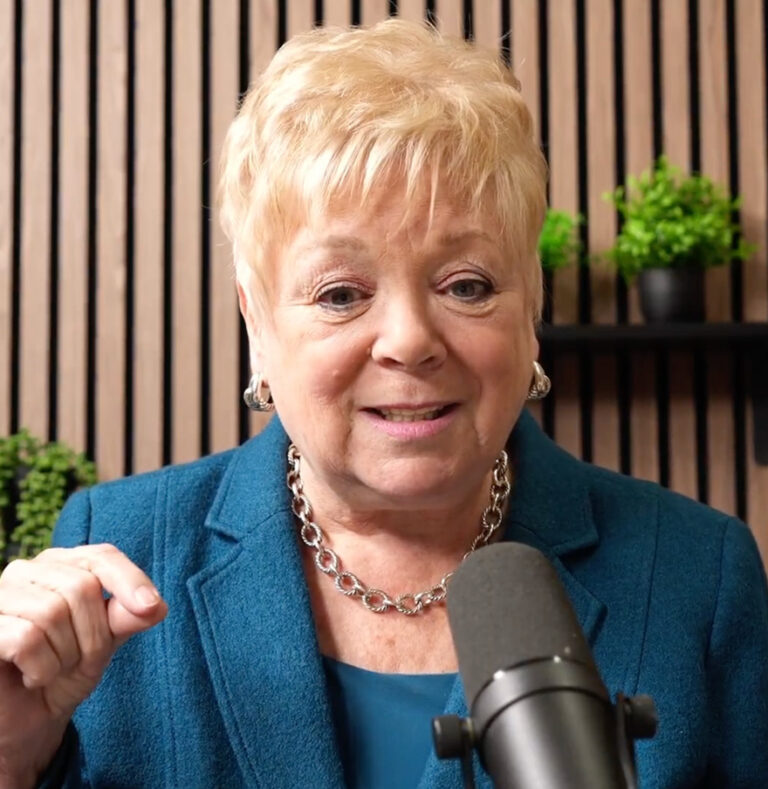
Welcome back to CEO behind the scenes. I'm Lara necessan, and today we're talking about
what it takes to bring advanced technology into one of the most resistant corners of business.
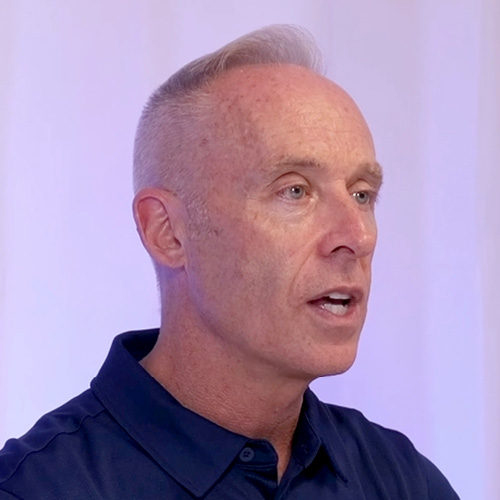
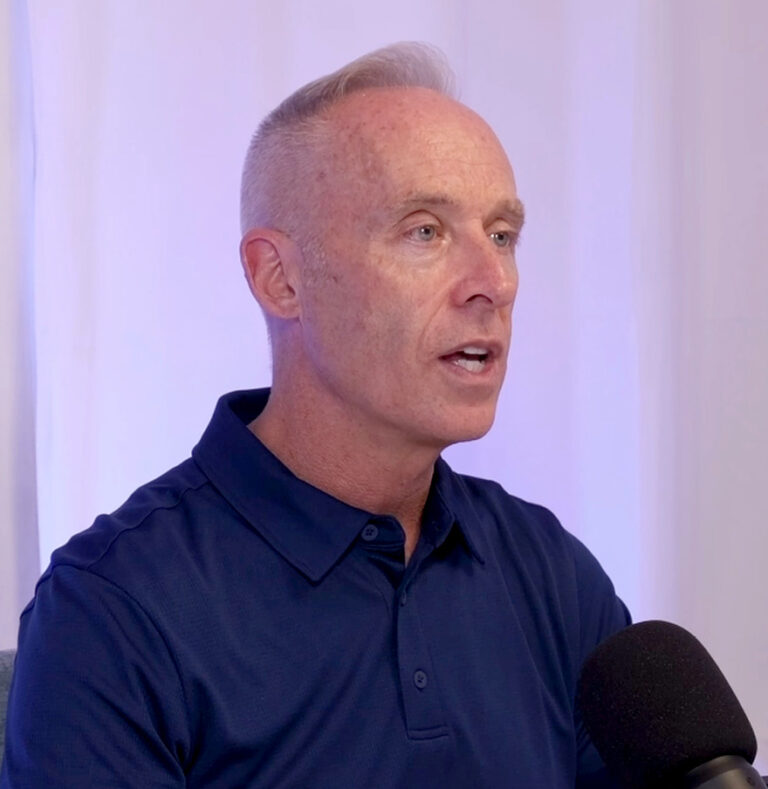
Our guest is Joe Tyrell, CEO of optimal blue. Joe has worked with some of the most innovative
tech companies in the US. However, he chose to step into mortgages, a sector long known for
paperwork and tradition. Under his leadership, optimal blue is proving that even the slowest
moving industries can embrace AI and machine learning when it's designed the right way.
Please enjoy Joe. Welcome to the show. Thank you. Laura, really happy to be here. What I
would really love to start with is the fact that you were working for some of the most innovative
tech companies in the US. What was the decision to then move into mortgages, one of the most
slowest moving traditional corners of finance? Well, it's really interesting, because I started my
career in mortgage technology back when it was very paper centric. And if you think back in
the US, in the 0708
01:51
time frame, is when kind of the mortgage bubble burst, and as a result of it, all of this new
regulation was introduced into the industry, and the challenge was the penalties or the
repercussions of getting something wrong, became very serious for lenders who had been
traditionally making mortgages with a focus on minimizing friction in the process and trying to
create a more efficient and faster process, when all of a sudden, If you didn't cross every t3
times and dot every i twice, there was some significant penalties that you were going to have
to live with. And so that ushered in this new era of checkers, checking checkers, checking
checkers. And so there was such an opportunity for technology to both bring confidence in the
quality of the process, but also just more efficiency and a better process for the consumer. But
to your point, it was really met with a lot of operational resistance because people were so
concerned about, well, what if I get this wrong? And so I spent a good amount of time in
mortgage technology. Ultimately, I got an opportunity to go and work and lead an organization
that was focused on really being at the forefront of generative AI and machine learning all
around the customer experience, and the clients that I was supporting were some of the most
well known kind of blue chip brands in the world. It was meta, Apple, Mercedes Benz, Marriott,
four seasons, Walmart target, all of which were looking to embrace generative AI, but doing it
through very use case specific ways, because what they were looking for was an opportunity to
generate significant efficiencies without jeopardizing creating a very personalized experience
for their customers or guests or patients. And so when the opportunity came for me to be able
to go back into the mortgage technology space, I was able to do it and look through a lens of,
how do we introduce the same sort of value in mortgage technology that I've just been doing
for some of the biggest brands in the world, take a very use case specific approach, That way,
we could deliver a high level of value but introduce a very low level, or really the target was no
level of risk to these customers who had really been learning lessons the hard way, through
over regulation and through penalties that they would have to live with. It's so interesting, and
I'm wondering, for an industry that is often stereotyped as paperwork and pen and ink, you
know, what really surprised you the most in terms of how people started to respond to this
technology and AI, what was that initial response?
05:00
And what really surprised you the most. You know, it's interesting when you look and I'm I think
this applies to most organizations that are looking to
05:11
adopt innovation, is when you're having a conversation with an executive, with a decision
maker, and you can highlight or articulate, or, even better, you can prove quantitatively what
the value is of leveraging that innovation. You get a lot of interest, you get a lot of support, but
then when it comes time to actually implement the innovation and change management is
really where kind of the rubber hits the road, you often find you get a lot of operational
opposition, and largely because the people who are responsible, you know, several levels below
the decision maker for running the processes, they know where their warts are, they know
where their work arounds are, and they've become so comfortable figuring out How to, you
know, manage in the absence of technology or innovation, that you get a lot of resistance to
change. And so one of the things that I found was really interesting is it's not so much the
ability to articulate the value, but you've got to really build the confidence of the people at the
operational level they're going to be instituting and relying upon this innovation as an assistant
to them, doing their job, not as a replacement, and certainly not as another added level of
process that they have to encounter. One of the things that you just touched on was this
importance of change management and one of the key aspects and factors to really consider
when it does come to change, management is building that trust that AI is here to really
support and not actually to take over their roles. How did you actually do that from a practical
perspective? What was some of the communication and messaging that you felt was required
in order to build up that trust and that conviction in what you were doing. It's a great question,
and I think we approached this from kind of a multi pronged approach. The first one was, we
have to realize that there is a spectrum of customers. I mean, even in the previous company
that I was leading, you're talking about all sorts of different industries and verticals. Yet, the
one thing that they all had in common was size. They were all some of the largest organizations
in the world. When you're serving a very specific vertical that spectrum changes from the
different types of businesses that they're in to the different size of organizations. And so you're
going to deal with very large organizations who ideally would love to have headless operations.
So I set it, I forget it, it runs, and I generate all these incredible efficiencies. And then at the
other end of the spectrum, you're going to have very small companies that are really afraid of
technology. They know that they need to embrace it, because otherwise they'll be at a
competitive disadvantage, but they're going to do it, not only cautiously, but very slowly,
almost like they've got to prove to themselves. So when you deploy technology, especially
generative AI or machine learning, you have to do it understanding the spectrum that you
serve and giving people an opportunity to consume as much or as little of the automation and
innovation as you're introducing. The second is you got to be really clear on what is it that
you're introducing when people hear generative AI, the first thing they think of, at least in the
financial services industries, is unintended bias. When you have decisions, financial decisions
that are being made, and you're using automation or technology to make those decisions,
you've got to really ensure that you're not introducing any unintended bias into the process.
And so one of the ways that we approached it is all of our AI is branded as assistants. It's not
there to make the decision. It's there to surface the important information so that the decision
can be made more easily and more correctly.
09:24
And so when you introduce it that way, and people understand it's there to help them to get to
the really important data, then it changes the way that they view embracing it. One of the
things that we say all the time is there is a lot of data out there that's interesting, but there is
only a very small set of data that's really important to the decision that you need to make or
the job you need to do. So we're using generative AI to surface the important data. That way
you're not being consuming all of this noise that doesn't actually help you get to the right
decision.
10:00
And then the last thing we did, and kind of the third prong to our approach, is we were very
specific with what problem we were trying to solve. People hear that, you know, we want to
deploy generative AI, it sounds great. A lot of companies are talking about it, but when you
actually ask them, what specific problem are you using the technology to solve you hear words
like gain efficiencies or create more transparency or accelerate innovation. None of that means
anything. You have to be able to tell the client here's the specific problem we're going to solve,
and here's how you know we're solving it in a way that doesn't introduce anything unintended
or unexpected. I think that last piece is so key and so critical, because a lot of the time, as you
said, it sounds great to talk about increasing efficiencies and all of these types of things, but
what does it actually mean? I'm curious to know, what was that process like, in terms of getting
to that level of being so prescriptive and clear about the actual problem that you were solving,
was there a thought process? Was there a series of discussions that was had to really uncover
what that core mission and intention was? Yeah, the first thing is, you've got to realize,
especially like for us, we're a B to B software platform, which means that even though we have
incredible expertise in our vertical, in the company, we're building software that we're not
using. Our clients are using it, but we're not originating loans, we're not pricing loans. We're not
locking loans like we're not a financial institution. We're a technology company that supports
financial institutions. So since we're not using our own software, it means we better be talking
to the people who are and really understanding what are the problems that they have, and
determining where generative AI and machine learning would be really appropriate to assist
them in doing their jobs. And again, thinking about, how do we deliver and deploy technology
across that spectrum, where we are going to have people that are going to consume as much
as we can produce, and we're going to have others that are going to go into it very cautiously.
The next thing we did is we tested it. I mean, we tested and tested and tested. You know, one
thing that we focus on is to ensure that we never have what I like to call partial prompts. So
you think about generative AI, it's all about the prompts that you're using to get to the question
you're asking the technology. So think about the word partial for a second.
12:43
That word has two different meanings. One of the meanings is it's kind of partial meaning
incomplete, not full, but partial. The other word is or definition to partial is bias. You know,
leaning towards having a bias. And so you have to really be thoughtful about the prompts that
you're using, especially in an industry where the financial repercussions of getting something
wrong isn't a bad survey from a customer, it's real financial consequences. So we wanted to
make sure that the prompts that we were using were complete and also that they couldn't be
misinterpreted, so that it would generate hallucinations in the AI. And so that takes a lot of
work. It takes a lot of customers working side by side to ensure that the results that we're
getting are not just consistent, but they're as expected. And so we took a very thoughtful
approach, and we've been doing generative AI within the platform for probably about six years.
A lot of it has been just kind of behind the scenes, working with customers, perfecting it to
ensure that the very specific use cases we're targeting, we actually can significantly improve
the efficiency, but also make sure that we're significantly improving the effectiveness of the
solution, absolutely. And one of the things that you touched on earlier was the fact that you
know a lot of your customers, and just the population in general, there is a different risk
appetite, there is a different level of openness and level of adoption when it does come to AI
and these types of technologies that you really are bringing forth into the mortgage industry,
when you have a customer that perhaps has been a little bit more on the reluctant side and is
saying, you know, this feels like a black box, like, you know, we're putting all this input in. I
can't even see what's on the other side of this. How have you really led that piece and really
helped to make somewhat the invisible, if you will, feel visible and also valuable to the client?
Yet it's it's something we face.
15:00
Literally every day, because you're really bringing your clients along and kind of helping them
gain confidence and comfort with the technology. In our case, it's pretty easy to do because we
already have a lot of automation that's configurable within our platform, so you can start
customers with basic heuristics, right? Kind of being able to write, if this, then that sort of
equations within the software, where they can automate really basic functions, and you're
building their confidence along the way. It's kind of the crawl, walk, run approach. So we have
tons of capability where the you can go in, you can control it, you can configure it, you can test
it, you can get comfortable with it. Then from there, we can move them up kind of the
automation spectrum, to starting to allow processes to run behind the scenes. We can
automate back office functions that have no impact on decisions. So again, you're just building
their confidence as we go. And then the third step really starting to embrace generative AI is
again, pick those high value, low to no risk specific use cases, and let them do it in lower
environments, so they can see in their test environments that they are getting the results that
they would have expected. And then they can deploy each generative AI capability almost like
it's an individual feature, and builds their confidence incrementally. But what you see is is that
the more and more that they start using it, the more likely they are willing to not only embrace
the next opportunity, but really what we look forward to is when they start asking us, well, can
you can you do this? Can you automate that? Or, I think generative AI could help me in this
area. And so that's when you really know you've got someone who's really ready to embrace
the innovation and moves from kind of that laggard to more of a Maven. You really met your
clients where they were at. And this is a really strong theme that I'm hearing from the
conversation. And the way that you're describing the technology that you've brought forward is
you didn't just meet them where they're at from a communication standpoint, from a
showcasing value standpoint, but then you actually went to the extent of designing products to
meet them where they were at. Could you speak to how you developed those types of products
and some of the thought process behind being able to meet your customers where they're at
from a product perspective? Yeah. I mean, start with the biggest issue in financial services
industries, which is the consequences of getting something wrong. So if you think about what
an originator in the mortgage technology vertical does is they sit across the table, whether it's
on a on a technology call, like what you and I are doing, or they're meeting at a Starbucks, or
they're stopping by someone's house to ask them some questions, to get a sense of what
they're interested and what their goal is, that they're trying to accomplish. And what that
originator does is they leverage their experience, their background, but anytime you leverage
your background, you can't help but introduce human bias into the process, because I might be
sitting across the table from someone and I'm starting to think, Well, I'm hearing what they're
what they're telling me they're looking for. They're telling me a little bit about their income and
their employment. And it sounds a little bit like, you know, my client three clients ago, and I
ended up helping them by putting them in this type of a loan, and so that, no matter how slight
is human bias. And so what we looked for is, how do we use AI and take the concern of AI
introducing bias and use it to actually overcome human bias. So the way we did that is, when a
consumer applies for a loan, there are so many different programs that are available to them. I
mean literally, there is, in some cases, hundreds of different loan programs. There's a different
program if you happen to be a teacher, because there's special programs for people that are
teachers. There's special programs if you're a first responder. There's different types of
programs if you're self employed, because there's different requirements to qualify. So as an
originator, what you tend to do is you hear from the consumer. You start thinking in your own
human database of, well, where do I think this is going to land? And then once you start the
process of trying to qualify someone for a loan, as soon as you get to a yes as an originator, as
a human being, you tend to so.
20:00
Stop, because my job is to try to get them qualified for the loan so that they can get into their
home. And so once I get to that, yes, I stop. And again, that is no matter how slight introducing
human bias. So what we did is we took generative AI and machine learning to look across every
loan program that this borrower could possibly qualify for, and then we serve those up to the
originator so that they're not just limited by their own experience. But now the generative AI is
looking for everything that they might be able to qualify for, and it's also looking for the loans
that they just missed out on and informing or educating the originator that here are a few
things that that consumer could do that would then give them these set of loans that would
also be available to them. So we're actually going to clients who are worried about technology
introducing bias, and we're showing them how the technology actually fights the bias that
already exists in their organization they might just not even realize
21:07
so powerful. I'm wondering, Joe, do you have a specific example of a client that came in that
was perhaps a little reluctant and resistant to the change, and once they saw the impact. They
really turned their perception around, because they saw the power of what this technology was
able to do for them. Yeah, we've had actually, many situations. One that I can share is about a
very large bank who's a client of ours. Now, when you're a bank, you have different
requirements for lending. There's something called the Community Reinvestment Act, and so if
you happen to have branches in a specific location where you're taking deposits from your
bank clients that live in that area, then when you're lending, you also have to make sure that a
percentage of the loans that you are granting are to that community where you're taking
deposits. And really the intent there is, is that you don't want to have banks that are taking
money out of a community but not putting money back into a community. And so a challenge
that a lender had was, is that, you know, they were constantly trying to ensure that they were
able to meet their CRA requirements. And so the challenge was there just was an opportunity
for them to easily identify when they had someone who might be eligible for a special CRA
program, and this was a client who was very resistant to using technology, because, again, for
banks, the consequences can be very big if you get it wrong. And so as we showed them how
technology, machine learning, using AI, using automation, could actually surface to their
originators when the person sitting across with them might be eligible for a special program, it
really changed the way that they viewed it. It wasn't that technology was a risk. It was more
that it was de risking some of the challenges that they were already facing. But again, if you're
not looking through the lens of, how do I solve a very specific use case, and you just talk about
where you know technology can improve things, you're going to continue to experience
resistance, and you're really not helping your customers understand the opportunity
technology can play in again, delivering high value and in this case with no risk. And it sounds
like the communication has been a really important piece of this equation as well, because it's
one thing to have these success stories about the value and the impact that this technology
has been able to bring forth to clients, but then it's also been about communicating that,
showcasing perhaps those client wins. I was wondering if you could speak to that piece and
how you've really thought about communication of what you're doing in the results that you're
bringing forth to your clients and to the mortgage industry more broadly? Yeah, absolutely. You
know, the thing that you have to understand as a technology provider is it when you're
introducing something new, even if it is going to deliver incredible efficiencies, it is change, and
no matter what, companies for whatever reason, are resistance to change, especially at the
operational level. And so when you're talking to a company about change, the first thing that
they're thinking about is the cost of change, and what happens if this doesn't work, and then
I've got to change back, and then I'm incurring more cost. So a lot of companies would talk
about things like generative AI or machine learning as cool and innovative, the customers that
we serve don't really care about cool or innovative. They care about a better experience for the
customers that they serve, and they care about creating.
25:00
Creating efficiencies without sacrificing quality or accuracy, which means you've got to come in
from the very beginning, understanding and being able to articulate the value that your client's
going to receive from this technology. You also have to understand both as the technology
provider, but also as the customer. If you're going to make the commitment that you're going
to embrace technology, you're kind of in it, because not just technology, but very specifically,
AI is like a campfire, and we've already seen companies that come out just blazing with all
these capabilities, but they don't continue to feed the AI with the data that's going to continue
to make it relevant, and so they quickly die out. So when you're making a commitment to AI,
you've got to be prepared to constantly feed the fire by providing more and more data. And
again, not just data that's interesting, but data that's important to help improve the results that
you're getting, to expand the capabilities. So we're very clear when we're having conversations
with customers, like, here's the value that you're going to receive, there's going to be a change
in your process. We're going to be with you every step of the way. So part of what we do is not
just say, here's our technology. Go figure it out. But because our company has so much
expertise that's been sitting where our clients have sat, we know exactly the challenges that
they're going to go through, the things that they're going to encounter as they go through the
change management so we help them with it. We actually have teams of folks who work side
by side to show them the right way to introduce the technology to help manage the change
management. And then we're constantly reporting back to them on we told you, this is the
value you should receive. Here is where you're at on your journey to receiving the value. Some
get to it very quickly. Others are a little slower to get there, and then we highlight why, but we
also share with them what other companies have done to achieve the level of value that they
should be getting. We don't share any secret sauce. It's all aggregated, anonymized data, but
it's helpful for them to see that their peers were on the same journey and ultimately got, or in
some cases, exceeded the value targets that they originally had, but also just making sure that
when they're ready to adopt technology that they know, that you know, we're going to continue
to evolve it, it's going to continue to innovate, it's going to continue to add more value for
them, and making sure they're really committed to wanting to leverage it, and to executives
that may be listening to this who are seeking to roll out more AI technology throughout their
organization, whether it be for their customers or internally. What advice would you give to
them? First is, don't just apply technology to what you're currently doing. The saying that we
have internally at optimal blue is the only thing that's worse than a bad process is an
automated bad process. And now with generative AI, the only thing that's worse than an
automated bad process is an agentic bad process. So when you're going to adopt technology,
use it as an opportunity to really see how you can reduce friction, improve workflows. Maybe
look a little bit outside of the box, of what you've been historically doing. Don't just put
automation on top of the current process that you're using, because chances are those
processes have been around for a long time. Again operationally, folks don't like to change. So
let's use this as a catalyst to really look at the entire workflow operations and figure out how
you can get the most value out of going through this change process that you are the second
is, is it's okay to slow down, it's okay to speed up. So the good news about when you're
delivering technology on a spectrum. For some people, you're waiting for them to get
comfortable with it. For most you're waiting for them to grow into it. So we're going to always
try to be ahead of where our customers appetite is for technology, one, so they always have
something else that they can adopt and consume, but also so so that they can do it in a very
incremental pace. So don't feel like you've got to do everything all at once. Really use this as
an opportunity to redefine what sort of organization do you want to be, not just, you know, six
months from now, but six years from now, because the technology is expanding and evolving
at such a rapid pace, don't worry about what it does today. Think about where you want to be
and what you want it to do, and work with a partner who wants to take that perspective and
see how they can incorporate it into their roadmap. That is such great advice. Thank you so
much for sharing that. And Joe, I would love to wrap up our conversation today.
30:00
With our traditional rapid fire questions that we ask all of our guests at the end of each episode.
So the first question that I had for you is, what is one thing that you've changed your mind
about recently, and why the thing that comes to mind that I've changed my mind on wasn't
really recently? It continues to happen on a regular basis, but it's really when you're in
technology, you kind of look at problems of there's always got to be a balance between high
tech and high touch, and especially when you're serving financial services clients from a B to B
perspective, you've got to be mindful of that balance, I've tended to put a little bit more of an
emphasis on the high tech, knowing that you always have to have some element of high touch.
I think over time, what my mindsets really change to understand that that balance is
completely situational. It depends upon so many different factors, not just kind of the vertical
use support, or the size of the organization, of the charter of the organization, but what's the
experience that that company has had? Have they had a bad experience in the past with
technology? Who are the customers that they serve? I mean, we have financial institutions
where their client base is all high net worth individuals, so their entire mindset is high touch.
And so understanding that it's not really a one size fits all approach from how you deploy
technology is is something that we've really learned, and now it really drives everything that
we do is, is understanding that balance is purely situational. And the second question I have for
you is, what is one thing that you not changed your mind about a belief that you'd want to
share to help others to either lead or live better? You know, when I look back at the many
people that have influenced my career. I've I've been lucky to have a lot of incredible mentors,
and I think anybody who gets to a CEO position has had a lot of help along the way. But there is
one leader that I've learned more from than anyone else, and this was the worst leader that I
ever reported to,
32:22
and I just remember all of the things that this individual did that just used to drive me crazy,
and the way that this person would treat people, the way this person would, you know, try to
bully people, You know, very tyrant mentality wasn't really listening to feedback or to any ideas
other than their own, and I learned so much on what I wanted to make sure that I never did
when I got into an executive or leadership position. And so that's always stayed with me. And
so my my mantra is, I always, always try to lead with kindness. Now, a lot of people will hear
that and go, Well, you know, that's, that's, that's nice, touchy feely kind of Silicon Valley
FinTech talk, but the reality is, is that you can absolutely hold people accountable and be kind
at the same time. And so in my career, I've had had many difficult conversations with folks. I've
had to make big organizational changes when I've come in to take over an organization, but
you can do all of those things and still be kind at the same time. And so I'm always cognizant of
the fact that with your position comes a lot of responsibility to ensure that you're creating air in
the room that you're in, whether it's a physical room or virtual room, and that you're making
sure that people understand that you care not just about the job that they do, but how they're
doing. And so that's something that's always stuck with me, and a very important lesson
learned very early on, that is such a fantastic response. And I think sometimes we learn
through the validating experiences of what we really enjoy and what we like, and a lot of the
times we learn through contrast. And I love that you took that contrasting experience and it
really shaped the way that you lead today. So thank you so much for sharing that, Joe and
thank you so much for such an insightful conversation. The work that you're doing in this space,
and the way that you have really brought advanced technology to such a traditionally slow
moving corner of finance, has been so insightful and inspiring. So thank you so much for joining
me today. Well, thank you so much, Laura for having me. I really appreciate it, and thank you
so much to our audience for listening. If you enjoyed this episode, then please be sure to
subscribe, rate and review the show and also share this episode with someone in your network
who you know would really value listening to. Joe.
35:00
His expertise and insights that he shared with us today. Thank you so much for joining us, and
we'll see you next time on CEO: Behind the Scenes.




 209K
209K
 85
85
 1
1
 3
3


 Host
Host
 POPULAR TOPICS
  FEATURED PODCASTS


 Home
Home
 Podcasts
 Covers
 Community
 Sign In