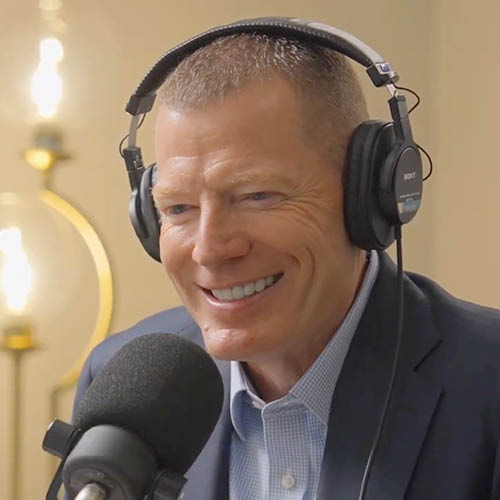
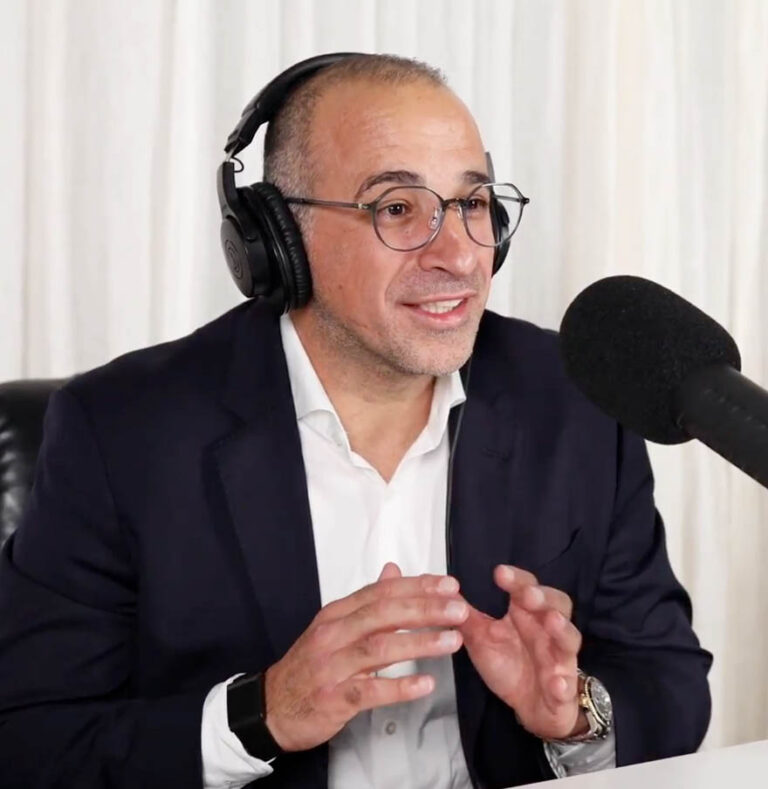
David: [00:00:00] Jeremy, thanks for joining us today,
Jeremy: David. Thanks for having me. Uh, great to be here. Thank you.
David: And for those that are watching, obviously the video production of this, they'll see I'm, uh, dressed slightly differently to what I might do usually see honoring my favorite state in the us. Hopefully that's Montana.
Is that what you're gonna say? It certainly is. Montana. Yeah. After watching, uh, Yellowstone TV show, I was, uh, yeah. Converted.
Jeremy: Very nice. I think a lot of people were converted with Yellowstone. It's, it's interesting though, you're wearing the hat and boots and I'm in a, a jacket and a polo shirt, so Yeah.
We'll, we'll make it happen the other way next time. Yeah,
David: absolutely. You can always spot the tourists because they are the ones usually in the hats and the boots. It's the same here in Nashville. Absolutely. So we were thinking what's a quick and [00:01:00] effective way to give our audience an insight into.
Yourself. You've got a very interesting background. Lots of different types of experiences. Yeah. So we're gonna start with the game. Three truths and a lie.
Jeremy: Well, I have to probably edit here a little bit already in that as an accountant, it's probably not a good way to start and introduce myself by being only 75% truthful.
You know, accountants are supposed to have a lot of integrity and, and be truthful. So, uh, interesting. I actually, as I, uh, started my, uh, job here now as CEO and managing partner of the firm and, uh, such a privilege to do that. But as I was introducing myself to the firm, I started with. A similar concept, three truths and a lie.
And, and a lot of the firm knew me already. I was head of our tax practice and, and our board of directors. But when I became, uh, the CEOI started with this and it was a little bit like this, a little virtual setting, and, um, had some slides and, and we had a little bit of a poll everywhere. And [00:02:00] so I did three truths and a lie, and my three truths and a lie.
My, my four facts were I've jumped out of an airplane to get to work in the morning. I've been on ESPN. I graduated top of my class from Stanford, and the fourth was I love to fish. And I recently caught a 30 inch walleye in a fishing tournament, so I pitched that out to our, um, all staff. You know, there's three or 4,000 people on the call and.
They're polling everywhere. And, and, uh, I, I go through that and, and actually then the conclusion is the first two are true. Uh, I was a smoke jumper coming outta college, so I worked for the Forest Service and my job was to, uh, parachute out of an airplane into a burning forest fire in the middle of the wilderness.
So that was my first job. So, yep. I did jump out of an airplane to get to work in the morning. And then with that I was also on ESPN. They did a segment called Wilderness Warriors and kind of film [00:03:00] training. And I was going through training and, and so I happened to be on ESPN. My mom, uh, we, we live out of town.
I'm, I'm on a small ranch growing up, a little, uh, farm and a ranch community. I lived outta town and somebody from town called my mother. And said, Ray, I think Jeremy was just on tv. I saw him on ESPN and my mom, God bless her, she says, oh, that's great. That's really wonderful. What, what's ESPN? So at that time, you know, or two channel family, my mom wasn't familiar with ESPN, so those were true.
Actually, the third one, I graduated top of my class from Stanford. That's actually also true. I'm from a small, uh, farm and ranch community, Stanford, Montana. So I did graduate top of my class from Stanford, um, the Stanford Wolves, not the Stanford Cardinal. Uh, now there were 20 people in my class, David, so it wasn't just a gimme.
So I did have to work pretty hard to get that. But I did graduate top of my class. The final one, love to fish. I [00:04:00] do love to fish. I love to fly fish a lot of times on the Gallatin River, near Big Sky, or on the Madison or the Big Horn here at Billings. But I haven't caught a 30 inch walleye in a fishing tournament.
So, um, any three truths and a lie, the fishing one's always the lie. So that was my introduction. Uh, it kinda got worse actually for me. Uh, we went on and, and I kinda went on with my slides and my best friend Ron Hecht, uh, he'd kinda helped me with it. And, and I didn't see the poll everywhere. I wasn't sure, you know, if I fooled anybody.
We get through the end of it. And I asked Ron, I said, Hey, how did that go? Did I, did I fool anybody? And, and he said, uh, no. Hands down. It was Stanford. And you know, I kind of shook it off. At first I thought, well, wait a minute, you know, aren't I supposed to be kind of viewed as known? A few things and fairly smart?
And I never think I have a big ego. But then I came back, I said, well, gosh, should I be worried about this? That, you know, that was the one I, you know. Who jumps out of an airplane to get to work? You know, does it look like I've been on ES, espn? Come on Fishing Story. [00:05:00] And, and again, this was my best friend at the time.
Uh, Ron says, uh, Hey, Jeremy. He says, I, I think it's actually worse than you think. He said, um, I knew you were from Stanford, Montana. He said, I just didn't think you graduated top of your class. So, yeah, I, I had a ways to make up coming into the role originally, and, uh, but that was my introduction to the firm was three truths and a lie.
David: Yeah. Fantastic. And remind us, when did you start in the CEO position?
Jeremy: Yeah, just over three years ago. Uh, kind of a transition period, uh, before then, but, uh, I've been, uh, effectively the CEO for, uh, three years
David: And tell us, especially for me, so I have this idyllic, idyllic version or thoughts of what growing up on a ranch in Montana.
Might be like, what was that like to grow up and, and what impact has that had in your, I guess, your development as a leader and as a man?
Jeremy: Yeah, right. You, you know, I feel, uh, looking back, really fortunate to have grown [00:06:00] up in a small town in Montana. I always say I'm kind of a shy boy from a small town. Uh, but, uh, really it, it's, you know, looking back, what it really brought to me was the value of hard work.
Everybody works hard in a small town, whether it's farming or ranching or taking care of other people. So that was kind of, uh, built into my DNA right away was working hard. Uh, my dad also was a music teacher, and so, you know, that was something that, uh, was part of being part of the community and being at school.
It was something too that you were expected with a class of 20. Uh, being from a small town, there was this sense of everybody being in everything, whether it was sports or music or drama or every club, um, at the school. You were just expected to be involved. I think I carried that forward later in my life too, in just the need to.
Be active and, uh, and, and to be involved in things. And, and I think just the beauty of being in a small town in, in one sense, you know, everybody knows [00:07:00] everything about you. And, and some might not feel real comfortable with that, but really for me it was great. You know, there, you had to kind of think as, uh.
What would my mom think if she knew where I was or doing this right now? And, uh, there was a sense of accountability right away. Yeah. 'cause it was always going to get back to my mom and dad and, and people just looked out for you. So that sense of just caring for your neighbor, uh, you'd never have to worry if you were, had a flat tire on the side of the road.
First person by would always stop and take care of you. So I think just that concept of hard work. Uh, accountability and that sense of belonging and, and really wanting to be part of everything and, and, uh, saying yes to those things. I think that really shaped me coming up and just knowing how to be kind and good to people.
That's, that's part of small town America too.
David: I think one theme that's probably gonna run throughout this conversation is your sort of authentic care about. People, your team and how you embed a culture.
Jeremy: Yeah, I think, uh, you just, it, it's ingrained in you caring for others, and, and I [00:08:00] think that's something that I picked up, uh, not only just from my family, but just the community.
And you grow up in a town of 600 people. Uh, you know, in a high school of 60 or so, it's just you are expected. It just really part of who you are is, is caring for others, and, and I've really carried that forward with me just probably organically, just that's kind of who I am and, and really thinking about caring for people as it led into my accounting career.
I, I love working with people and at the end of the day, when you have whatever you're doing, it's really about people. You learn that early on. Uh, growing up in a small town, I always use a quote from a former president of Starbucks saying that. We're not in the coffee business serving people. We're in the people business and we serve coffee.
And I think the same thing with our profession and, and our firm. I tell our people, Hey, we're in the people business. We're about relationships and we just happened to offer tax and auditing and advisory [00:09:00] services and accounting. And at the end of the day though, uh, we're all kind of middle children. We like to help people.
Uh, and, and I think that's, if you're someone who likes to help people. And, uh, serve others. I think accounting's a great profession for, for people, uh, that, that have that as part of their upbringing. And, and, and I did as well. I think that's just something, uh, caring for others and, and, uh, that's what you do every day.
It's not about the coffee, it's not about the audit, tax and advisory. It's really about just caring for people and helping them and their families and, and I think that really stuck with me and, and was something that every day. That's what I really enjoyed about my career. Along the way. It was serving clients, serving people, taking care of others.
David: You used to parachute down into burning forests. How does that compare to running a fast growing firm?
Jeremy: Yeah, uh, that's a good question. Uh, uh, who, who does that? Who jumps out of a plane into a burning forest fire? [00:10:00] Uh, really kind of the mantra there was you run to fire. Yeah. And that was something I carried through throughout my career was, uh, uh.
Doing hard things say yes to opportunity. I tell people that all the time. Say yes to opportunity, run to fire. Uh, challenge yourself. You know, people have this love hate relationship with challenge, but I always found in my career when, you know, if it's something that shoot, I, I don't know if I can do this or if I'm gonna be.
Good enough at it, or maybe I don't have the time. Uh, it was, yeah, I forced myself to do it, or I knew the answer was yes because I had done that as a smoke jumper. You run the fire and, and you do hard things, you do it well and, uh, say yes to opportunity. I tell folks all the time, I, I get the question a lot is, Hey, how do I in our firm advance?
How do I, if I'm an associate, become a, a manager? A manager, become a partner, how do you become CEO of the firm? And I always ask them, what do you do now? And if you're a manager in Tulsa, Oklahoma, I say, Hey, do that really, really well. [00:11:00] And then say yes to the next opportunity because we're gonna provide you more opportunities along the way.
We're going to folks that step up and say, yes, we're gonna provide 'em the next opportunity and the next opportunity. And, and hopefully that takes you where you want to go along the way and, and I think oftentimes it's not even that design about going to the next step, it's just do your job really, really well.
We're gonna provide you avenues, opportunities, and, and hopefully something that meets your passions along the way. And for me, shoot, I've just always been, uh, I always say I'm, I'm a really lucky person. Um, I'm very grateful. I'm always in the right place at the right time, but I think that comes from working hard and then just saying yes to opportunities.
Show up. Just show up every day and, and good things will happen.
David: How do you coach that mindset into somebody because that's, you know, not everyone has that.
Jeremy: I think it's by example too. I think when folks see that you, you know, you don't get there also to the next level or any level without that value of hard work if you're willing to work hard and [00:12:00] show that to others.
I also think there's that team concept, again, going back to that small town, uh, mindset. Everybody was on a team. You learn to work in a team early and so. I think when you're working in a team and you put the team first, not yourself, people certainly see that and uh, they tend to buy into that too, when they can say, well, hey, how do I do better?
And you do better by helping the team do better and helping your clients do better. I think that's just embedded in what we do. And, and again, I think we we're really good at. Giving opportunities to our people. You know what, uh, wherever you're at in your career or what you're doing on a day-to-day basis, we want to make sure you're enjoying doing that.
But what's the next thing you might wanna do? We're gonna present those opportunities to you and let you thrive. And in the next thing, and again, if you're willing to say yes to opportunity, just show up. Uh, I, I think you're gonna find a, a great career and, and, uh, a great daily life in our firm.
David: There was a phrase you used when we, you and I spoke a few weeks [00:13:00] ago, which was Midwest.
Nice.
Jeremy: Yeah.
David: Can you explain to us what.
Jeremy: What you mean by that? Yeah, it's a phenomenon. I, I don't even know what that means, but other than every, in, in fact, I, I'm not sure if we did here today, but every, uh, meeting you're at or every introduction, every team's meeting, it begins with talking about the weather.
I don't know how it happens, but you're talking about the weather and talking about somebody's family, uh, what they've been doing on the weekend. I think, uh, that starts the Midwest nice conversation. I think folks just genuinely care about each other. And somehow that weather conversation, again, you can't walk, uh, in my hometown, go to the school or the post office or the courthouse and someone not mention rain or moisture, you know?
So, uh, I think Midwest nice is, is really, uh, again, just caring about other people, showing that example. Um, I, I, I think when it comes to our culture, we're, we're really protective of our culture. We, we think, uh, uh, that's the first and the last thing we, we think about in, in the decisions we [00:14:00] make and how we do things.
But it really is, I think, caring for others, being kind and, and really looking out for, um, the whole, rather than just the individual. And I think that comes through a lot with that Midwest, uh, values. Whether you're from a. Farm and ranch, or whether you're from a small town or running a small business that kind of seeps into all of that, I think every day.
And, and, uh, it, it, and it doesn't have to be in the Midwest, it's just something we carry forward in, in how we interact on a daily basis.
David: The weather conversation. It's, it's a way of connecting, isn't it? It's the one, it's the one thing in this world that we know everyone out, anyone you speak to is affected by and connected to it.
So it's a surefire way of. Building some form of connection with somebody.
Jeremy: I think from the culture standpoint too, um, I, I use a lot of images and maybe storytelling and talking about our firm, but when I talk about our culture, I usually just show a picture and it's a picture of my family. It's generally [00:15:00] my three daughters, Gentry, Ainsley, and Finley.
And, and I ask our people, what do you care most about in your life? And almost always it's their family. You know, I think of, uh, our family, uh, you know, it's our children, uh, the three girls. And, and then when I ask what do we care most about our firm? You know, what's that same image if you had to put it on the screen?
And it's our culture every day. And, and you know, there are words on the wall. We have really good words that talk about our culture and, and we've got the sign on the wall, but at the end of the day, it's what you experience on a daily basis that I think really defines. Your culture and, and really how you go about doing everything on a daily basis.
David: And it's, it's a company that's a hundred years old, right?
Jeremy: Yeah, we're 108 year old firm and, uh, uh, yeah, it's, it's been a long time. I, well,
David: how do you maintain it and how do you evolve it, I guess, to meet the modern challenges?
Jeremy: Right. I, I think the first thing is you have to be really intentional about your culture as you grow.
And, and I also think, um, you know, time and. [00:16:00] That is part of our culture. I, I think we talk a lot about change and transformation, and I think that's all good for us as a firm, but there are just certain core values that you gotta stick with. And again, it's just back to those same things I talked about.
It's, um, how are we taking care of our clients? You know, I, I had a. Another CEO tell me when I first started in this role, or before I was in the role, and he's, he, he talked about, um, growth and, and serving clients. But he said, Hey, when you're, when you wake up in the morning and your feet hit the ground, you gotta be thinking about how you serve your clients today.
And, and I also think how you take care of your people. And so it's. It's not a complicated game actually. It, it's, you know, if you get really good people, you know, we, we do that. We really look for good people that align with our culture and our values and the purpose of why we do things. Get really good people, find clients that really like to work with you and are gonna come to you and, and, uh, uh, you know, ask for help when they need it or, or ask for your input.
You're just gonna do really, really well [00:17:00] by just. Doing those simple, simple things. And so I think over time it's being intentional. It's evaluating all your opportunities and measuring it against those things, your purpose and your values, and just knowing that, uh, do what's right for the firm. And that's probably what's the right thing to do.
David: How do you measure culture?
Jeremy: I think of it as measuring in this way is that, um, every day, um, at some point somebody chose our firm, somebody chose IED Bailey. So whether you're a new hire or an experienced hire or a client, you at one point chose our firm, and then every day you get to choose it again. I think of our people.
You wake up in the morning. Yeah. You gotta choose whether you're coming to the, to the office again or gonna work from home or, or just work for the firm. And, and I think our culture is one, if we're doing things right, people are choosing us again day in and day out. And um, it's interesting. 108 year old firm, we're top 20 in the country, so we're a sizable national firm at this point.[00:18:00]
And I know that that's something we've gotta protect. I always know that as the CEO, I'm the custodian of that culture. I have to talk about it. I have to live it. I have to, uh, tell our people how important it is. And at the end of the day, I think you measure it by the. Those people keep coming back and those people keep choosing the firm and your clients do as well and, and I think we've got a really superior track record in clients staying with the firm, clients referring you to other, other people they know, and our people saying, how can I do more with I Bailey?
And, and I, I think that's the measurement of it, is just folks choosing us every day again and again and again.
David: I think that that mindset you mentioned, again, it sounds really simple, but it's very powerful, which is. The clients get to choose every day, right? So therefore, you have to win that that right every, every day.
Jeremy: You, you know, it's always what the, what what you, you've done today. I think that really matters. And, and when you've built those [00:19:00] relationships, again, being in the people business, um, just, you know, we think about technology, we're gonna, you know, probably talk about AI and, and changes in the world, but at the end of the day, it's that relationship that really matters.
And, and I, I think when folks really like working with you and trust you and know you come, come to them, um, with integrity and really. Wanting to help them, they're gonna keep coming back. And, and, uh, that's kind of how we wanna be viewed every day too.
David: When we spoke previously, you, you wanted to be one connected firm, which again, sounds very kind of easy to say.
It's another thing in practice to do, especially when you've got a business that's sprawling across the. Across the country. But what does it mean to be connected?
Jeremy: I think of that as our mission. You know, we sit down and say, what's the mission of the firm? What are we gonna do? That's a connected firm. I, I really came up with that, or through our team, uh, with, from a client, [00:20:00] actually, uh, had a client, uh, just the privilege of working with Colonel Frank Borman, who was the commander of Apollo eight.
He ends up living in Montana. I get the opportunity to meet him, uh, get to work with him as a client. And in my earlier. Conversations with him. He, you know, he's a steely-eyed, uh, astronaut, right? And, uh, west Point and successful CEO and, and great in his life, very virtuous and, and, uh, faithful and, and just a really good man.
And he looks across the table and says, well, what's your mission? And I said, well, Frank, I'll have to get back to you. So I go to our team and, Hey, what's our mission? We gotta start with really what defines us. I want it simple and, and something that we drive everything else from. You know, if we're doing things on a daily basis and it's not connected to the mission, uh, we shouldn't be doing that.
And, and so really a connected firm I think really just starts with working together and, um, as a team and as a, as a firm, not just individually. And, and I think that really is driving home [00:21:00] teamwork. Collaboration. Um, how do we best just put people in the right seats, give them opportunities and, and let them do the things they have passion about?
I think they're gonna do really good work. Um, from a connected firm, it's also how do you connect with your clients and on a daily basis, let's not just answer the phone and answer questions. Let's be proactive and sit down with our clients, have great conversations. I think when we've done a really good job.
Our clients that are tax clients call us about things that aren't tax related. And I dunno how many times clients that I've had, I, I was a tax professional coming up, uh, that they would call me and talk to me about their kids and, and maybe going to college or what they were gonna do as their parents were aging or transition of a family business.
And, and how do you be fair to everyone involved that are your children and, and all of those things. And I, I think you see that a lot within our firm is that people have us do a tax return or [00:22:00] an audit, or do some accounting work, probably do some consulting, but they're asking us about other things in their lives that are really, really important.
You get really as a, as a connection to them that's not just. Doing that service, it's being part of what they do every day. And so, uh, connect the firm is just working as a team. Um, again, I, I always say, Hey, let's just bring the collective power of our firm and the resources our clients need. We'll worry about who gets credit later.
There'll be plenty of credit to go around. Let's just put them first. Give our people some opportunity. I think when you. Have that mindset when you drive strategy, when you drive your initiatives, and, and you always come back to that as Colonel Borman would've told me, you've gotta be true to your mission.
I think that really, um, drives everything else you do.
David: What are some of the traits you look for in, I think especially let, let's say partners, so people who are representing the firm on a, on a daily basis. What are some of the key traits they must have?
Jeremy: I think at the end of day traits of our partners, first of [00:23:00] all, they put others first.
So when you get to that level, I, I always tell our folks, kinda as you're coming up, you're thinking about, Hey, what, what am I gonna do? Or how am I doing in my career to get to the next level? When you become a partner, it's how do you make everyone else better? And, uh, I think our partners really think in that mindset is developing a team and, and really.
Uh, putting people in positions where they can thrive and enjoy what they're doing. So, uh, you know, there are all the things that I think are table stakes at that point. Integrity and honesty. All those things they've represented and done throughout their career. But as a good partner, you're going to do what's best for the person across from you or the person down the hall or person, uh, may be in a different office.
And, and that's really key. I think when we look at folks entering the partnership is how do you make the team better? Um, how do you really serve the. Clients. I think it's really important to think about how we grow and perpetuate the firm. And probably the last thing is, and something I've always thought, I've, I've [00:24:00] been mentored by some great people in my career.
I, I've been so lucky to have folks show some interest in me, but I always tell our folks, uh, leave it better than you found it. Again, simple concepts, but if you get it. Leave it better for the next person. Give them that opportunity. That's what a partner should be doing. And it's thinking about the person across from them, not just themselves and what they do.
And I, I'm super proud of our partners and all of our people for thinking that way. Our partners really do a good job of saying, Hey, what's best for the firm might not be best for me individually, but if it's best for the firm and best for the client, we're probably heading in the right direction.
David: I think if I ask that same question too.
A hundred other CEOs of professional services firms. I think that answer would be quite unique. One you've just given.
Jeremy: Well, uh, again, probably going back to, you know, uh, just that culture and, and that Midwest nice. Maybe, I think folks really, um, uh, come a lot, a lot of folks came from small towns. A lot of [00:25:00] folks came from small businesses.
And, and, and I think that's something we look for in people. You know, you want them to be hard workers. You want them to be, uh, ha have a, a mindset about developing the firm. But, uh, I think it goes back to those things as, Hey, how am I gonna leave it? To somebody else, and, and, and that's been 108 years, we've had a lot of people before us.
I just carry forward what people handed to me. Actually, my role has always been, um, how do, I'm just a caretaker of the firm and I've, I've gotten clients and relationships, opportunities that I never thought I would've ever imagined. And, and it's, uh, folks have really. Um, other people have really allowed me to do that.
And so as a caretaker, um, you know, take care of it, do really well by it. Pass it on to the next group.
David: Yeah. Again, when we'd spoken previously, there was another person who'd had quite a strong influence on you, particularly as the father of three girls, um, which was, uh. Coach Kara Lawson,
Jeremy: right? Yeah. Kara Lawson.[00:26:00]
Uh, she's phenomenal. I'm a, uh, I'm a follower of her and just been privileged to meet her and, and, uh, spend some time with her. But, uh, Kara Lawson, she, uh, was, uh, all American, played at the University of Tennessee, played in a couple national championships, won an Olympic gold medal, played in the WNBA. Then she worked for ESPN for a number of years, and uh, then was the first female assistant coach at the, for the Boston Celtics, and now she's the head coach.
She has been for the past several years at, uh, at Duke, uh, leading the women's basketball team and. And, uh, we had her come speak, she was our keynote speaker a couple years ago at our partner meeting. She's very well known for a speech she gave her just to talk to her, um, uh, to her team about handle hard, better.
It's just the handle hard, better speech. And I've used it, I've probably used that, uh, video a hundred times in, in round tables or town halls or speeches that I've given and, and really it talks about she's really just [00:27:00] addressing her team at practice and she's talking about. Not waiting for things to get better.
So, hey, you're going through life and you think, gosh, this is hard. It's gonna get better. Things will get easier, and uh, hey, we've been through two Aday, or we've been through my freshman year, things are gonna get easier. And she says, it never gets easier. What happens is you learn to handle hard, better.
And that's just something that really stuck with me. And then getting some opportunity to, to talk with her in person, uh, and her speaking to our partner group. It really is the concept of, um, yeah, we're gonna have change in our firm. We're gonna have change in our life, we're gonna have transformation.
We're gonna go through things that aren't easy. Uh, again, I, I really believe in saying yes to opportunity, running to fire, doing hard things, but it's how you handle the hard right. It it's not, it's not the hard thing itself. Hmm. You know, I think sometimes we think, gosh, this is really, really hard and, and there are always going to be hard things.
It's how you handle [00:28:00] hard. And, and her talk is really, we're gonna handle hard, better. Uh, she goes on to say that any meaningful pursuit in life is meant to be hard. It's how you handle that, how you handle those challenges. And she also notes, don't get discouraged, right? This is what it's like being a parent.
It's hard, you know, being a leader is hard. Uh, being serving clients, it's hard, but handle it well. You know, handle hard, better think of how you're gonna handle the, uh, the difficulty, not the difficulty in and of itself. And, and she just made a great impression on me and later in a conversation we had, she said that, uh.
You know, Jeremy, we have something in common. We have the privilege of leading people, and I've always thought of that too. It, it's, uh, she's, she's been such an influence about it. It is a privilege to get to lead people at whatever level you're at. Uh, I'm certainly, uh, fortunate. I'm grateful that I get to serve the role and serve my firm in this capacity, but it really is a privilege to serve others, whether it's clients or.
People and, and leadership [00:29:00] certainly is a privilege as well. And so for her to say that to me, it's really stuck with me that yeah, it's a privilege. Yeah. You know, take advantage of that and, and look at it in that manner. Be grateful for what you get to do. It's not what you have to do. And I think she's just phenomenal.
She's a, she's an excellent leader and just a really great human. Yeah. And like you said, especially as, uh, a girl dad, you know, I, I said I'm, I'm just lucky to have, uh, three great daughters and she's really a proponent and shown how. Female leaders can excel and, and really find their own niche and just do wonderful, wonderful things.
And of course my daughters have had to watch that video about 15 times and, and uh, sometimes they come to me and said, I know dad, I'm supposed to handle hard better, but this is really hard. Like Yep. Handle hard, better.
David: Yeah. I dunno about you. I'm, I'm quite a big fan of kind of stoic teachings. Yeah. I think about when you talk about what.
Kara is saying that in combination with your run towards fire, but often the anticipation [00:30:00] of doing the thing, the hard thing is actually far worse than what actually happens. Absolutely. When you do it, so by, like you say, by running towards it, you are actually in a strange way, making your life easier and simpler by just, just doing what you need to do.
The anticipation is always, always worse. Absolutely. Yeah. You've said all good things should grow. I think I've heard you say before.
Jeremy: Yeah, I, I take that quote. Uh, we have someone on our board, uh, Jason Ulrich, and, and he's, you know, really good about boiling things down. He says, all good things grow, or all healthy things grow.
And, and really when you think about, um, again, being 108 year old firm, um, the size that we've grown to and, and, uh, what that really means, I, I think that growth always starts within. Intentional growth or it starts with you, you know, you have to be really intentional about what you do and, and I think growth is really important.
I think you [00:31:00] have to know why you're wanting to grow. Um, but I also don't believe in growth for growth's sake, that that's not what we're about. It. It's really about. Having resources to better serve our clients, and it's to provide opportunities for our people. Again, this isn't a hard game, let's make this simple, but you have to continue to grow.
Uh, again, and also I, I think about what we do. Um, growth is a way for us to, to provide more for more families. You know, I'm super proud that we have about 3,700 people in our firm all across the country. 50 offices, an office in India. We have people in every state in America. And, uh, I'm really proud that we have those families to take care of.
And I, I think that's really important to grow, to be, to be able to provide for more families, to give them, uh, great opportunities and great careers. I, I think that's super important. So I always talk about the, um, being intentional. With that growth, [00:32:00] how do we, uh, how do we do it and why do we do it? What's our purpose for doing that?
And it's not just for growth's sake. We're never gonna be a firm that is going to be driven just by numbers and just saying, Hey, we're going to hit a certain target growth rate just because we have to. Uh, we're going to do it because of what it. Does provide for us. And again, it's perpetuating the firm.
It goes back to leaving it better for others. It goes back to, Hey, how can we help our clients more? If we have more resources and probably a little bit higher scale, we can probably do more for our clients and, and that's what we really are, are here for. And, and so I think there's that element of it as well.
Uh, but I think when you talk and you start with the purpose of it. Why, uh, and you're really intentional and then you're matching up your growth and opportunities with your core values. I think again, really, really good things can happen.
David: What's on the horizon for you guys? Where do you see the opportunities?
Jeremy: I think, uh, as we continue to go forward, um, again, there's a lot that goes [00:33:00] on in, in the world right now. I, I think the opportunities still are, people need professionals that can help them with their business. And so as we continue to, to grow in our firm, expand our footprint, that that just gives us more opportunities to help more people.
Uh, I, I think really folks. And from the client side really need for you to help them look around the corner and maybe look at what they're doing now and hey, what's next? And, and I think that again, we have a, um, a scale there that helps us really, um, you know, we get to see clients and we can. Kind of what one client has or needs can help another client.
The same issues. I think we're all trying to solve the same Rubik's cube sometime in, in our profession, and the things we're working on as a firm are the same thing our clients are. And so it's how do you get really good talent? What's the talent pipeline? How do you develop people? How do you serve your clients or customers in a different way?
How are you using technology? How are [00:34:00] you training? How are you retaining your folks? I think at the end of the day. Same things that we think about every day for our firm are the same things our clients are thinking about. I think that's where we're really headed is, um, there'll be additional things that change all the time.
We hadn't heard of AI until a few years ago. We hadn't heard about private equity, um, until a few years ago investing in accounting firms and, and so as we continue to grow and, and operate in a manner that I, I think changes and, and really transforms. I think, uh, that's probably gonna just keep moving us forward and, and giving us more opportunities to, uh, again, to be one connected firm and to work together to help other people.
David: What role do you think technology will play in your growth over the next few years?
Jeremy: Actually, I'm pretty excited about technology and it's something that we're really thinking about intentionally in the firm and, and, uh, what impact it'll make. I, I think it's gonna be good for the profession and it's, it's [00:35:00] really probably good for our clients as well.
Um, at the end of the day. We do a lot of things that are pretty repetitious and um, maybe mundane. There's just a certain element of the compliance side of our practice that shoot. You gotta get a bunch of information and do a bunch of stuff with it and put it in files and organize it and all of that.
And, and the way I look at. Um, AI or technologies, how can that help us get to the work that matters? You know, I always say that, Hey, let's get to the work that matters. What matters is helping our clients. It probably doesn't matter as much. It's taking all these numbers and putting 'em in spreadsheets and putting 'em in a file and, and all that.
That's all very important. But if we can use technology to leverage those types of tasks, those repetitive tasks, that frankly maybe. Folks, um, staff that might be of my daughter's, um, timeframe, they're looking to do other things, right? They, they don't need to, you know, to do that repetitive work. Uh, 500 times [00:36:00] they're, Hey, about 50, I'm ready to tap out.
Let, let's find me something else to do. And, and, and I think technology really helps us do that. Let's get to the work that matters. What matters is, uh, doing some challenging work, uh, probably being part of our client's business and, and really sitting down with our clients and saying. Um, hey, what does this look like for you?
What are your challenges? What are the opportunities? How can we help you? And all of that data and all the things that you gotta do as an accounting firm that we've done for decades and generations, that that's important. But I think technology's really gonna help us get to the work that matters and get our folks doing things they really like to do.
And I think that's really exciting. I think. The generation of folks that are coming from behind me are really going to use that technology better than I ever did, and I'm excited for them. I think they've got the keys to a great profession and a great career, and they're gonna do really well at it. And so I think technology is gonna play a role to allow them to get there faster.
Let's, let's just get to the work that matters.
David: Yeah. I mean, obviously technology and AI [00:37:00] will change things for everybody. I'm particularly thinking about those junior. Perhaps junior accountants, those young people who are coming into the accounting world, what do you think their role's gonna look like in the next sort of 12 to 24 months?
Because I presume they would've been doing a lot of that kind of manual stuff you were describing.
Jeremy: Yeah, our thought there is, uh, again, getting them to that next level, uh, faster, right? So at, at the end of the day, and when I was sitting back in the cubes, I just wanted to talk to a client. I'm back there pounding out a tax return and, uh, putting in a bunch of data and I, I wanted to work with clients and people and, and we will always need that in our profession.
Our profession. Again, it's that relationship. It's somebody who's gotta deliver that information. And, uh, value that. And, and I think that's what we want our junior accountants to get to, is let's get to that next level where they're working with clients, where they're working with that information to help clients make better business [00:38:00] decisions about not only their business, but their families and future generations.
David: What's the fire that you are currently running towards?
Jeremy: Yeah, the fire, I'm, I think, always running towards is, uh, really just getting better every day as a firm. Like every day we wake up, uh, how can we really drive client interaction? How can we really drive opportunity for our people? Um, I'm, I'm pretty basic in my approach to what we're doing.
How do we be a connected firm today? And, and, uh, that's, that's the fire I'm running towards. I, I think there's. There are a lot of external issues, whether it's the economy or things going on in the world. We, we pay close attention to those things because I think, uh, that's where we pivot and, and think of different ways to help clients.
But it's how do we do that every day? How do we. Uh, make a great place to work. Uh, let's talk about the weather. Let's talk about your family. Let's get to work and do really good things for our clients. And that's how I wake up every day thinking is, is, uh, let's, [00:39:00] let's do those kinds of things. And, and again, um, let's not make things too hard.
We had the privilege, we had our all partner meeting just a couple weeks ago, and we had. Admiral Bill McCraven, come and speak with us. And, and Admiral McCraven, you know, he's, he's the 0.1%, right? He's right there, you know, kind of that same capacity as Frank Borman. But Bill, you know, being a four store admiral in the Navy, he was a Navy seal.
Just hearing about that in general is, is something that really fascinates me. And, and knowing what the seals do, he was the commander of all special forces. Uh. For a number of years. He was a chancellor of the University of Texas system. He's done just great things, and he's really well known for all those things.
Part of a speech that he gave at the University of Texas. It was, make your bet and I'm, I'm a little bit obsessive like this. I heard this speech a number of years ago, and. Every day since then, I've made my bed. I, I told Bill, when I met him in person, I said, gosh, you got, you [00:40:00] got me to do something my mother couldn't gimme to do and I'd do anything for my mom, but I certainly did make my bed every day, but I've made my bed every day since I've watched that video.
The point of that was, um, little things matter. Do the small things. Right. And if you do the small things really, really well, um, there, there might not be hard things to do anyway. You know, so, so do the little things really well. Um, in, in his, his story, it's like, at the end of the day, you know, at least you come home to a made bed, one that you made, and it's an accomplishment.
And, and so I think of it in those terms. I tell our people every day, let's do what we're really good at. And be really good at that. We don't have to do really hard things. Let's do the simple things really well and shoot, at the end of the day, I don't think we get too many hard things if we do that. So really make your bed.
Make your bed every day. Hope everyone listens to this, goes and makes their bed. Uh, at our partner meeting following admirable Cravens talk, I, I bet a hundred partners came up to me or walked by me and said, Hey, I made my bed today. And said, of course you did. [00:41:00] Yeah, of course you did. So it's really just, uh, forming habits.
Yeah. Doing the simple things. And, and I think that really, um, at the end of the day, if you do those things really, really well, you don't have to worry about really difficult things very often.
David: And as we move on to the final segment here, the, uh, rapid response around mm-hmm. Except for making your bed.
Yeah. What's one daily habit that you won't compromise on no matter how busy you get?
Jeremy: Yeah. Again, about being a little obsessive, uh, or just routine. I run every day, every day I get up and at some point in the day I like to go for a run. It's just something that, um, again, is good for me. I think it's something that's, uh, um, it's good physically for me, but it's probably good, uh, mentally and emotionally so.
That's something I do every day, whether it's rain, sleet, or snow. I go for a run. And, uh, it's just part of my daily habits and I've been doing that for a long time. People ask me, well, what's your streak? I started streaking, uh, and I say, today, today is the [00:42:00] streak. You know, it's just what I did today. So, yeah, that's something I, I am pretty good about doing every day.
David: And how do you make sure you can fit that in?
Jeremy: You know, you just do. I've done it in the Amsterdam airport. I've done it in snow, I've done it. You, you just, um, it's a habit is what it is. So, um, I started, it was a runner's world challenge that said, Hey, let's, you know, streak from, you know, uh, Memorial Day to 4th of July.
I did that and you know, then didn't stick with it. I did it again. It's just something that after you do something and make it part of your routine, you're it. It's really helped my discipline every day too. I'm just more disciplined because I fit that in. I start the night before and a lot of people go to a to-do list.
I think, when am I gonna get my run in? Yeah, and it might be really early in the morning. If I've got a five 20 flight, that means I'm running at three in the morning. Um, and, uh, it just is something, again, it's about discipline and it's, um, in, in effect, really changed how I do other things in my life [00:43:00] from a, from a discipline perspective.
It's added a lot of discipline to what I do. But yeah, I get it in every day. Nice.
David: Do you find that hard?
Jeremy: Actually not, uh, it, again, once it becomes a habit mm-hmm. You know, it takes a certain amount of time to make a practice a habit. When you, um, when you have a habit, it becomes a priority. And, and, uh, people that I'm around know that I'm gonna get that done.
Uh, my family does, some of my partners do, uh, where wherever we go, some folks do it with me. Uh, but yeah, once it becomes routine and a practice, I, it, it isn't really that difficult actually.
David: What's the best piece of business advice that you use on a regular basis?
Jeremy: Yeah, it goes back to run to fire and say yes to opportunity every day.
It's, um, and, and sometimes that can lead to, you can be said a different way and, and I explained that earlier, but it is showing up and, and really always just, uh, being willing to say yes, say [00:44:00] yes, and that doesn't mean you have to do everything right. It, you know, I, I think sometimes when I talk about that, people think, oh, I just gotta.
Add more to my life. I think you find out what are the important things and you find a way to, to manage things better. I think by saying yes to opportunity. I've been really good about discipline. I've been really good about, um, organizing things in my life to make those things happen. And sometimes you think your cup is full and you find out you have a lot more space than you think.
And so, uh, again, I go back to run to fire, do hard things, say yes to opportunity. Uh, make it pretty simple.
David: Yeah. Watson app or a. A tool that you can't live without?
Jeremy: I'll go back to the fitness app. I love to fill those rings. I don't know, I, I'll look at my watch and shoot. I gotta, I gotta get up for another one hour to get that, uh, app filled or, or get some steps in.
So my fitness app is with me wherever I go. Yeah. I, I like those rings when they're full, I can lay my head on the pillow.
David: And if you weren't leading Ida Bailey, what would you be doing? [00:45:00]
Jeremy: You know, there are several things that I enjoy or have thought about. If I could have been a smoke jumper for a lot of years, I'd do that if I could be on the ranch.
But something simple that, uh, probably and think about that question is I'd love to be a barista. I love coffee. Uh, I think a barista, you know, you start your day and you get a smile and you get just the right coffee from your barista. Uh, your serving people, making people happy. I think there's a lot of pressure.
Two, actually being a barista, you gotta get the coffee right. But, um, I think I'd enjoy being a barista if I wasn't, you know, back being a smoke jumper or, you know, even a teacher or a coach. That was another thing that, you know, my dad was both of those, a teacher and I got to coach my daughters and, and I got just great fulfillment in the time I got to spend one-on-one with my daughters being a coach.
But, um, I think when I'm done with this, I'll probably put on an apron and serve coffee.
David: Wow, I never expected that. Um, what's a, a belief that you held quite dear or has [00:46:00] influenced your life, that you've actually changed your mind About?
Jeremy: A belief that I've changed my mind about. Um, I, I think at one point in my life, I, uh, um. I wasn't, again, from the small town. The one thing about being from the small town is you didn't see so much outside the county lines. Right? And so, um, it wasn't more so of a belief, but just not being exposed to certain things.
And I think as I've gotten to expand my horizon and meet people. From around the world, see places around the world. It's just, there's a commonality of the human spirit that sounds, you know, pretty unique. But I, I think at the end of the day, wherever you're from. Uh, and, and now getting to travel and meet people and work with people everywhere, we're all going through a lot of the same things.
And so I don't know if that's something that's changed, but something that experience has brought to me and [00:47:00] in just a positive way. And, and I, I just think people are very much the same wherever you go. We might have different beliefs in how we go about doing things, but um. I think a certain part, the core of the human, uh, human nature is, is very much the same.
I think the world is a lot smaller than we think. And after I left, you know, Stanford and, and got to see things, um, I, I probably became more open to different ideas and things just because I had a different perspective. I think perspective's a really solid word. Uh, if you think about things. Outside of your own sphere and and perspective, others?
I just think we're going through a lot of the same things in this world and, and we're a lot more similar than different. If you find those similarities.
David: I was just gonna say, everybody cares about the weather.
Jeremy: Everyone cares about the weather and, and cares about their families and doesn't matter where you're from or what you believe, there's a lot of commonality.
So I think that would be one thing. It's just, [00:48:00] um, it's beautiful being from where I'm from. But getting to see the rest of the world and meet people, I, I, I just really enjoy people and, and I, I think that's been, uh, a really growth thing for me throughout my career.
David: Well, Jeremy, I very much enjoyed our time together today, so thank you very much for joining us.
It was a real pleasure.
Jeremy: Absolutely pleasure for me too. If you're ever out in Montana, love to go out and I'll wear a hat next time and yeah, absolutely. We'll go out, do some fly fishing or we'll go out ride a horse or something. Oh yeah, I would love it. But would love to host you in Montana sometime.
Thank you very much. Thanks for having me today. Thanks, Jeremy. It was a pleasure.
David: And there you have it. What a fantastic conversation with Jeremy, the CEO of Eide Bailey. If you enjoyed today's episode, please like leave a comment or subscribe even. More importantly, if you know someone who you think could benefit.
From the wisdom that Jeremy shared with us today, please share the episode. Join us again next time for CEO: Behind the Scenes.



 30.7K
30.7K
 142
142
 1
1
 2
2


 POPULAR TOPICS
  FEATURED PODCASTS


 Home
Home
 Podcasts
 Covers
 Community
 Sign In