Language
You can read the magazine in one of the following languages
5-min read

 Bookmark now

 Copy Link
Of course, all successful ventures begin with great ideas. But without execution excellency, these ideas would stay floating about in the ether, rather than actually changing lives. Turning bold visions into reality is the business of Fluor, engineering, procurement and construction management (EPCM) specialists.
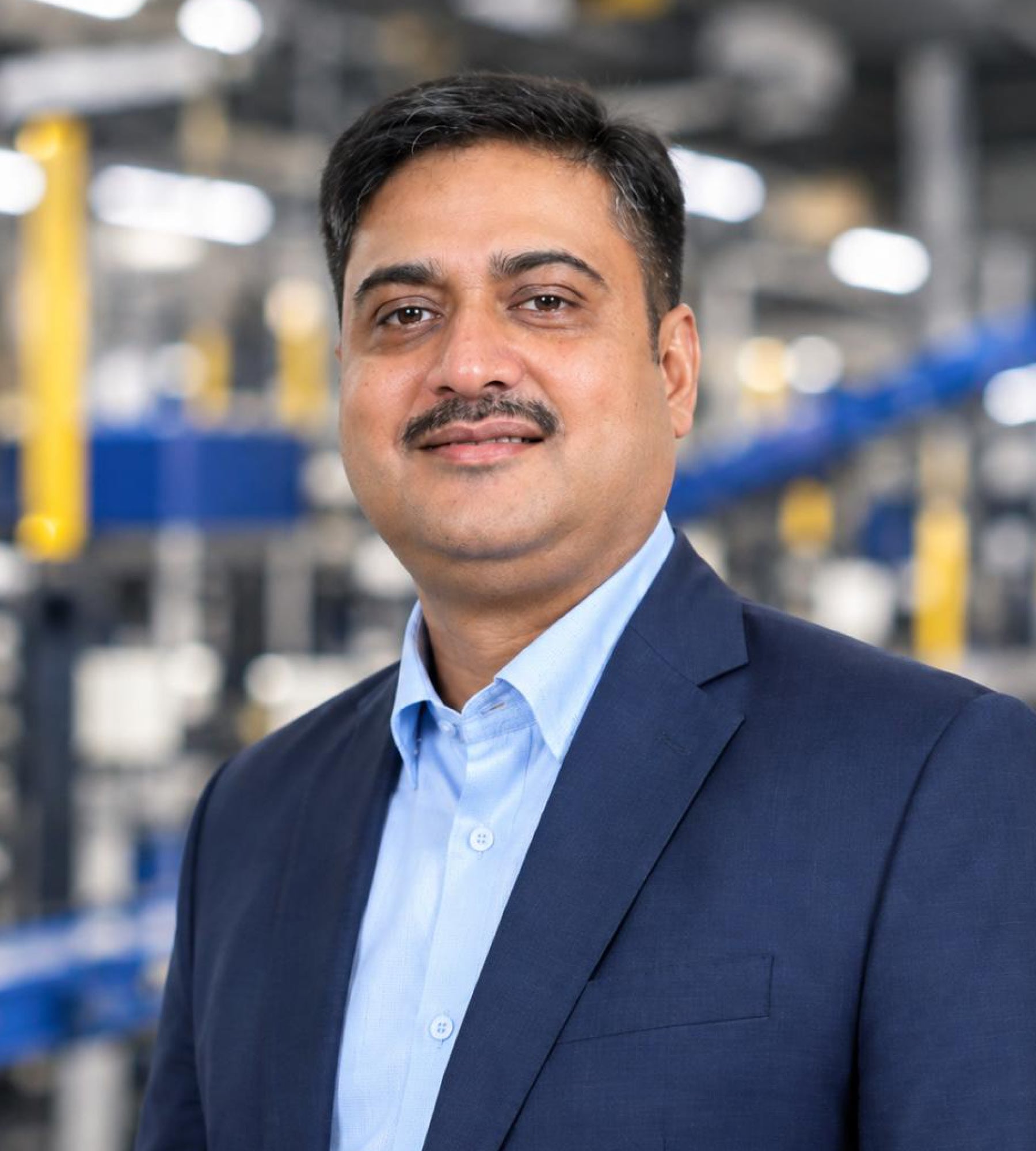
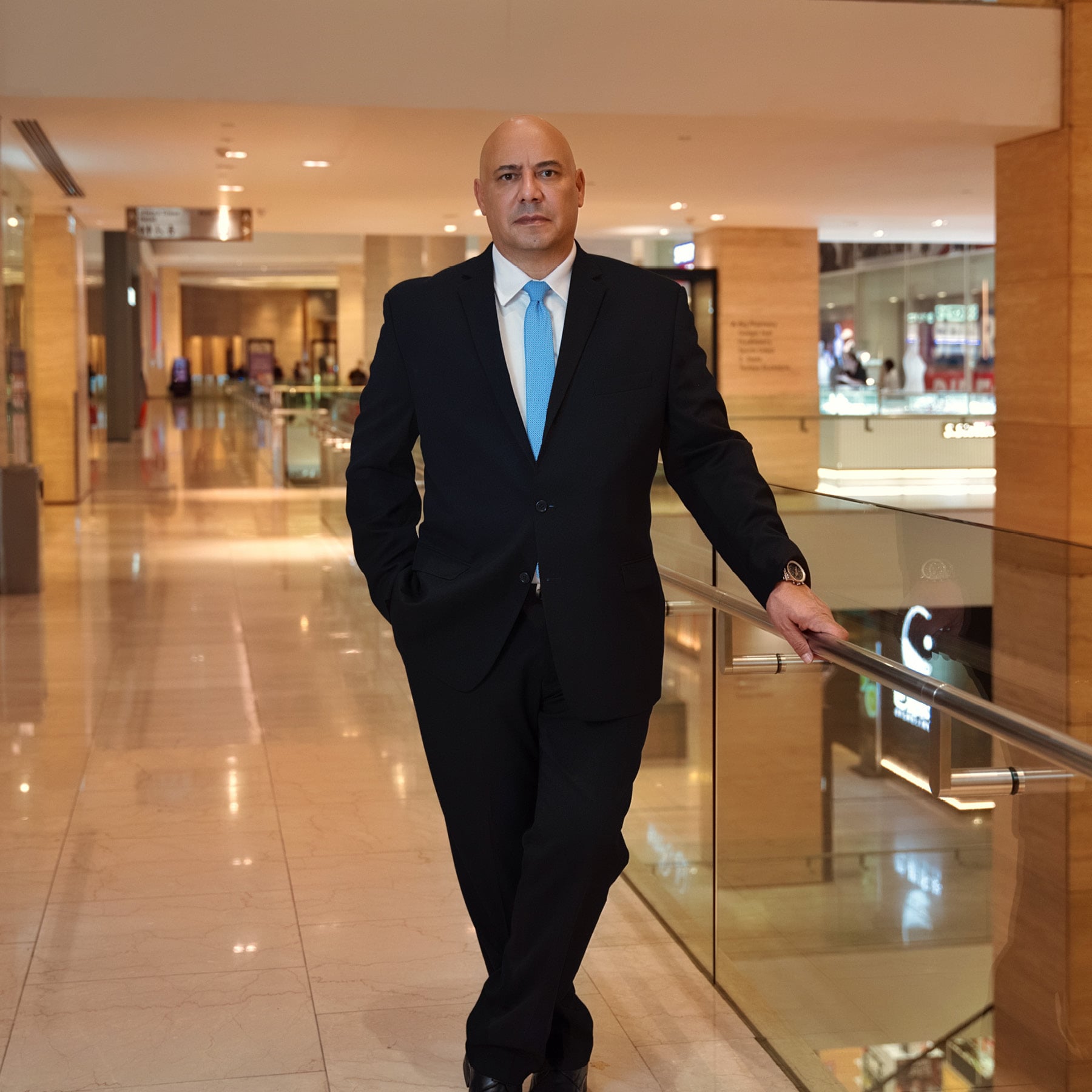
The company’s Director of South-East Asia Operations is Khaled Higgy, who has been working for Fluor, a global project management firm, for 11 years. Born and raised in Egypt, Higgy emigrated to Malaysia from Canada, where he had lived since 2000.
His truly international perspective is just one strength that allows him to execute megaprojects, such as the refinery and petrochemical integrated development (RAPID) project that brought him to Malaysia in 2015.
“RAPID was a US$27 billion project,” he says.
“Fluor’s competitive advantage will come from combining world-class engineering, digital innovation, regional execution strength and trusted client partnerships.”
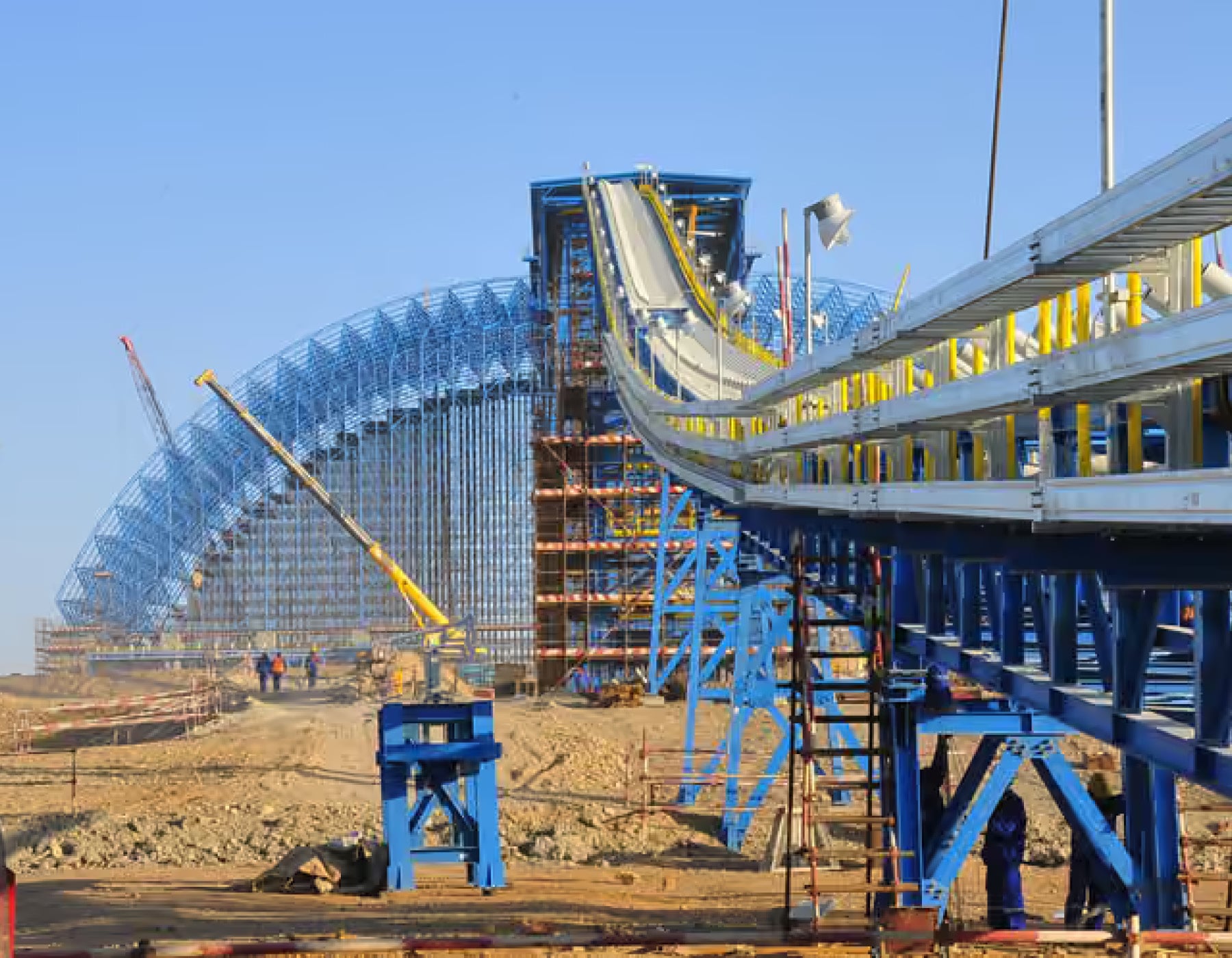
It involved constructing a vast refinery for energy giant Petronas, that now delivers 300,000 barrels of crude oil daily and 7.7 million metric tons of petrochemical products annually.
Fluor served as a partner with Technip to provide project management consultancy for RAPID. This was the start of Higgy’s journey in the region, and after a string of successful projects including semiconductor plants, he was asked to head up the operation of the South-East Asia region.
“I’ve been leading all the company’s operation in South-East Asia for all company business, not only for advanced technology and life science, but also for mining and energy,” he says.
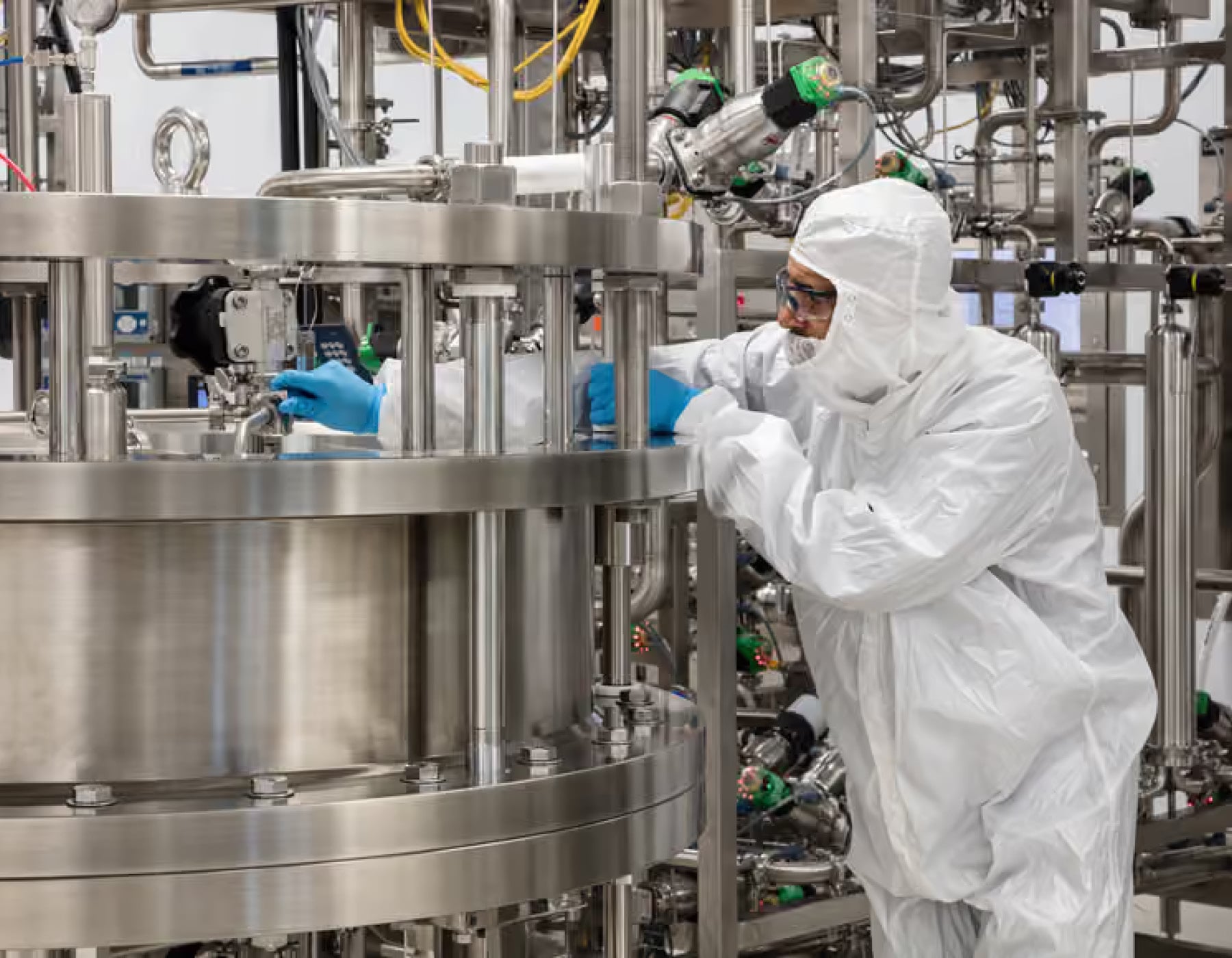
Higgy stresses that the number one priority for both him and Fluor as a company is to ensure safety for its clients.
“In any project when we start, we know exactly what the conditions of the site are, what the conditions of the project are, how Fluor’s people are going to be deployed and where they’re going to be living,” he explains.
“We actually talk with our client about our safety program and examine their safety programs. We close any gaps between both, and then start to execute the project following all the agreed safety measures.”
Advertisement
Safety concerns are not limited to pre-project briefings; Higgy explains that it is a constant, ongoing operation.
“We actually carry out a lot of activities and initiatives within the projects themselves. We have an area-based safety watch, where everybody has a lead for an area that makes sure that safety is performed everywhere,” he says.
At Fluor, Higgy stresses that each individual has a role to play in understanding safety practices and whistleblowing whenever these standards aren’t kept up.
“Our training and inductions are for all of our people to ensure that they are mindful about Fluor safety procedures and are aware of their safety rights,” he says. “Every worker has the right not to perform any work they see as unsafe, and they have to report this.”
“My message to my company, and all other companies, is you need to adapt yourself to change.”
True to Higgy’s belief in adopting the latest technological breakthroughs, digital technology is being used to improve safety processes.
“We have a QR code that everybody has so that if they find any issues in safety, they can report it right away.”
And most importantly, Fluor’s projects have the results to prove its safety credentials; a recent single project was completed with approximately 23 million safe person-hours without any lost time.
“This actually gave us our Malaysian Industrial Safety and Health Association Awards – we win several awards every year,” he says.
So, what’s the secret to delivering enormous projects safely, on-time and on-budget? If there is one, it’s the understanding that without effective partner collaboration, the task would be impossible.
“Managing mega projects is completely different from small projects. In small projects, it is simple to manage project activities,” Higgy says.
“However, a mega project is complicated and any delays cost you a lot of money because you have a lot of workers sitting there and they are missing activities. So procurement plays a big role in that.”
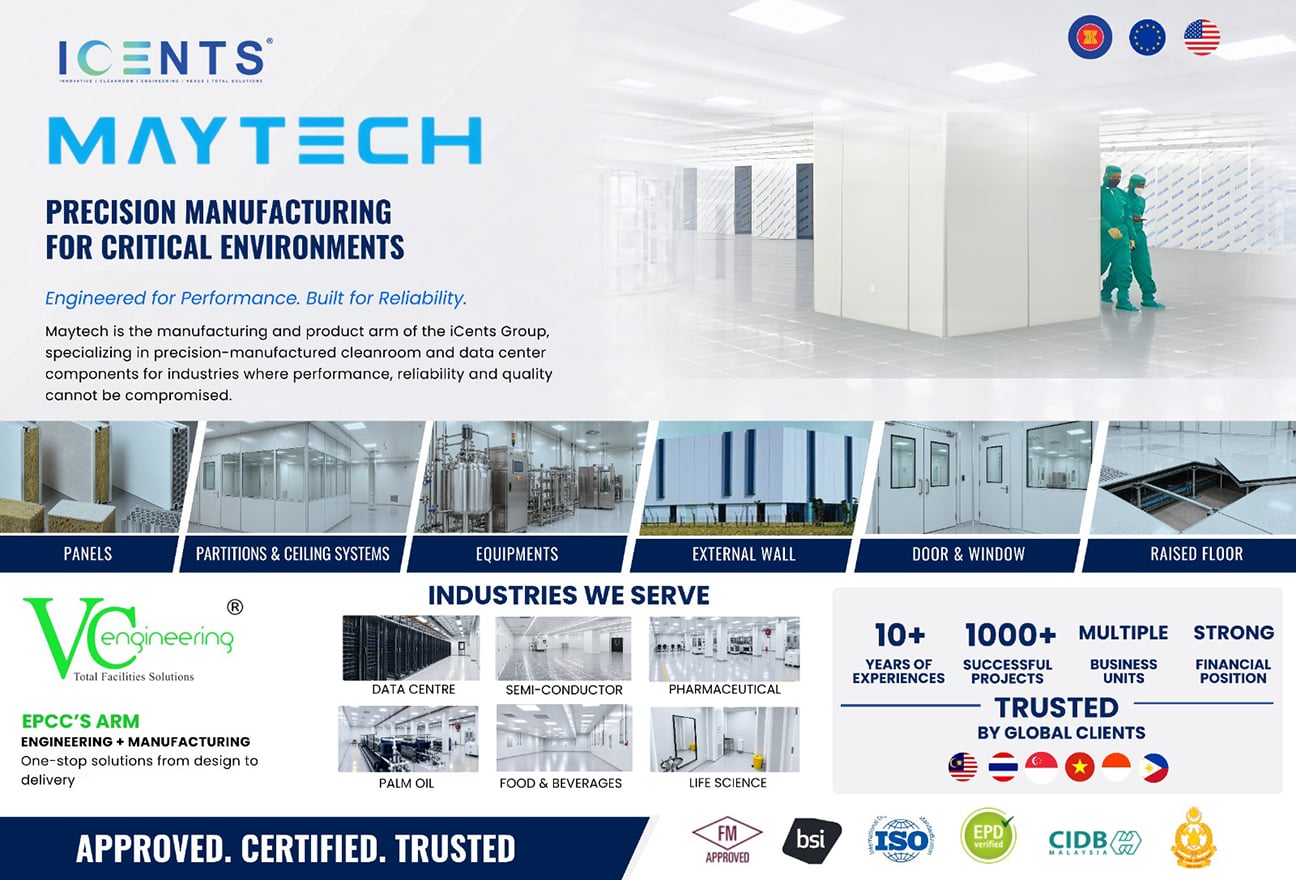
Accordingly, Fluor tracks its partnerships meticulously, relying on them to deliver – its relationships, such as with Fluor’s subcontractors VC Engineering, resemble more of a union than just a partnership.
“Globally, Fluor procures about US$3 billion worth of equipment and materials. We have a lot of vendors and suppliers that we are dealing with. When we start any mega projects, they will be part of us,” Higgy stresses.
“We identify all the critical procurement items that are needed with the vendors beforehand. So we engage them early, before the project even starts, in order to be ready.
“Because I’m telling you, for mega projects, vendors will need to be prepared. They need time to fabricate all their materials and supply the materials on time.”
Leading in a region that is being rapidly reshaped by technology, it’s no surprise that Higgy is especially aware of the importance of staying dynamic.
“My message to my company, and all other companies, is you need to adapt yourself to change,” he says. “You need to be ready, up-to-date with change and respond to decisions very quickly. This will make sure that you’ll be successful in the future.”
Technology, along with safety, supply chain and execution excellence, is what Higgy believes gives Fluor its competitive edge.
“For Fluor to stay competitive in the future, we need to continue to evolve our delivery model,” he says. “We will achieve this by leveraging technology such as AI, digital engineering, advanced analytics and integrated project data.”
Under Higgy’s leadership, this future-facing plan will help extend the company’s status as EPCM specialists capable of delivering milestone projects across South-East Asia.
“Fluor’s competitive advantage will come from combining world-class engineering, digital innovation, regional execution strength and trusted client partnerships to deliver complex projects with greater predictability and value,” he concludes.
 RELATED ARTICLES
4-min read
5-min read
2-min read
 SPOTLIGHTS ON LEADERS


 Home

 Podcasts

 Covers
 Be Featured

 Community