Language
You can read the magazine in one of the following languages
3-min read

 Bookmark now

 Copy Link
In the rush to automate workplaces, the real differentiator won’t be technology – it will be connection.
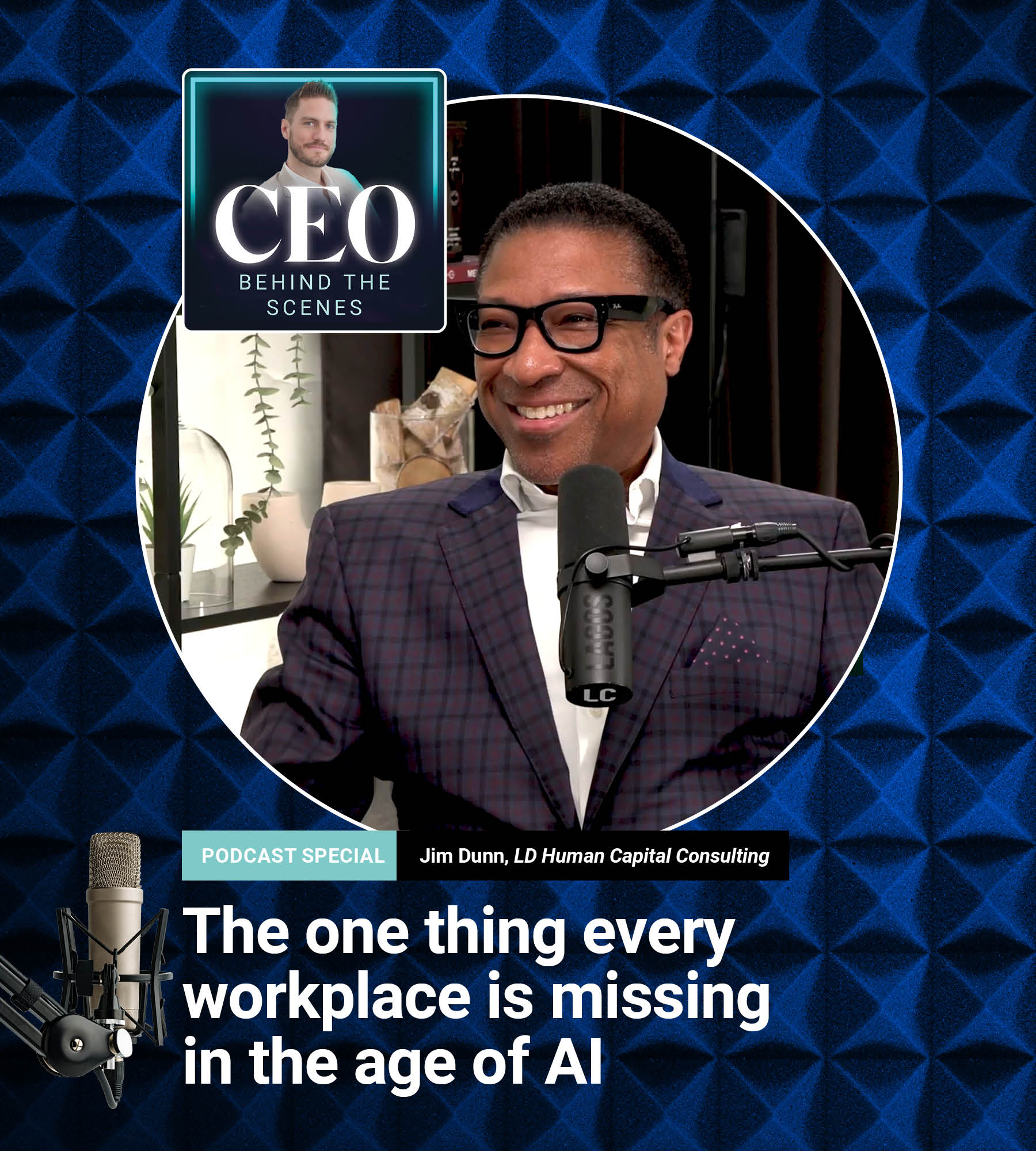
That’s the message from Jim Dunn, President and CEO of LD Human Capital Consulting, who joined CEO: Behind the Scenes to share why putting the human back in human resources is the leadership shift that matters most today.
For Dunn, the journey began with a personal decision.
“I decided at that point I would never again work for money,” he reflects. “I would always work for meaning and engagement and cause and purpose.”
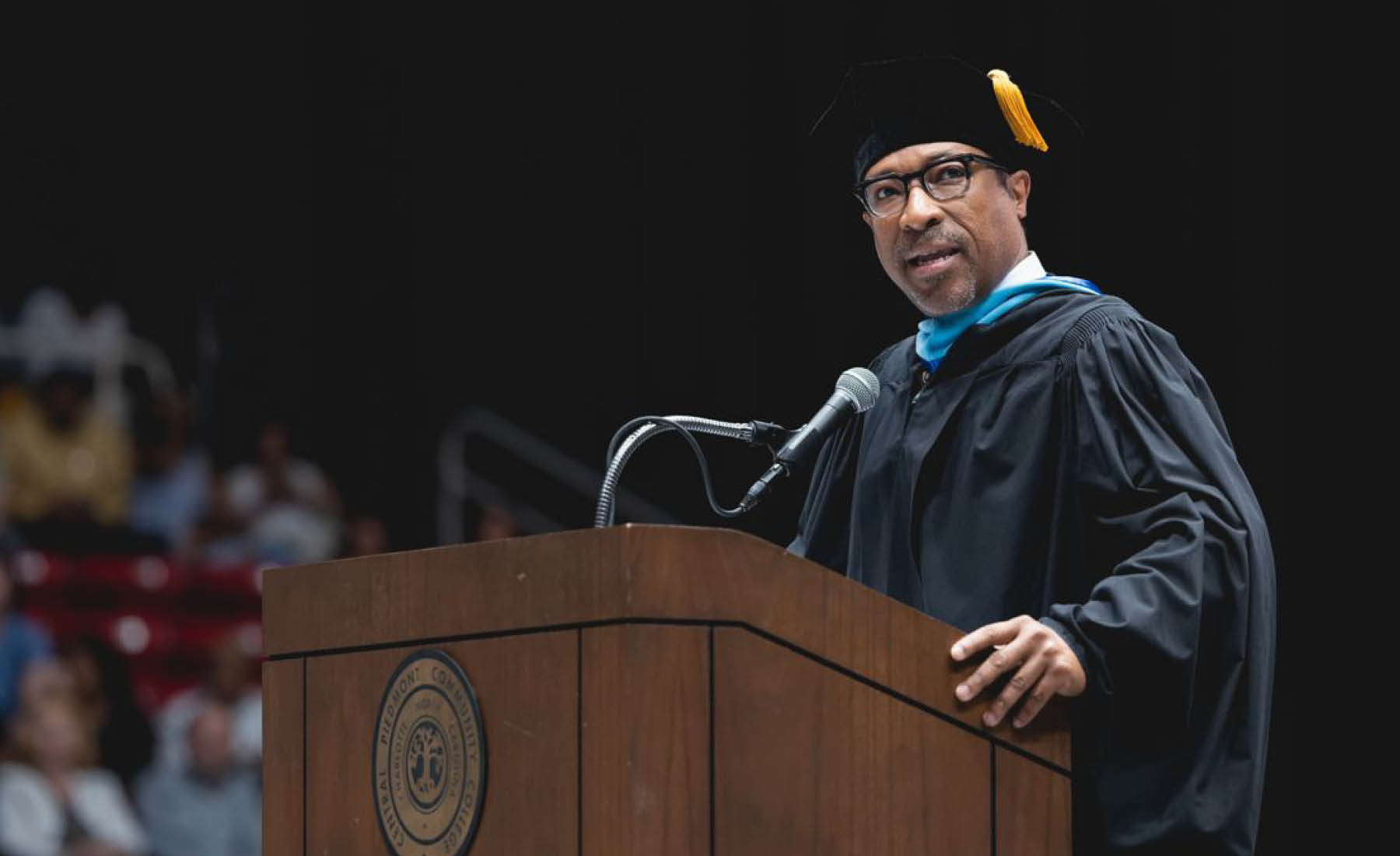
“Putting the human back in human resources is really having a very deliberate and intentional focus on HR practices that focus on the employee experience.”
That philosophy has guided his career and now underpins the consulting work he delivers to organizations that are grappling with seismic changes in how employees relate to their workplaces.
“Putting the human back in human resources is really having a very deliberate and intentional focus on HR practices that focus on the employee experience and fostering a human connection,” he says.
It sounds simple, Dunn says, but in reality, many companies have lost sight of it. The over-automation that accelerated during the COVID-19 pandemic, combined with today’s reliance on systems, has left too many employees disengaged.
“Humans, we’re just not wired for that,” he explains. “So it’s really getting back to that human-to-human connection that we all need.”
The implications are clear: if leaders want to build trust and engagement, they must be intentional. That means rethinking even the fundamentals.
“I recommend and work with clients to be very intentional. The onboarding has traditionally been the first two weeks or the first 30 days,” Dunn says. “Now, I’m recommending 60–90-day onboarding.”
Employees today expect more from work than ever before – not just in terms of pay and benefits, but in alignment with their values and personal wellbeing.
“You have to bring it all together and find and strike that balance. We can’t be all things to everyone, but you could be some things to everyone,” Dunn says.
This is where AI and automation, often painted as threats, can actually help.
“What AI will do is allow leaders time to spend on the more human-centric parts of the business,” he points out.
“I’m not spending time on resume reviews. AI can do that for me. Generate a smaller list of candidates, and from that I could spend 100 percent more time with the short list to get the right person.”
For Dunn, leadership today isn’t about dominance or control. It’s about humility and self-awareness.
“It’s the self-aware leader who is authentic, who is listening, who puts themself second after the employee,” he says.
These qualities aren’t optional – they’re essential to sustaining culture and performance in a world where employees expect purpose, development and care.
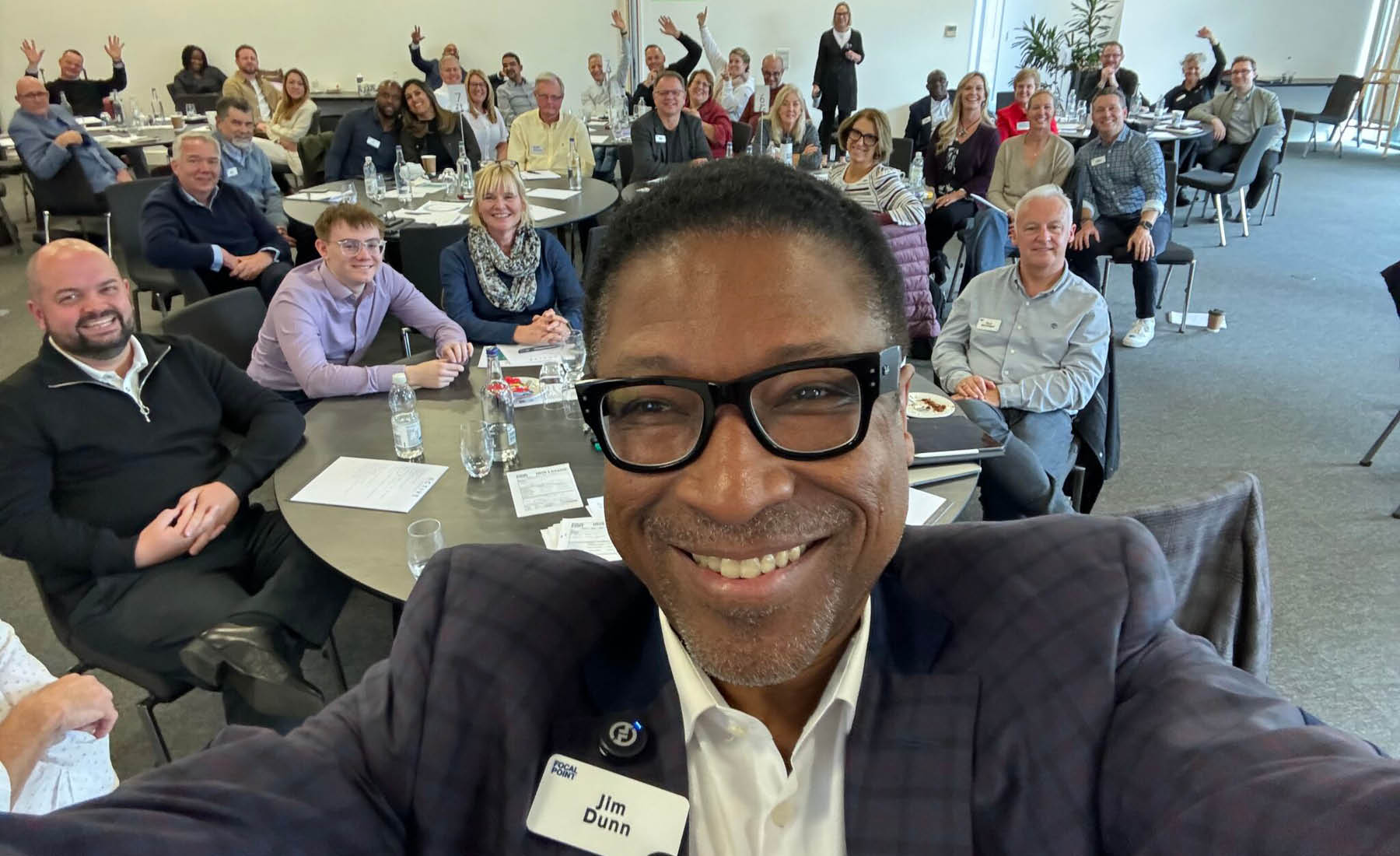
“What AI will do is allow leaders time to spend on the more human-centric parts of the business.”
That’s why he rejects the fear narrative about investing in people who may simply outgrow the company and leave.
“OK, but what if you don’t and they stay?” he asks.
Ultimately, Dunn believes the defining factor in the age of AI isn’t technology – it’s connection.
“People all want the same thing. They want to be heard. They want psychological safety. They want a leader that cares,” he says.
To hear more of his insights on redefining employee experience, tackling the psychological impact of AI and building workplaces where people thrive, tune in to the full episode of CEO: Behind the Scenes.

Listen to the latest episode of our CEO: Behind the Scenes podcast with Jim Dunn on Amazon, Apple or Spotify.
 RELATED ARTICLES
 6-min read
4-min read



 Home
Home
 Podcasts
 Covers
 Be Featured
 Community