Language
You can read the magazine in one of the following languages

5-min read

 Bookmark now

 Copy Link
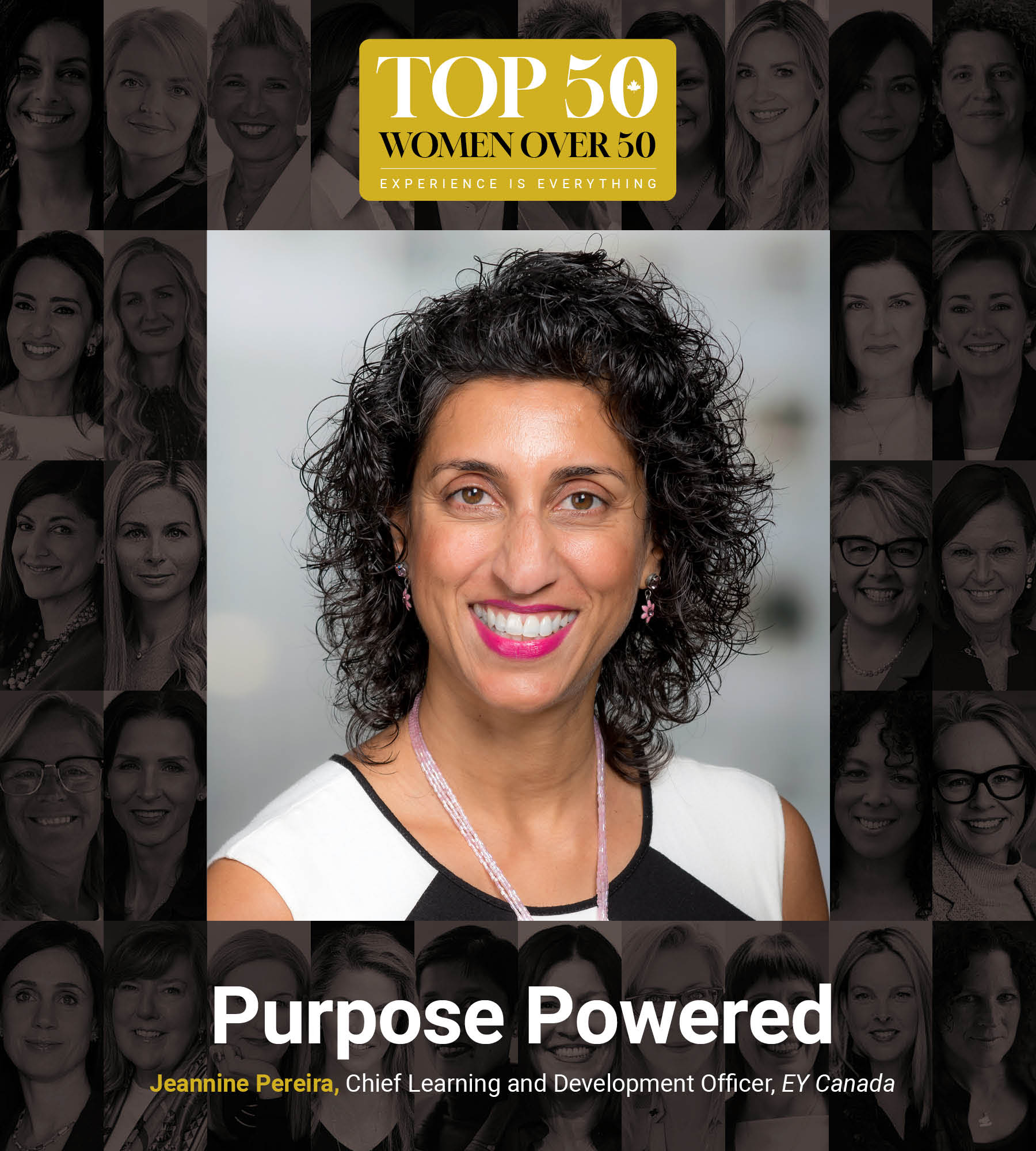
After nearly 30 years with EY Canada, Jeannine Pereira still lights up when she talks about her work. As Chief Learning and Development Officer, she’s not only a career-long EY veteran but also proof that longevity and reinvention can go hand in hand.
“I started full-time at EY in 1996, but before that, I was an intern,” Pereira tells The CEO Magazine. “I worked in talent, law and audit, and I love that EY gave me the opportunity to move around.”
That early exposure to different facets of the business gave her perspective and purpose. And ultimately, a career built around helping others find theirs.
Today, she leads a team that develops and deploys learning, builds high-performing teams and fosters an inclusive culture across the firm.
“This really speaks to me because I was able to get these opportunities in my career, and now I lead the team that helps others grow too,” she says with a smile.
A Certified Public Accountant by training, Pereira spent her early career in audit before pivoting into learning and development. She later served as EY Canada’s Diversity, Equity and Inclusion leader for a decade.
“That time made me really think about human equity and building high-performing, inclusive teams,” she reveals.
It’s also a period that shaped her leadership philosophy.
“Leadership isn’t about your competencies,” she points out. “It’s about your character and who you are.”
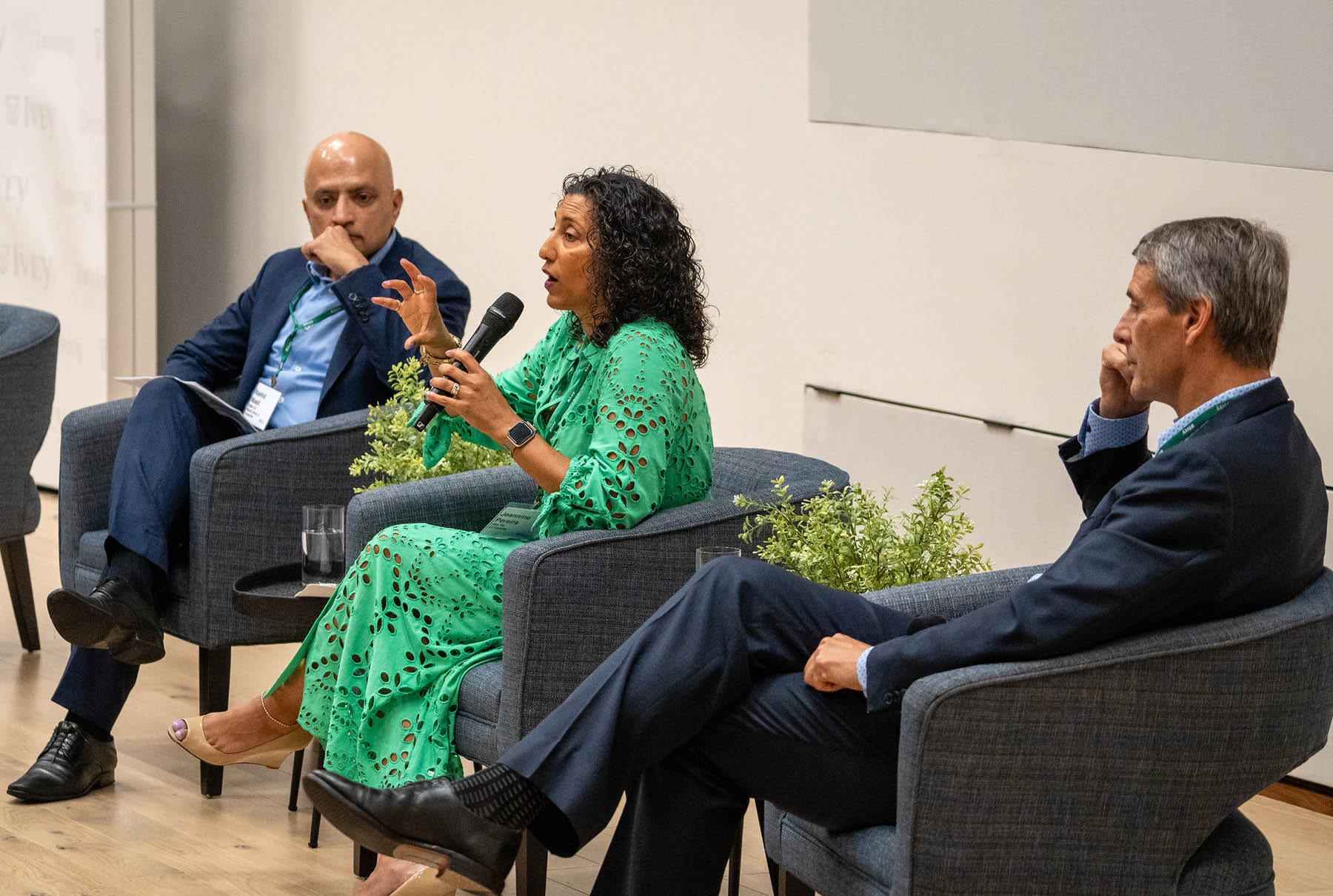
“Leadership isn’t about your competencies. It’s about your character.”
In a natural progression, Pereira now champions leader character training at EY Canada, having become a certified Leader Character Practitioner through the Ivey School of Business.
“There are 11 character dimensions, like drive, courage, collaboration and humility, and you can assess yourself to see where you stand against these dimensions,” she explains.
“Character development isn’t innate – you don’t necessarily wake up with courage or being a more collaborative person, but you can develop yourself. I’ve helped other leaders take that journey, and the impact has been profound.”
Pereira recently celebrated another milestone – turning 50. Honored in The CEO Magazine’s Top 50 Women Over 50 spotlight, it’s a moment she describes as both a ‘mirror and a door’.
“At first, I hesitated to apply,” she admits, despite receiving two nominations. “But now, I see 50 as a badge of honor. It’s a celebration of my growth and all the strong women and men who’ve inspired me. And it’s my turn to go forward and mentor others.
“I wake up every day excited to empower people to lead inclusively, so everyone can courageously contribute their unique strengths.”
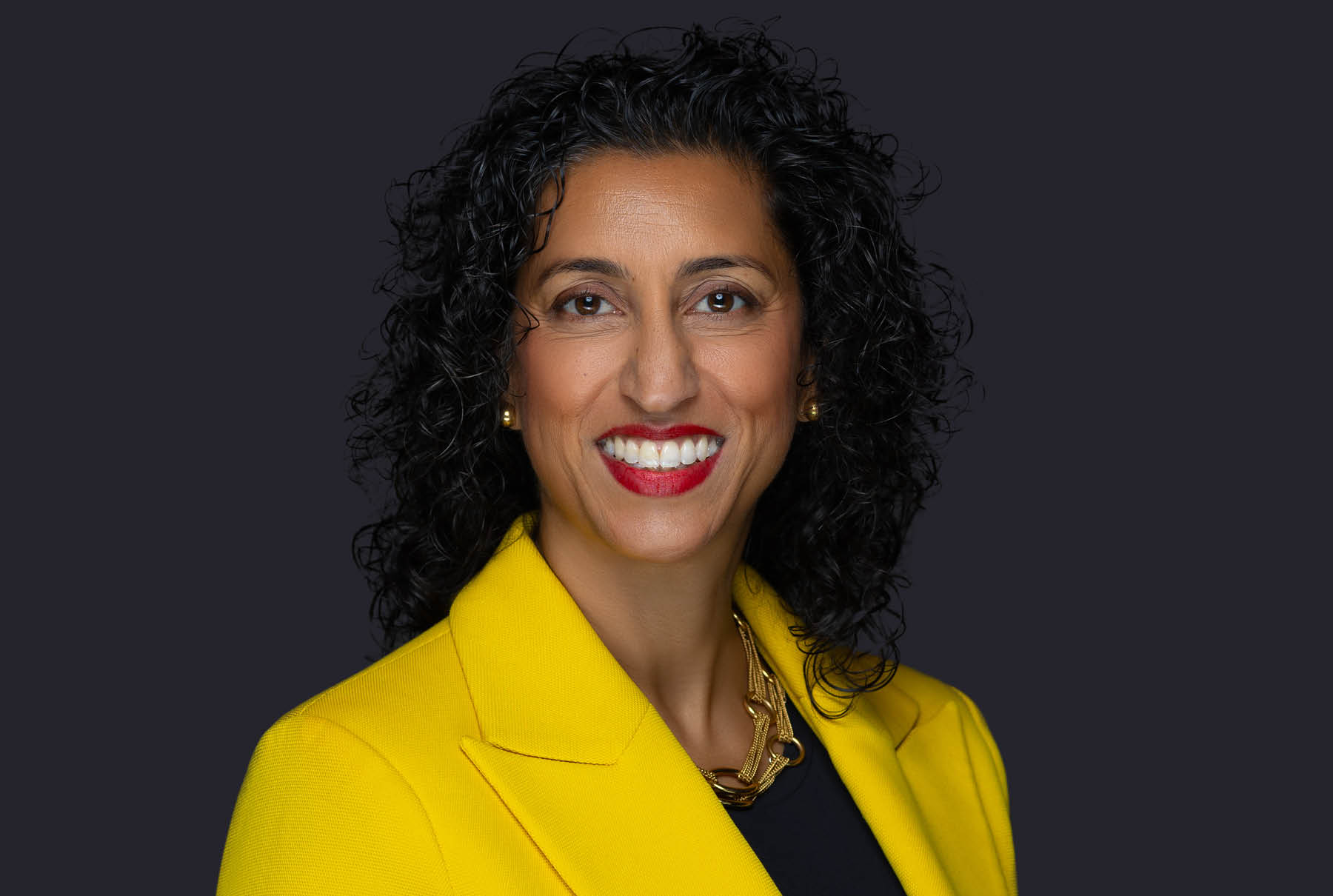
“I thought I had to quit. I didn’t think I could keep doing my job.”
These words – inclusively, courageously and unique – form the very foundation of her leadership.
“I want people to know they don’t need to be perfect,” she says. “Earlier in your career, you tend to chase perfection. But now I say, be present. Be your best self that you can at the time, and learn from anything as you move forward.”
For Pereira, creating a psychologically safe workplace means modeling vulnerability – something she’s done openly. Some years ago, she took a six-month leave to focus on her mental health, a decision she describes as ‘life-changing’.
“I thought I had to quit. I didn’t think I could keep doing my job,” she opens up. “But I had a great boss who said, ‘Don’t do that. You’ve been here a long time. You’re highly valuable. Take time, get well, and we’ll figure out what’s next.’”
She followed her manager’s advice and with therapy, space and support – from the office and at home – she healed.
“I was scared to share what happened,” Pereira acknowledges. “But I realized if you share, others then feel they can share like that. Like Michelle Obama says, ‘In sharing my story, I hope to help create space for other stories and other voices, to widen the pathway for who belongs and why.’”
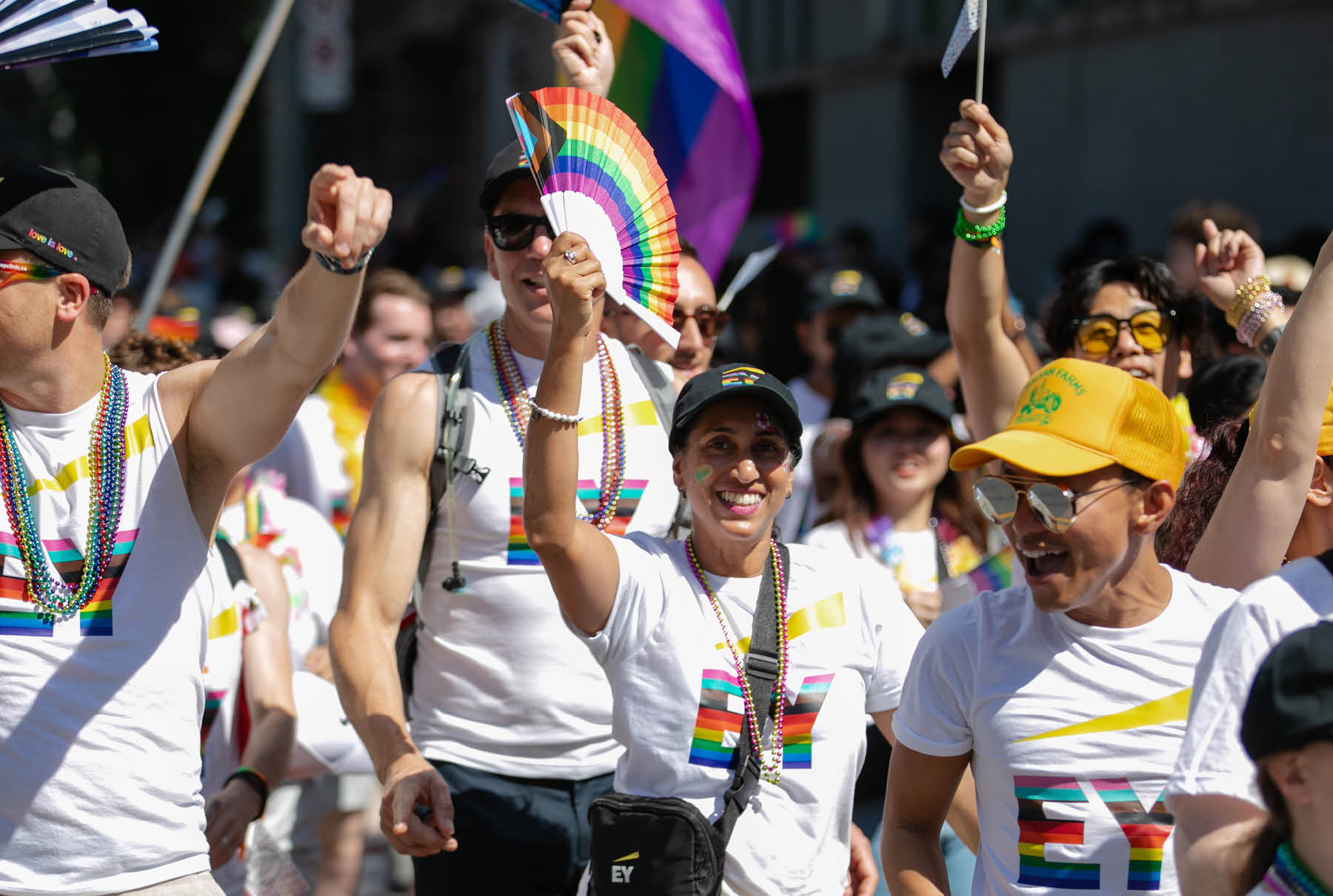
“POWER Up became more of a movement.”
These days, her non-negotiables include exercising at least four times a week and spending two to three days in the office.
“I need to see people. I need to dress up, and I need to be in a space where it’s social,” she explains. “It’s really important and good for me.”
One of Pereira’s proudest achievements has been transforming EY’s POWER Up™ program from a single workshop into a community-driven movement. Originally designed to help women project themselves authentically, the program quickly gained momentum.
“There are five letters in ‘power’, so P is for Project confidence, then Own your career, Widen your network, Elevate communication and Realize your purpose. I would facilitate the workshops, and then we ran breakout sessions with female leaders,” she recalls.
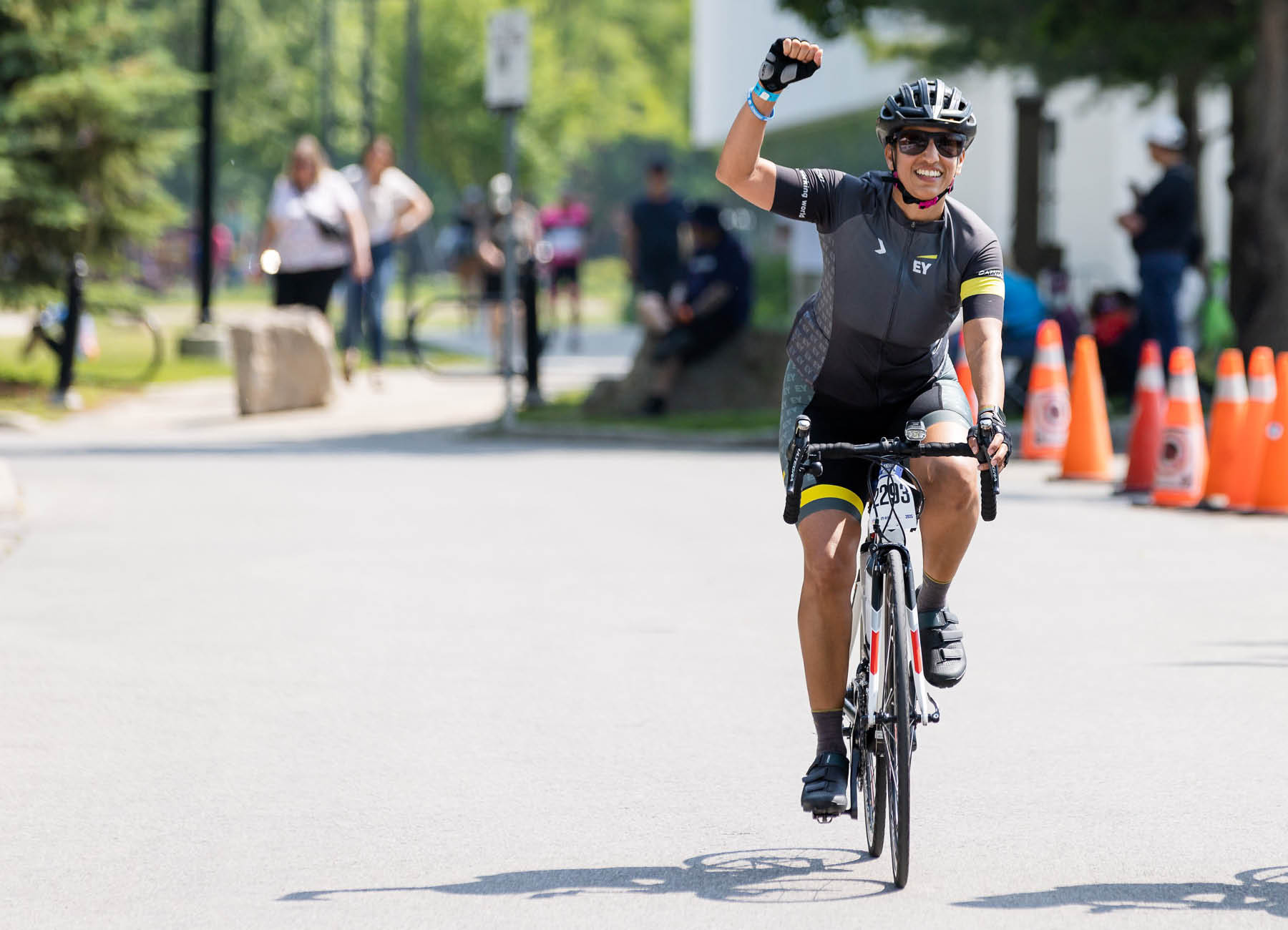
“Women aren’t slowing down at 50. They’re stepping up, speaking out and lifting others around them.”
Soon, new communities began forming.
“We shared conversation, resources, experiences and asked for help,” she says. “Then it became, ‘Hey, I really love this – can I share it with my daughter, show my aunt, deliver this to our clients and women refugees looking for jobs? Can we help empower them?’
“POWER Up became more of a movement than just a workshop that was delivered internally. When women experience it, they feel like it helped them build their personal brand and realize their true purpose. And now they want to give back.”
Mentorship has always been a cornerstone of Pereira’s journey.
“My mentors helped me succeed, and now it’s my job to do the same for others,” she says. “We need to keep opening doors and creating opportunities. It’s not about, ‘I had to make it to the top the hard way, you should too.’ It’s about sponsorship and shared success.”
That includes helping women overcome the barriers that often hold them back.
“They struggle with confidence, saying ‘no’, being visible,” she explains. “I help them understand that it’s OK to let go of perfection. Delegate. Decide what’s important. And take risks – even if you don’t see the whole staircase, take the first step.”
For Pereira, it all comes back to purpose – the eternal motivator.
“When you feel like you are fulfilling your purpose, work doesn’t feel like work,” she says.
“And organizations should know that women aren’t slowing down at 50. They’re stepping up, speaking out and lifting others around them.”
 RELATED ARTICLES
 6-min read
4-min read



 Home
Home
 Podcasts
 Covers
 Be Featured
 Community