Language
You can read the magazine in one of the following languages
4-min read

 Bookmark now

 Copy Link
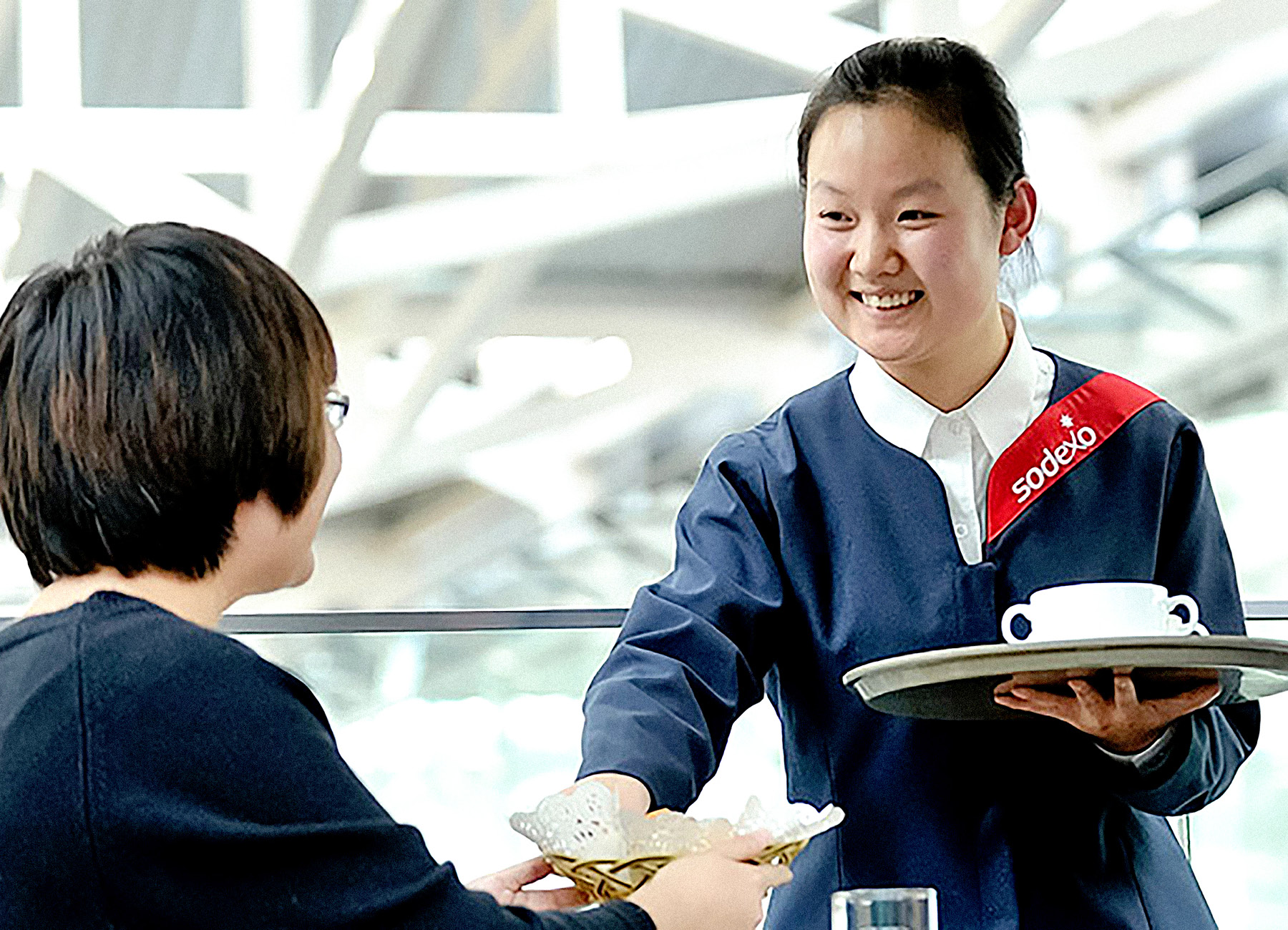
Sodexo is one of the largest food services and facility management companies in the world. Originating in France, it now operates across more than 45 countries, employing almost 500,000 employees and turning over US$23.6 billion annually.
The company has become a household name in catering companies, schools, hospitals, air lounges, workplaces and a dozen other settings worldwide.
“We rely on a huge amount of customer insights to know about the food preferences of our customers.”
Despite its size and reach, Sodexo consistently innovates at both the operational and strategic levels.
Thanks to the foresight of the company’s Founder, Pierre Bellon, the company was an early mover in China, establishing a presence there back in 1995. Almost 30 years later, it employs 17,000 people in this increasingly important territory, serving more than 1.2 million customers every day.
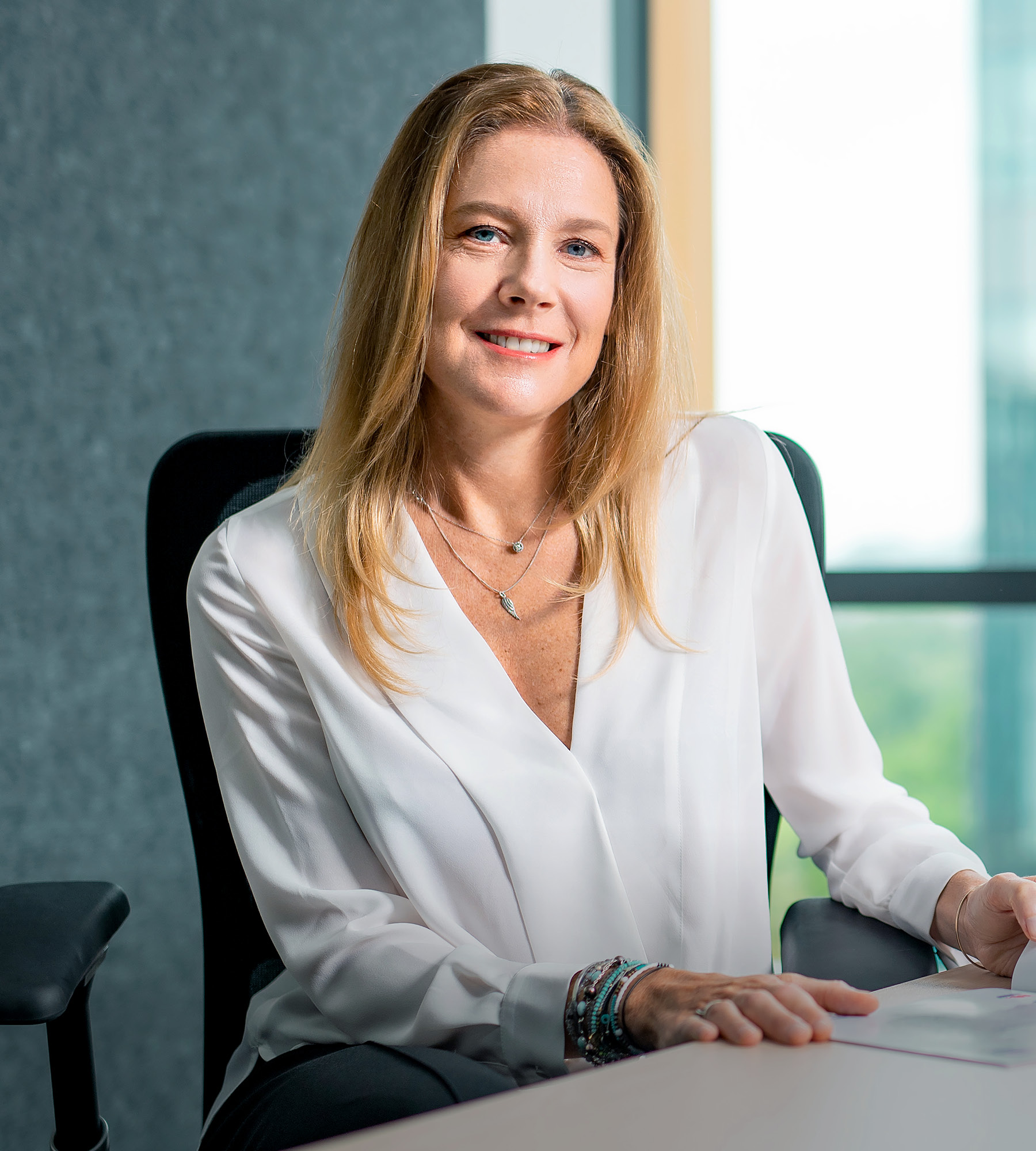
After 20 years working her way up through the ranks, Isabelle Hannedouche now oversees China operations at a critical time when technical innovation and market expansion are both on the menu of Sodexo’s strategic options.
“It’s not just about providing food,” she explains. “It is about providing food with the right value so that people are eating well for themselves, and they’re eating well for the planet, wherever they are.”
Sustainability is ranked as a high priority for practically any major company operating internationally today, but it holds extra significance for food and facilities management service providers. Under Hannedouche’s guidance, Sodexo is implementing a data-driven approach to cutting waste while improving efficiency across its China locations, all without compromising on its stringent quality standards.
Smarter facility management technology is at the heart of this sustainability push. Comprehensive usage insights collection at every customer and staff interaction point allows Hannedouche and her management team to fully understand how each facility is used. This leads to faster and more targeted resource allocation regarding every operational parameter, from cleaning to food transport and storage.
“We rely on a huge amount of customer insights to know about the food preferences of our customers,” she explains. “We also use IoT to collect information and drive efficiency, and also to give feedback to clients to show them how we can adjust and change our patterns of organization.”
The coming years will be decisive for Sodexo’s presence in China. In April 2024, the company acquired the Mainland China element of Compass, its biggest competitor in the region.
Making this expansion at a time when the Chinese economy is undergoing a major transition (with some significant growing pains involved) signifies that the company has the vision and technical capacity to remain flexible and change with it.
“Our people are our biggest asset.”
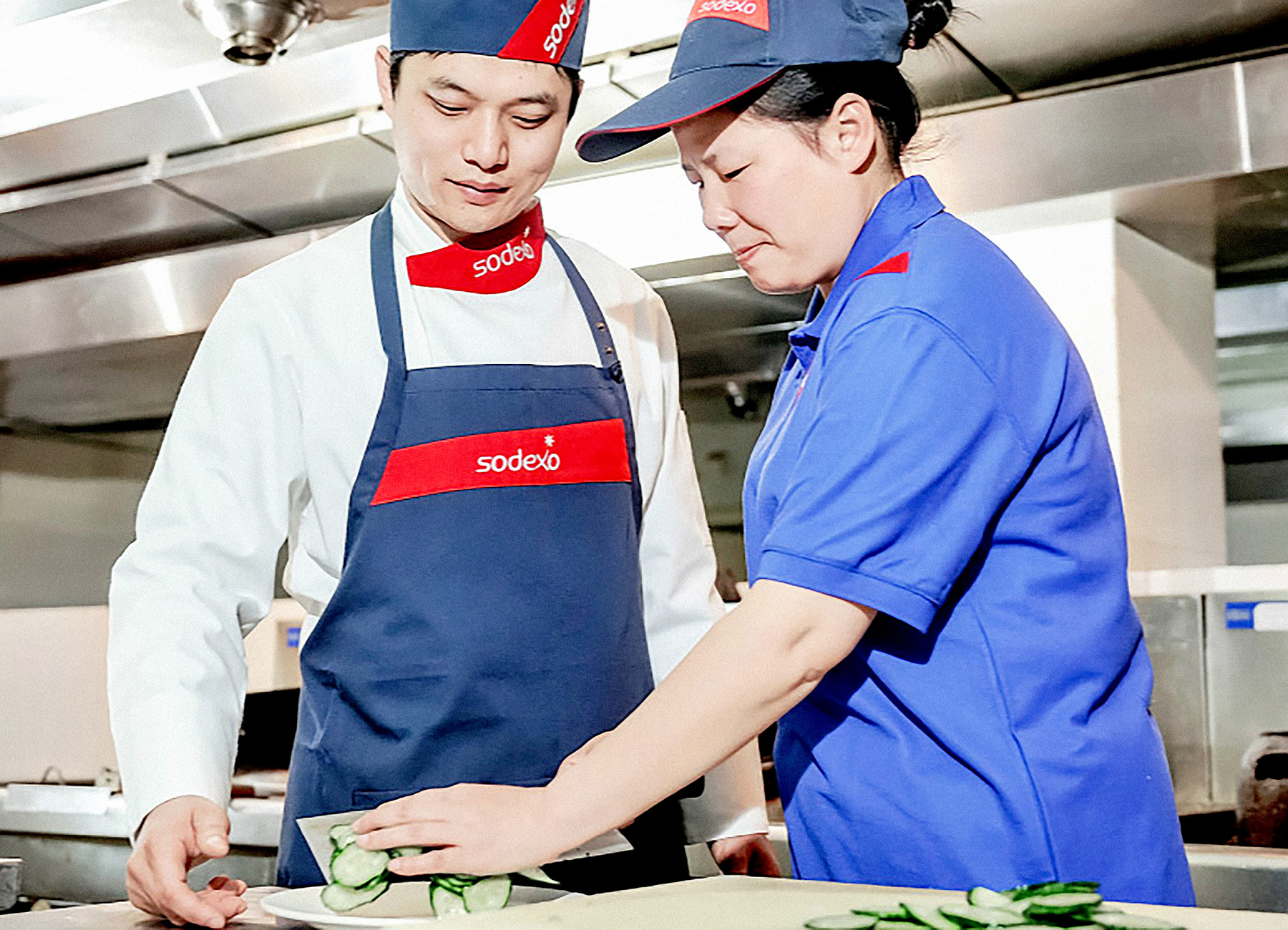
Hannedouche believes the company’s people-centric approach is what enables this kind of adaptability and what sets its apart from the competition.
“Our people are our biggest asset,” she reveals. “They are the ones who do the work, deliver the services and talk with the clients, and it’s their work that makes us successful.
“That means we invest a lot in their training and development, because we know it’s important to be able to promote different career paths to people.”
Pointing toward her own career, Hannedouche believes she is a positive example of Sodexo’s ability to engage with and properly motivate their people at every level of the organization.
From a single-site management role in France to becoming Managing Director of one of the fastest-growing territories in the company’s global portfolio, she has learned firsthand how it consistently aims to grow its business by supporting employees.
Despite global economic uncertainty, inflation, trade tensions and other complications, Hannedouche remains unfazed by the current business climate.
She and her team are committed to overcoming the particular challenges of the China market as well as broader issues affecting the industry as a whole.
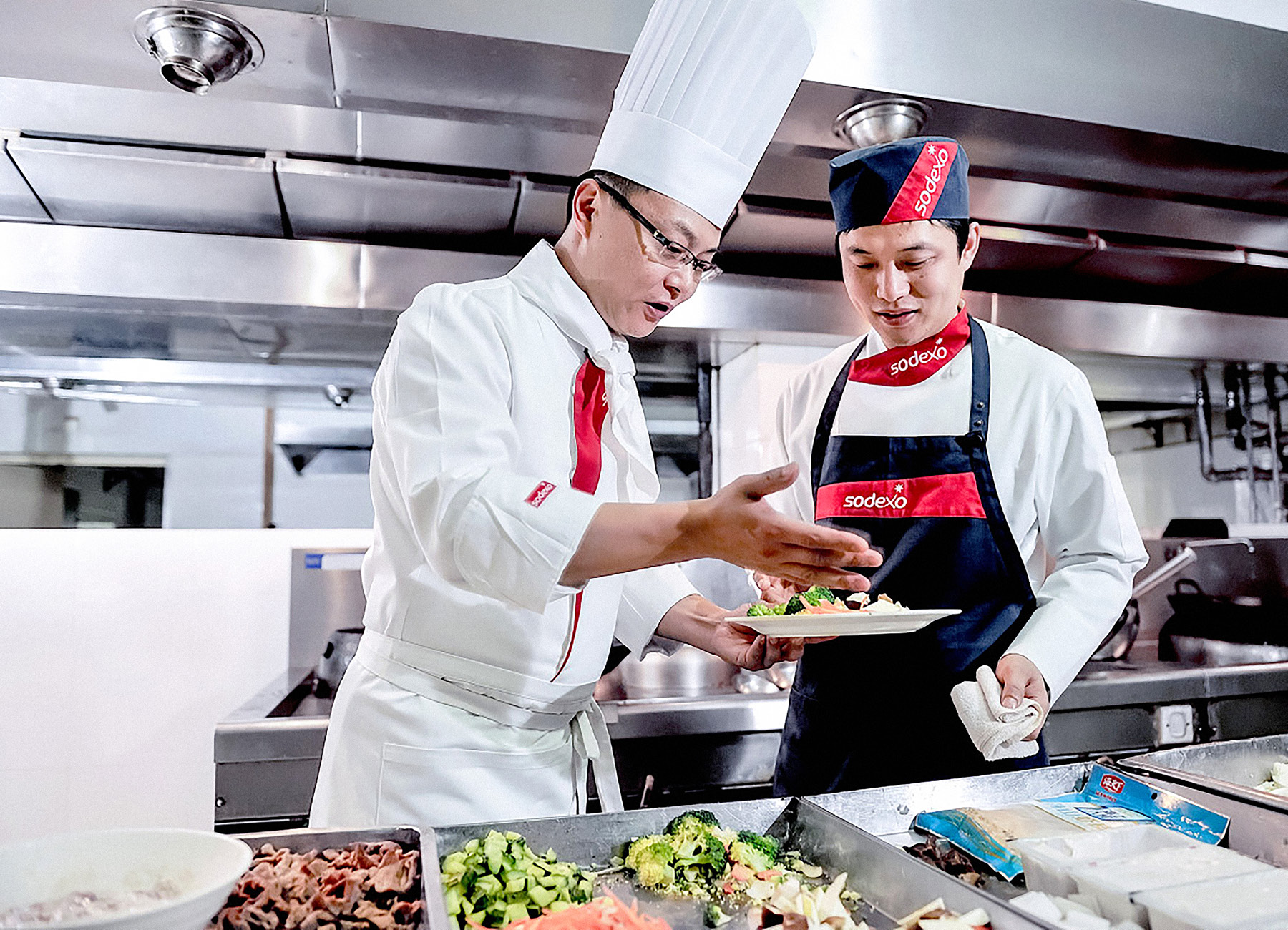
“It’s very important for me to have a can-do attitude with the team and to say, ‘OK, the old solutions are no longer in use, but there is another way to do things.”
“There’s a lot of pressure on cost and efficiency, and the market is very competitive,” Hannedouche admits. “I think the biggest challenge is to find the right way to provide greater efficiency and more cost-competitive solutions without compromising the quality and safety of the food and the safety of our people.
“It’s very important for me to have a can-do attitude with the team and to say, ‘OK, the old solutions are no longer in use, but there is another way to do things and Sodexo is here to follow this other way.’”
 RELATED ARTICLES
 6-min read
4-min read



 Home
Home
 Podcasts
 Covers
 Be Featured
 Community