Language
You can read the magazine in one of the following languages

4-min read

 Bookmark now

 Copy Link

The Australian backyard is home to many native treasures, from the kookaburra and the cockatoo to the back shed and the Hills hoist. Peek over the fence and you’re bound to find even more. And it’s fences that make our homes what they are.
Far from being restrictive perimeters, the fences found in a backyard set the boundaries between a summer splashfest in the pool and an impromptu game of cricket. Conversely, the success of leading Australian fencing manufacturer Oxworks has come from eliminating boundaries, says CEO Adam Barrack.
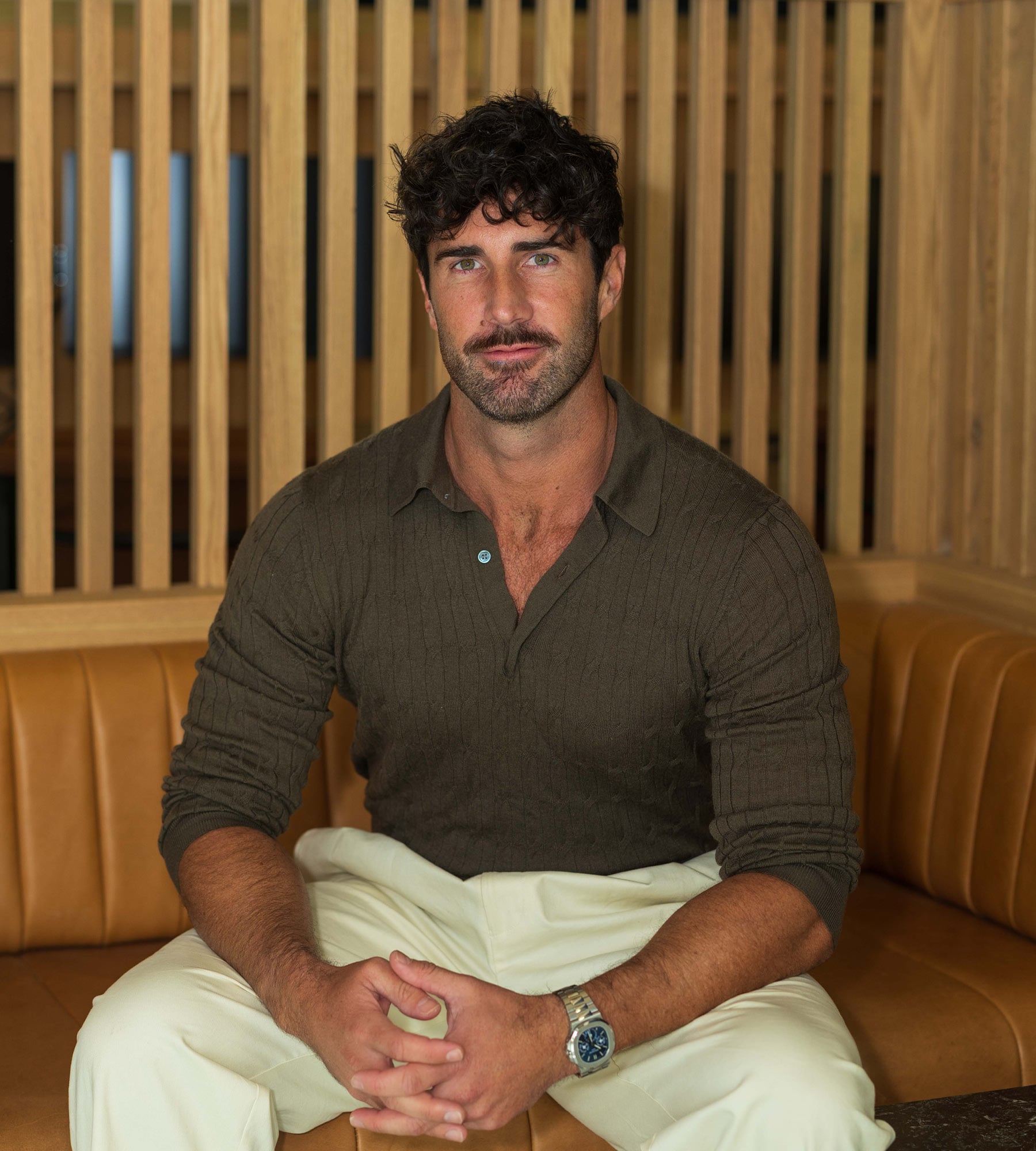
“One of the values on the wall of our headquarters talks about removing barriers in order to drive continuous improvement,” he tells The CEO Magazine.
The glass, aluminum and steel fences made by Oxworks feel right at home in the backyard, just as they do in businesses, farms and properties across the nation. Founded in 2001, Oxworks has become one of Australia’s top construction providers, manufacturing bespoke aluminum and steel building products for residential and commercial clients alike.
This reputation helped attract Barrack to the company in 2020, a time when Oxworks was in a state of flux.
“The company founder was looking for external leadership to grow the business further,” he says. “That’s a new level of discipline, so I guess the plan was for a natural baton change.”

“We’re excited to turn up to work every day.”
Hired as Operations Director, Barrack got to work refining the company’s HR structure and work disciplines. His success took him to the top job in 2024.
“There was a much bigger focus on performance-driven outcomes that link back to our values and the company vision. I wanted to bring those off the walls of our office and turn them into words that come alive,” he explains.
Oxworks was already a successful business when Barrack came on board, which made his job much easier.
“It’s fast-paced, dynamic and truly innovative,” he says. “But I think what often happens in founder-led businesses is that you almost hit a ceiling, because what’s made the business so successful may also be a point of constraint to achieve further significant growth.”

Advertisement
While Barrack comfortably slid into the driver’s seat, having the founders around has made for a smooth transition.
“They’re a wealth of knowledge,” he says. “We’ve achieved that structural change and activated the operational disciplines needed, and growth has significantly accelerated.”
Based in Logan, Queensland, Oxworks started life as a team of five.
“They started by moving into panels to keep the work flowing, then powder-coating other people’s panels and then moving into fencing,” Barrack explains. “That was a market opportunity, and since then it’s just gotten bigger and bigger.”
That’s partly down to the wide range of fences demanded by the market. Oxworks’ versatile portfolio includes everything from pool fencing and balustrades to automated gates and security fencing. While Oxworks imports 350 containers’ worth of fencing every year, the bulk of its stock is fabricated on-site.
“We’re very passionate about manufacturing and about being a local provider,” he says. “We’re proud to be based in Logan, and we’ve been well supported by government initiatives backing local manufacturers.”
One outstanding quality Barrack inherited from the founders was an adherence to speedy customer service.
“There was a big focus on the customer and delivering what they wanted in full and on time, as there should be,” he says.

“We’re very passionate about manufacturing and about being a local provider.”
“That was an early competitive advantage, and we’ve maintained that, but today it’s a critical part of our decision-making. We want to be naturally recognized as having the best people, the best range and the best service; that’s something we factor in when we’re streamlining operations.”
Currently, Oxworks is implementing self-service kiosks for retail customers, an innovation Barrack hopes will reduce the customer experience to 25 minutes or less.
“We don’t want to impact their day, so we need to get them offsite in that time,” he says. “So our thought process revolves around how we can do that, how we can get product in quicker and how we can get our staff prepared.”
Under Barrack’s tenure, Oxworks has invested US$13.9 million in modernizing and optimizing the business, with another US$6.98 million to come. Automation is his next focus in the quest for optimal efficiency.
“Ultimately, we have a best-in-industry program of continuous improvement that’s driven by our staff,” he says.

Advertisement
“They’ve floated, I think, 2,000 initiatives in the past three years, and we would have taken on 90 percent of those; most required less than A$500 [US$350] worth of capital to complete. These were opportunities identified by our people on the ground and actually doing the work, not senior leadership.”
As a result, Oxworks’ distribution model has gone from six branches to 18 in the past five years; Barrack has his sights set on 30 by the end of the decade. A new architectural range launched in January 2026.
“That will become our next major category, and it’s worth millions,” he says.

“We have a best-in-industry program of continuous improvement that’s driven by our staff.”
Oxworks has also made a point to partner with other local businesses in its drive to deliver top-shelf products.
“For me, Oxworks is a dynamic, innovative business with a strong entrepreneurial spirit,” he says. “We’re excited to turn up to work every day.
“We don’t spend time looking over our shoulder; we’re just focused on what we’re doing, and we’re very proud of what we’ve built here.”
 RELATED ARTICLES
 SPOTLIGHTS ON LEADERS



 Home
Home
 Podcasts
 Covers
 Be Featured
 Community