Language
You can read the magazine in one of the following languages
5-min read

 Bookmark now

 Copy Link
I often hear people say, “I’ve got a growth mindset,” but what they really mean is, “I’m trying to stay positive.” The thing is, a real growth mindset isn’t about being optimistic, it’s about being practical. Rather than blindly ignoring any difficulties, having a growth mindset means you study potential roadblocks. It doesn’t protect your ego, it builds your capacity. I should know – I spent 30 years learning that the hard way.
At 21, I was sitting in a corporate office in a suit and tie, doing exactly what I thought I was supposed to do. I had a business degree, a stable job and predictability. On paper, everything looked fine, but every day, I’d watch my younger brother, a personal trainer, and think: He looks happier than me. He had freedom, purpose and he was changing lives.

Rather than blindly ignoring any difficulties, having a growth mindset means you study potential roadblocks.
Deep down, I knew I wanted that too, so I stepped off the corporate path and into the wellness world. Over the next three decades, I was put through one of the most demanding personal development programs I could have ever enrolled in – one I didn’t fully understand I’d signed up for.
Here’s what no-one tells you when you start building a business: Your mindset will be tested long before your model is.
I spent 12 years with Vision Personal Training, became a franchisee, opened five studios and eventually sold them. Next, I built Tribe Social Fitness, poured more than 30,000 hours into coaching and sold that too. Then I discovered Pilates. Not only did it change my body, more importantly, it changed my thinking.
Through all the wins, failures, late nights, quiet weeks and moments when the doubt felt overwhelming, I kept returning to the same truth – the people who grow the fastest aren’t always the loudest believers. They’re the ones willing to look honestly at what’s not working and stay in the room long enough to learn. That’s not positive thinking. It’s harder, but in the long run, it’s more useful.
When I owned my first studio, I thought success was about hustle. When I owned five, I thought it was about systems. By the time I founded inLIFE Wellness, I realized success is about who you become in the process.
Early on, I paid for costly build-outs I didn’t need and carried every decision, fix and late night on my own. They were expensive lessons that could have been avoided. I called it dedication, but really it was inefficiency dressed up as effort.

Success is about who you become in the process.
The businesses that felt hardest were the ones where everything depended on me. The businesses that actually thrived? They followed patterns, clear systems, repeatable behaviors and had staff who were properly supported.
A growth mindset isn’t believing things will work out. It’s being honest enough to ask, “Why isn’t this working and what do I need to change?” and then doing the uncomfortable work of changing it.
I’ve coached hundreds of franchise owners across Australia and the United States and one of the most common things I see is what I call the hamster-wheel trap.
It goes like this: You open a business for freedom. You want flexibility, purpose and a lifestyle that aligns with your values. Then, somewhere in the grind of operations, you end up more trapped than you were before. You’re not building a business, you’re being consumed by it.
That realization is what shaped every decision behind inLIFE Wellness. The model is deliberately designed so that owners don’t have to be heroes. We stripped out every unnecessary cost, which is why our studios can open for under US$140,000 when the industry average is US$280,000 to US$563,000. We built systems so decisions aren’t made alone and we created a support network so no owner is carrying it all on their back.
That’s not charity. It’s what I wish had existed when I was getting started.
The goal of owning a studio shouldn’t be to work harder forever. It should be to build something that works, even when you step back. Business should fuel your life, not drain it.
After 30 years in fitness and business, I’ve learned that growth always starts on the inside.
When people struggle in business, it’s rarely because they lack passion. It’s because they’re carrying too much alone. They’re rebuilding systems that already exist, they’re learning lessons that have already been learned and they’re pushing through problems that the right structure would solve.
Underneath all of that is usually a mindset question: Who do I need to become to build what I’m trying to build?

Self-awareness doesn’t just make you a better business owner. It makes you a better human.
Self-awareness doesn’t just make you a better business owner. It makes you a better human. Understanding your strengths, your patterns and your blind spots is where the real leverage is. It’s not in the next strategy, the next mentor or the next trend.
The owners I’ve watched grow the fastest all share the same internal foundations: A vision clear enough to hold onto when things are hard, the resilience to push through the lonely seasons, a level of self-belief that doesn’t collapse under pressure and – arguably most important – the willingness to ask for support. That last one is hardest for most people.
I still believe ownership is one of the most powerful personal development experiences available, but only when it’s built on honest foundations.
The real growth mindset isn’t about believing harder or thinking better thoughts. It’s about responding better to reality. It’s about looking at what’s not working without flinching, asking better questions, staying in the room when it gets uncomfortable and building the kind of structure that gives you room to actually live while you build.
I left the corporate life behind to build something truly meaningful. I didn’t know then how many times I’d have to rebuild myself along the way, but I wouldn’t trade any of it because as it turns out, growth isn’t something you think your way into. It’s something you respond your way through.

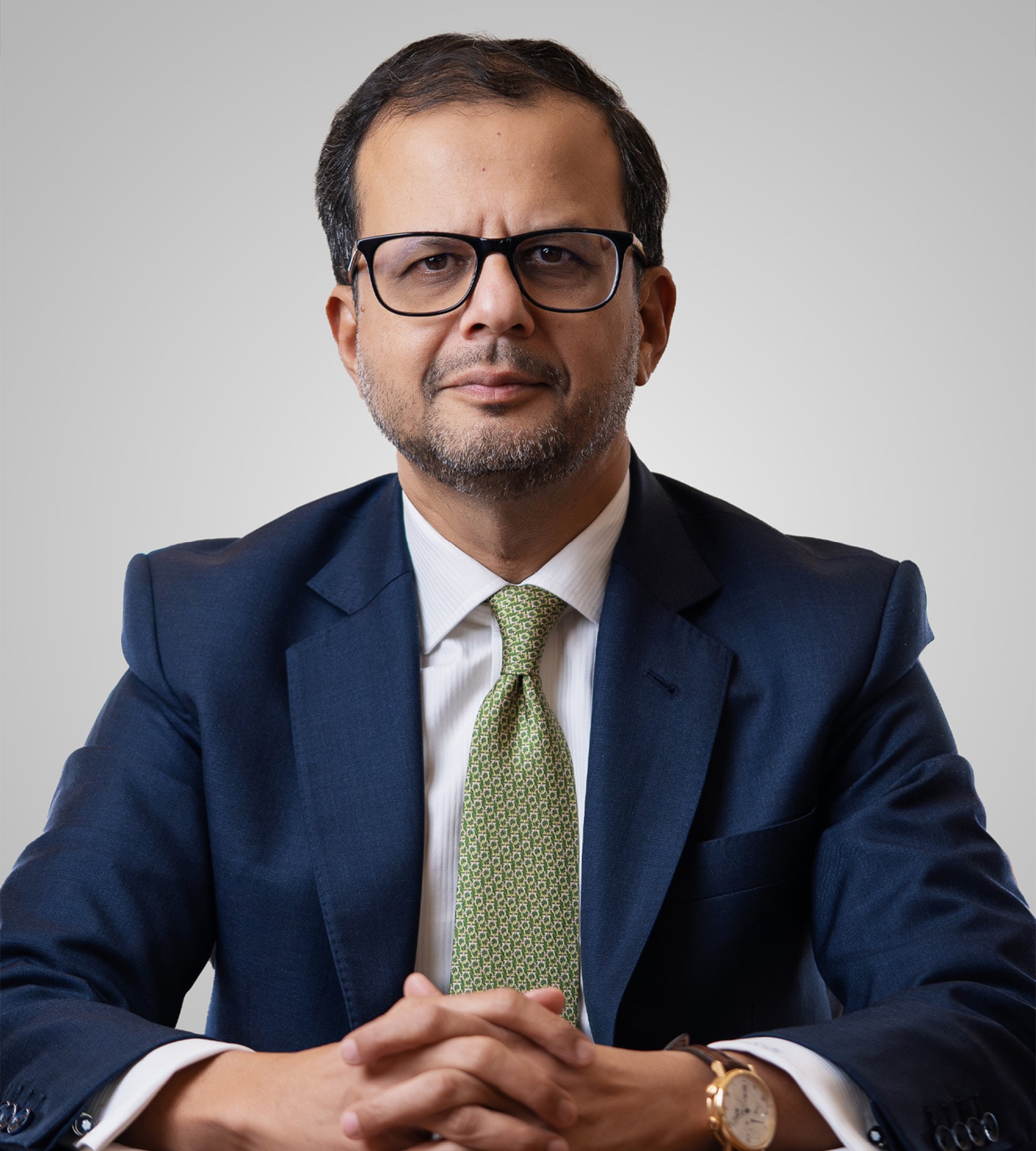
Scott Capelin
Contributor Collective Member
Scott Capelin is the Founder of inLIFE Wellness, a reformer Pilates franchise operating across Australia and the United States. He is also the author of ‘inShape inLove inSpired’. With more than 30 years in the fitness industry, Scott is passionate about helping people build businesses that support, not consume, their lives. Find out more at https://scottcapelin.com/
 RELATED ARTICLES



 Home
Home
 Podcasts
 Covers
 Be Featured
 Community