Language
You can read the magazine in one of the following languages
6-min read

 Bookmark now

 Copy Link
In early April, I swapped my boardroom chair for a bicycle seat and set off on what I call ‘The Deliberate Detour’ – a 4,000-kilometer solo bicycling journey across America.
As I write this from somewhere between the Rocky Mountains and the Great Plains, having covered thousands of kilometers with aching legs and a clearer mind than I’ve had in years, I’m more convinced than ever that we’ve got our relationship with time completely wrong.
The global statistics paint a troubling picture. According to recent data from around the world, the average amount of unused leave is five days – that’s an entire work week of recovery time we’re collectively forfeiting.
In Australia, my home country, one in five workers has accrued over four weeks of leave. A study by Boston Consulting Group reveals that, on average, 48 percent of workers from eight countries indicate that they are currently grappling with burnout, while 75 percent of workers have experienced burnout.
We’re a global workforce of overworked, under-rested professionals who’ve forgotten that rest isn’t the enemy of productivity – it’s the foundation of it.
This isn’t just a personal wellness issue – it’s an economic crisis hiding in plain sight. Employees who regularly suffer from work burnout are 63 percent more likely to take a sick day and 23 percent more likely to visit the emergency room. When employees don’t take their entitled leave, organizations face increased healthcare costs, higher turnover rates and diminished innovation.

This isn’t just a personal wellness issue – it’s an economic crisis hiding in plain sight.
The irony is stark: in our rush to maximize productivity, we’re creating conditions that fundamentally undermine it.
Around 82 percent of employees are at risk of burnout, but employers are failing to make wellbeing a priority. This disconnect between employee needs and organizational priorities represents a massive blind spot in corporate strategy. Companies that fail to address this crisis aren’t just risking their people – they’re risking their competitive advantage.
In the C-suite, there’s an unspoken belief that constant motion equals progress. We wear our busyness like a badge of honor, confusing activity with achievement. But sometimes the best way forward isn’t a straight line – it’s a deliberate detour that gives us the perspective we desperately need.
This journey wasn’t born from burnout or crisis. It was born from awareness. Awareness that we only live once and that fulfilling our dreams and goals isn’t selfish – it’s essential for feeling empowered, inspired and motivated.
When we deny ourselves these purposeful pauses, we don’t just rob ourselves of experiences; we rob our teams, our families and our organizations of the best versions of ourselves.
The road has been an unforgiving but brilliant teacher. When I took a wrong turn in Colorado and ended up dragging my 30-kilogram bike up a hiking trail for 2.5 hours with no water, questioning why I didn’t just take up chess instead, I learned something profound: the challenge is part of the reward. The stories that emerge from these moments of difficulty become the fuel for resilience in all areas of life.
Preparation matters – it would have been a good idea to have ridden the bike before setting off on a three-month tour, as I discovered rather painfully in week one. But equally important is accepting that you can’t learn everything from Google. When I mapped sections of this journey online, they looked reasonably flat. Reality had other plans involving hills, snow and humbling terrain checks.
Sometimes you need to ask the locals, reassess your approach and learn as you go. The same applies in business – experience and local knowledge often trump theoretical planning.

Organizations must shift from viewing time off as lost productivity to recognizing it as a strategic investment.
Most importantly, I’ve learned that things don’t always go to plan and that’s not just OK – it’s where the magic happens. The unplanned conversations with strangers, the unexpected kindnesses from communities along the way, the moments of clarity that come only when you strip away the noise of daily professional life – these can’t be scheduled.
The vacation entitlement landscape varies dramatically worldwide. Some countries mandate 20–25 days annually, while others offer over 40. Yet, regardless of statutory minimums, the pattern remains consistent: We’re not taking what we’re entitled to, and we’re paying the price.
80 percent of employees who work non-desk-based roles say that a lack of work–life balance is the biggest contributor to burnout, while 77 percent of employees in the United States have reported experiencing burnout at their current job.
This is a global crisis requiring global solutions. Organizations must shift from viewing time off as lost productivity to recognizing it as a strategic investment.
When leaders model healthy relationships with time and rest, they give their teams permission to do the same. When we return from meaningful breaks – whether it’s a three-month cycling adventure or a properly disconnected week-long vacation – we bring fresh perspectives, renewed energy and often breakthrough insights that wouldn’t have emerged from another month at the desk.
Not everyone can or should cycle across America, but everyone can find their version of a purposeful pause.
The key is intention. This isn’t about escaping responsibility, it’s about stepping back to gain perspective on what really matters. It’s about shaking up routines that have become ruts, challenging assumptions that have gone unquestioned and creating space for the kind of thinking that’s impossible when you’re buried in the day-to-day.
My family made this journey possible through their support and understanding. My wife and I have always backed each other’s dreams, and with our daughter now 14 and settled into high school, the timing aligned.

Taking a deliberate detour forces you to confront fundamental questions.
We stay connected through twice-daily calls, but the physical distance has strengthened rather than weakened our bonds. My daughter is proud of her dad for chasing a dream, and I’m modeling for her that it’s never too late to pursue something meaningful.
Taking a deliberate detour forces you to confront fundamental questions: What am I optimizing for? What would I regret not doing? How can I show up better for the people who matter most? These aren’t questions that can be answered in a hurried lunch break or a quick weekend away.
I’m not yet home, but I can already feel the transformation. The clarity that comes from simplifying life to its essentials – move forward, find shelter, stay nourished, stay safe – has stripped away layers of complexity that weren’t serving me. The confidence that comes from proving to yourself that you can handle whatever the road throws at you translates directly to professional challenges that once seemed insurmountable.
When I return to the boardroom, I’ll bring with me not just stories and suntan lines, but a renewed sense of what’s possible when we give ourselves permission to pause purposefully. I’ll be a better leader, a better husband and a better father because I chose to temporarily step away from these roles to remember why they matter.
The road continues to teach, and I continue to learn, sharing lessons from the road on social media.
But one lesson is already crystal clear: taking time out isn’t a luxury we can’t afford. It’s an investment we can’t afford not to make.
In a world where nearly half of all workers are struggling with burnout and millions of vacation days go unused, the organizations that recognize and act on this truth will have the ultimate competitive advantage: truly rested, genuinely motivated and strategically thinking employees.

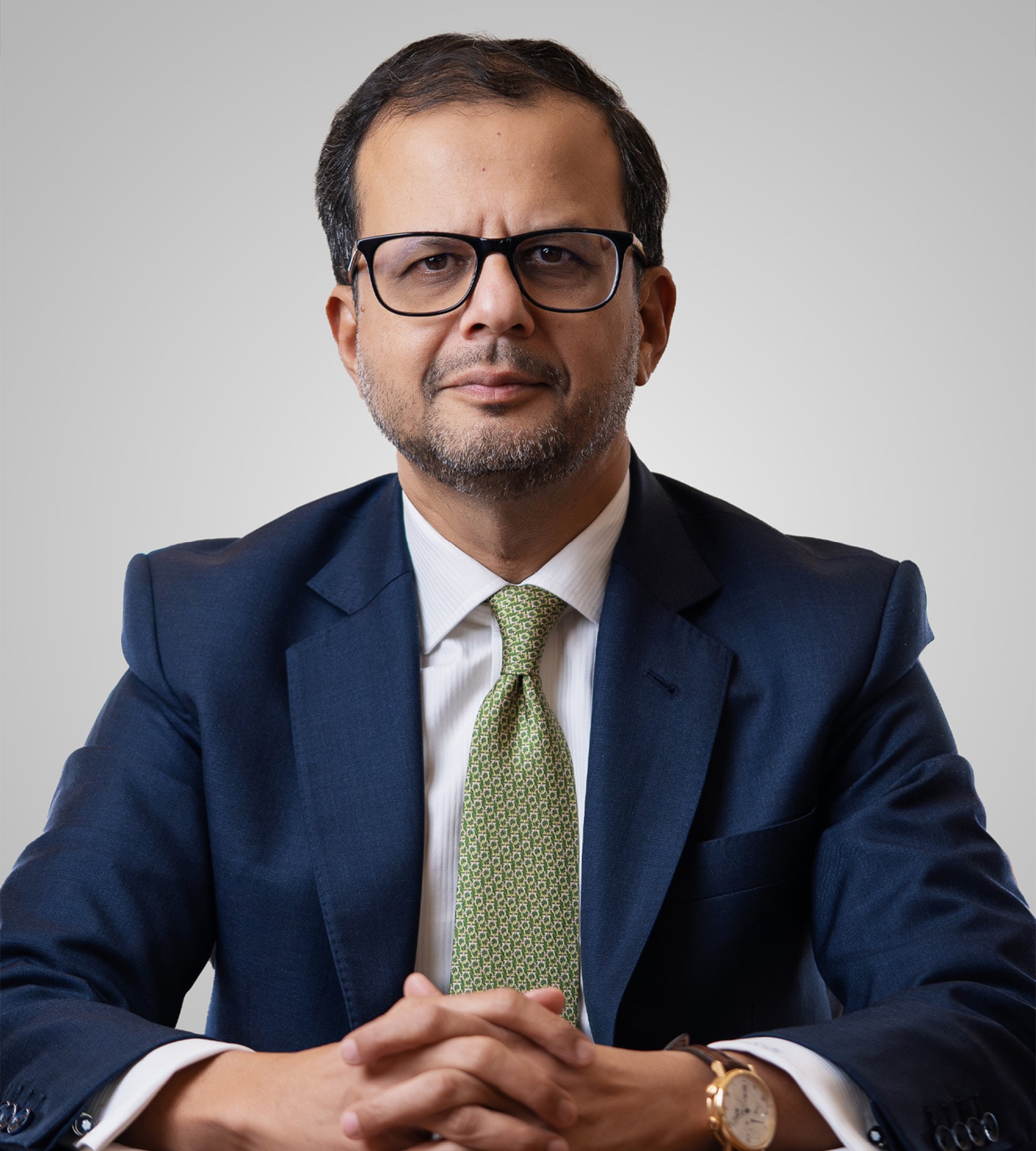
Seb Brandt
Contributor Collective Member
Seb Brandt is a seasoned executive with a track record in driving growth and strategy for ASX-listed companies. As former Chief Strategy & Planning Officer at Ingham’s Group, he led major transformation initiatives across the food and agribusiness sector. Currently, Seb is taking a purposeful pause by cycling 4,000 kilometers across America to recharge and reflect before his next chapter. Follow his journey at https://www.linkedin.com/in/seb-brandt-a04a8268/
 RELATED ARTICLES



 Home
Home
 Podcasts
 Covers
 Be Featured
 Community