Language
You can read the magazine in one of the following languages
6-min read

 Bookmark now

 Copy Link
At a time of major demographic changes, with more and more people living longer lives, conventional business models in the aged care sector are being fundamentally rethought. Growing regulatory complexity and rising costs are adding pressure to essential services and how they are structured and delivered.
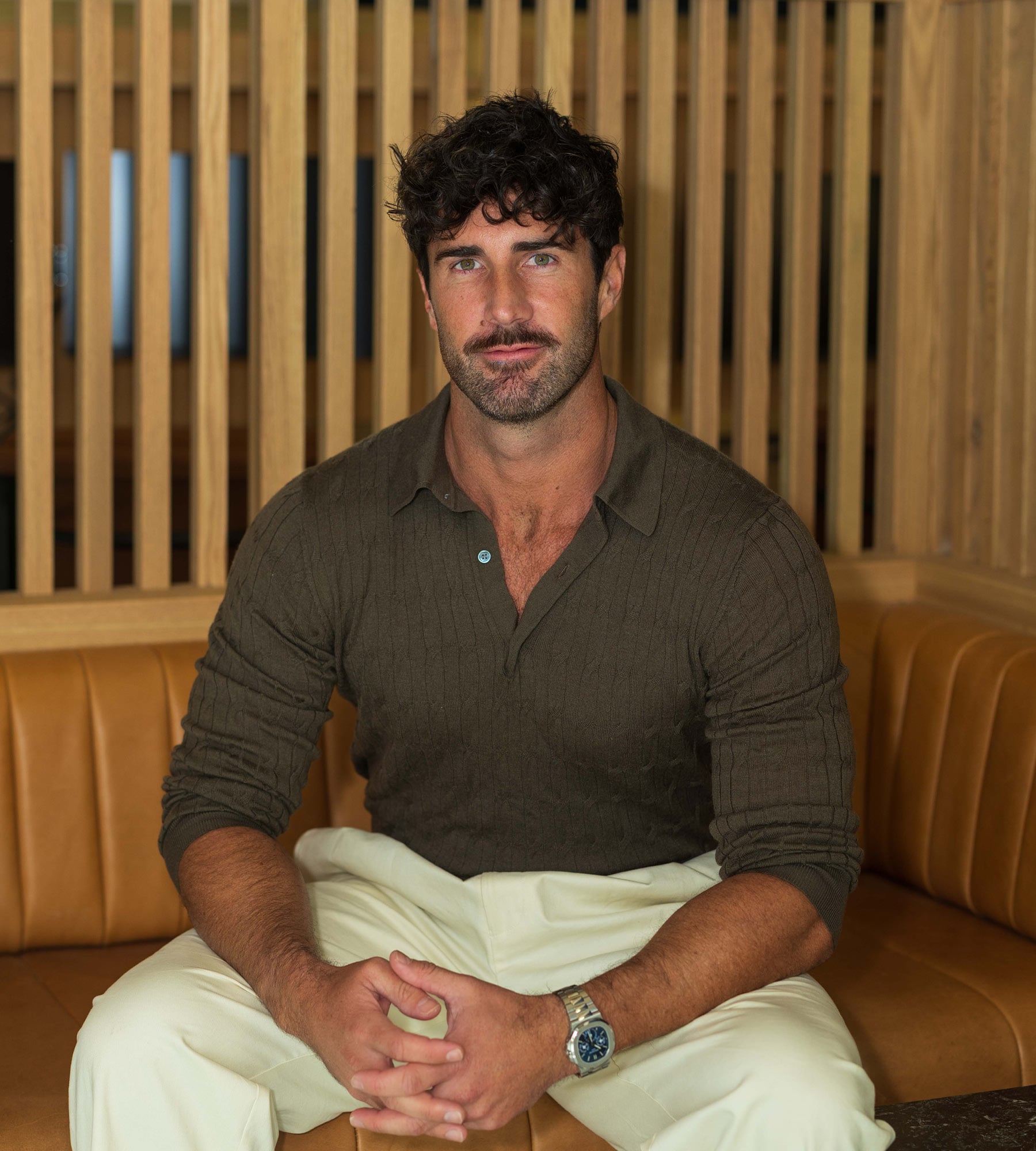
For Stephen Becsi OAM, CEO of Apollo Care, these challenges represent an opportunity to not just reshape the foundations of aged care but also to ensure that the systems that come next are both efficient and, perhaps most importantly, sustainable in the long term.
“Aged care is going to go through a significant transformation in the future,” he tells The CEO Magazine. “There is no way the federal government will be able to maintain the same level of funding in aged care with the aging population.”


Thanks to an extensive career in the elder care space, Becsi has spent more than a decade reflecting on how to overcome the structural challenges and put in place meaningful reform. Apollo Care was established to safeguard the future of not-for-profit facilities in regional Australia.
“Something’s going to have to change if we’re going to be able to provide adequate care for the elderly in the future,” he warns.
Back when Becsi founded Apollo Care, regional providers of aged care facilities were struggling to compete and meet the stringent requirements of government regulation.
“Small aged care facilities were shutting down because they just didn’t have the scale for viability or to absorb the greater bandwidth needed to understand all the changes to legislation and governance requirements that were coming through,” Becsi explains.
The Apollo Care model emerged from the idea of helping smaller regional providers survive in an increasingly complex regulatory environment. Rather than pursuing consolidation through acquisition alone, the plan focused on building collaborative tools that enabled independent facilities to retain their identity while benefiting from shared infrastructure.

Advertisement
Embracing a virtual-first approach, as opposed to building out a large, traditional head office, allowed the company to keep administrative costs as low as possible.
By bringing together these smaller, independent not-for-profit aged care organizations, at the same time as outsourcing the services required to meet the regulatory requirements, facilities can build for the future rather than fighting to stay afloat.
“Everything we created was in the cloud,” Becsi explains. “We have a technology architecture in place where there is no head office and no big buildings in Sydney, Melbourne or Brisbane. We don’t have that fixed cost.”

Advertisement
This digital operating system, which connects many facilities in real time, creates major benefits by unlocking economies of scale and offering the latest technology.
“If your clinical systems, financial systems or HR systems aren’t meeting what is required to run the business, you can literally cut the software, write an API and bolt another one on and away you go,” Becsi adds.
Following a leadership philosophy that focuses on measurable performance and a strong organizational culture, Becsi uses technology to track success in four key areas: customers, systems and processes, staff and finance. Digital technology enables his leadership team to gain visibility across even widely distributed teams.
“I’m a CEO who believes in a balanced scorecard,” he says. “My view of the world is you need to have that overall picture of the organization against those four perspectives.”


In practice, solid KPIs are used to monitor how well the business is working together to fulfill its objectives. There is behavior aligned to each one of the balanced scorecard elements. For example, putting residents first, quality and safety and using resources wisely.
For Becsi, this combination of data-driven insights quickly reveals any shortcomings across the entire enterprise, which can then be acted upon immediately. He says the emergence of the COVID-19 pandemic forced Apollo Care to harness this technology and put it into real-world use.
“I can go into the operational insight suite and see a snapshot of the entire organization against those four lenses immediately. That is the power of technology in this virtual world. We invested heavily in that,” he confirms.
The rise of the COVID-19 pandemic presented a once-in-a-generation challenge for global health systems, causing long-standing practices to be abandoned to meet strict social distancing requirements and new best practices.
The early development period of Apollo Care happened during the first days of the pandemic, making stability the main goal in an extremely uncertain operating environment.

Advertisement
For Becsi and his team, this turbulent time became a real test of working under intense pressure. By focusing on innovation and quickly adapting, Apollo Care laid the groundwork for success today.
“I had back-to-back team meetings all around the country from my home. That kind of efficiency didn’t exist before COVID-19 because the technology was not so mainstream and accepted,” he explains.


The concept of truly virtual organizations wasn’t in practice until it was the only option. Building a sophisticated technology system wasn’t easy, especially during a global pandemic, but rapid transformation was essential.
“The technology platform was built from scratch; there was no legacy, and we rolled out the same technology to everybody and every site across our entire alliance,” Becsi reveals.
“COVID-19 forced us to use this technology, and we invested heavily in it, as well as not wasting money on the depreciation of big buildings in major cities.”

Advertisement
Now, some six years later, the technology implemented during the pandemic is a genuine competitive advantage for Apollo Care. While other healthcare organizations were stuck in crisis mode, Becsi was able to both address immediate concerns around workforce shortages and margin pressures while planning for a post-pandemic future.
This success has also resulted in multiple awards, including one from Ageing Asia, recognizing Apollo Care’s forward-thinking viewpoint.
“It is a completely new way of operating that was awarded, and these awards have noted our productivity and efficiency successes,” he points out.
Essential partnerships with leading suppliers to the aged care sector help Apollo Care navigate the complex regulatory environment. Working with Company Secretary Australia, which offers tailored corporate governance, compliance and secretarial services, ensures strong governance, transparent reporting and compliance oversight.
Reliable billing and accounting support services are equally important services for the company to outsource to PACE Care, a supplier to aged care organizations, so that Becsi and his team can focus solely on delivering high-quality care.
E.L Blue has been a trusted partner to Apollo Care since the organization acquired its first aged care home in 2020, delivering comprehensive human resources and payroll management services as Apollo Care has continued to expand its footprint across regional Australia.
Whether providing high-level technical, legal advice, workforce governance support, workforce management solutions or board-level HR insight, E.L Blue recommends proven, practical strategies and works alongside clients to implement them effectively.

Advertisement
As the aged care sector continues to evolve, Apollo Care, under the leadership of Becsi, is playing a central role in creating an industry that utilizes advanced technology to make a truly sustainable company.
The combination of shared governance with digital infrastructure gives the company the ability to build out its scalable model, which can adapt to future regulatory and demographic changes.
“Now aged care is morphing and going through this whole new restructure, aged care is the sector to be in, there is no doubt about it,” Becsi concludes.
 RELATED ARTICLES
 SPOTLIGHTS ON LEADERS



 Home
Home
 Podcasts
 Covers
 Be Featured
 Community