Language
You can read the magazine in one of the following languages

6-min read

 Bookmark now

 Copy Link
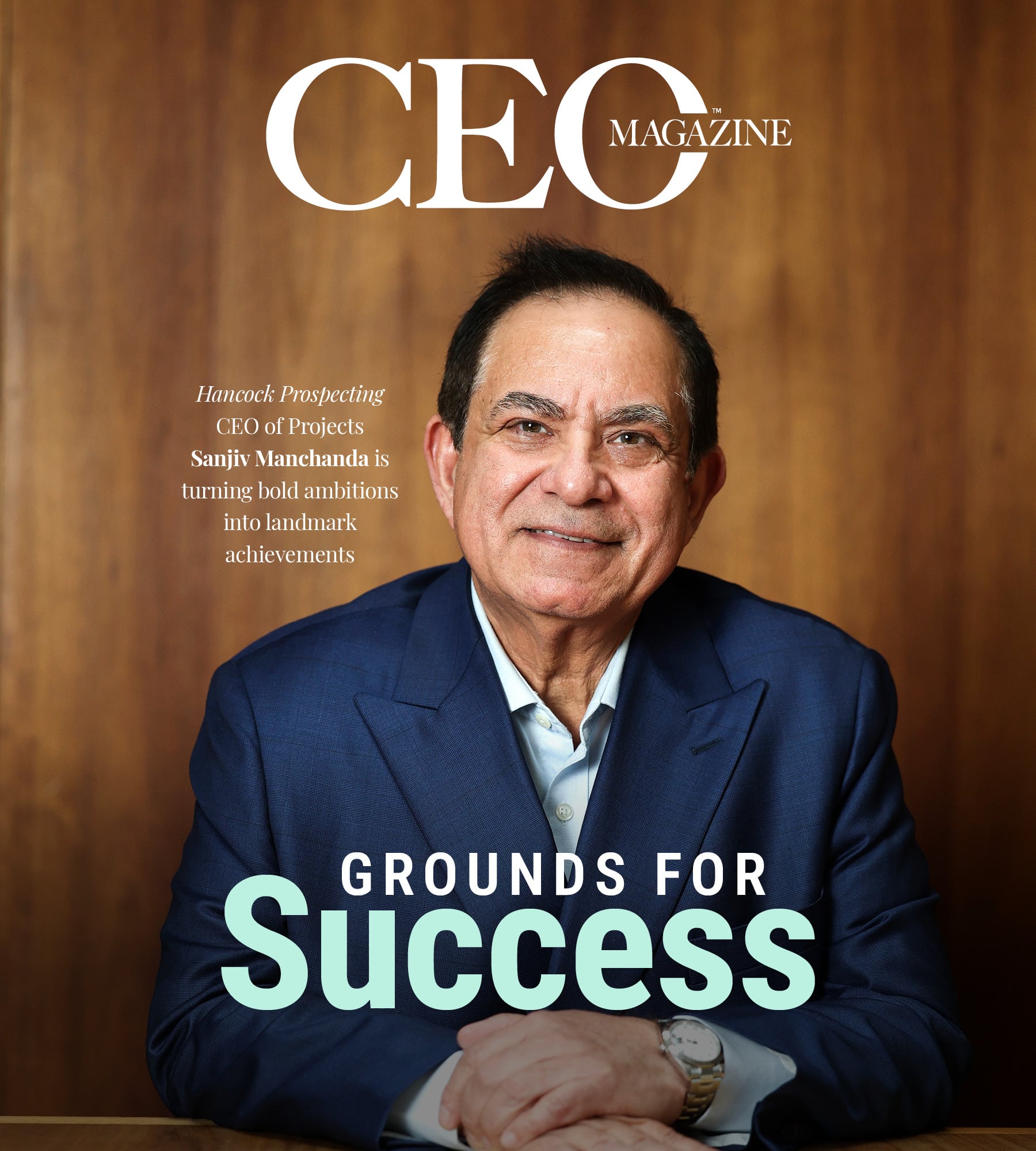
Few executives could look back on the past year and count both a greenfield mine and a world-first headquarters among their achievements. But Sanjiv Manchanda can.
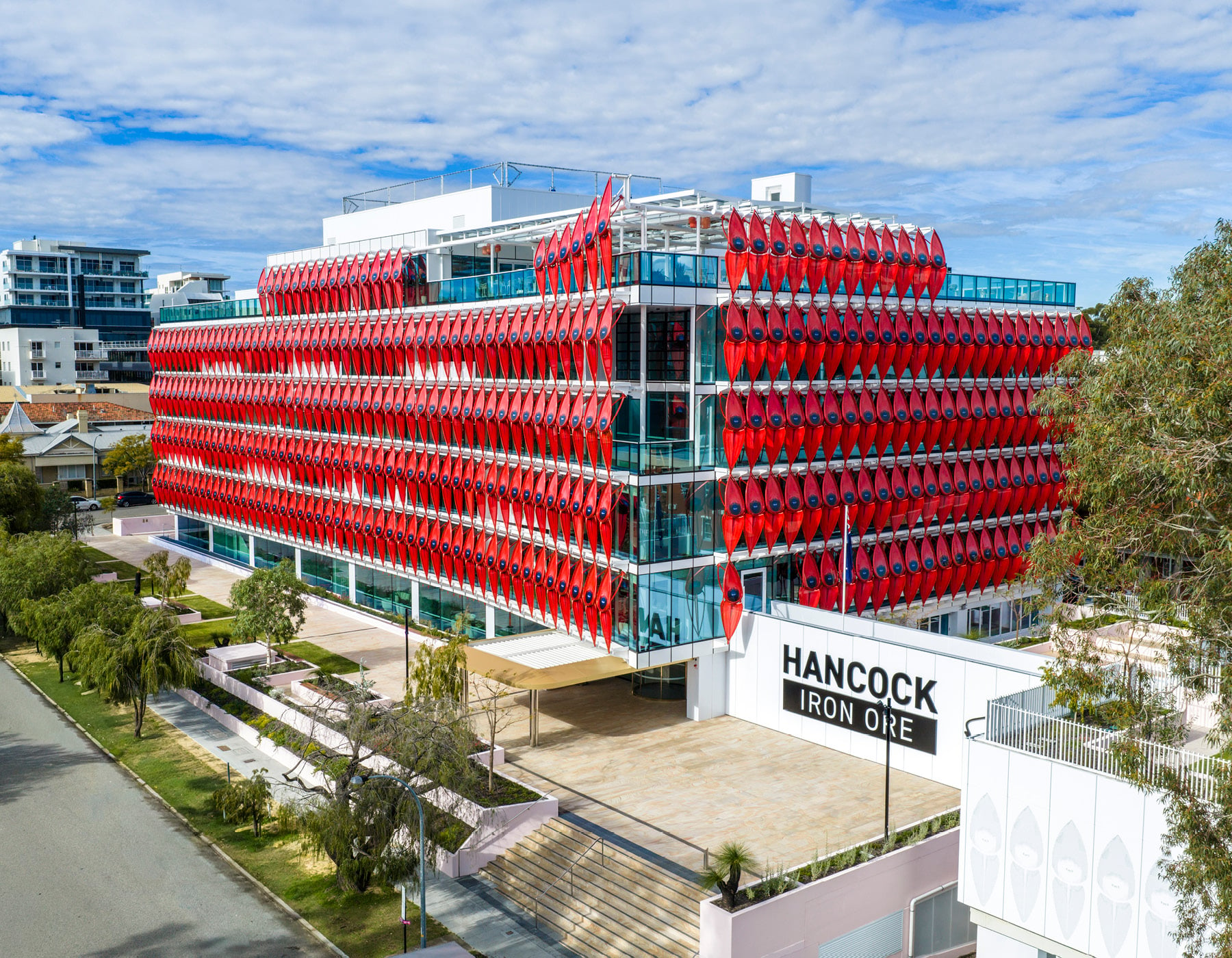
In June, Hancock Prospecting’s US$586 million McPhee Creek mine achieved first ore, little more than 18 months after construction began. Around the same time, 1,400 kilometers to the south in Perth, the company opened its new US$139 million Hancock Iron Ore headquarters – a striking, one-of-a-kind statement building with an innovative exterior awash in fins inspired by a famous flower from the Pilbara region.
The projects could hardly be more different. Yet for Manchanda, CEO of Projects at Hancock Prospecting and a highly commended honoree in the Energy and Mining category at The CEO Magazine’s 2026 Executive of the Year Awards – Australia, both came down to the same thing: taking on an ambitious idea and finding a way to deliver on it.
“I have always been a firm believer in creating and reinforcing a culture of excellence in everything that we do at Hancock,” Manchanda tells The CEO Magazine.
“This is all inspired by our Executive Chairman Mrs Gina Rinehart, who has a decades-long track record of creating mega projects that benefit Australia, create jobs and create untold economic benefits.”
Manchanda is no stranger to delivering complex projects on time and on budget, having played a key role in the Roy Hill mega-project, which secured the largest debt financing agreement in the world for a project of its kind.
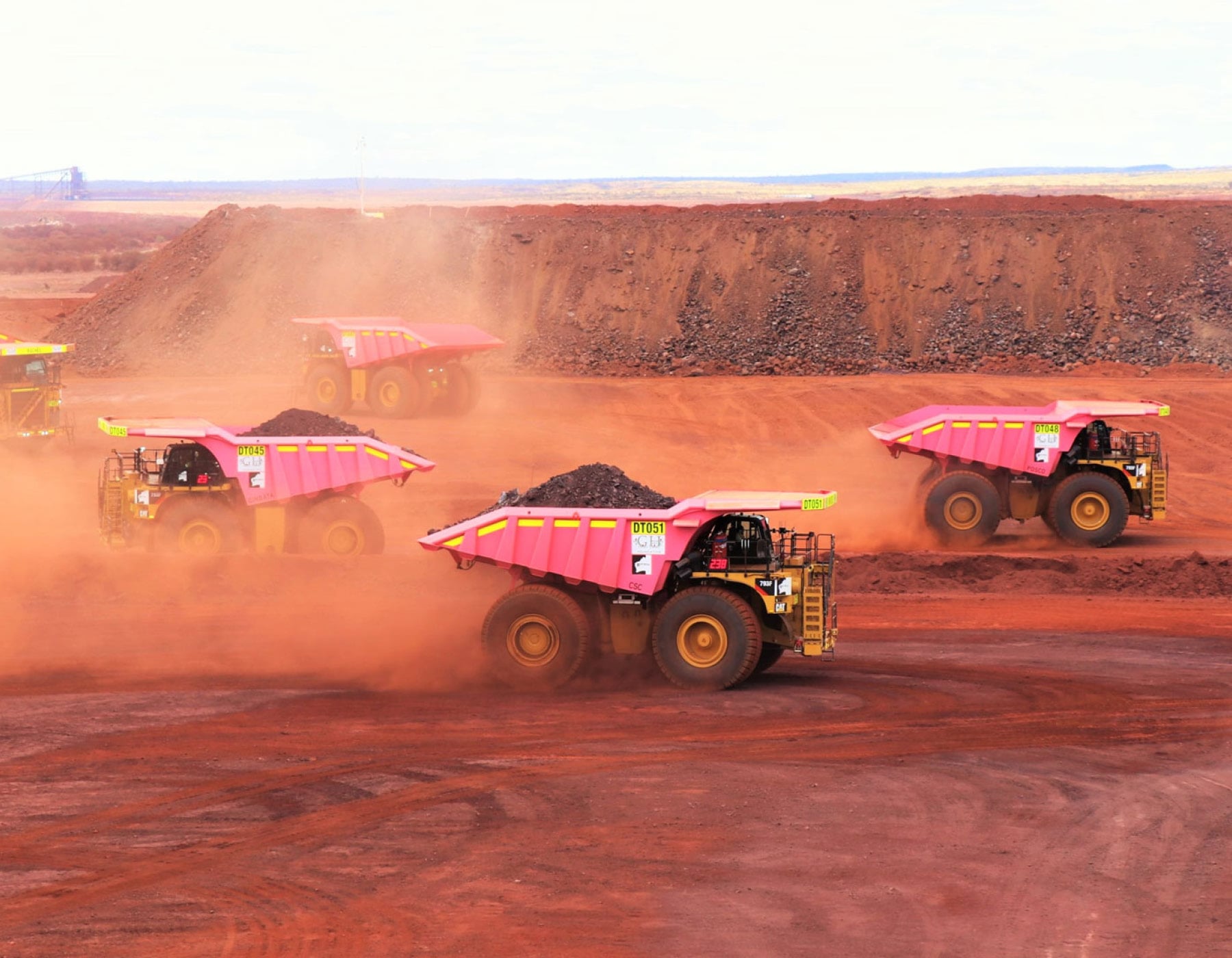
In what was recognized as the fastest construction start-up of any major greenfield resources project in Australia’s history, Roy Hill went from construction to first shipment in less than 27 months and brought to the Pilbara some of the then-largest mining equipment in the world along with world-first pink trucks, trains and other equipment to celebrate women in mining and support those affected by breast cancer.
Of his recent achievements, McPhee Creek best illustrates the challenges that can sit behind a major project’s delivery.
Feasibility work began in 2019, with the board approving the project in 2021. What followed was a period few project teams could have anticipated – the COVID-19 pandemic, travel restrictions, skills shortages, supply chain disruption and two changes to the same legislation.
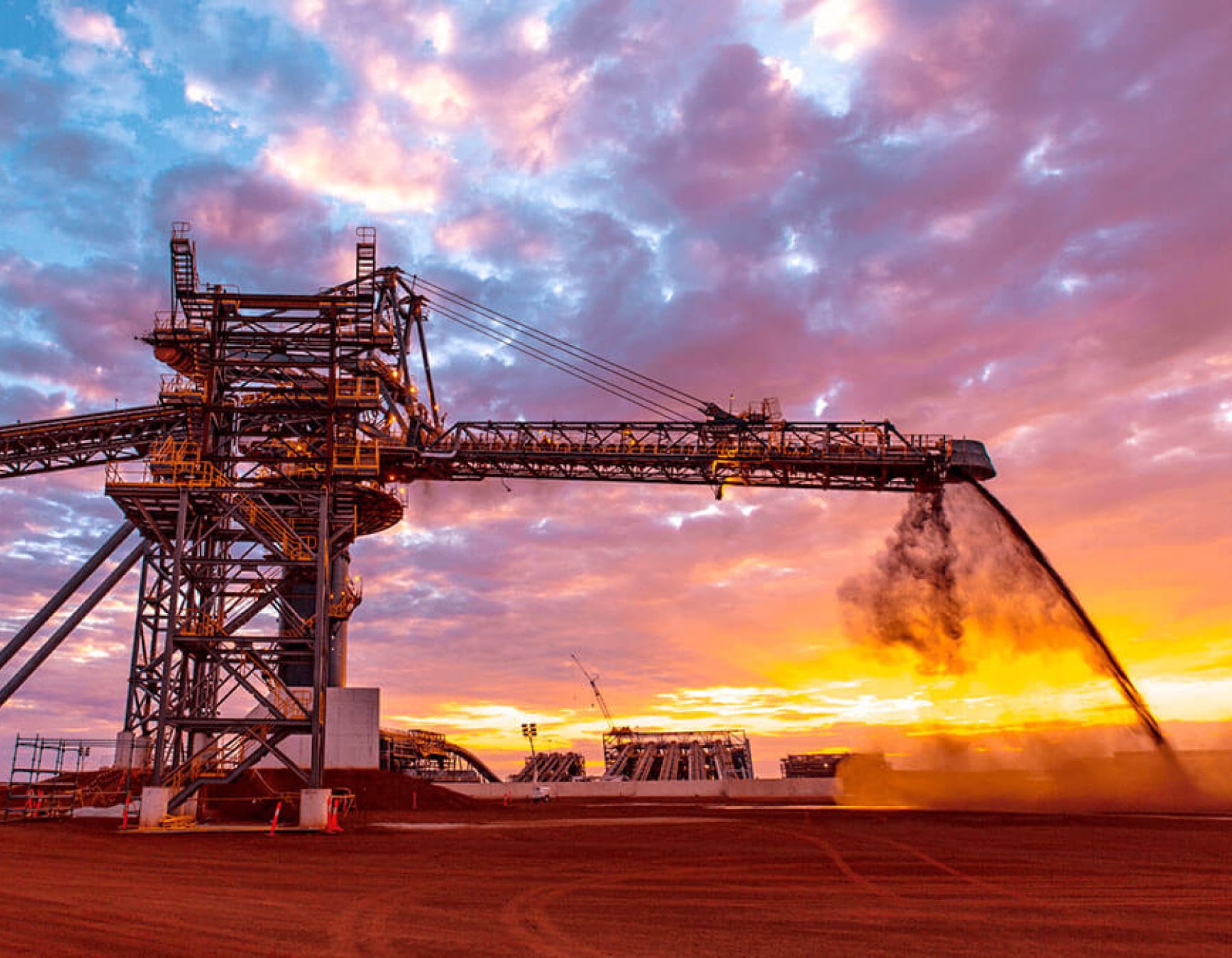
Meanwhile, the physical scale of the undertaking was considerable. Bringing the Pilbara mine to life required one million cubic meters of earthworks, mine infrastructure, workshops and a 220-room accommodation camp.
In partnership with the Western Australian Government, almost 100 kilometers of Marble Bar Road was also upgraded to provide the region with a sealed, all-weather road.

Yet despite all of the setbacks and obstacles, McPhee Creek progressed from construction to first ore in just over a year-and-a-half. Much of that came down to a team with the experience to navigate whatever was thrown at them.
“We have so much knowledge in our team, and it was critically important to know I could rely on that when things got tough and erred on the unconventional due to circumstances outside of our control,” Manchanda says.
The mine is expected to ramp up to around eight million metric tons a year and has an anticipated 15-year life. Its ore is sent to Roy Hill for blending and processing to optimize Hancock Iron Ore’s broader product mix while extending the long-term value of existing infrastructure.
According to Manchanda, the model is shaped by the realities facing Australian mining today.
“Mining is more demanding now than it was a decade ago,” he points out.
“Costs have risen massively, approval times have blown out to the point where it takes longer to get approval than it does to build a new mine. Global supply chains have also become more challenging than ever.”
At McPhee Creek, the complexity extended well beyond construction. Manchanda and his team were managing 846 compliance conditions every month. Rather than letting the mountain of paperwork become an administrative burden that distracted from the project at hand, Manchanda had another idea.
“I asked the team to build a system that logged and tracked every conversation with stakeholders, pulling data from thousands of approval documents so information could move from the frontline to me in near real-time,” he explains.
“That was not box-ticking for its own sake, it was a way of making better decisions under pressure, without losing the human thread.”
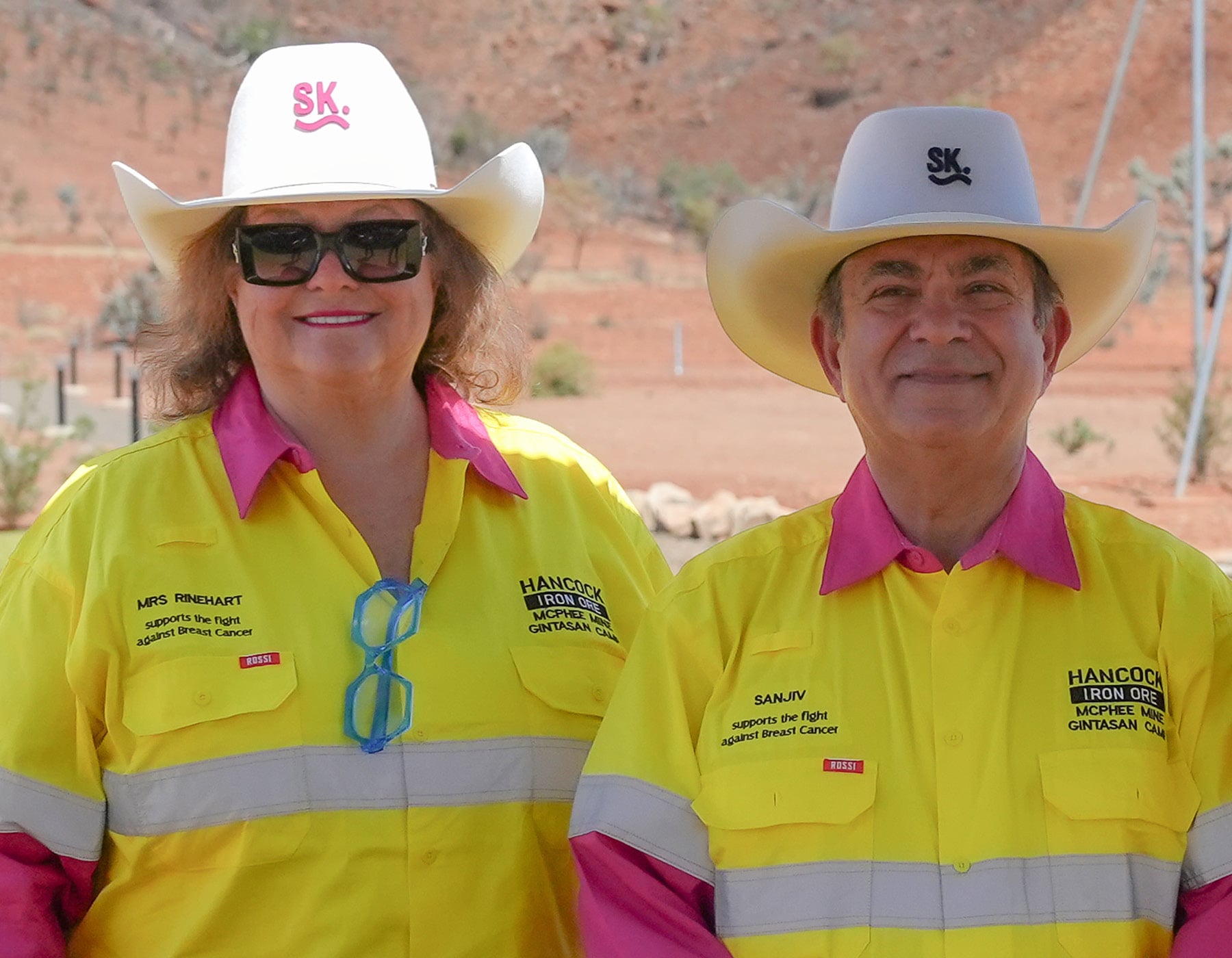

The numbers elsewhere are just as telling. Over a year, 2,632 safety inspections were completed and passed without incident, while McPhee Creek reached operational status without a single heritage, community or environmental complaint.
“That does not happen without the right culture in place,” he insists. “It happens when leaders are present, standards are non-negotiable and people know they are part of the story.”
Manchanda’s approach to leadership is equally straightforward.
“My style is to be close enough to see the risk to manage it, yet far enough back to let capable people do their jobs,” he says.
“You want an open, honest and transparent culture where you help people solve problems.
“And you have to keep faith with the people doing the hard yards. Decisions stick when the team isn’t just told the ‘what’ but also understands the ‘why’. This is so critical to leadership and team success.”
That philosophy was put to the test again on the development of the company’s latest West Perth headquarters, where employees were given a chance to weigh in on its design.
“We took staff on the journey long before the doors opened at our new Hancock Iron Ore headquarters through leadership sessions, walk-throughs, and honest conversations about what the building would feel like,” Manchanda says.
Beyond its visual impact, the exterior’s sun-tracking design dramatically reduces solar heat gain and cooling energy demand during warmer months.

Inside, an upgraded Remote Operations Center puts automation tools in the hands of employees, while an open floorplan fosters collaboration.
“We designed it so people from across the business share open areas and a cafe, because proximity creates collaboration that can’t be mandated,” Manchanda says.
There’s even a dedicated cat room, created in partnership with WA Cat Haven, giving staff a place to decompress while maintaining the company’s connection with a long-standing local partner.
For Manchanda, the headquarters and McPhee Creek are expressions of the same philosophy.
“The ethos is the same: stay competitive by using what we already have better, take people with us and never treat delivery, safety or our legacy as optional extras,” he says.
With both projects now operational, Manchanda is already looking toward what comes next.
His ambition for the next three-to-five years is to maintain the standard established by Hancock’s biggest projects while continuing to find better answers to increasingly difficult problems.
“I want us to preserve Hancock Prospecting’s position as the best private company in our country’s history,” he confirms.
“My role in that will be to ensure we bring on the next phase of projects with the same discipline that built Roy Hill, McPhee Creek and so many others on time, on budget and in a way that leaves the regions better off than we found them.”

Being named highly commended in the 2026 Executive of the Year Awards comes at a significant point in Manchanda’s career. But he’s quick to share the credit, pointing to the people who have worked alongside him to deliver these projects.
“It is humbling, but not my achievement alone,” Manchanda explains.
“An honor like this really is a spotlight of their work – the people who got McPhee to first ore, who turned a very ambitious building concept into a world-first headquarters that looks as good as it works, and who held the line on safety and standards when it would have been easier not to.”
And while the projects may be measured in millions, Manchanda sees their significance beyond the numbers.
“Mining, done properly, is a nation-building contribution,” he says.
“It funds hospitals and roads, it pays for police and national defense, it creates the highest paid jobs in places that need them, and it puts metals into the products that people use every day in the modern world.
“As Mrs Rinehart often says, when mining does well, Australia does well.”
 RELATED ARTICLES
 SPOTLIGHTS ON LEADERS


 Home

 Podcasts

 Covers
 Be Featured

 Community