00:00
A lot of founders have to spend too much time to actually even get the chance to speak to the right
people.
00:07
You've had more than a million offers that have been made to innovators.
00:14
Disruptive new solutions are the ones that really fight the problem at the root, and not just relieve us
from some of the symptoms. The actual issue to solve is this visibility that the founders are lacking to
the right people.
00:38
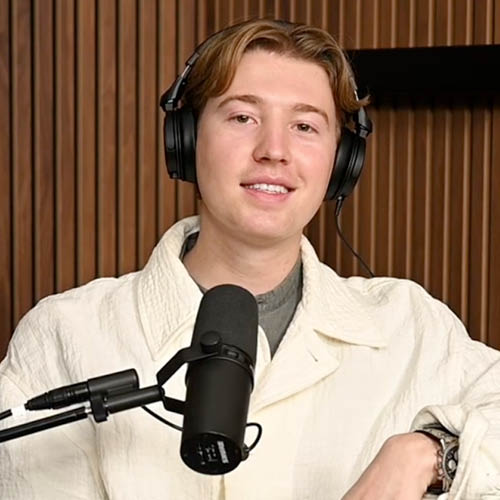
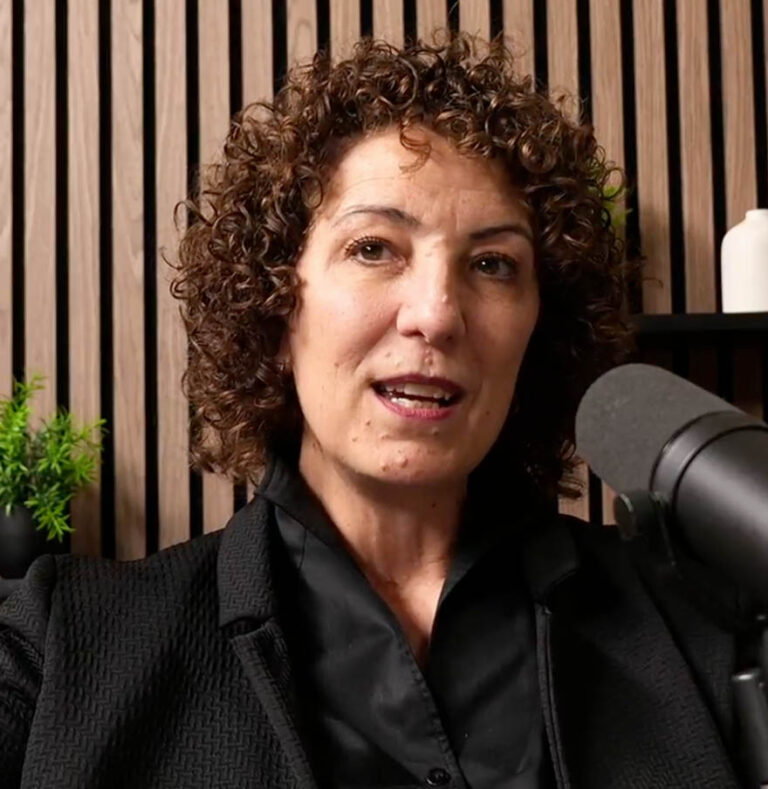
Welcome back to CEO behind the scenes. I'm Lara necession, and today we're exploring an ambitious
vision into the future of innovation. My guest is Maximilian Werner, founder and CEO of inspired a fast
growing global platform designed to democratize access to world changing ideas in just a short time,
it's attracted more than 20,000 users. Had 3.5 million post views, 700,000 interactions and 8000
direct conversations, leading to over one and a half million in financial offers to innovators. Along with
that, the active engagement from notable investors, including leaders from companies like hertz and
echo wave power. But what makes inspired so compelling isn't just the numbers, it's the why. This is
a story about what happens when breakthrough innovations never get seen, never reach the public,
and how one founder set out to change that. Please enjoy. Maximilian, welcome to the show. Thank
you very much for having me. I really want to start with the spark behind inspired. You had this idea
come to you when you were working in private equity in Zurich, and you had this moment where you
realized that there's so many great ideas that never actually see the light of day. And so I'm
wondering if you could take us back to that moment and where this idea really came from.
02:17
Yeah, so it was out of the realization that in order for us to solve those global challenges, we have to
find disruptive solutions for them. At the same time, we are losing, every day though, great ideas with
the potential to solve those challenges. What I could see there is that we lose them most of the time
because they just don't find the right supporters at the right time, even though they would be out
there. So that was the frustrating part. So it just felt like there is a quite big disconnect. It seemed too
unlikely that those people would actually meet because, for example, how he was in the private
equity office where I was working at they received even, like physical letters and like phone calls and
emails all the time from founders wanting to pitch their project most of the time. It was really not a
match at all. When we spoke then to the founders, I could sometimes also ask them how they
managed to actually do this on scale, and they couldn't
03:35
really and this idea and this vision that you had, tell me about the journey to actually bring this to life,
because, as I mentioned in the intro, you've seen such immense growth and impact in quite a short
period of time. What did that journey look like for you? From having this idea to bringing it to fruition
and the impact that you're seeing today,
04:00
it started off when I wanted, then to create a system that basically anyone can invest with as little as
$10 in those startups that was back in 2021 it took me some time to realize how hard it is to actually
execute this because of all the legal struggles, and then at the same time how the actual issue is the
visibility, though, because even if I would have built that system successfully, then anyone can invest
which, just as a side note, so There is, in most countries, a law that would only let people invest in
private equity if you have either half a million on your bank account, or if you're an institutional and
investor. And I perceive that always a bit as useless, because, in my opinion, if people want to take. A
risk. They will anyway, do it, but then they put it maybe in volatile stocks, in case they lose it. It helps
no one, whereas with the startups, at least we as humanity could try something, and we gave
somebody a chance. So I was then realizing that the actual issue to solve is this visibility that the
founders are lacking to the right people, that without that, also, if anyone can invest basically not a
meaningful sum comes even together. This was then the spark that initiated this global and digital
platform and stage that we then build for the founders?
05:45
Yes, and one of the things that just on that point that I read about in your journey, one of the
principles that you've spoken to, is this concept that visibility is actually a greater challenge for a lot
of founders than actually getting the funding itself. Could you speak more to that mindset and what
you've started to really see and envisage with a lot of the challenges that these founders are facing?
06:12
Yeah, so I think a lot of founders have to spend too much time to actually even get the chance to
speak to the right people, which slows down the whole process of actually refining and developing
their solution. Therefore, what we build is a stage that anyone can access and where you can pitch
and showcase your solutions in form of a video and image, and indicate what resources you need to
drive it forward in that way, we want to make it much easier for them that they can actually just pitch
in the most effective way and reach as many relevant people as possible.
07:01
The other piece that you touched on, which I think is so important, is the fact that you really set out
to democratize private equity, because, as you touched on, there were these regulations in place that
made it very challenging for people to invest in these types of businesses and companies and really
get them off the ground, but you've democratized it to the point that people can start to invest with
as little as $10 so what did that experience teach you about outdated regulation versus the untapped
potential?
07:41
Well, I did not, in the end, proceed with it through because I set up this system here in Switzerland,
and we very quickly ended up in a gray zone here, legally. And then we noticed we have to be very
careful, and as soon as we wanted to kind of allow also investment from abroad, we would have been
beyond the gray zone. So this is then also a part of the reason why we then focused more on building,
first a global space where the relevant people would meet, and then in the next step, we will
reintroduce the system that you can invest also with as little as $10 that's probably going to be
implemented in one and a half years. And it will depend a bit if the current companies in that space
will kind of fight the legal battles for us that we can then also tap into this, or if we rather collaborate
with them, and, yeah, save ourselves the headache with all the regulations.
08:55
And I guess that speaks to how you were able to then pivot and actually create this digital innovation
event that inspired is today, you have now created an opportunity where there is no time or capacity
limits, and for people that are really hearing about you and inspired and the work that you're Doing.
Could you tell us more about how this actually all
09:24
works? Yeah, so I really like the analogy of putting it in a physical way, like how would inspired look if
it would be physical, and how I imagine it. It's a space where you have endless stages and where it is
always on. So the founders are constantly pitching, and then you have people that can walk through
and basically decide in which area they want to go, which on our app is then like the founders
pitching in form of short video. Pros and illustrations, where they can very quickly show what it is
about and what they need. Then you can set filters depending on location, the sector stage, but then
also the opportunity, so you can really customize this room, kind of to exactly what is relevant for
you. Then you can get in contact with the founder straight away. You can request a pitch deck to get
more info, and basically, then really take it a step further in this process of the deal flow,
10:41
and you've had more than a million offers that have been made to innovators. What do you believe
has been the driving force behind this momentum that you've been able to create?
10:55
Mostly it is the human aspect that is so much in in the center. So we have investors that would then
scroll through this feed and like have all those founders pitching, and they would feel very quickly the
energy of the team and and the spirit, but then also see in a visual way, how the product works, and
what it is about which we believe has way more of the emotional parts involved that are very
essential in especially the early stage and the private equity investments. And from that point on it
can then go very quickly if they feel it's a match and they they align on the mission and appreciate
the execution. We realized it can then be quite a quick process actually, to support the founder and
like drive it forward. It's also the reason why we want to do always like the pitches in the most visual
way as possible, because especially with the more complex products and and innovations, you can
read sometimes 10 pages and you don't understand it fully. But if you get a 32nd video or animation
about the product and see it in real life, you just get it, and can decide much quicker if you align or
not
12:34
absolutely. And I love this piece around your focus on bringing things to life in a really visual way.
Because one of the things that I read about while I was doing my research for this episode was the
fact that you have this example of a drone flying over the Amazon on the platform. The intention, I
believe, is to really help local communities build a sustainable income stream. Why do you believe
that it's so important that innovators are really having an opportunity to be showcased in this way,
versus some of the more traditional channels?
13:14
First of all, now, in the age of AI, all of those pitches start to be the same when they're written down.
There is a lot of sameness in the pitch decks, in the way those emails are written, but when it comes
to then a video and like actually the founder speaking and presenting the product and the team, it's
quite a different thing, because as an investor, you can get so much more info around the energy, the
team spirit, the products and like essentially just the human part in it, which I believe is The most
important one. Actually another thing is, it is the most interesting way, I think, to explore also
innovation, if you compare it to how exciting an innovation event is in its physical form, and then
sometimes how it doesn't do it really justice when you then have, like those directories with just lists
of companies and like short descriptions. It's, I think, really not what innovation deserves kind of to be
presented as, because sometimes, like this drone that you mentioned, when you would read about it,
you need to spend quite some focus and time to really understand the concept. And when you would
read, let's say, 20 of those, those pitches, you also get. Quite quickly exhausted if you see it, then
visually, you effortlessly understand it and are excited about it most of the time.
15:12
It's such a powerful illustration as to the power of visuals and the power of storytelling and really
being able to present compelling ideas in this way. And one of the things that I really wanted to touch
on, and I would love your perspective on, is I've heard you speak about the fact that some founders
are fearful to share these ideas in a more public setting or arena, because they're worried about their
idea being copied, or someone coming in and executing faster than them. But you have a very
different take on this, and you've often compared this to a chef, you know, being presenting a meal,
but not actually just sharing the recipe. Could you speak more to that and why you have this belief
around founders being more open with their
16:09
ideas? Yeah, I think there comes the time when the visibility is really needed to find the right people,
because most of the innovations really cannot be executed at all if you don't have people around you
to support you and to drive it forward. I think the same is with like a chef that has been talking about
how great the cooking is, at some point, you need to give people a piece of it to try. And it doesn't
mean that you need to let them into the kitchen and, like, show them basically your Recipe Book and
everything, but if you just give a piece to try, I think it attracts and the people that really like your
cooking and that want to be with you on this journey.
17:00
I love that analogy so much. It's like keeping the secret sauce whilst presenting the meal.
17:07
Yeah, exactly, yeah. I think this is what it is about, especially nowadays. It can be so easy with the
phone, you can just, like, take a quick video of the prototype and, like use basically this amazing
opportunity that nowadays we have so good cameras, we're all connected with each other. And if you
just take a quick video of a prototype, explain it and show how it works on that level that you're
comfortable with. I think it's never a wrong idea.
17:44
Yes, I love that. And I want to speak to, you know, innovation and really looking forward to what's
next and the next decade. And I'm curious to know from your perspective, what global problems you
believe will actually be solved through innovation, rather than you say regulation or policy.
18:07
I mean, in my opinion, innovation is the only real way of how to even solve the problems and
challenges, because, in my opinion, the disruptive new solutions are the ones that really fight the
problem at the root and not just basically relieve us from some of the symptoms as it is with, like the
incremental improvements, for example, with, let's take the plastic pollution in the ocean, where the
regulations, for example, what Europe is doing with having now the plastic bottle caps attached to the
bottle, and having all the regulations around the straws, etc, it only solves it to a certain extent, but
what would really then solve the whole issue is, for example, if we create a plastic, let's say that
dissolves with salt water or something in a direction where it really tackles the problem at the roots,
and is not just reducing a bit the negative implications.
19:24
And how do you believe that we would best prepare societies and not just businesses, for these types
of transitions and innovations to come?
19:37
I believe it is a mindset and a systemic change that is needed as well in the way that we get more
comfortable with also trying and at some point also failing with new approaches and not just go the
very. Safe way at all times. Because I believe innovation comes up and like flourishes when we just
give it the space to unfold and give also when there is, of course, like, not a lot of risk involved for the
society, it just a chance to try new solutions and see how it works.
20:24
Max, I would love to speak to the fact that inspired recently launched a global innovation competition,
not just as a marketing exercise, but really as a way to really bring these unsurfaced ideas to the
table and to the world. And so I'm curious if you could share what you really hope that this
competition will reveal. Yes.
20:51
So it's a global competition where all the innovators are eligible to participate, and basically they can
just pitch and showcase what they're doing, and then the community can vote. And in the end, the
innovator with the most votes will receive that price of 20,000 euros. Last time this project called
bioverse won it the one you mentioned before, that scans the Amazon and basically helps the locals
to get the best and most effective yields from the forest how it is, with the end goal of Providing them
more value when the forest is intact rather than when it's chopped down. This project really received
the boost through this price, and it's quite nice to then actually see how a spark like this can really
accelerate the whole process, of course, in combination with the visibility and also the people that
they met and for this contest, I definitely hope for somebody in that regard as Well that has really a
approach that changes the whole ecosystem in that place. Because there it was then not only about
the forest and the climate in that sense, it was going much beyond that. It was helping the locals. It
was helping really, the whole population actually there, and how they interacted with each other, but
then also with the forest and the nature. So this is the direction that we, that we hope for. And there
are actually, at the moment, already quite some interesting ones leading it's, yeah, it's, it's worth to
have a look at
23:00
them. Absolutely. It sounds like such an exciting initiative. And for those that are listening to this, how
could they best get involved? What does participation look
23:10
like? The app is for free. Anyone can download it. So we always verify the people. So one just needs
to kind of prove that one is really the person that one is saying you are you can participate. You can
give your votes, and you can then take it a step further in opening up a innovation page and then
showcasing your project. As soon as it got verified, we verify always to people, because it's really
important for us that it is a no noise platform where it's really focused on solving those global
challenges through innovation, but it's free for everyone, and even if one is not verified, one can still
get inspired and just explore the projects
24:00
and Max, we always wrap up all of our interviews here at CEO behind the scenes with the same two
signature questions. And so the first question I wanted to ask you is, what is one thing that you've
changed your mind about recently, and why
24:18
I changed my mind on that we can always keep full control over AI, even if it gets super intelligent.
How I see it now, it's more that we can raise it well, kind of but then eventually it will do its own thing,
and we just now need to concentrate to raise it with the right values and manners, that it then
doesn't get us into problems.
24:49
What's one belief that you haven't changed your mind about a belief that you'd pass on to others for
the purpose of leading or leading? Add on
25:00
also, AI related, I would say that AI really gives us humans an amazing chance to be actually more
human and basically be more free, because we don't need to do those repetitive tasks anymore that
are, in my opinion, also often not actually human, like we're just imitating machines often. And I think
even if, and I think it will, there be a lot of pain around that shift, I think eventually it will be good,
because it lets ourselves be more human Max.
25:44
Thank you so much for joining me for this conversation. Your insights and way that you are bringing
forth innovation and making that more accessible to the world is truly inspiring. So thank you so
much for joining me for this conversation today. Thank you very much, and thank you so much to our
audience for listening. If you enjoyed this episode, then please be sure to subscribe, rate and review
the show and also share this episode with someone who you know would really benefit from
maximilians incredible insights. Thank you so much for joining us, and we'll see you next time on CEO:
Behind the Scenes.



 204K
204K
 53
53
 1
1


 Host
Host
 POPULAR TOPICS
  FEATURED PODCASTS


 Home
Home
 Podcasts
 Covers
 Community
 Sign In