Language
You can read the magazine in one of the following languages

5-min read

 Bookmark now

 Copy Link
When the euro was introduced in 2002, the business of striking the currency represented up to 80 percent of the business of La Monnaie de Paris. Last year, that figure had dropped to 20 percent.
While such a statistic can be interpreted as a commentary on the role of cash in our increasingly digital society, what it also demonstrates is the successful execution of the official French mint’s diversification strategy.
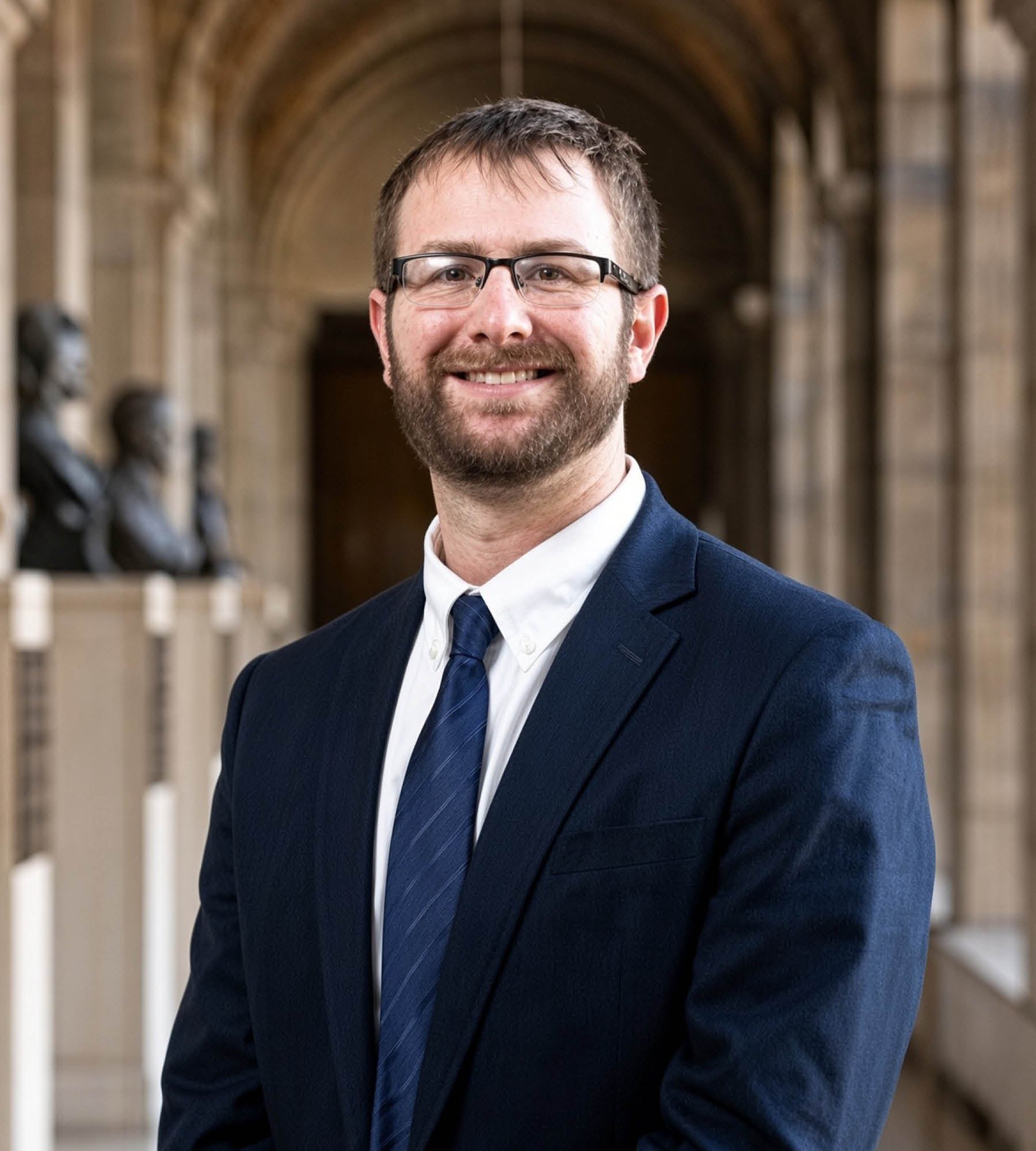
“The transformation of our company is striking,” Chair and CEO Marc Schwartz tells The CEO Magazine.
“We are still an institution which carries out the essential mission of making coins for the French government, but it only represents a fifth of our activity now.”
Schwartz says it’s easy to sum up the strategic thinking.
“We had to speed up the activity to reduce costs,” he says. “Of course, it’s much easier said than done.”
To accelerate the growth, the focus landed on two business lines, which have been the two main engines of growth over the last five-to-seven years, he explains. The first was the export of circulating coins, a B2B market where the customers are the central banks around the world.
“In a demand-led market, competition is extremely tough,” Schwartz explains. “You have to be competitive on cost, on delivery and quality, nothing else.
“The brand is important, but when central banks are putting out tenders to buy banknotes or coins, they’re not looking for a brand.”

“The transformation of our company is striking.”
The other main engine was the development of collector coins, a B2C market that involves a different approach because it is supply-led, and involves winning over customers’ hearts and minds.
“In the collector coin market, marketing and communication matters,” he says. “You have to attract people’s attention.”
But reducing costs required some tough decisions.
“The diagnosis that I made when I joined the company was that the break-even point was too high,” he explains. “We reduced staff by 10 percent in three years.”
Despite what he describes as the status that comes with being owned by the government, Schwartz stuck to his goals. Soon, costs were under control and profitability returned.
Having held high-ranking civil roles in the French government – including the Ministry of Finance and the Ministry of Culture – alongside C-suite private sector experience, Schwartz came to La Monnaie de Paris in 2018 with the skills needed to steward one of the oldest institutions in the world through change.
“I’ve worked with a lot of historic state-owned companies that were confronted with the necessity of change,” he says.
Armed with an understanding of the nuances of the public sector, he quickly realized that it was not really a customer-driven organization.
“It was a product-driven organization,” he says. “It took us two-to-three years to change this company into a customer-centric organization.”

“We are the oldest institution in France, and one of the oldest in the world, and that really gives an identity to the company.”
While he recognized the value of the French art de vivre and cultural representation that La Monnaie de Paris embodies, he also knew that rather than executive-led decisions, the institution needed to start thinking like its customers.
It might have been a lesson being taught in business schools for years, but in an organization where the tradition of “making nice products” is so strong, it was a change that required time.
But the change has meant that now the organization approaches the market to ask what it would prefer in terms of collectibles; this year’s The Lord of the Rings series is, for example, a huge success in the market, Schwartz says.
As the national mint, La Monnaie de Paris has been striking coins for the French Treasury for almost 12 centuries.
“We often remind people we talk to that we are the oldest institution in France, and one of the oldest in the world, and that really gives an identity to the company,” he says.
While it is proud of this identity and heritage, Schwartz knows that the mint cannot become stuck in its past.
“We try to look into the future as much as we can,” he says.
The organization is still riding high on the momentum from the Paris 2024 Summer Olympics, when it released a series of collectible coins.
“The recognition of La Monnaie de Paris brand has reached new highs,” he says. “Our customer base doubled.”

Advertisement
This year, he’s confident that La Monnaie de Paris will have grown 100 percent since 2020.
“We’ve kept the momentum; when your brand recognition is higher, you can supply the market with new ideas, new scenery and continuous innovation,” he says.
One aspect that he’s particularly proud of is international turnover, which today represents 40 percent of the business (28 percent for circulating coins and 12 percent for collector coins).
Schwartz knows that prioritizing relationships with its supply chain, including raw materials suppliers like Jindal Stainless or Poongsan Corporation, is key to this success. It’s also what’s helped propel La Monnaie de Paris to the top of the market in terms of coins exported to the world.
“Roughly 1.1 billion in 2025,” he says. “You cannot do that alone. You can only do that if you have strong partnerships.”

“The journey over the past few years has been exciting, but for us, it’s far from over.”
Schwartz also sees it as part of the CEO’s role to wonder about the next big challenge or problem.
“That’s why we need to keep diversifying,” he says.
This year, the mint entered the investment market, joining other global mints in releasing a bullion coin, named for Marianne, the personification of the French Republic. It also comes in a digital version.
“We really believe this will be a strong driver for growth over the next few years,” he says.
As will a new collaboration with French watch brand, Beaubleu, to release high-end watch dials.
“The journey over the past few years has been exciting, but for us, it’s far from over,” Schwartz concludes.
 RELATED ARTICLES


 Home
Home
 Podcasts
 Covers
 Be Featured
 Community