Language
You can read the magazine in one of the following languages
6-min read

 Bookmark now

 Copy Link
There’s nothing that kick-starts a company into action quite like being unified over a common goal, especially when it comes from an altruistic place.
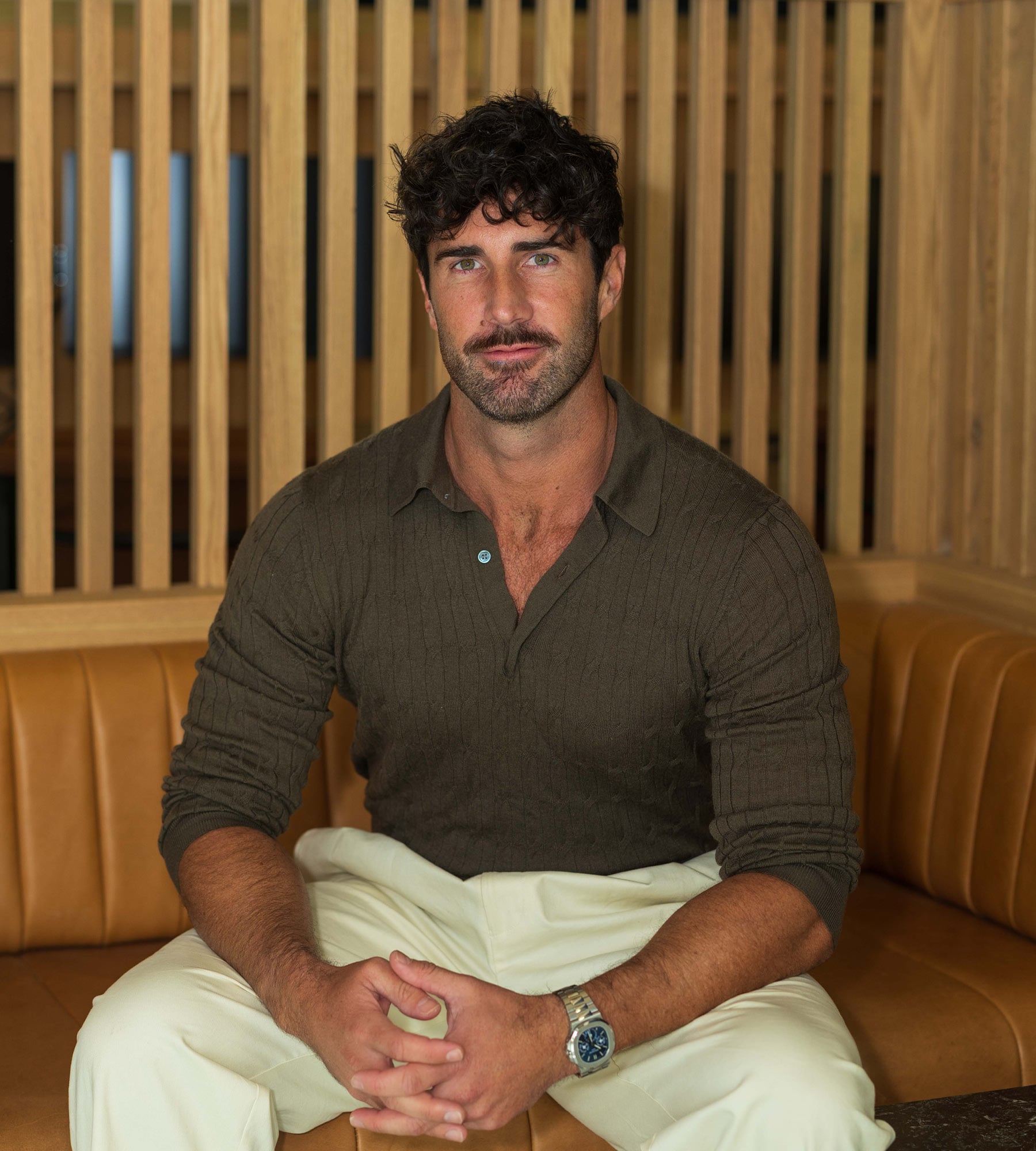
“I’d describe our culture as electric,” says James Fitsioris, CEO and Co-Founder of digital alternative healthcare provider easykind.
“There’s an energy here that comes from being part of something that’s genuinely making a difference in people’s lives. We’ve built a team of people who are passionate about healthcare and deeply committed to changing how Australians access treatment.”
A true trailblazer within the Australian healthcare industry, easykind is changing the game when it comes to affordability and access, offering referral-free services, phone call appointments and compassionate, highly-qualified nurses and doctors. Its achievements have not gone unrecognized, as Fitsioris has been named a finalist at the 2025 Executive of the Year Awards in the Healthcare category.
“What I’m most proud of at easykind is that we’ve fundamentally disrupted a broken market,” he explains. “When we started, alternative healthcare in Australia was fragmented, expensive and inaccessible to most people who needed it.
“We’ve built a scalable model that’s proven you can deliver premium healthcare outcomes while dramatically reducing costs and expanding access.”
As Co-Founder, CEO and the key visionary with the business since its inception in 2020, Fitsioris began his professional career as a lawyer, before swiftly recognizing the potential for systemic improvement in healthcare delivery.
What began as a startup with two co-founders operating from a bedroom, driven by a singular mission, in just five short years has become a remarkable success story.

“There’s an energy here that comes from being part of something that’s genuinely making a difference in people’s lives.”
easykind has experienced rapid – yet ultimately sustainable – growth and established a strong reputation as an industry leader.
“We’ve built a community of patients, health practitioners and team members who wanted to see a better, kinder way of accessing alternative healthcare,” Fitsioris enthuses.
“Through building that community and staying true to our core principles, we’ve demonstrated that doing good and doing well aren’t mutually exclusive, and we’ve created a scalable solution without losing sight of why we started.
“When you stay connected to the problem you’re solving, you never lose that edge of urgency and empathy that differentiates great companies from good ones.”
By challenging societal assumptions about how health services should be structured in Australia, easykind is demonstrating that healthcare can be simultaneously patient-focused and efficiently scalable.
“As health executives, we have a unique opportunity right now,” Fitsioris explains. “The traditional healthcare system is under unprecedented pressure, wait times are increasing and costs are spiraling. Meanwhile, we’re proving that alternative approaches can deliver superior patient experiences and clinical outcomes at scale.
“Our response has been to accelerate investment in infrastructure and clinical governance while the market is still forming.”
While easykind is at the forefront of these shifts, Fitsioris is bolstered by the rest of the industry slowly catching up.
“The healthcare sector in Australia is undergoing its most significant transformation in decades,” he says. “We’re seeing three converging forces that are reshaping the entire landscape: regulatory reform, consumer demand for accessible care and technology enabling new delivery models.
“What excites me most is that alternative healthcare is moving from the periphery to mainstream acceptance. The Therapeutic Goods Administration and Australian Health Practitioner Regulation Agency reforms aren’t just regulatory updates, they represent fundamental recognition that patients need more safe options and that innovative delivery models can improve outcomes while reducing costs.”
By developing the systems and structures that will come to define this sector for the next decade, easykind is ensuring it stays ahead of the curve and can continue delivering optimal results for its patients, irrespective of how the industry morphs.
Having navigated the unavoidable challenges associated with beginning a new company – in the midst of the COVID-19 pandemic, no less – within a highly regulated industry, Fitsioris is well equipped to handle any new hurdles that are thrown his way, noting a piece of advice from Tony Robbins that still resonates.
“The reward for solving problems today is bigger problems tomorrow,” Fitsioris says. “When we were a small team serving hundreds of patients, the challenges were straightforward: hire good people, deliver quality care, keep costs reasonable.
“But as we’ve scaled to serve thousands of patients across Australia, the complexity has grown exponentially. How do you maintain clinical standards across different states? How do you ensure consistent patient experiences when you’re operating at scale? How do you innovate while maintaining regulatory compliance?”

“You can deliver premium healthcare outcomes while dramatically reducing costs and expanding access.”
Yet while Fitsioris admits this level of complexity initially felt overwhelming, Robbins’ words helped reframe how he thought about growth in healthcare organizations.
“It helped me realize that these bigger, more complex problems are actually the reward for solving the simpler ones successfully,” he reflects.
“If you can figure out how to deliver exceptional healthcare to thousands of patients, you earn the right to solve even more complex challenges for tens of thousands.
“Instead of seeing regulatory complexity or operational challenges as barriers, I now see them as indicators that we’re solving meaningful problems at a meaningful scale. The healthcare sector needs leaders who embrace this complexity rather than shy away from it.”
Returning to the culture that is so fundamental to easykind’s success, Fitsioris enthuses that since one of its core values is ‘five-star service’, it’s unsurprising the company is outperforming competitors.
“We have very deliberately built our culture on being clinically rigorous but deeply human,” he says. “In healthcare, you need both excellence in clinical governance and genuine empathy for patient experiences.
“We understand that many of our patients have been through frustrating healthcare journeys, they’ve often exhausted other options and they’re looking for someone who actually listens.”
Delivering a service that at its heart is about achieving the best results for patients, easykind has also guaranteed a team whose kindness and passion shine through in every single interaction.
“This culture hasn’t just contributed to our success, it is the very reason for it,” Fitsioris insists. “When your culture is built on actually solving healthcare problems rather than optimizing for traditional metrics, it attracts people who went into healthcare to make a difference.
“The best healthcare professionals want to work where their expertise can have maximum impact, and they can see that happening here in ways that traditional healthcare structures often prevent.”

“The healthcare sector needs leaders who embrace this complexity rather than shy away from it.”
It’s that same mindset that has resulted in Fitsioris’ power as a leader and a disrupter, especially given the tangible results Fitsioris is witnessing every day as part of easykind.
“What drives me is the clinical evidence we’re seeing,” he points out. “Patients who’ve struggled with traditional treatment pathways finding relief, regional communities gaining access to specialist care for the first time, healthcare costs becoming manageable for those who previously couldn’t afford treatment.
“When you can measure your success in improved patient outcomes rather than just business metrics, it changes how you approach every decision.”
Investing heavily in clinical governance, data systems and patient safety protocols to preempt regulatory changes, easykind not only safeguards its success long into the future, but is also put in the incredible position of helping to shape the wider industry.
“The opportunity ahead of us is enormous,” Fitsioris concludes. “We can create an alternative healthcare system that combines the accessibility and innovation of the private sector with the safety and standards of traditional medicine.
“That’s not just good for business, it’s good for the millions of Australians who deserve better healthcare options. The question isn’t whether this transformation will happen, it’s whether we’ll lead it or be led by it.”
 RELATED ARTICLES
 SPOTLIGHTS ON LEADERS



 Home
Home
 Podcasts
 Covers
 Be Featured
 Community