Language
You can read the magazine in one of the following languages
7-min read

 Bookmark now

 Copy Link
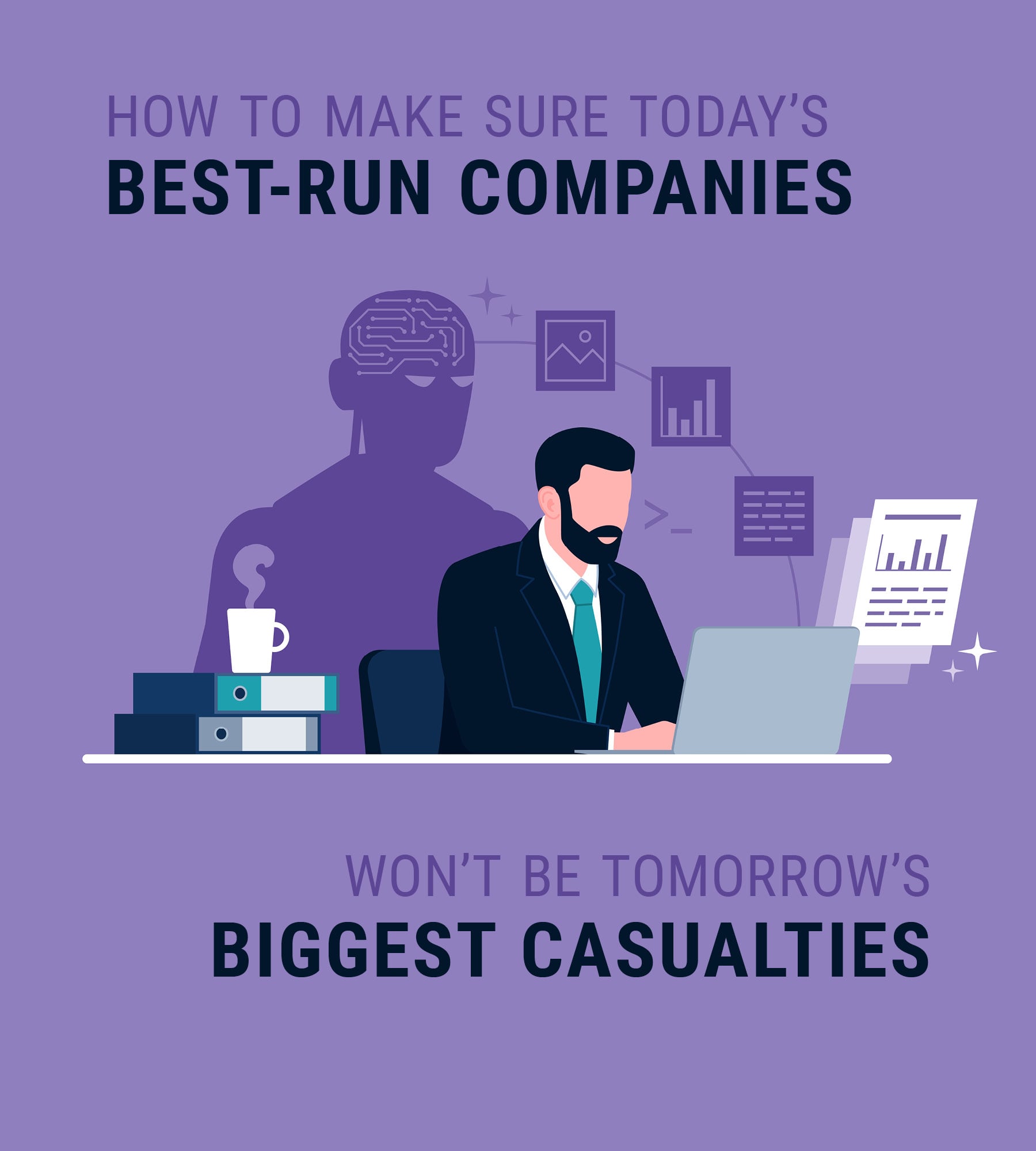
Most AI headlines still focus on roles disappearing and automation reshaping the workforce. But there is a more uncomfortable question that C-suites and boards are not discussing openly enough: What happens when AI starts changing the work of leadership?
After all, a CEO’s role has always involved sensing signals, synthesizing information, making decisions, communicating direction, aligning teams and inspiring action. AI is increasingly capable of supporting, accelerating and, in some cases, challenging many of those activities. It can analyze markets, model scenarios, detect operational anomalies, summarize customer sentiment, pressure-test strategy – the same work CEOs have always owned, just at a different scale and speed.
Does that make the CEO role obsolete? No. But it is being redefined. The question is whether you’ll lead that change or become irrelevant to it.
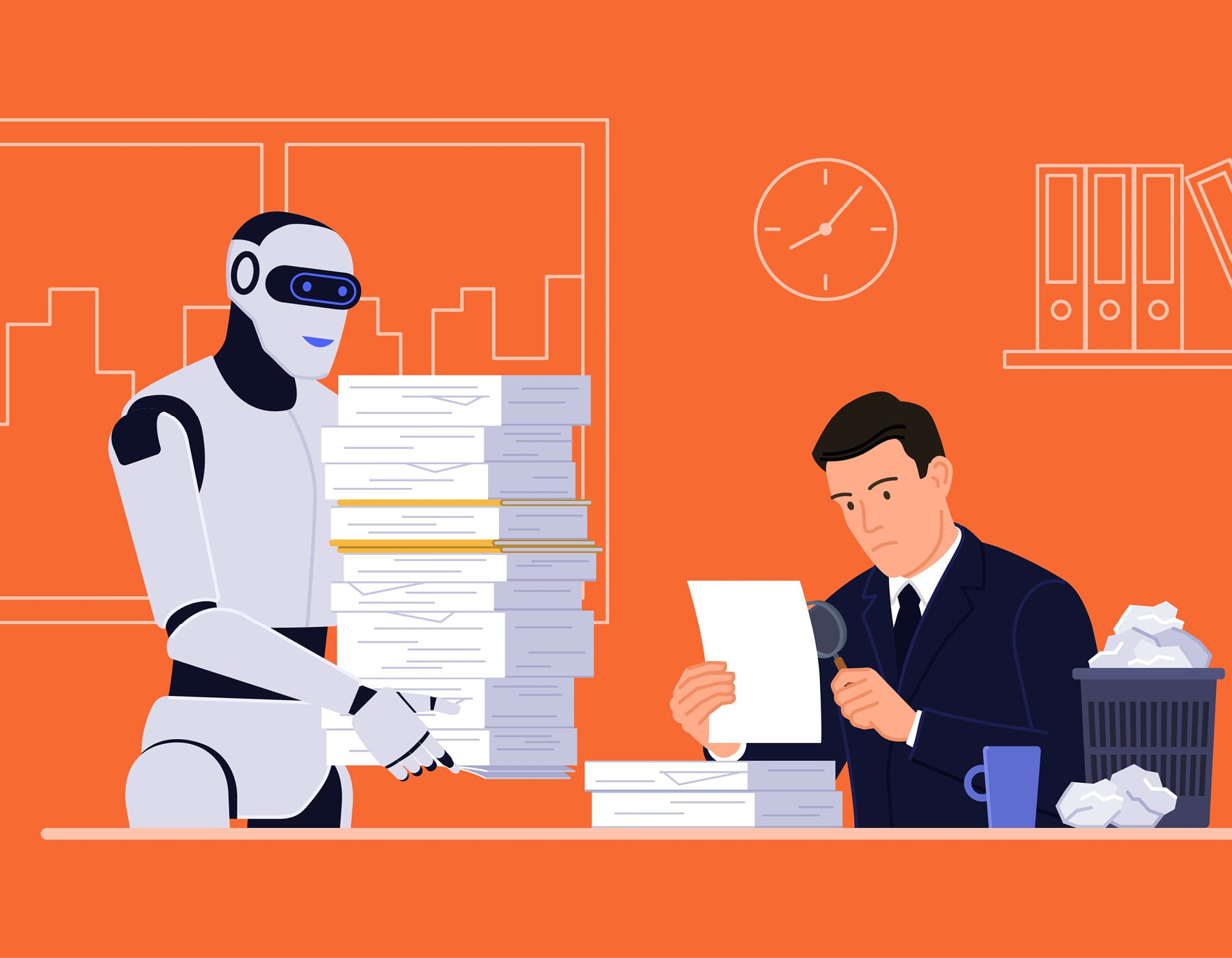
The companies that thrive today won’t necessarily survive tomorrow if they mistake optimization for transformation.
Coca-Cola CEO James Quincey and former Walmart CEO Doug McMillon recently said AI was a factor in their decisions to step aside, with Quincey saying Coca-Cola needed someone with the energy to pursue a new transformation of the enterprise, and McMillon noting that he could start the next big AI transformation but could not finish it. They recognized the boundary of their own capability and made room for it.
We describe this as the shift from finite leadership to infinite leadership. Finite leaders use AI to optimize the business that made them successful. Infinite leaders use AI to redesign the business into what it is meant to become. The companies that thrive today won’t necessarily survive tomorrow if they mistake optimization for transformation.
Here are six shifts that will ensure today’s best-run companies don’t become tomorrow’s biggest casualties.
AI will disrupt how leaders lead as much as it will transform frontline work, back-office processes and middle management.
The CEO has traditionally been the enterprise’s chief synthesizer: the person expected to connect financial signals, customer insights, competitive moves, operational realities, talent dynamics and board expectations into a coherent direction.

The danger is the CEO who keeps leading as if nothing has changed.
AI expands that capacity dramatically. It can see patterns leaders miss, expose assumptions, identify weak signals and surface scenarios before they become urgent. The danger is the CEO who keeps leading as if nothing has changed.
Ask yourself: “Which parts of my role are information processing versus judgment, inspiration and conviction?”
AI will increasingly augment the first category. The future of leadership will be defined by how much more powerful CEOs become in the others.
AI began in many companies as a technology initiative because it looked like software. That phase is over.
The CIO is essential to AI success. But AI business reinvention cannot be delegated to a single function. It spans operations, customer experience, risk culture and talent. The CEO must connect the dots.
Recent AI incidents also show why this cannot be left to technical enthusiasm alone. In 2026, a Cursor-powered AI agent deleted PocketOS’s production database and backups after gaining overly broad access. In 2025, Replit’s AI coding agent deleted a live company database during a test run.
These incidents are not just IT lessons. They are leadership lessons. AI requires controls, permissions, escalation paths, human oversight, auditability and clear accountability. Once AI agents can act, the CEO must define where they are allowed to act, to what extent and outcomes, where humans must approve and where autonomy is off limits.
A company cannot become AI-forward if its CEO is still leading from a pre-AI operating playbook. It’s like that oft-quoted definition of insanity as doing the same thing over and over again and expecting different results.
Most executives are using AI to write, summarize or prepare. That is useful but not transformative. CEOs should use AI as a strategic thinking partner to challenge strategy and surface what the leadership team is not seeing.
This frees you for the human work: shaping vision, building belief, strengthening culture, deepening customer and partner relationships, developing leaders and making the courageous decisions that data alone cannot make.
The conversation about AI risk is too narrowly focused on job loss and cost-cutting. The more systemic risk is leadership obsolescence linked to the competitiveness of the organizations.
Leaders become obsolete when they use new technology to defend old assumptions, measure AI only by efficiency gains and cost takeout and ask employees to become AI-fluent while their own operating model remains unchanged.
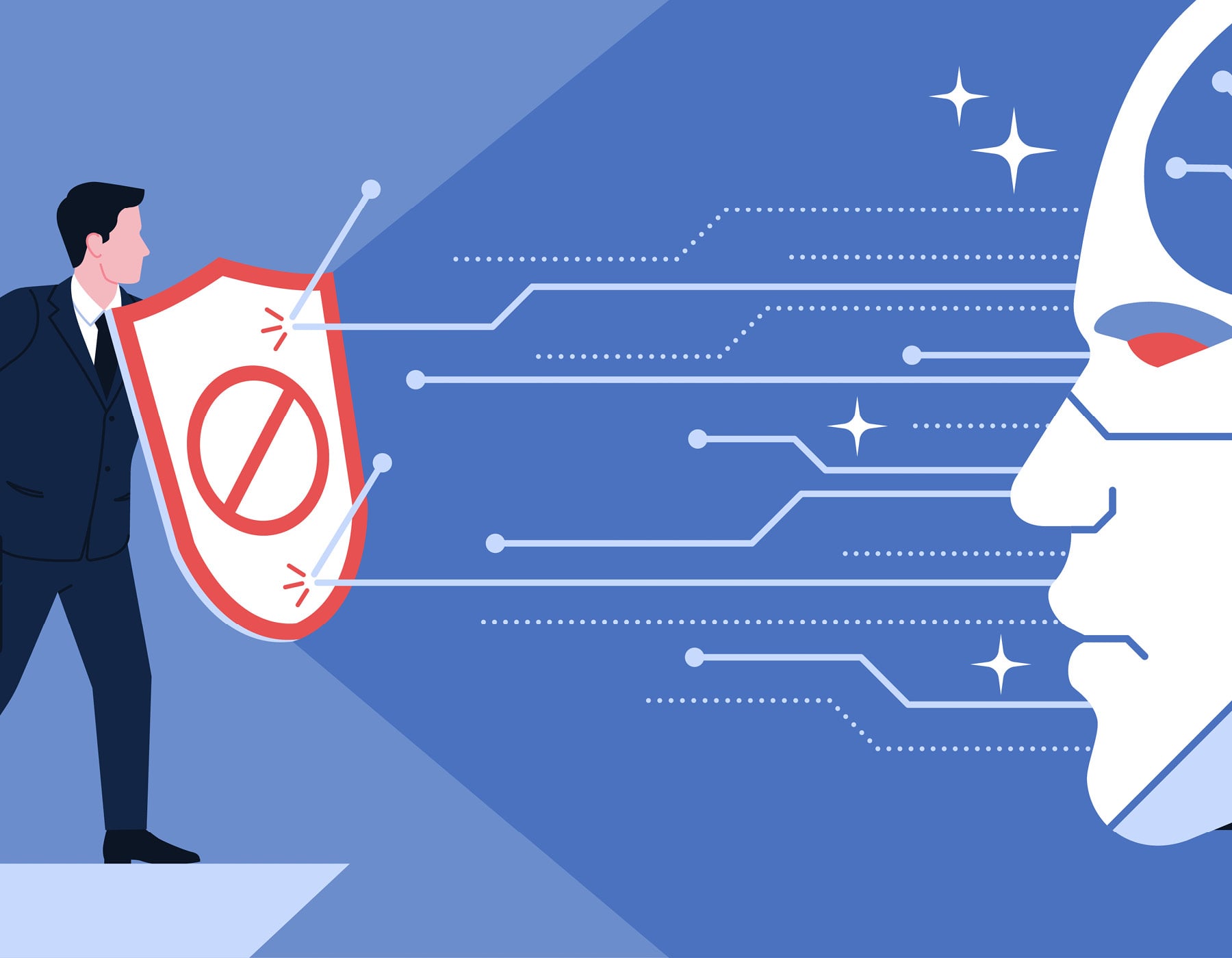
Leaders become obsolete when they use new technology to defend old assumptions.
AI will fundamentally reshape every role in the enterprise, including the C-suite. But it isn’t eliminating executive work. It’s raising the bar. CEOs must become more adaptive, more curious, more technically conversant, more human and more willing to question business orthodoxy. The premium on leadership does not decline in the AI era. It rises.
Automation is hitting the ‘easy button’. It is the new status quo. It is measurable and familiar. It can improve margins. But it is not enough.
Reinvention means moving beyond process optimization to capability expansion, unlocking new skills and roles within your existing workforce rather than replacing it. Automation extracts value from existing work. Reinvention creates entirely new work.
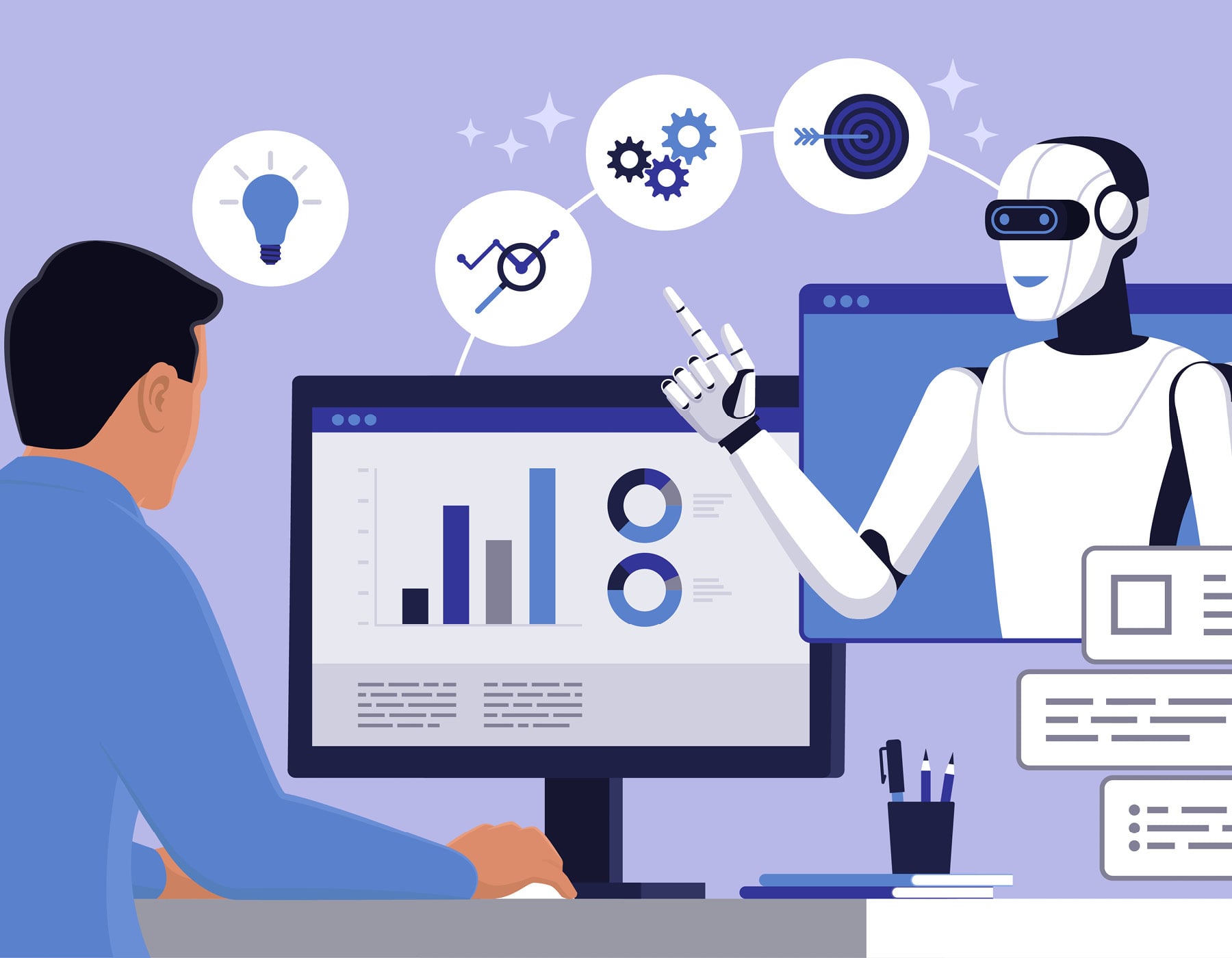
The premium on leadership does not decline in the AI era. It rises.
General Mills offers a useful example of operational AI creating measurable value. The company used AI in logistics planning to reduce transportation costs, improve service levels and evaluate more than 5,000 daily shipments, producing more than US$20 million in savings since fiscal 2024, with manufacturing data expected to drive more than US$50 million in waste reduction.
Walmart demonstrates reinvention. The company made free AI training available to 1.6 million United States and Canadian employees. More than 50,000 cashier positions are being reskilled into higher-skill roles such as drone technicians, robot supervisors and AI-assisted inventory specialists.
A Walmart load manager and former truck driver used what he learned from AI certification to build an app that helps truck drivers get home sooner by reducing empty loads. That’s the difference: capability emerges from inside the workforce.
Every company now has AI pilots, AI committees, AI road maps and AI ambitions. But many still lack a compelling vision for what the company becomes because of AI.
A visionary AI agenda does not start with considering where to deploy AI. It starts with asking the question: “What have we always wanted to do for customers, employees, partners and markets that was previously impossible or unimaginable?”
AI cannot simply be bolted onto the current company. The bold CEO move is to redesign the company around new possibilities. An example of this is Tech Mahindra’s Project Indus, which offers an indigenous LLM for Hindi and more than 37 dialects, expanding access to communities that are often underserved by mainstream models.
This brings us back to the question every CEO should be willing to ask: “If AI is changing everyone else’s job, how is it changing mine?” The answer is an invitation to lead differently.
CEOs who refuse to change how they lead may make themselves obsolete.
The future belongs to those with ‘infinite’ mindsets who become AI-forward themselves and then redesign the company around human potential amplified by intelligence.

Brian Solis
Contributor Collective Member
Brian Solis is Head of Global Innovation at ServiceNow, where he drives vision and strategy for ServiceNow Futures, a global network of Innovation Officers and Futurists who study emerging technologies, business transformation trends and customer insights to understand the shifts reshaping organizations and the markets they serve. Along with Dave Wright, Chief Innovation Officer at ServiceNow, he is the co-author of ‘Infinite: How Visionary Leaders Transform Today’s Businesses into AI-Forward Companies’. Find out more at https://infinitecompany.ai/
 RELATED ARTICLES
 SPOTLIGHTS ON LEADERS


 Home

 Podcasts

 Covers
 Be Featured

 Community