Language
You can read the magazine in one of the following languages
6-min read

 Bookmark now

 Copy Link
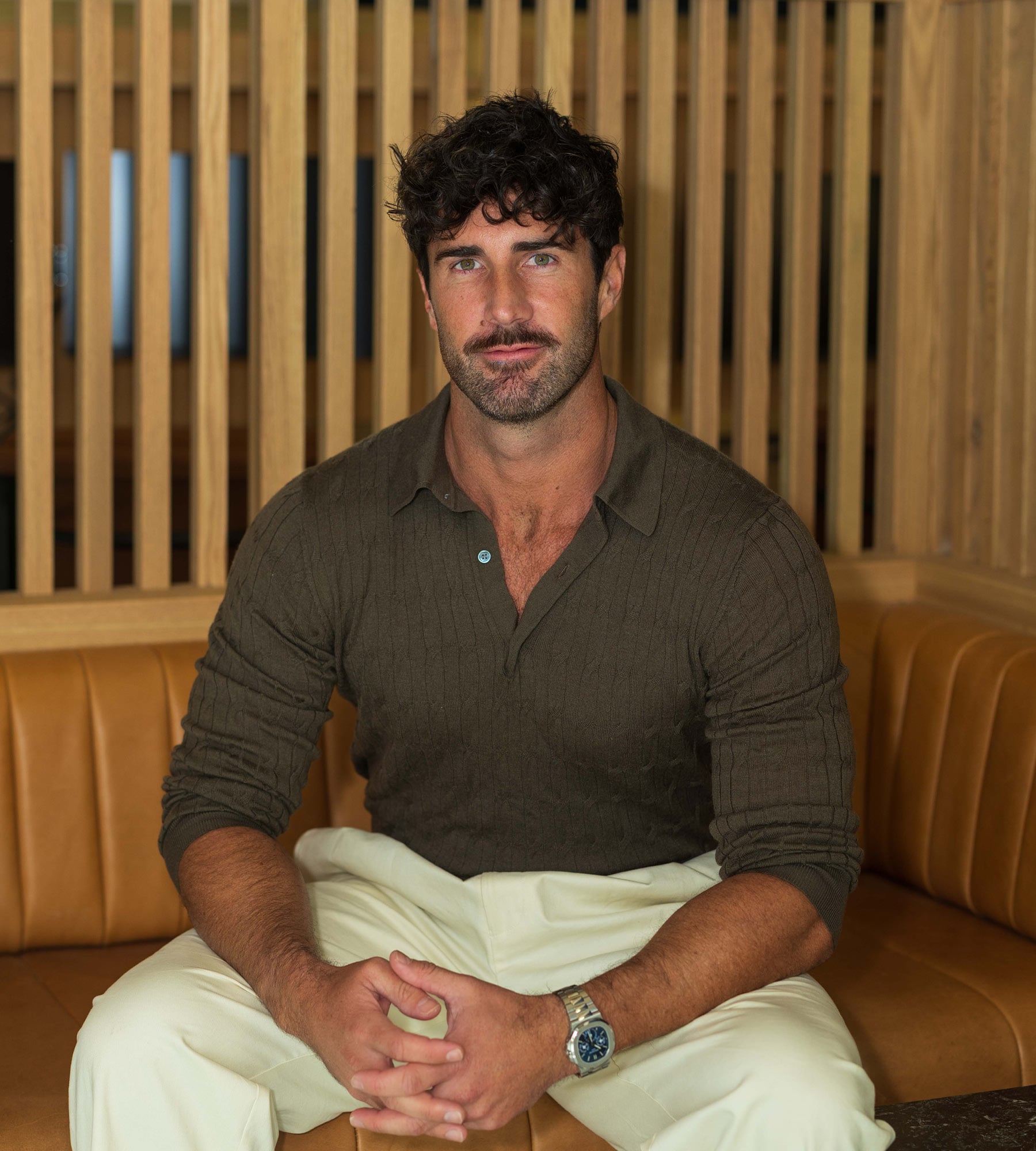
Kelly Slater has bathed with snakes, eaten insects, skydived and even endured an aerobatic flight with Red Bull that left her sick for hours. This year, she’ll step onto the trapeze, despite being deathly afraid, because her network expects her to choose something genuinely challenging.
But for Slater, who is Chief of Staff for APAC People and Payroll at The Access Group, the real challenge isn’t overcoming her personal fear – it’s putting an end to childhood cancer.
“Whether it’s the primal fear of being surrounded by snakes, the sheer terror of barrel rolls at 10,000 feet or confronting my fear of swings, these challenges at CEO Dare to Cure serve as a reminder that the discomfort I experience for a few minutes pales in comparison to what children with cancer and their families endure for months or years,” she tells The CEO Magazine.
Slater’s journey with CEO Dare to Cure and the Children’s Cancer Institute began long before she ever put herself through these uncomfortable experiences. It started with Violet.
“Ten years ago, my friend’s daughter Violet was diagnosed with neuroblastoma at the age of six,” she reveals. “I witnessed firsthand the devastating impact childhood cancer has on families.
“Watching their strength and resilience while navigating an unimaginable situation opened my eyes to how critical research funding is to not only increase the survival rate, but to find better, more targeted treatments that reduce the trauma and lessen the long-term impacts.”

“The progress we’ve seen over the past decade proves that our collective efforts are making a real difference; and one day, it will bring us a cure.”
For years, Violet braved the highs and lows of treatment with a strength that left a lasting impact.
“Violet experienced several relapses through her treatment and, unfortunately, passed away in 2021,” Slater opens up. “But through it all, her spirit never wavered, and her own determination to help other children diagnosed with cancer in the future is still what inspires me.”
So for every challenge Slater takes on in the fight for a cure, it’s in honor of Violet.
“Every dollar we raise and every challenge we take on brings us closer to ensuring no other family has to endure what Violet and her family went through,” she says.
“The progress we’ve seen over the past decade proves that our collective efforts are making a real difference; and one day, it will bring us a cure.”
More than 1,000 children are diagnosed in Australia each year. And every week, three young lives are lost. Slater doesn’t see these statistics as mere figures – she sees families, communities and futures lost.
“Despite the undeniable progress that has led to the 80 percent survival rate, the numbers are still staggering,” she points out. “The progress is positive, but it’s still not good enough.
“As a business leader, I’m used to analyzing risk and return. But when you’re talking about children’s lives, the equation changes completely.
“In this case, the return on investment is children’s lives. It reinforces that we have both the ability and the responsibility to act. Philanthropy isn’t just personal – business success means nothing if we aren’t using our platforms and networks to address challenges like this.”
For Slater, business leaders are uniquely positioned to accelerate breakthroughs through funding, networks and advocacy.
“The 80 percent survival rate didn’t happen by accident – it’s the direct results of sustained research investment over the last 10 years,” she says.
“But we’re not there yet. Eighty percent is not good enough. Would any business leader be satisfied with a 20 percent loss? These are children’s lives.”

“We have a moral obligation to lead by example, step up and ensure researchers today and the researchers of tomorrow have the resources they need to push that survival rate even higher.”
Funding is absolutely critical to continued progress, Slater insists.
“The business community understands that consistent investment drives innovation,” she explains. “We have the networks, resources and influence to help raise the funds needed to accelerate the breakthroughs and drive lifesaving discoveries.”
That’s why she’s calling on the business community to do more.
“Children are quite literally our future,” she stresses. “They will become tomorrow’s leaders, entrepreneurs and innovators, and the driving force behind business and society.
“We have a moral obligation to lead by example, step up and ensure researchers today and the researchers of tomorrow have the resources they need to push that survival rate even higher.”
While CEO Dare to Cure raises millions for childhood cancer research, Slater insists its impact goes far deeper than the money.
“This isn’t just about fundraising, though that’s crucial,” she points out. “It’s about using leadership platforms for something that truly matters.”
To executives on the fence, she urges them to just try it.
“The personal growth, the connections you’ll make and the perspective you’ll gain will make you a better leader,” she says.
“The team at the Institute makes it easy to participate meaningfully. So the question isn’t whether you can afford to get involved, it’s whether you can afford not to. And on top of that, we have lots of fun while we are doing it.”
The annual event has grown into a community of leaders bonded by a shared purpose – and often, shared fear. But the energy, according to Slater, is contagious.
“I’m excited to see new faces joining our community of supporters and witness the collective impact we can create together,” she says.

“Eighty percent is not good enough. Would any business leader be satisfied with a 20 percent loss? These are children’s lives.”
“We had the launch breakfast recently, and I love meeting and talking to people taking on CEO Dare to Cure for the first time. Each year, the energy and commitment grow stronger.”
For this year’s event, Slater is aiming for lasting change.
“I hope it will not only raise crucial funds but also inspire more business leaders to become long-term advocates for childhood cancer research,” she adds. “The momentum we’re building is palpable.”
When asked what a world without childhood cancer would look like, Slater doesn’t hesitate.
“A world without childhood cancer means parents never having to hear those devastating words, children never having to be subjected to grueling treatment programs and families never having to navigate life with medical procedures,” she says.

“Go sign up for CEO Dare to Cure today – you won’t regret it.”
While the vision is bold, it’s certainly not out of reach.
“With current research trajectories, technology breakthroughs and increased funding, I believe we could see dramatic improvements within the next decade,” Slater notes.
“The 80 percent survival rate shows we’re on the right path – now we need to accelerate our efforts to reach 100 percent while ensuring survivors have the highest quality of life possible. It’s not ‘if’, it’s ‘when’.”
Her closing plea is simple: “Go sign up for CEO Dare to Cure today – you won’t regret it.”
Join Kelly Slater and other business leaders in supporting Children’s Cancer Institute. Register now for CEO Dare to Cure.



 Home
Home
 Podcasts
 Covers
 Be Featured
 Community