Language
You can read the magazine in one of the following languages


5-min read

 Bookmark now

 Copy Link
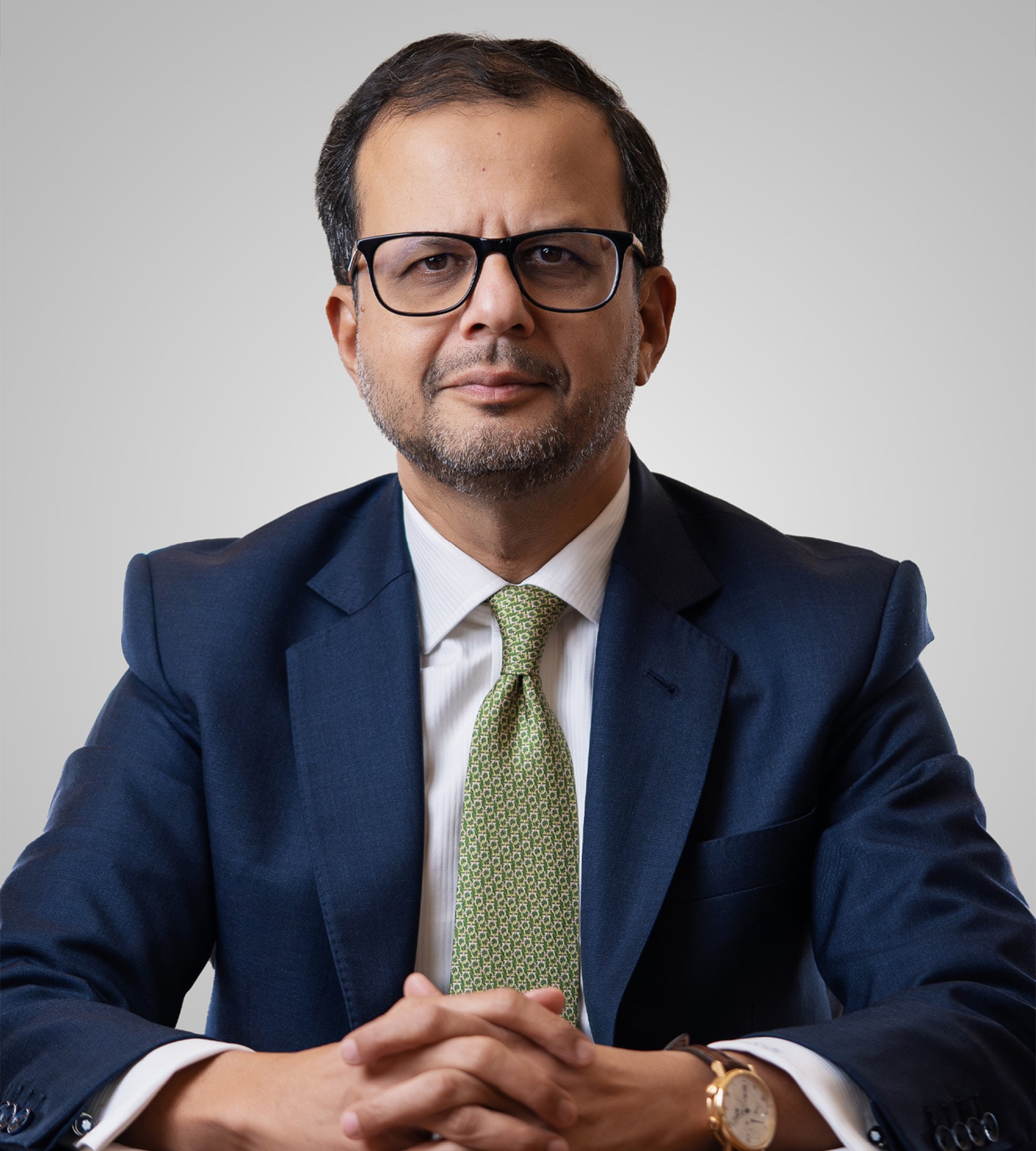
When Ankit Patel completed his master’s degree in the United States, he fully intended to remain in the country and pursue his professional aspirations. However, shortly after graduation, Patel made the pivotal decision to return to India and join the family business – Bodal Chemicals, one of the country’s leading chemical manufacturing companies.
“I initially came back for a brief visit, but I quickly realized that the company was experiencing remarkable growth. That momentum was the primary factor that attracted me,” he tells The CEO Magazine.
When Patel joined the organization in 2007, Bodal Chemicals had not yet evolved into the diversified manufacturing enterprise it is today.

“I believe we are living through a period of extraordinary opportunity.”
To gain a comprehensive understanding of the business, he immersed himself in its operations, spending considerable time reacquainting himself with the company’s processes, capabilities and foundations.
This hands-on approach enabled him to develop a deep appreciation of the business and positioned him to contribute meaningfully to its continued growth and transformation.
With nearly two decades of experience behind him, Patel remains focused on his vision of building one of India’s most integrated chemical manufacturing enterprises. By strengthening control across the entire production value chain, Bodal Chemicals has significantly reduced its reliance on fragmented sourcing networks while enhancing operational reliability, efficiency and consistency.
“In the dye segment, we are the most integrated chemical manufacturer in the market, and our Vadodara facility represents the highest level of integration within our industry,” Patel says. “None of our competitors have achieved this degree of vertical integration, even at a single site. It is a truly unique operating model.”
Global supply chains have faced unprecedented disruption in recent years, driven by geopolitical uncertainty and shifting trade dynamics. Against this backdrop, Patel has maintained a disciplined approach, prioritizing low-risk, high-return manufacturing opportunities.
One example is Bodal Chemicals’ position as India’s sole manufacturer of a chlorine-based product widely used in swimming pool sanitation. While Chinese producers once dominated the market, Patel successfully navigated export challenges to establish a strong foothold both domestically and internationally.
“We are seeing strong momentum across both domestic and international markets,” he says. “New orders from the United States continue to grow, while our share of the Indian market is steadily increasing. The turnaround has been significant, but sustainable growth requires financial discipline. It is important not to become overly aggressive when managing capital.”
Historically, between 70 and 80 per cent of Bodal Chemicals’ revenue was directly or indirectly tied to the textile sector. Recognizing the risks associated with such concentration, Patel set about diversifying the business and reducing its exposure to a notoriously cyclical industry.
Today, the company’s portfolio extends across pharmaceuticals, agrochemicals, water treatment and specialty chemicals. A key milestone in this expansion has been the acquisition of 80 hectares of land in Bharuch, one of India’s largest chemical manufacturing hubs, providing the foundation for future growth.
“Our 200-acre [80-hectare] site in Bharuch will serve as the platform for the next decade of growth and expansion,” he says. “It gives us the scale, flexibility and infrastructure needed to support our long-term ambitions.”
As the saying goes, a reputation can take years to build and only moments to lose. For Patel, much of Bodal Chemicals’ success can be traced back to the trust it has earned among customers, suppliers and industry partners over decades.
“From the very beginning, Bodal Chemicals has been recognized for its commitment to quality, reliability and customer service,” he says. “That reputation is one of the company’s greatest strengths, and it is something I have been fortunate to inherit and continue building upon.”
That reputation carries significant weight in a highly competitive industry where pricing pressures are constant. Even when entering entirely new product categories, Bodal Chemicals benefits from the strength and credibility of its brand.
The same long-term mindset shapes the company’s approach to supplier relationships. Rather than focusing solely on achieving the lowest possible cost, Patel prioritizes partnerships that create lasting value for both parties.

Advertisement
“While we may not always be the lowest-cost buyer, we focus on building strong relationships with our suppliers,” he explains. “In return, we receive exceptional service, support and, most importantly, priority when it matters most.”
Relationships with partners such as Camy Plants, a manufacturer of process equipment including heat exchangers, pressure vessels and reactors, are built on trust, consistency and mutual success.
“We work hard to ensure our suppliers succeed alongside us,” he says. “We believe in creating outcomes where both parties benefit because that is ultimately what drives long-term success.”
At 43, Patel believes he is still in the early stages of his leadership journey. With the company’s land holdings secured, infrastructure established and diversification strategy well underway, his focus has shifted to building the next chapter of Bodal Chemicals’ growth.

“Success is never achieved in isolation.”
“Success is never achieved in isolation,” he says. “When a business performs well, employees are rewarded, the culture remains positive and people are motivated to contribute their best. That collective prosperity is what I consider true success.”
Looking ahead, Bodal Chemicals is targeting revenue of more than US$314 million within the next five years and in excess of US$471 million over the following decade. Patel believes the company’s future is closely aligned with India’s broader industrial trajectory.
Citing the momentum behind the ‘Make in India’ initiative, the expansion of domestic manufacturing and supportive industrial policy settings, he sees the nation entering one of the most promising periods in its modern economic history, with the chemicals sector playing a central role in that growth story.
“I believe we are living through a period of extraordinary opportunity,” Patel concludes. “It is a privilege to be part of an industry that is entering such an exciting phase of growth, and we are well positioned for the journey ahead.”
 RELATED ARTICLES



 Home
Home
 Podcasts
 Covers
 Be Featured
 Community