Language
You can read the magazine in one of the following languages

6-min read

 Bookmark now

 Copy Link

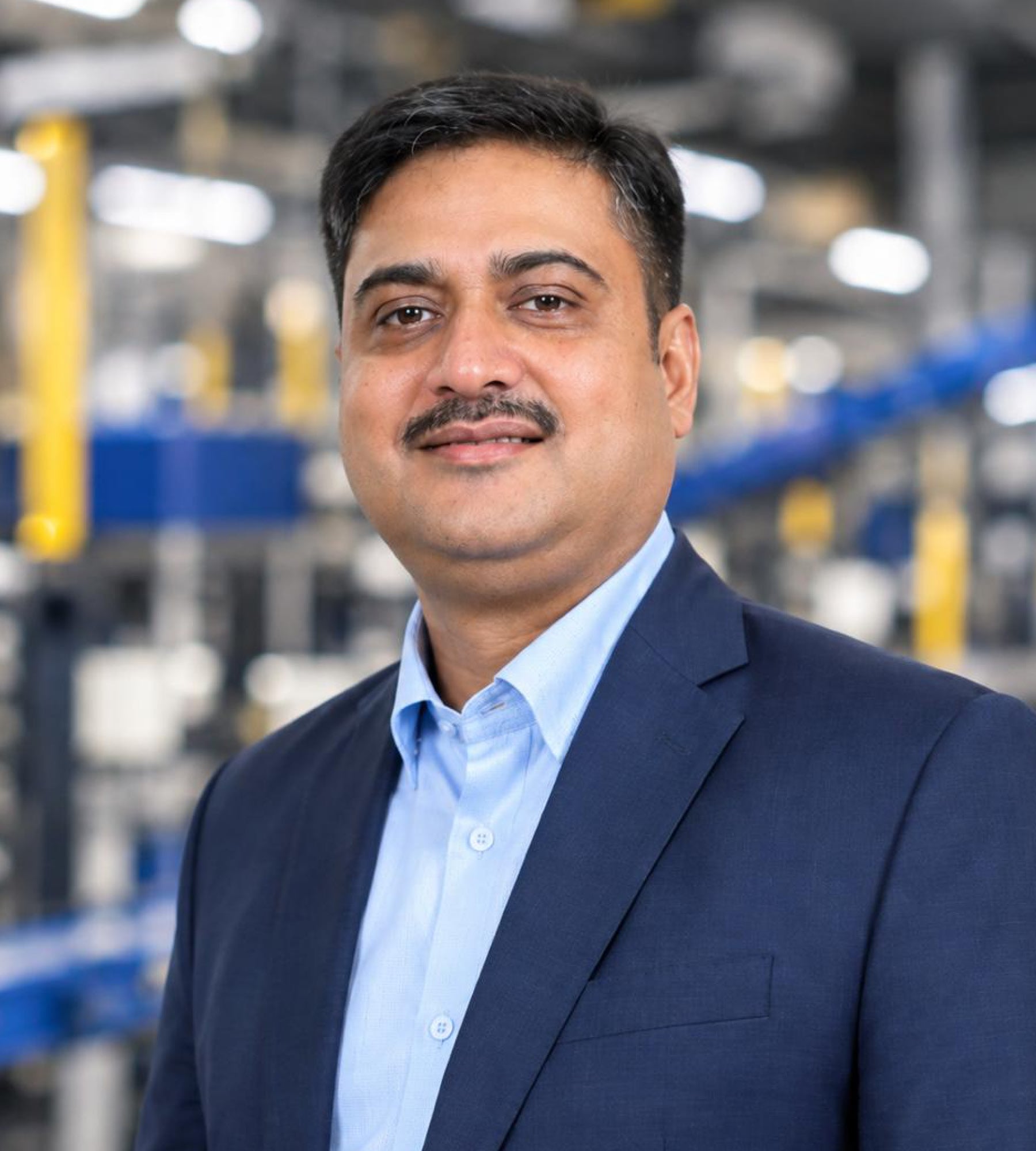
Amit Sanghvi didn’t take the obvious route into the family business. After completing an engineering degree in Canada, he earned a master’s degree in supply chain and manufacturing from Penn State University, before moving into consulting, where he worked with major global brands including Pepsi and Coca-Cola.
In 2009, Sanghvi came back to India for what was meant to be a short assignment at his father’s plastics company. Seventeen years later, he leads the company, which has since become the sole global supplier of Sanofi’s reusable insulin pens.
What he found was a business with exceptional engineering capabilities and significant potential to create greater value from what it had built. Mahendra Sanghvi had founded Shaily Engineering Plastics in 1987 — leaving a senior position in Canada to begin again in Gujarat — and built it with a technical mindset: deep technical capability, precision manufacturing and a relentless focus on quality and engineering excellence.
“He gave up a very comfortable, high-paying job in Canada to build Shaily from scratch, and then stayed with it for decades before it truly succeeded,” Sanghvi tells The CEO Magazine. “That takes extraordinary conviction and resilience. I could never have made the journey the way he did.”
Nor did his father make that journey alone. Sanghvi’s mother, Tilottama, took on demanding operational roles within the young company, tackling the challenges that stood between it and a reliable, efficient manufacturing operation.
“A significant part of the efficiency and productivity that Shaily built over those early years came from her,” he says. “That partnership was fundamental to the company’s ability to survive and build a strong foundation.”
Sanghvi’s first serious strategic move was to sharpen the company’s focus. In 2012, Shaily Engineering Plastics walked away from close to a third of its revenue, exiting work that was not creating sufficient value and redirecting its resources toward areas of greater potential.
“After years of being a contract manufacturer, we were finally developing our own intellectual property,” he recalls. “We built our own platform devices for drug delivery. This has probably been our biggest risk and the one that has paid off the most.”
The move into healthcare built on the engineering and manufacturing capabilities his father had established, but required Shaily Engineering Plastics to shift from manufacturing to specification to developing drug delivery platforms that it owned outright.

“After years of being a contract manufacturer, we were finally developing our own intellectual property.”
Owning a device platform demands far more than engineering. It calls for a quality management system, regulatory files and validation discipline of a standard the business had never previously needed. Sanghvi credits his wife, Kinjal Bhavsar, with building precisely that – and with the execution that turned the strategy into product.
“Kinjal is the primary reason we have achieved success in healthcare,” he says. “Her expertise in quality management systems, quality assurance and regulatory compliance, combined with her razor-sharp focus on execution, brought a level of rigor to the company that simply wasn’t there before.
“In healthcare, where there is no room for compromise, this rigor has been central to our success.”
The strategy began to deliver. The company’s devices are now used by many leading manufacturers of generic weight-loss medicines. With demand growing, Shaily Engineering Plastics is extending its manufacturing footprint beyond India, building a new facility in Abu Dhabi that will double its current capacity.
In addition to healthcare, it is also applying its engineering capabilities to two additional verticals that are under development: consumer electronics, focusing on miniature components used inside laptops and smartphones, and semiconductor manufacturing, where the company plans to produce chip trays for new semiconductor facilities being established in Gujarat.
As Shaily Engineering Plastics expands into new markets and technologies, Sanghvi has flattened the organizational structure to enable greater agility and speed. Each team member is an expert in their field and takes ownership of their work, creating a culture where decisions can be made quickly and close to the action.
“We believe the people closest to the work should be closest to the decision. Everyone owns their domain, understands it deeply and has the autonomy to act. That’s how we combine speed with depth,” he says.
That philosophy has also shaped Sanghvi’s approach to leadership. Initially, Sanghvi looked externally for a CEO, believing professional leadership could be brought in from outside. Over time, however, he recognized that his vision for the company, combined with his global perspective, gave it a powerful advantage.
“We realized that our deep understanding of the business, its DNA and where we wanted to take it meant we were best placed to lead its next phase,” he recalls. “That’s when I decided to take on the role myself.”

Advertisement
That global structure has its innovation engine in the United Kingdom, where Kinjal now leads the company’s innovation arm. Her team has taken six drug delivery platforms from concept to completion – an unusually deep portfolio for any company in this sector.
“Developing and delivering six platforms is no small achievement in this industry,” Sanghvi says. “It takes execution, discipline and, above all, strong leadership from the top.”
Sanghvi believes the close relationships Shaily Engineering Plastics has maintained with its partners have been instrumental to its success. Building an assembly line for a drug delivery device is a shared engineering challenge rather than simply a purchase, so those partnerships often run for years.
“With tooling and assembly equipment, you’re not simply buying a piece of equipment; you’re solving a complex engineering challenge together,” he says. “That requires trust, technical understanding and a long-term relationship.”
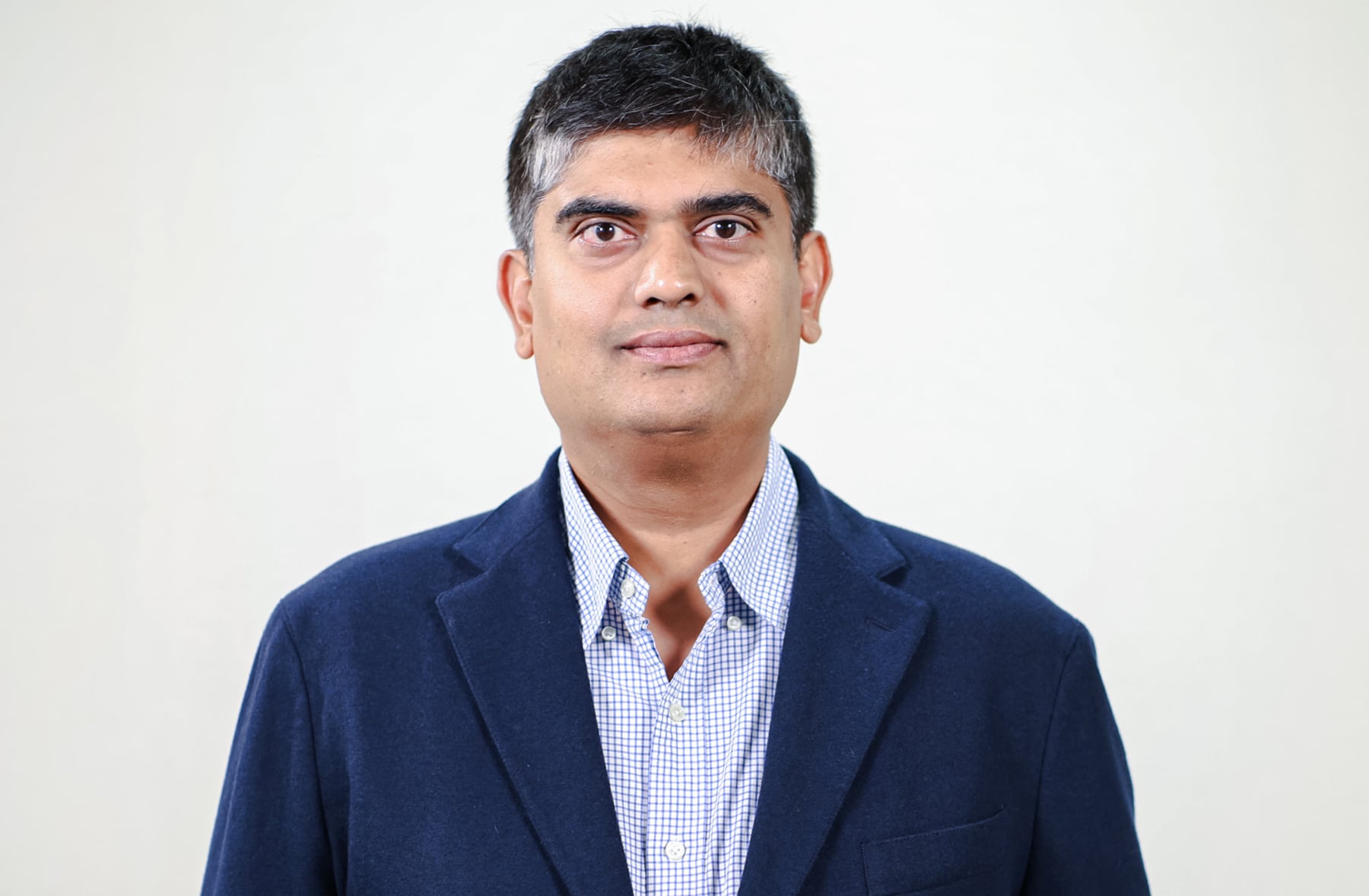
“Invest in young talent. Hire well, teach, empower people with responsibility and create opportunities for them to grow.”
Looking ahead, Sanghvi believes the company’s future will depend as much on developing people as on building capabilities and markets.
“Invest in young talent. Hire well, teach, empower people with responsibility and create opportunities for them to grow,” he says.
“Give them the support to take on challenges, solve problems and build their own capabilities. That is how you build an organization for the long-term.”
 RELATED ARTICLES
 SPOTLIGHTS ON LEADERS



 Home
Home
 Podcasts
 Covers
 Be Featured
 Community