Language
You can read the magazine in one of the following languages
4-min read

 Bookmark now

 Copy Link
Every founder I mentor has a vision for their company. That’s rarely the reason they fail to scale. Vision is what launches companies. It attracts investors, energizes teams and convinces customers to believe in something new.
Without vision, most businesses would never get started. But after 25 years as an international CEO and mentoring more than 150 founders and CEOs across the Asia–Pacific, I’ve learned something that may sound contrarian – vision alone will not scale a business and identifying and building a great product or solution is not sufficient to achieve success. Disciplined leadership is required.
The founders who successfully scale from 10 people to 100 and from 100 to 1,000 are the ones who become what I call ‘Disciplined Leaders’. They are deliberate, self-aware and consistently model the behaviors they expect from others.
They are relentless students, constantly evolving their leadership approaches and reinventing themselves as new challenges arise or as the business requires.
That definition contains three distinct ideas and each one is a practical road map for how founders scale their leadership as their business scales.
Most companies don’t fail because the product is wrong or the market opportunity was missed. They fail because the leadership doesn’t evolve as the business does.
Early on, founders survive and thrive through speed, optimism and personal involvement in everything. But as complexity grows with investors, boards, leadership teams, international markets and mounting operational pressure, that same approach stops working. The CEO who once accelerated the business becomes the bottleneck trying to seize every opportunity and solve every problem.

Deliberate, self-aware leaders understand that every behavior they demonstrate creates a response from their team.
I often tell founders: “Your business will only scale to the level your leadership does.” Deliberate, self-aware leaders understand that every behavior they demonstrate creates a response from their team.
Think about Newton’s third law of motion, “For every action, there is an equal and opposite reaction.” The question is not whether your actions are generating a response, they always are. The question is whether you are deliberate enough to ensure the response you get is the one you want.
Your leadership shadow is your positional power and as CEO, it is immense. Everything you say, every decision you make, every reaction you show, even your body language is watched, interpreted and amplified by your title. A subtle gesture from a team member passes largely unnoticed. The same gesture from the CEO travels through the organization within hours.
Think about it this way. When you walk into the office in the morning, your team has formed an opinion about your mood within five minutes. If you seem distracted or tense, they wonder what is wrong with the business. If you seem energized and focused, they feel settled and motivated. You may simply be thinking about an argument you just had on the phone with a family member, but your shadow means the team is reading your state as a signal about the company’s future.

Culture is rarely created through posters on a wall or slogans in a slide deck. It is created through your repeated, consistent leadership behaviors.
One founder I worked with constantly raised concerns about accountability problems within his leadership team. Yet he regularly arrived late to meetings, changed priorities midway through discussions and failed to follow through on his own commitments. His team then copied him. Once he understood that his shadow was a source of the problem and he lifted his accountability, the team followed and began to increase their accountability.
Culture is rarely created through posters on a wall or slogans in a slide deck. It is created through your repeated, consistent leadership behaviors, magnified multiple times a day by your title and your positional power. This is the essence of your leadership shadow. Disciplined leaders understand this and they use it deliberately.
The best founders I mentor share one characteristic: they deliberately invest time in learning how to improve their leadership. They understand that if they stop evolving as leaders, eventually the business stops evolving too. That means continuously working on their communication, self-awareness, coaching capability, resilience, conflict management and leadership presence, not because they are weak in these areas, but because the business will keep demanding more of them as it grows.

Impactful leadership is not a destination, it is a never-ending journey.
This is perhaps the most paradoxical part of the Disciplined Leader model. Discipline might suggest rigidity, a fixed set of rules applied consistently. In reality, these leaders are the opposite of rigid. They are constantly reinventing their approach as new challenges arise. They seek feedback, they work with mentors and they study their own leadership behaviors with the same rigor they apply to their product or their financials. Impactful leadership is not a destination, it is a never-ending journey.
So, what next? Choose a practical leadership behavior to implement immediately. Not next quarter, this Monday.
Ask yourself one question today: Which of the three qualities of a Disciplined Leader – deliberate and self-aware, understanding your leadership shadow or relentless student – is your biggest growth opportunity right now? Start there. Because vision may inspire your team today, but it is disciplined and consistent leadership that will turn that vision into something real.

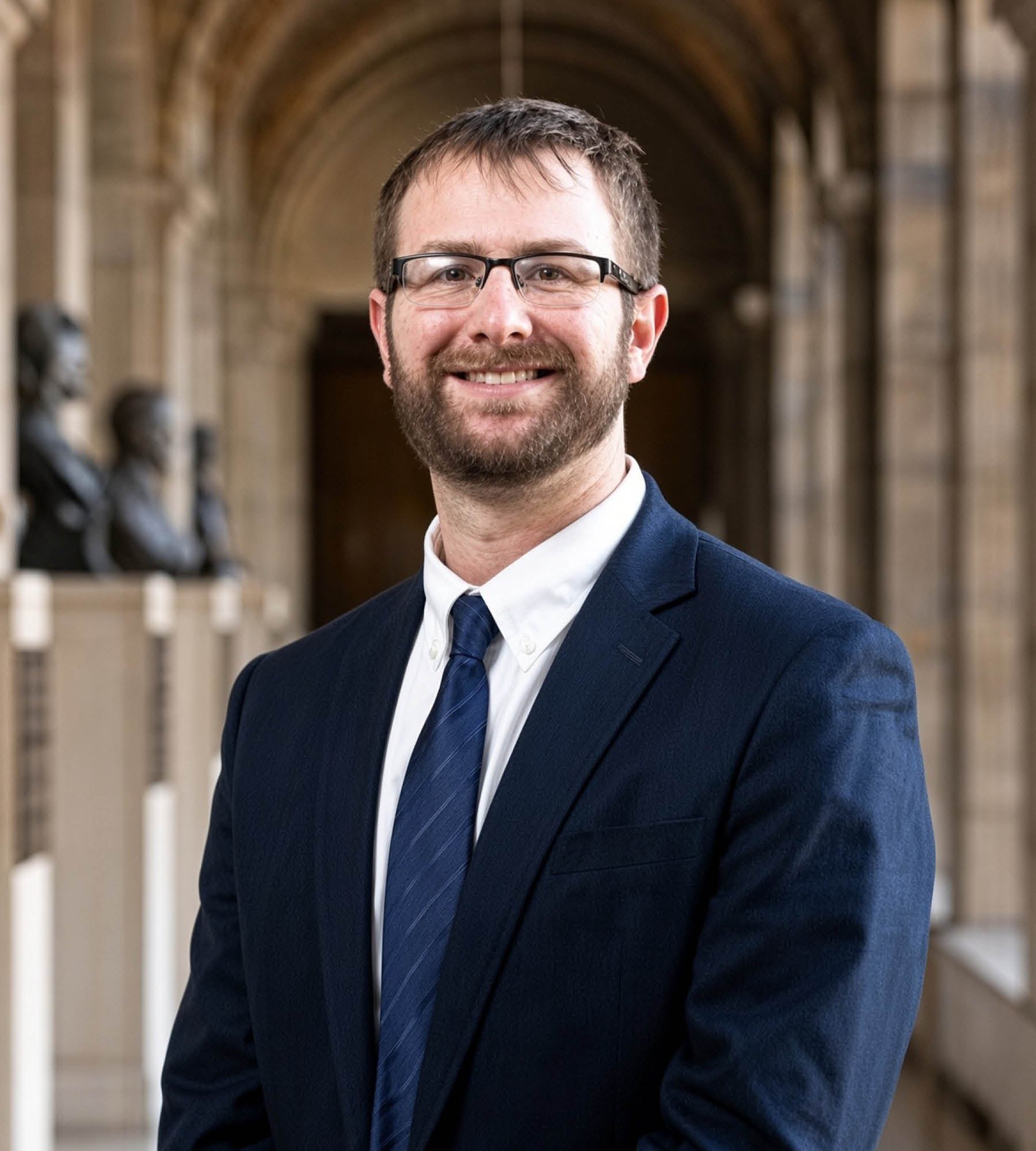
Dane Hudson
Contributor Collective Member
Dane Hudson, author of ‘Discipline Beats Vision’, is the Founder of Impactful Leadership and APAC’s most respected CEO mentor. He has over 25 years’ experience as a CEO of companies around the world and has mentored over 150 founders and leaders of startups and SMEs in South-East Asia and CEOs of significant businesses with revenues between US$150 million and US$3 billion. He has lived and worked with organizations in Australia, New Zealand, South Africa, the United States, China and Singapore. Find out more at https://impactfulleadership.com/



 Home
Home
 Podcasts
 Covers
 Be Featured
 Community