Language
You can read the magazine in one of the following languages
4-min read

 Bookmark now

 Copy Link
Leaders are navigating a level of uncertainty that no amount of strategy, planning or positional authority can resolve and it’s showing. According to the 2026 AlixPartners Disruption Index – a survey of 3,200 CEOs across 11 countries – 72 percent say it’s increasingly difficult to determine which disruptive forces to prioritize: with 45 percent of CEOs fearing for their jobs.
The skill they are missing isn’t technical. It’s the ability to keep moving when the ground beneath them is shifting.
We invest heavily in training leaders to be certain, decisive and clear. We teach strategy, execution and communication. But we rarely teach the single most important skill for modern day leadership: how to handle the disorienting messy middle that is part of any meaningful journey. The part where we must navigate challenge, setback and struggle.
In eighteen years of coaching senior leaders, I’ve learned how people navigate the messy middle determines everything. It shapes their character, defines their culture and ultimately dictates results that can be achieved.
Here’s how they do it.

When things get hard, the first question most of us ask is, ‘Why is this happening to me?’ It’s a poor question because it casts us as the victim and keeps us stuck. Effective leaders take a more curious approach and ask questions like ‘What is this teaching me?’ or ‘How might we…?’ These questions reframe the struggle from an obstacle to an opportunity.
The obstacle you must overcome is teaching you how to get to where you want to go.
They help us see the difficulty not as a sign that something is wrong, but as a signal that something important is happening. The obstacle you must overcome is teaching you how to get to where you want to go. It’s showing you the way. This isn’t just a mindset shift. It’s a practical diagnostic. When you feel the pull of frustration or doubt, notice which kind of question you’re asking, because that question is either opening a door or closing one.

We all have a deep-seated desire to feel capable and in control, but the kind of leadership that makes an impact or moves things forward happens at the edge of your competence. It’s in the conversation you don’t know how to have, the decision you don’t have enough data for, and the future you can’t possibly predict.
Bravery isn’t the absence of fear. It’s acting in spite of the fear you feel. The most effective leaders I know don’t have less fear than anyone else; they have built up a higher tolerance for the discomfort that comes with it. They have learned to change their relationship with fear and live (a little) scared.
Where in your leadership could you take more chances, safe in the knowledge that not all of them have to turn out perfectly?
Years ago, when my wife and I sat down with our wedding photographer to look over the photos, I asked her how she got so many brilliant shots.
“Didn’t you hear me clicking away Andrew? I took over 1,200 photos,” she said. “You are seeing the best 150.”
As it turns out, taking 150 brilliant photos is a lot easier when you are prepared to take 1,050 bad ones. Where in your leadership could you take more chances, safe in the knowledge that not all of them have to turn out perfectly?

Productive struggle is positive because it stretches you beyond your current capability. It’s hard, but it’s doable. The obstacles you’re forced to overcome build the skills and strategies that make you smarter, stronger and faster. You’re not just getting through it. You’re getting something from it. Unproductive struggle is the opposite. You spin your wheels and stagnate causing you to feel frustrated and dissatisfied.
Here is the practical test. Think of a struggle you find your facing right now. Can you point to three small ways your situation has improved? If you can, keep going. The difficulty is making you better. If not, the struggle isn’t serving you and it’s time to adjust your approach. You don’t have to abandon the goal. You just have to find a better path. Productive struggle is not an impediment to your success, it’s improving it. The obstacle is trying to teach you how to get to where you want to go.
Leadership isn’t about having all the answers or clearing the path of obstacles. It’s about having the skill and courage to navigate the messy middle, and in doing so, showing others how to do the same.

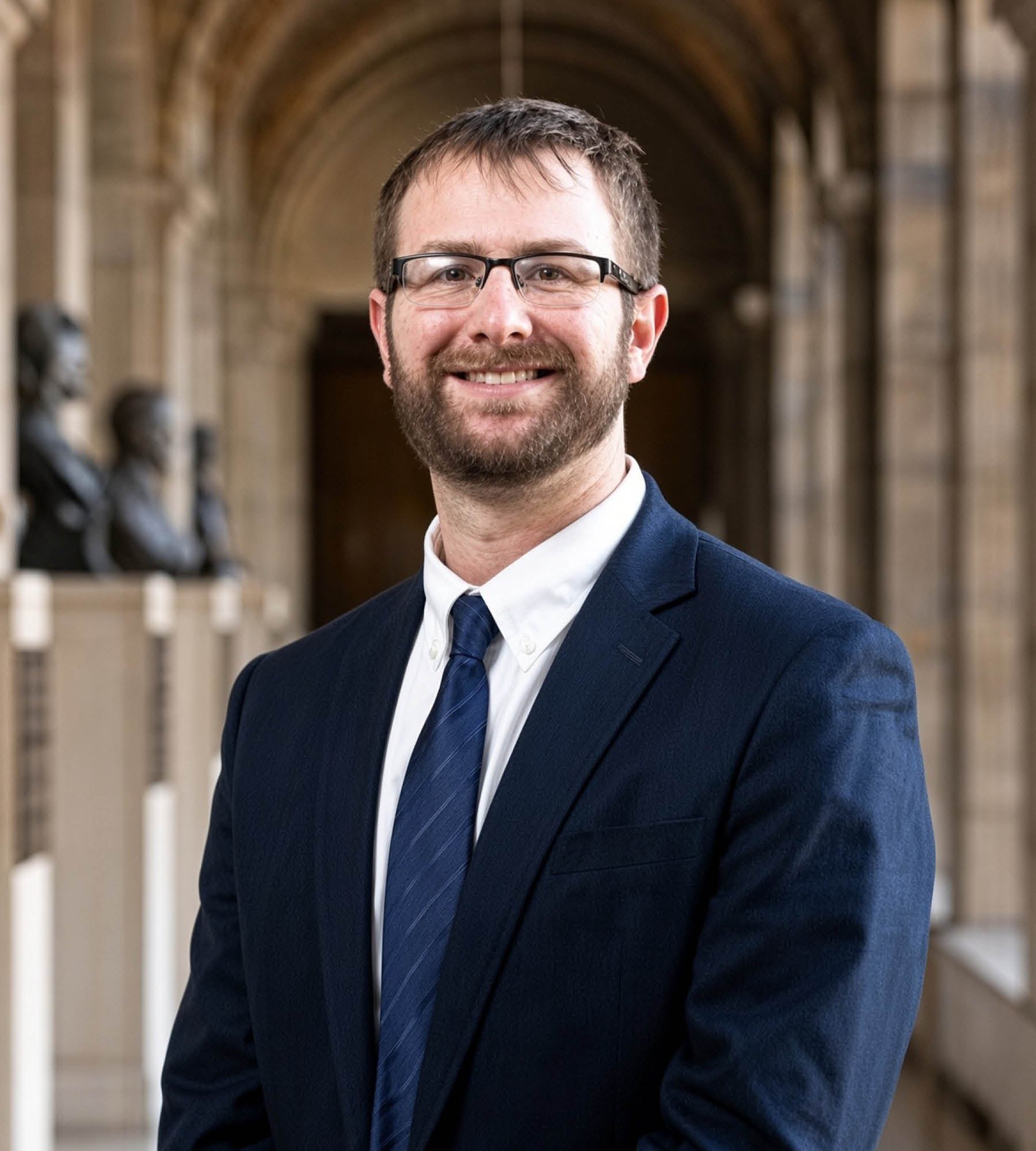
Andrew Horsfield
Contributor Collective Member
Andrew Horsfield, author of ‘Better’, is a consultant who helps leaders in business, education and elite level sport tackle the challenges of human performance. He is also the host of the ‘Messy Middle’ podcast and Founder of the learning community the Better Life Lab. Clients call Andrew when they need to turn uncertainty into strength. He lives in Melbourne with his wife, two children and the family dog, Sunny. Find out more at https://andrewhorsfield.com/
 RELATED ARTICLES
  SPOTLIGHTS ON LEADERS


 Home
Home
 Podcasts
 Covers
 Be Featured
 Community