Language
You can read the magazine in one of the following languages
5-min read

 Bookmark now

 Copy Link
For nearly a century, the metric of success for both countries and corporations has been remarkably simple: growth. For countries, it was gross domestic product (GDP); for companies, it was net profit. But as we move further into the 21st century a shift is occurring at the highest levels of global governance.
The United Nations, through its expanding ‘Beyond GDP’ frameworks, and the World Health Organization (WHO) are increasingly treating wellbeing not only as a metric of success, but a driver of it. As a global society we’ve recognized a concerning fact; high economic growth can’t coexist with declining societal wellbeing. When it does, that growth is unsustainable.
What does this mean for modern leaders? As a happiness expert who partners with individuals and organizations alike to improve their approach to wellbeing, I believe this global shift provides an opportunity to re-evaluate how we approach risk, operational resilience and organizational value. I believe we have a chance to create workplaces and societies that are fundamentally better for people.
In the C-suite, people are trained to manage market risk, regulatory risk and geopolitical risk. Yet the risk of emotional and psychological depletion within their own workforce is often overlooked and undervalued. According to the Gallup ‘State of the Global Workplace’ report, global employee stress remains stalled at a record high of 44 percent. This isn’t just an emotional crisis being felt by society, it’s also an operational crisis for the performance of workplaces and the sustainable development of countries as a whole.
Neurobiological research, such as that conducted by Dr Amy Arnsten at the Yale School of Medicine, shows that when people experience prolonged emotional exhaustion there is a direct negative impact on their working memory, risk assessment and strategic decision-making. It probably goes without saying, but this isn’t the kind of workforce we want to build the future of humanity upon. Nor is it the type of workforce that many leaders would want to build the future success of their organizations upon.
One of the most significant global policy shifts over the past few years has been the formal recognition of social disconnection as an economic threat. The WHO Commission on Social Connection now explicitly frames loneliness as a global public health crisis.
It’s estimated that the economic fallout of loneliness, low wellbeing and poor mental health challenges is costing the global economy an estimated US$1 trillion annually in lost productivity and healthcare strains. The best leaders understand that happiness is inherently relational. Human beings are not wired to carry extreme pressure in isolation.
The landmark ‘Harvard Study of Adult Development’, the longest longitudinal study on human flourishing ever conducted, reveals that the single greatest predictor of long-term health, cognitive sharpness and longevity isn’t wealth or status; it’s the quality of our relationships.

It’s estimated that the economic fallout of loneliness, low wellbeing and poor mental health challenges is costing the global economy an estimated US$1 trillion annually in lost productivity and healthcare strains.
In a corporate environment, this means ‘social fitness’ is a financial driver and a performance enhancer. When leaders cultivate connection, teams naturally share the emotional weight of high-standard and high performance environments.
They collaborate instead of isolating. They rally together instead of fracturing apart. By investing in the structural connection of your teams, you ensure that when the external pressure rises, the organization is better positioned to adapt.
A common challenge faced by leaders wanting to promote wellbeing is working out how to do so among a diverse range of people; be it their employees or their citizens. Wellbeing is remarkably difficult to develop via the use of one-size-fits-all models. Rigid, corporate-wide ‘wellness days’ or mandated mental health apps often create more cynicism than relief. Similarly, policy changes to support societal wellbeing are often celebrated by one side of the political spectrum while simultaneously being criticized by the other side.

Wellbeing is remarkably difficult to develop via the use of one-size-fits-all models.
The science of positive psychology shows that the effectiveness of any wellbeing intervention depends largely on how well it aligns with a population’s unique culture, lifestyle and values. This means leaders must do their best to deeply know and understand the people that they lead. As a leader it is not your role to dictate how your people strengthen their wellbeing, but it is your role to design an ecosystem that stacks the wellbeing deck in their favor.
The insights from the United Nations and The World Economic Forum confirm something that the corporate world would be wise to take heed of – getting a competitive edge in the modern world may no longer be about outworking the market and driving growth through productivity and performance alone. Instead, it may be about outlasting the market by developing psychologically healthy workforces that are able to adapt and innovate through large scale societal challenges.
At the end of the day, a balance sheet that looks pristine at the end of Q4 means very little if your workforce is entirely burnt out by Q2 the following year. A country posting a surplus in their budget doesn’t matter if it leads to declining rates of societal wellbeing.
The most successful and respected global leaders of the next decade will be those who treat wellbeing as a core metric of equal importance to economic measures such as GDP, shareholder returns or net profit. In the wise words of the creator of GDP, Simon Kuznets, “The welfare of a nation can scarcely be inferred from a measurement of national income.”

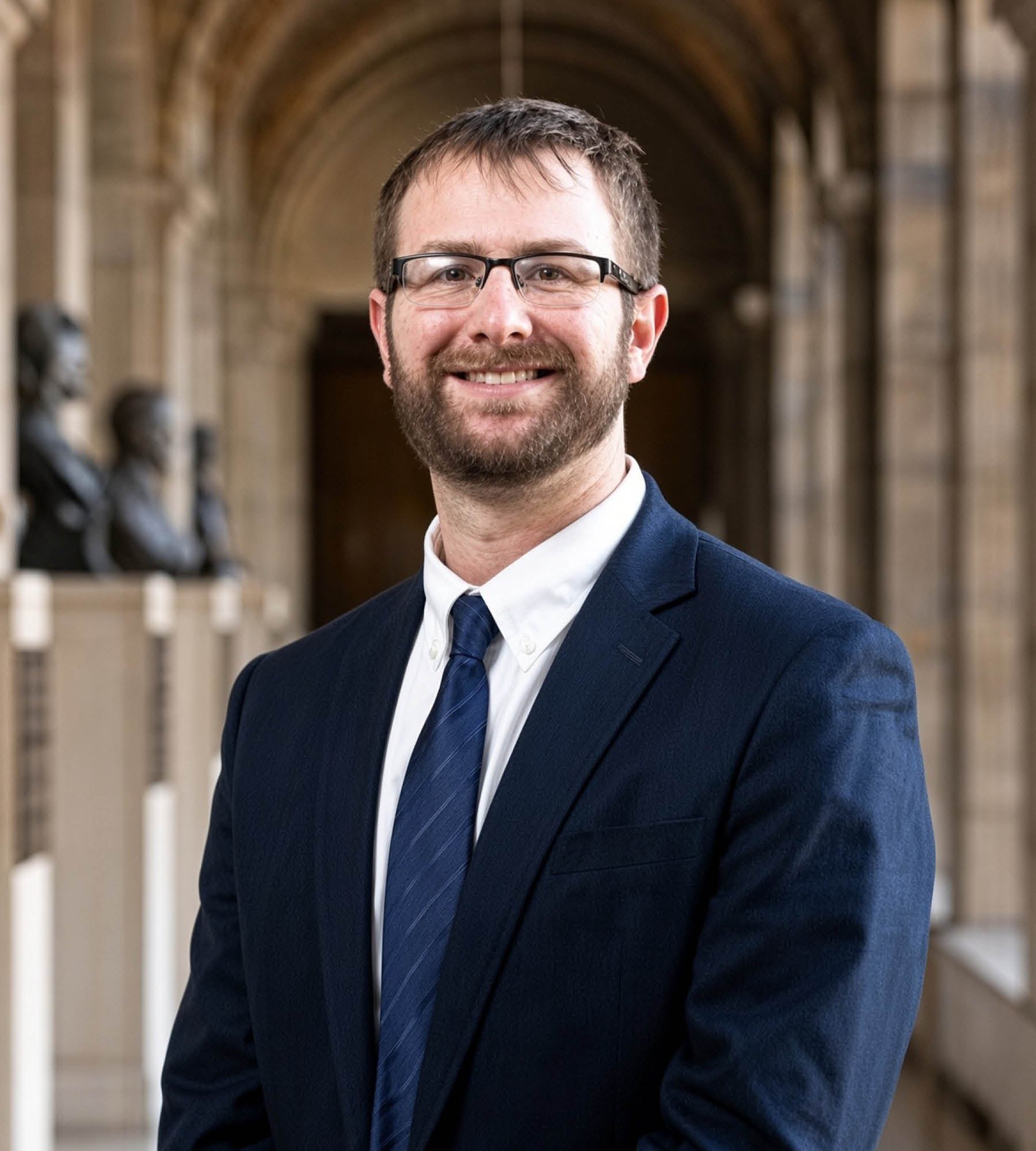
Declan Edwards
Contributor Collective Member
Declan Edwards (aka That Happiness Guy) is a happiness expert, founder of the social enterprise BU Happiness College and author of ‘How To Be Happy’. Backed by a Masters in Applied Positive Psychology, Declan is a global voice on the skills and science of happiness who has shared his insights with everyone from TEDx to the United Nations. Find out more at https://declanedwards.com.au/
 RELATED ARTICLES


 Home
Home
 Podcasts
 Covers
 Be Featured
 Community