Language
You can read the magazine in one of the following languages
5-min read

 Bookmark now

 Copy Link
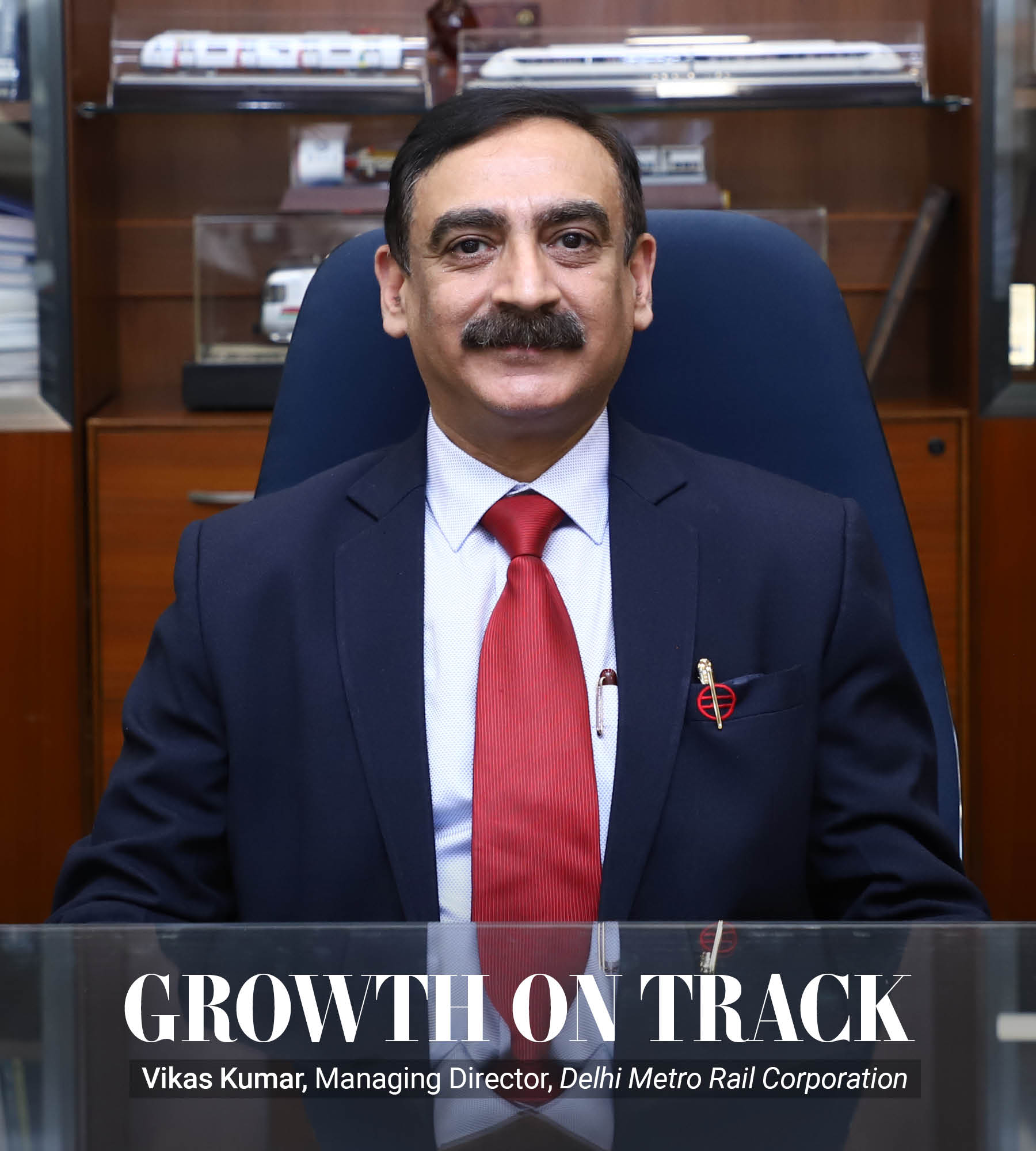
Joining the Delhi Metro Rail Corporation (DMRC) as it underwent a period of rapid expansion gave Vikas Kumar an unrivaled insight into the company.
“I was there when the first underground section started, so it was a real learning experience for me,” he tells The CEO Magazine. “I got involved right from the beginning.”
Looking after operations presented Kumar with the chance to engage with countless operational areas, working with everyone from consultants to construction teams. This hands-on work guides the approach he takes today, as he is acutely aware of where the genuine friction points exist.
It was perhaps due to this experience that Kumar was well equipped to contend with the disruption left in the wake of the COVID-19 pandemic when he entered the role of Managing Director.
“We were already facing this pandemic and the picture was a bit gloomy,” he recalls.
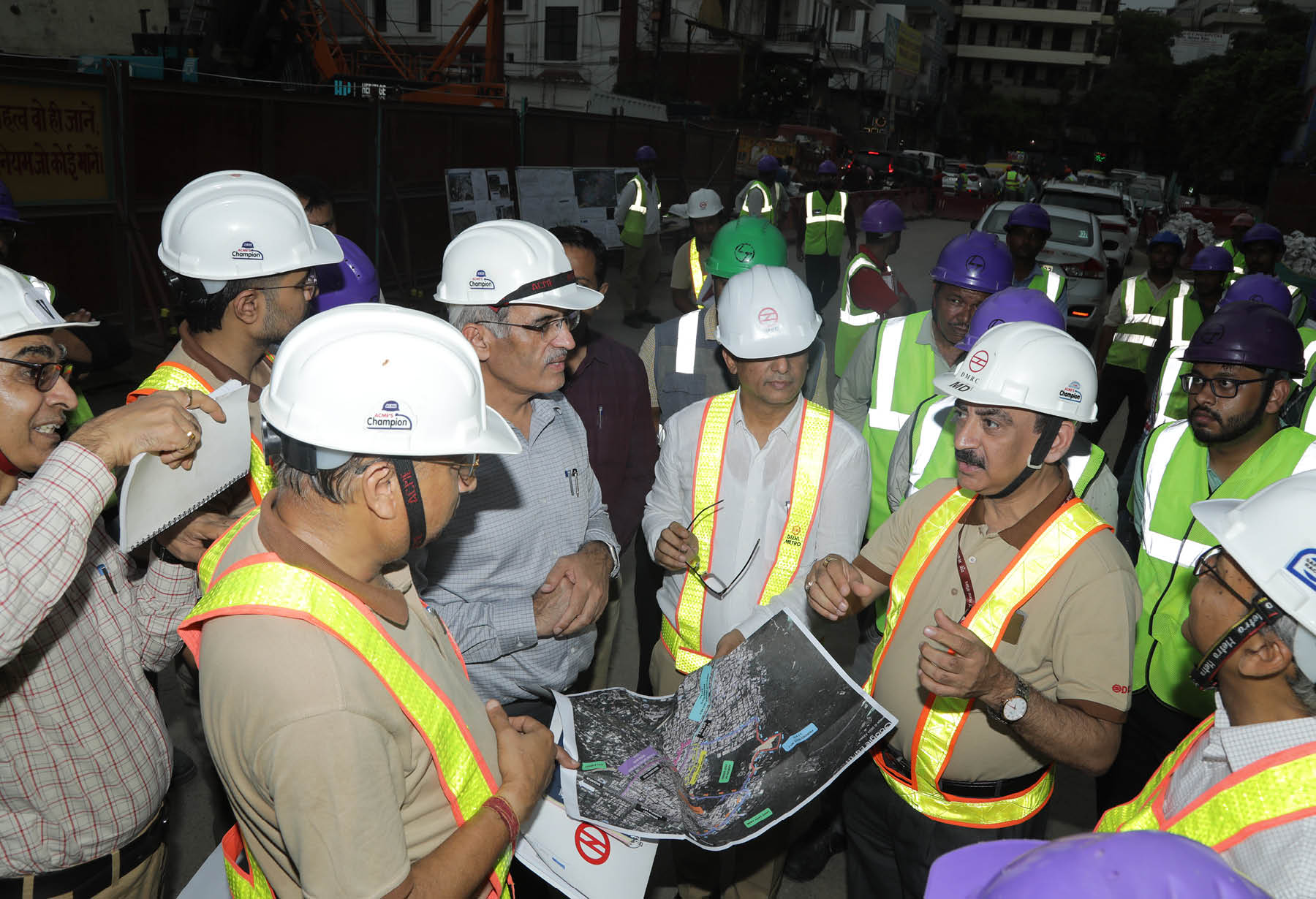
“I was there when the first underground section started, so it was a real learning experience for me.”
The crisis wasn’t limited to a huge fall in ridership. Practically every part of the organization faced previously unheard of challenges.
“On the construction side, labor was not available. On the non-revenue side, our property business partners had gone,” he adds.
The trust and support from partners like Hitachi Rail, a company that provides sustainable rail solutions across the world and is well known for its innovation, were essential in both weathering the storm and rebuilding better.
DMRC did more than just recover from the impact of the pandemic, with a more resilient business being born out of the disruption. But without the commitment from employees, it’s no understatement to say the company wouldn’t have bounced back as successfully.
“Our people dedicated themselves to whatever role they had. This is one of the virtues of DMRC. Our ridership has shown an increase of around 25 percent,” Kumar says.
Driven by an internal corporate culture that prioritizes capability and speed, DMRC is achieving striking results.
“Our performance level is 99.95 percent punctuality, a similar percentage of reliability and our safety record is impeccable,” Kumar explains.
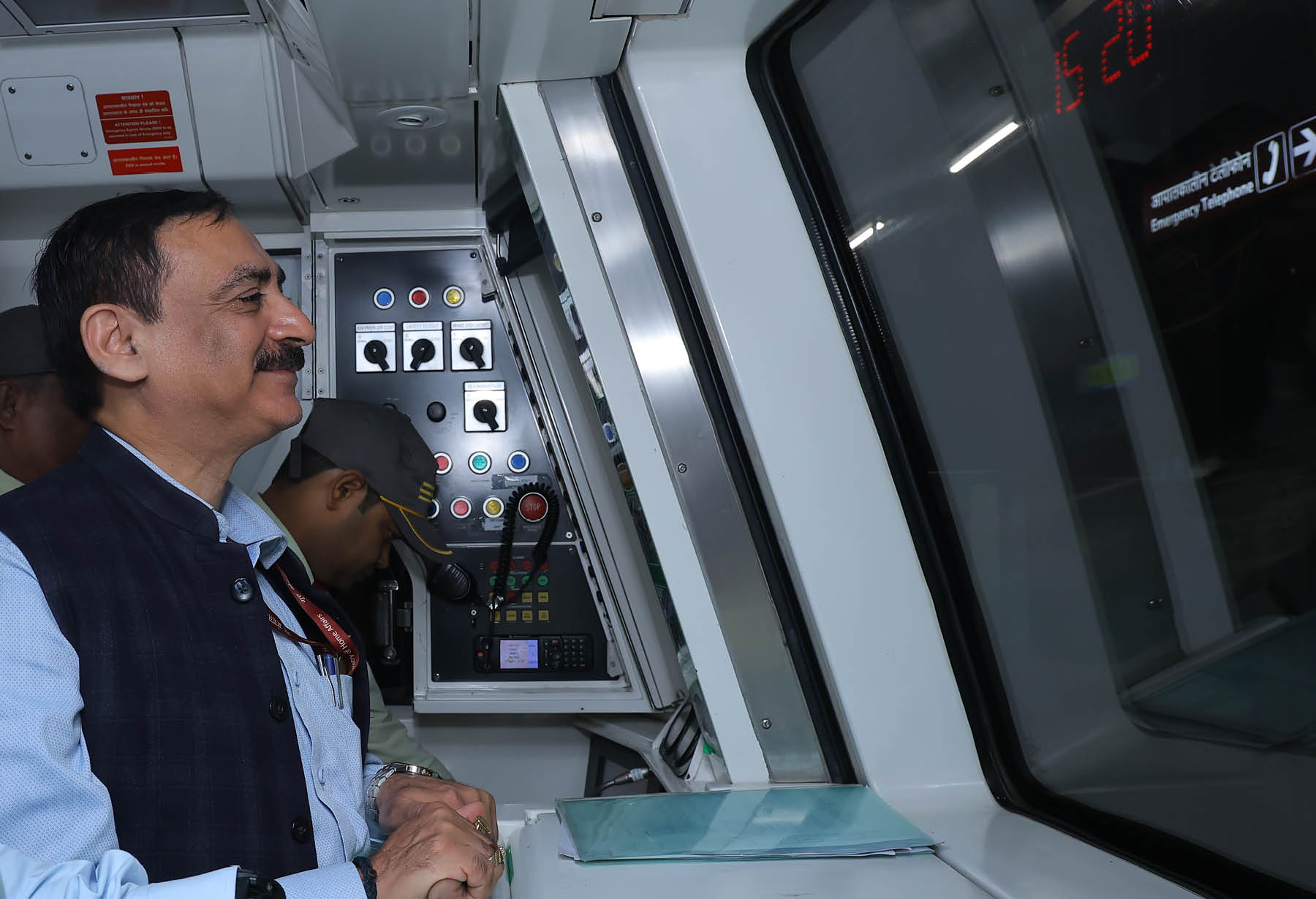
“Our performance level is 99.95 percent punctuality, a similar percentage of reliability and our safety record is impeccable.”
While safety is paramount, Kumar and his team place a premium on fast decision-making, with weaker systems not being able to replicate the combination of efficiency and speed that is found at DMRC.
“The decision-making process is so long that by the time the decision is made, the damage is done,” he says of the risks of slower processes. “We decide very fast.”
By developing its training schemes into a fully accredited metro academy, effective informal operations have been turned into mainstream skills that all staff can benefit from.
“We believe in putting people right at the right place and in competency building,” he adds.

Building on the talented employee network, Kumar is leading DMRC into its next phase, where major domestic projects will be finalized.
Completing 9.91 kilometers of underground tunneling in central Delhi within the next three years is one of the most ambitious plans for the company, with operations extending into multiple Indian cities including Chennai, Mumbai and Jaipur. So what’s next on the radar?
“We are planning for international bidding,” he says. “Once we get a breakthrough, there will be no looking back.”
As sprawling urban transport systems continue to evolve, DMRC is looking past technology for its own sake and applying it to critical areas across functions from operations to maintenance and customer experience.
“The digital revolution, AI and IoT are the tools we have used for increasing our efficiency,” he confirms.
Kumar offers the example of using next-generation systems to adjust the number of train carriages on demand, while still maintaining reliable frequencies.
“We can decrease the composition of the train, it’s a win–win situation,” he says.
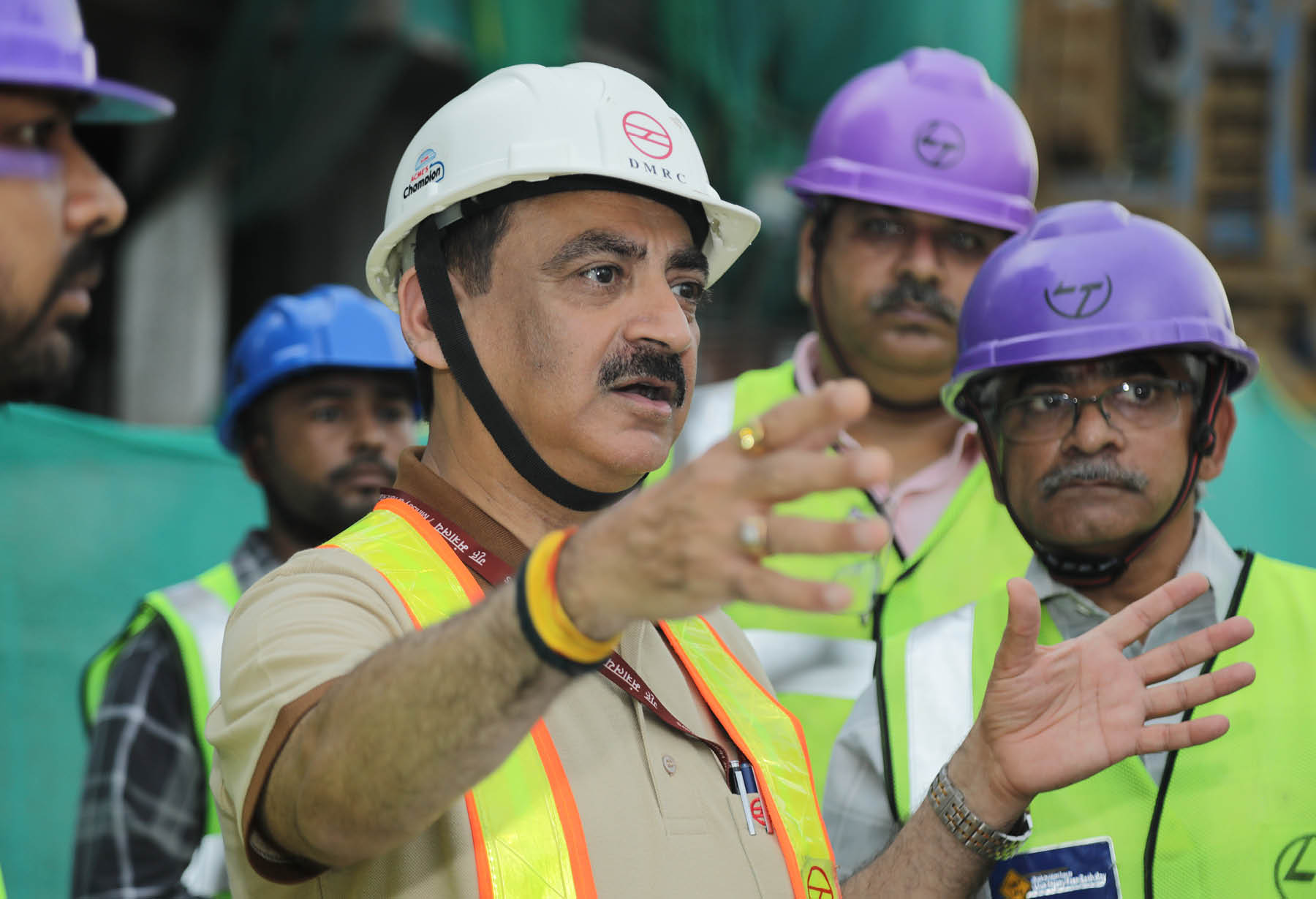
“From day one, we’ve planned for efficiency and sustainability.”
When these incremental changes are made at scale, they can have a real impact by reducing energy usage and boosting the passenger experience.
“From day one, we’ve planned for efficiency and sustainability,” notes Kumar, who is working to ensure the organization is ahead of global peers when it comes to sustainability commitments. For example, when the carbon credit market was in its infancy, DMRC was an early adopter.
“As of today, 35 percent of our power requirement is being met by renewables and we have plans to increase this to around 60 percent by 2030.”
Beyond the clear environmental benefits of embracing these policies, long-term costs are also being reduced, thanks to a focus on renewables.
There is no question that transport networks will face intense pressure as cities continue to grow, with rail companies needing to deal with major challenges around escalating costs and increased passenger numbers.
According to Kumar, DMRC is well-placed to overcome these obstacles, thanks to its highly skilled workforce and adoption of advanced technologies.
“Every challenge is taken head-on,” he concludes. “We convert it into our strengths.”
“We think that we are fortunate enough to provide this service to our customers; this is one of the greatest opportunities,” he says.
This approach shapes the success he has achieved at DMRC.
“If the work that you do is able to put a smile on the faces of thousands or millions, that is the real success,” he adds.
On a personal level, Kumar keeps to a disciplined routine that sees efficiency prioritized over long hours.
“It is not that you stay in the office late at night. Utilize your time and then go back home,” he advises.
 RELATED ARTICLES
  SPOTLIGHTS ON LEADERS


 Home
Home
 Podcasts
 Covers
 Be Featured
 Community