Language
You can read the magazine in one of the following languages
5-min read

 Bookmark now

 Copy Link
The notorious Australian bushfire season is dawning once more. All around the country, firefighters are bracing for another battle. As previous seasons have proven, when a fire breaks out, fighting it is a team effort.
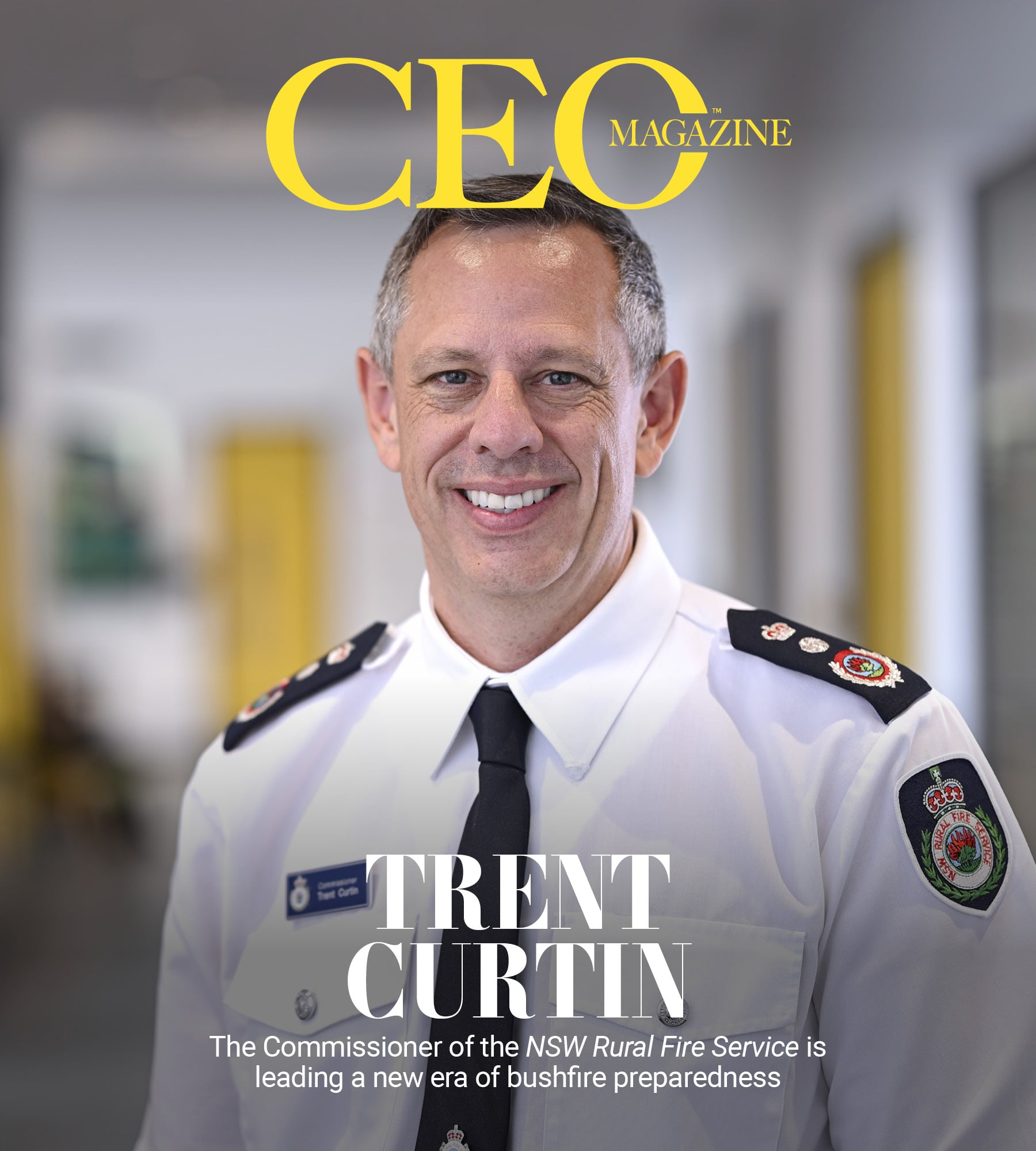
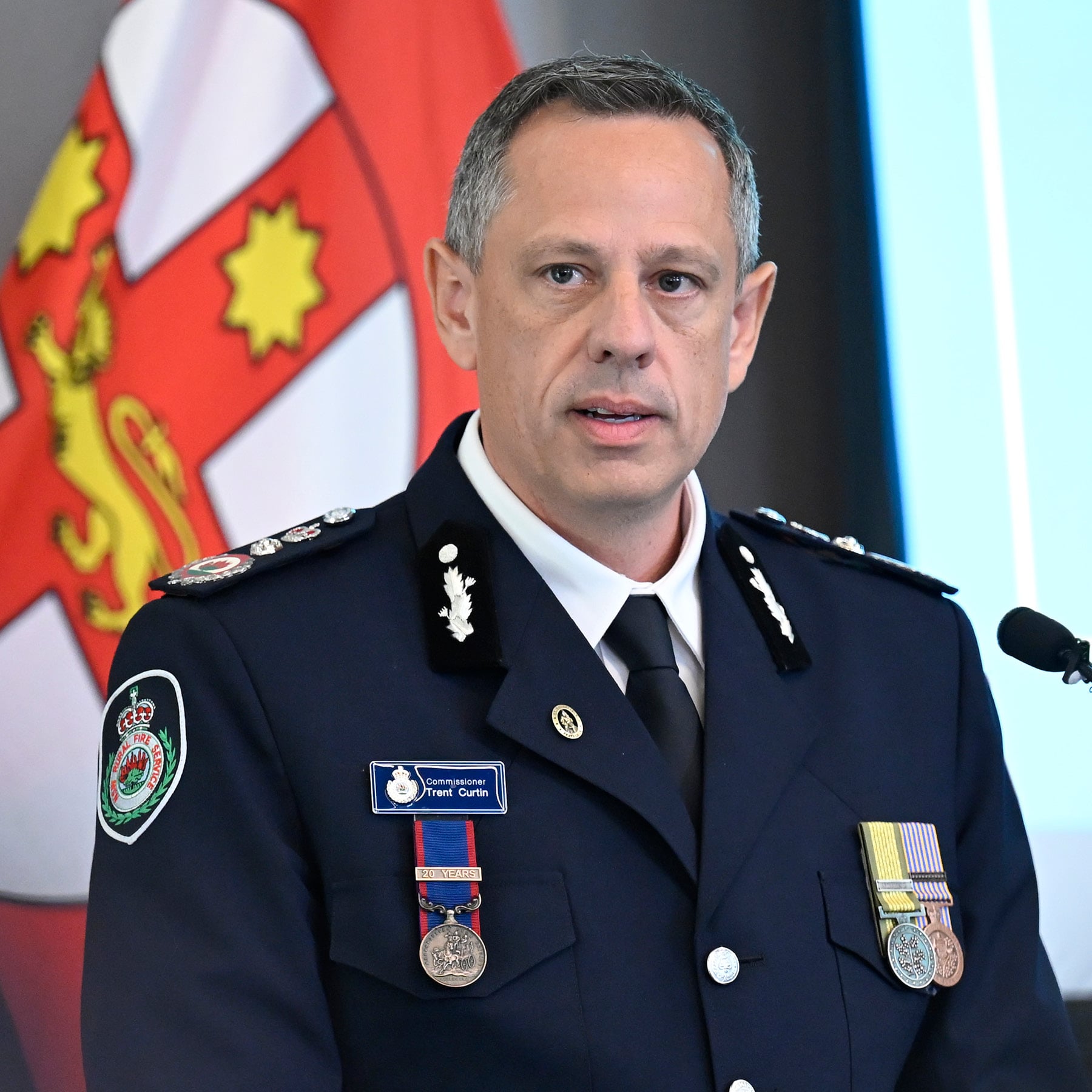
For those in charge, that cross-country coordination is a monster effort. When reports of devastating infernos hit the news, few wish to be in the position of fire commissioner, even while all are grateful for them. Trent Curtin is an exception to the rule.
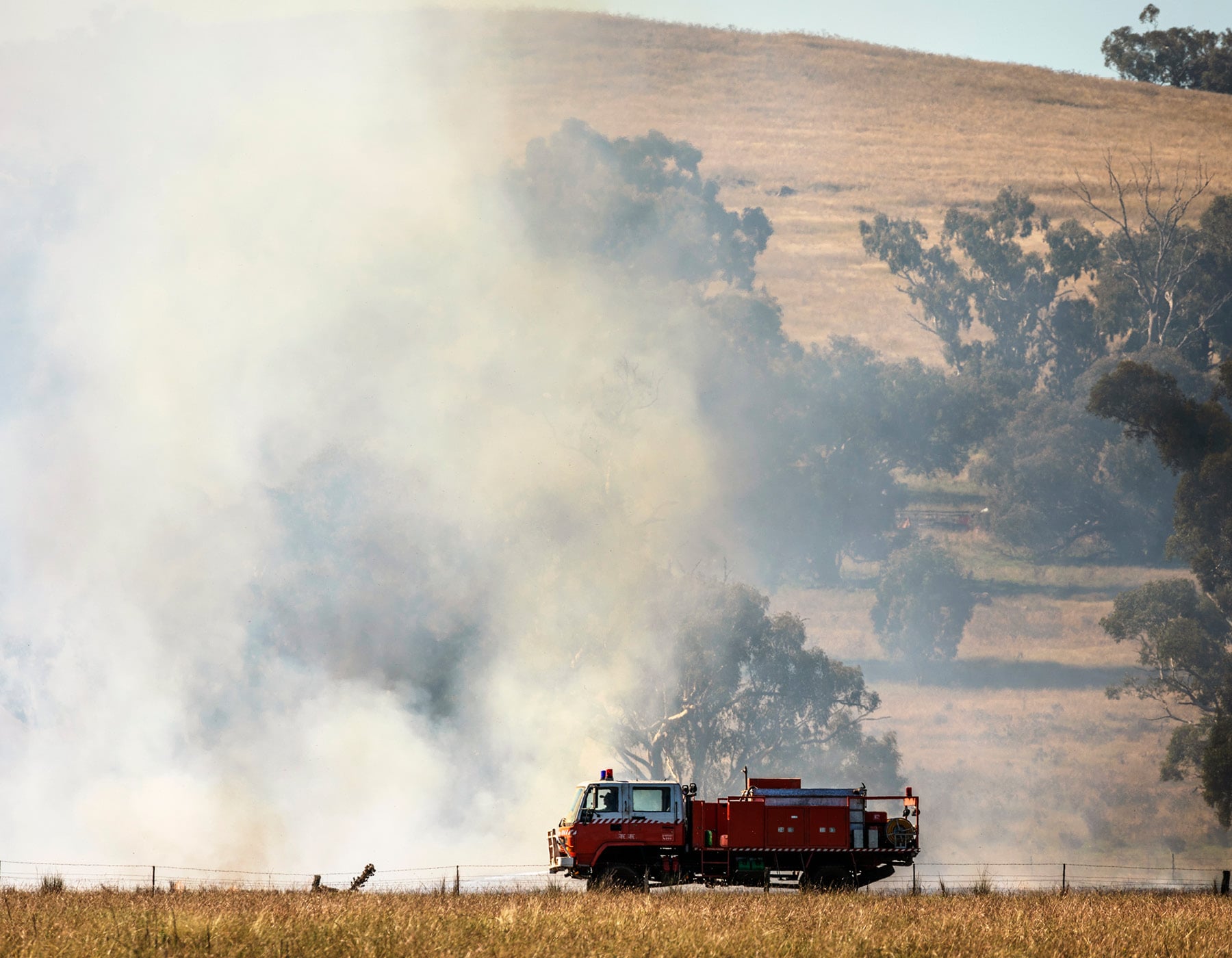

A former volunteer firefighter with the Country Fire Authority, Curtin rose through the ranks of Fire Rescue Victoria, Fire and Rescue NSW and SafeWork NSW until 2025, when he was named Commissioner of the NSW Rural Fire Service (NSW RFS), the largest volunteer fire service in the world. He has dedicated his entire career to serving the community.
“People always want to do something that’s bigger than themselves,” he tells The CEO Magazine. “They want to be part of something purposeful and useful.
“I was about 15 when I signed up to be a volunteer firefighter and for me, to be able to help the community in their time of need was an extraordinary thing as a young person.”
Curtin believes that volunteering for the community’s sake is very much an Australian value.
“When something goes wrong or it’s a challenging time, we put ourselves forward to help those in need,” he says.
“It might be that your neighbor’s house is on fire, there’s a bushfire around your township or you’re responding far beyond that to other parts of the state or country to help those in their time of need.”

No-one doubts the sheer bravery and selflessness that comes with being a firefighter, but few understand just how much work goes into it. Curtin says sacrifice comes with the territory.
“The Australian value set allows people to make such a contribution,” he says. “To see people sacrifice their family time or work time is an extraordinary thing to see, and to know that our volunteers here at NSW RFS are doing that every single day is an amazing thing to be a part of.”
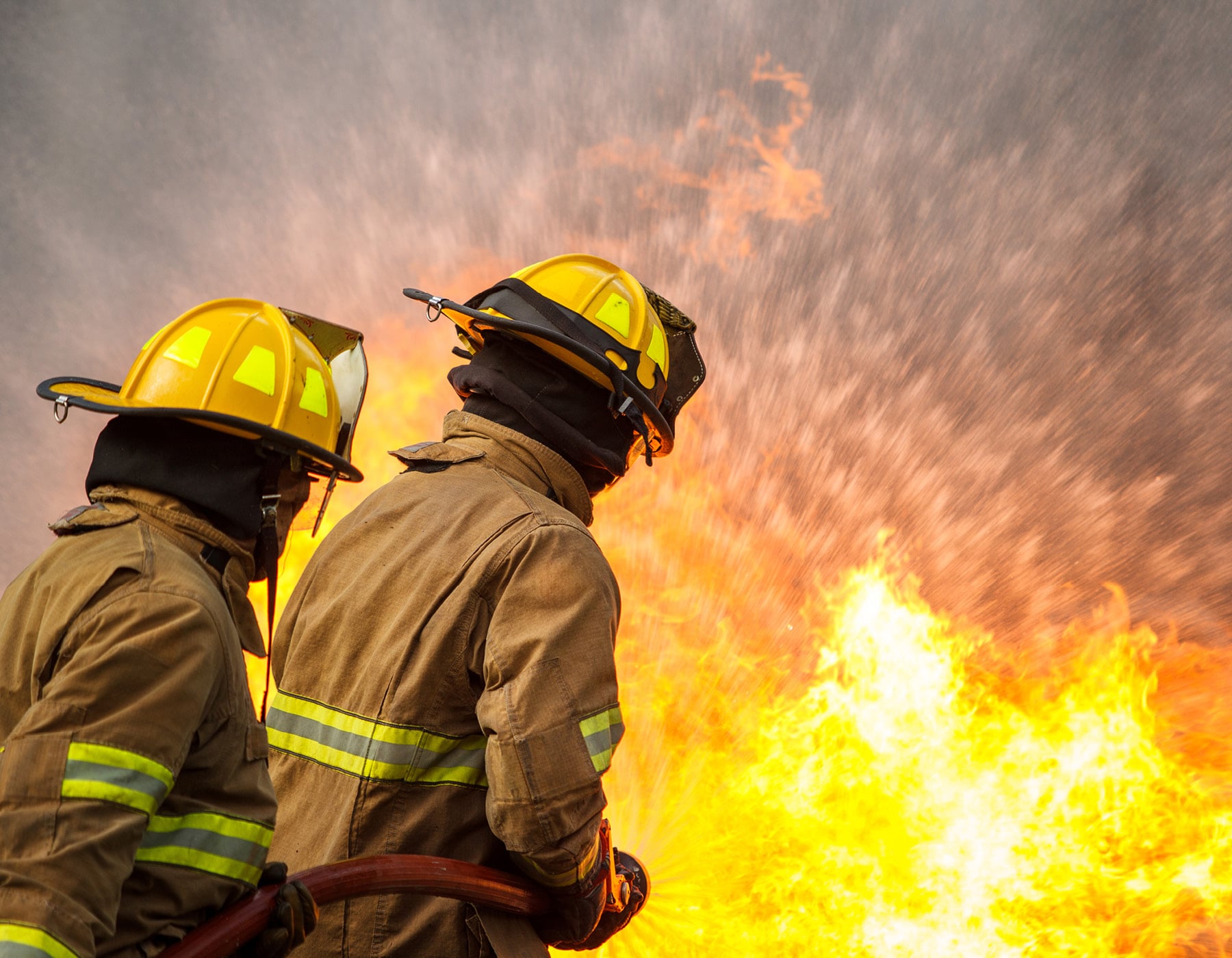

Beyond bushfires, the organization is on hand when severe storms or natural disasters strike. Whatever they face, Curtin says community resilience remains at its heart.
“When we invest in NSW RFS, what we’re actually investing in is community resilience and cohesion,” he says. “We’re creating an environment in local communities where people can come together and gain the skills and tools they need to look after themselves in times of disaster.”
As the one in the hot seat, it’s Curtin’s choice to put the community at the center of every decision he makes and every action the NSW RFS takes.
“We don’t just put the fires out. We have to help the community get back to as normal as possible, as quickly as possible,” he explains.
As with any community effort, this isn’t a solo job. NSW RFS counts among its partners medical and safety technology provider Dräger, engineering and technology solution provider Fredon Technology and supply chain and management systems specialist FourPL, all of whom understand that the work they do together ultimately benefits the community on a number of levels.
Advertisement
“There’s no doubt we’ve invested heavily in new capabilities to stay ahead of the curve to be able to respond effectively when fires occur,” Curtin says.
“We are the only Australian fire service with its own aviation fleet. We’ve got AI to help us predict and map where fires are going to respond in real time, and we use predictive modeling to see how communities will be impacted, so we can warn them ahead of time.”

In a state as large as New South Wales, the connectivity modern technology provides makes the organization’s job easier and harder at the same time, he adds.
“The rapid evolution of technology is quite challenging for us,” he says. “But to have that connectivity allows us to keep communities and fire appliances linked.
“What we need is a service full of people skilled and trained and ready to adapt to those challenges into the future.”
When dealing with natural disasters, everything is a learning experience. NSW RFS is relatively young as an organization, and Curtin is only its fourth Commissioner. His ascent has come at a particularly challenging time.
“Climate change continues to drive demand for volunteer time and service. That’s not unique to this year, but it will only continue to grow,” he predicts.
“At the same time, we’re facing challenges in recruiting, engaging and supporting volunteers. There’s a range of reasons for that, including rural decline, cost-of-living pressures and the consolidation of farms. All those factors make it harder for people to volunteer.”
Advertisement
However, the NSW RFS recently announced five-year strategy seeks to reduce risk to the community and raise greater understanding of the risks ahead.
“We’re coming off a period of above-average rainfall in New South Wales and much of our focus has been on floods. During that time it’s been difficult to carry out some of our hazard reduction work for the fire season, but that’s now beginning to change,” Curtin says.
“Many Australians choose to live alongside bushland, so part of our role is helping those communities prepare. When you can’t completely eliminate bushfire risk, you have to understand the risks and know what action to take.”
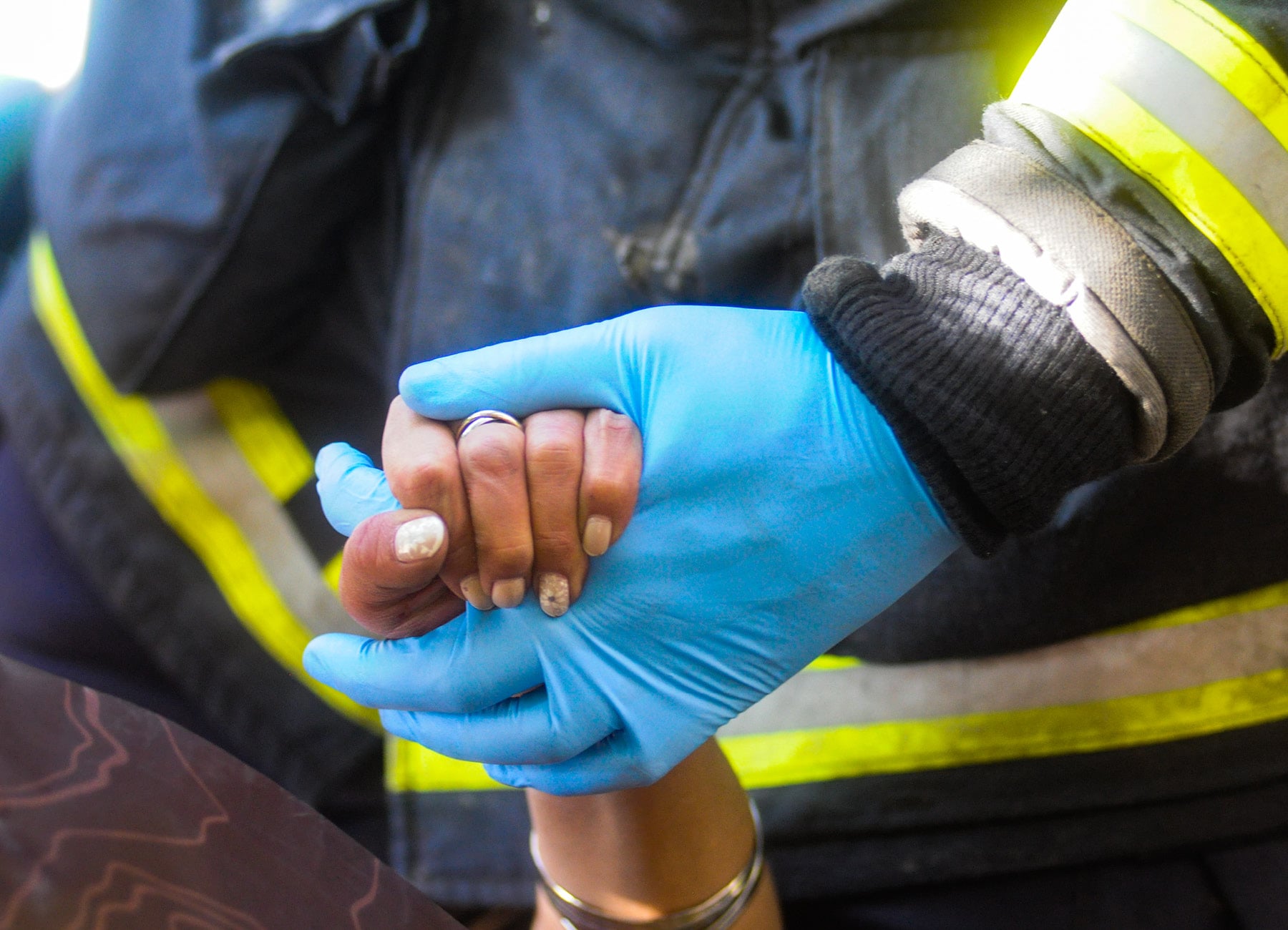

As Australians dread the prospect of another Black Summer, one thing is certain: an eternal national gratitude to those who heed the call of the NSW RFS.
“At our heart, we’re a volunteer organization,” Curtin concludes. “Australians have a long tradition of stepping up and lending a hand. Our job is to create the conditions to make that possible.”
 RELATED ARTICLES
 SPOTLIGHTS ON LEADERS


 Home

 Podcasts

 Covers
 Be Featured

 Community