Language
You can read the magazine in one of the following languages

5-min read

 Bookmark now

 Copy Link
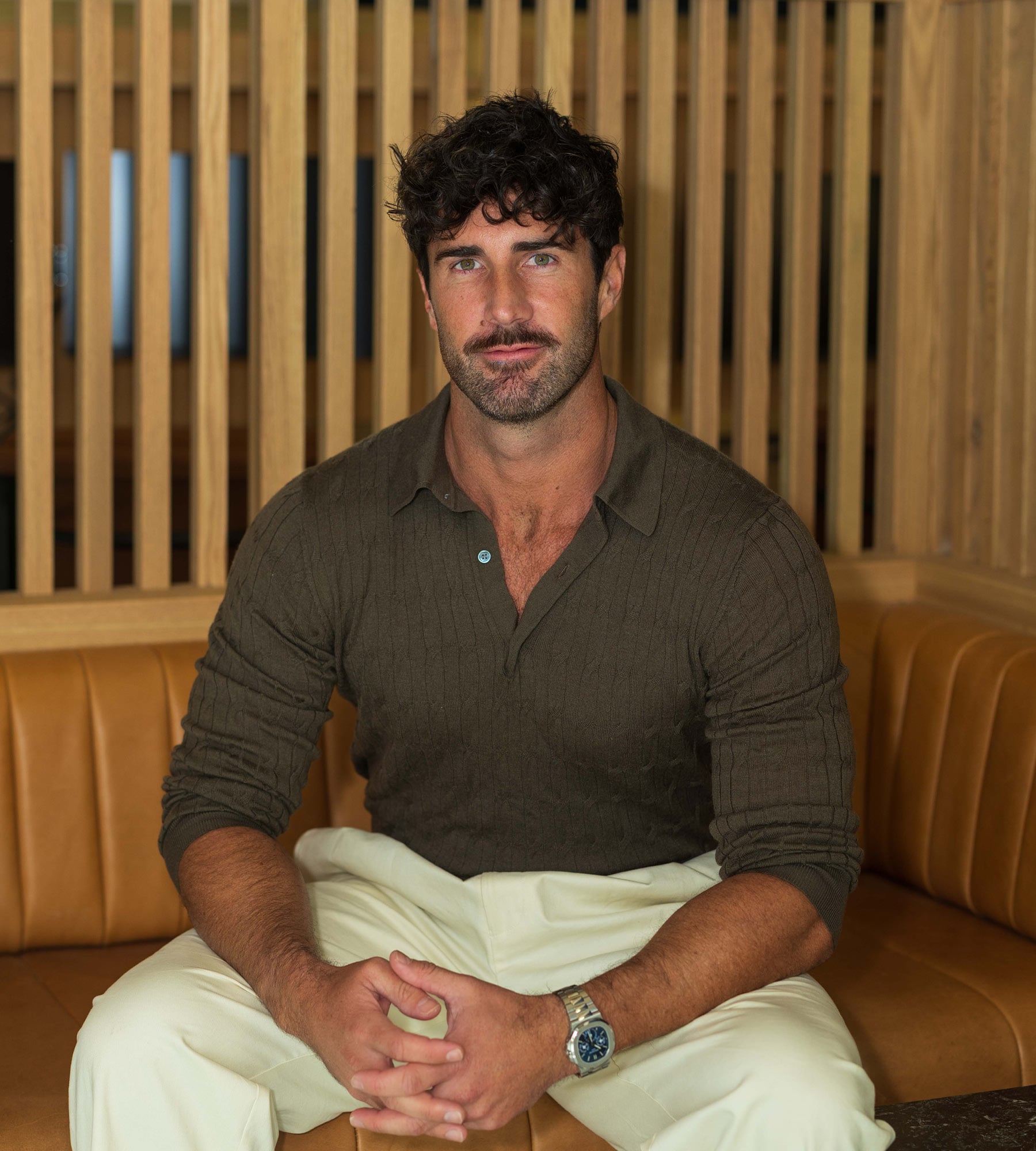
Stewart Pickersgill was just 16 when he first began his journey with Camera House. Then, less than three decades later, he was back.
“Originally, now 40 years ago, I just wanted to work,” he tells The CEO Magazine. “I took a position behind the counter of Camera House Geelong. I had a mild interest in photography and soon developed a love of the product side rather than the art of photography itself.
“But the art of selling and building relationships with my customer base came naturally and I thrived in this business.”

“Leading this legacy brand means both preserving its traditions and modernizing its future.”
In 1989, Pickersgill joined wholesale company Ricoh Australia as a young sales representative servicing specialty photographic businesses, holding positions in Victoria, Western Australia and New South Wales, before taking on the role of National Sales Manager in 2000.
Roles at Tasco Sales and CR Kennedy & Co followed, before Pickersgill reached his full-circle moment, joining Raleru, Camera House’s parent company, in 2013 as a buyer. In 2022 he was promoted to General Manager.
“Camera House has been part of Australian photography culture for over 40 years,” he enthuses. “What excites me is the responsibility and privilege of steering such a trusted and iconic brand into its next chapter.
“I value the heritage and community roots of Camera House, where each store is locally owned yet nationally connected. Leading this legacy brand means both preserving its traditions and modernizing its future.”
Since its inception in 1983, founded by independent camera shop owners, Camera House has evolved into Australia’s largest specialty photographer retailer, with more than 50 stores nationwide.
“Camera House’s franchise model supports independent, locally operated stores in both metropolitan and regional areas,” Pickersgill says.
“This ensures stores stay embedded in their local community, often run by passionate photographers who know their customers personally. Local sponsorships of schools, sporting clubs and community groups reinforce ties beyond the retail space.”

Advertisement
This idea of community connection drives many of the decisions about how Camera House can ensure it stays relevant and essential in an increasingly digital, smartphone-centric world.
“Many stores run hands-on workshops, photo walks and classes – astrophotography, street photography, vlogging and drone flying,” Pickersgill explains.
“These sessions allow customers to learn from staff and local experts while building relationships with like-minded creators. The learning focus positions Camera House not as a sales outlet but as a mentor and enabler of creativity.”
Collaborations including FRMEFEST 2025 – a visual storytelling summit in Sydney – and in-store demo days with key brands including Fujifilm, Canon, Sony, Nikon, Panasonic and OM Systems, as well as competitions and exhibitions, serve to reinforce the company’s position as a local hub.

“The learning focus positions Camera House not as a sales outlet but as a mentor and enabler of creativity.”
Camera House has worked alongside industry giant Fujifilm Australia for over 40 years – a partnership that has been deep, ever-changing and fundamental to molding Australia’s specialty retail photography market, Pickersgill explains.
“What makes this partnership so significant is the way it spans the full spectrum of photography, from cutting-edge digital gear to nostalgic film, from in-store labs to consumer lifestyle products,” he adds.
“Together, we enable customers to turn moments into tangible keepsakes: prints, canvases, photo books and wall art. This service is a powerful differentiator against online-only or direct-to-consumer competitors.”
For those wondering about a specialty supplier of cameras in a time when most people have in their pocket a smartphone able to produce incredibly high-quality photographs, Pickersgill says while consumer behavior and trends have undoubtedly shifted, that’s not necessarily an issue.
“For most people, the smartphone is their main camera,” he explains. “Convenience, instant editing and direct sharing to social platforms make phones unbeatable for casual, daily content. The result of this is that fewer people buy entry-level compact cameras; that category has essentially been replaced by phones.”
Yet, as Pickersgill explains, given the millions of people identifying as content creators on video-first platforms like TikTok, YouTube and Twitch, there is now huge demand for hybrid cameras with strong video capabilities.
“Accessories like gimbals, lighting and microphones are increasingly mainstream purchases,” he says.

“Consumers who upgrade from phones want lightweight, high-quality, creative control gear.”
“The result of this is the passion for storytelling is as strong as ever, but the tools have diversified beyond traditional still cameras. Mirrorless cameras, which retain high resale value, are booming. Consumers who upgrade from phones want lightweight, high-quality, creative control gear.”
There has also been considerable growth in specialist segments like drones, action cameras, film photography and premium compacts.
“Younger audiences are embracing vintage film cameras as a creative and nostalgic counterpoint to digital,” Pickersgill says. “Photography is now seen less as a specialist hobby and more as an everyday form of self-expression. But at the same time, those who want more creative control and higher quality are increasingly willing to invest in specialist gear.”
As Camera House continues its metamorphosis from retailer into lifestyle and creative brand, with an exciting and diverse range of projects already in the works, Pickersgill says these ongoing changes will remind consumers that it is not a ‘camera shop of the past’ but a creative hub where heritage craftsmanship meets new-generation storytelling.
“We will host national photography competitions, creator partnerships, school programs and online groups,” he explains.
“We have the potential to partner with travel and tourism, universities and creative industries to embed ourselves in the Australian visual culture.”

“Camera House balances its traditional DNA – local expertise, full-service printing and community focus – with forward-facing innovation.”
It may be true that many more people may consider themselves photographers in today’s society than in eras past; that simply means there’s a renewed chance to redefine what Camera House is all about.
“Camera House balances its traditional DNA – local expertise, full-service printing and community focus – with forward-facing innovation like omnichannel retail, creator-driven gear, workshops and a refreshed digital presence,” he says.
“Forecasts for the broader photography market estimate a steady upward trend through 2035, both in volume and value. The opportunity for us is to deepen our focus on mirrorless and hybrid systems such as those ideal for advanced content creators, aligning us with industry momentum and customer demand.”
And at the heart of that evolution is the people who bring it to life every day.
“What excites me most personally is leading a network of people who are truly passionate about what they do,” Pickersgill says.
“Our staff aren’t just retailers — they’re creators, photographers and storytellers. That passion is what sets Camera House apart.”
 RELATED ARTICLES
 SPOTLIGHTS ON LEADERS



 Home
Home
 Podcasts
 Covers
 Be Featured
 Community