Language
You can read the magazine in one of the following languages
6-min read

 Bookmark now

 Copy Link
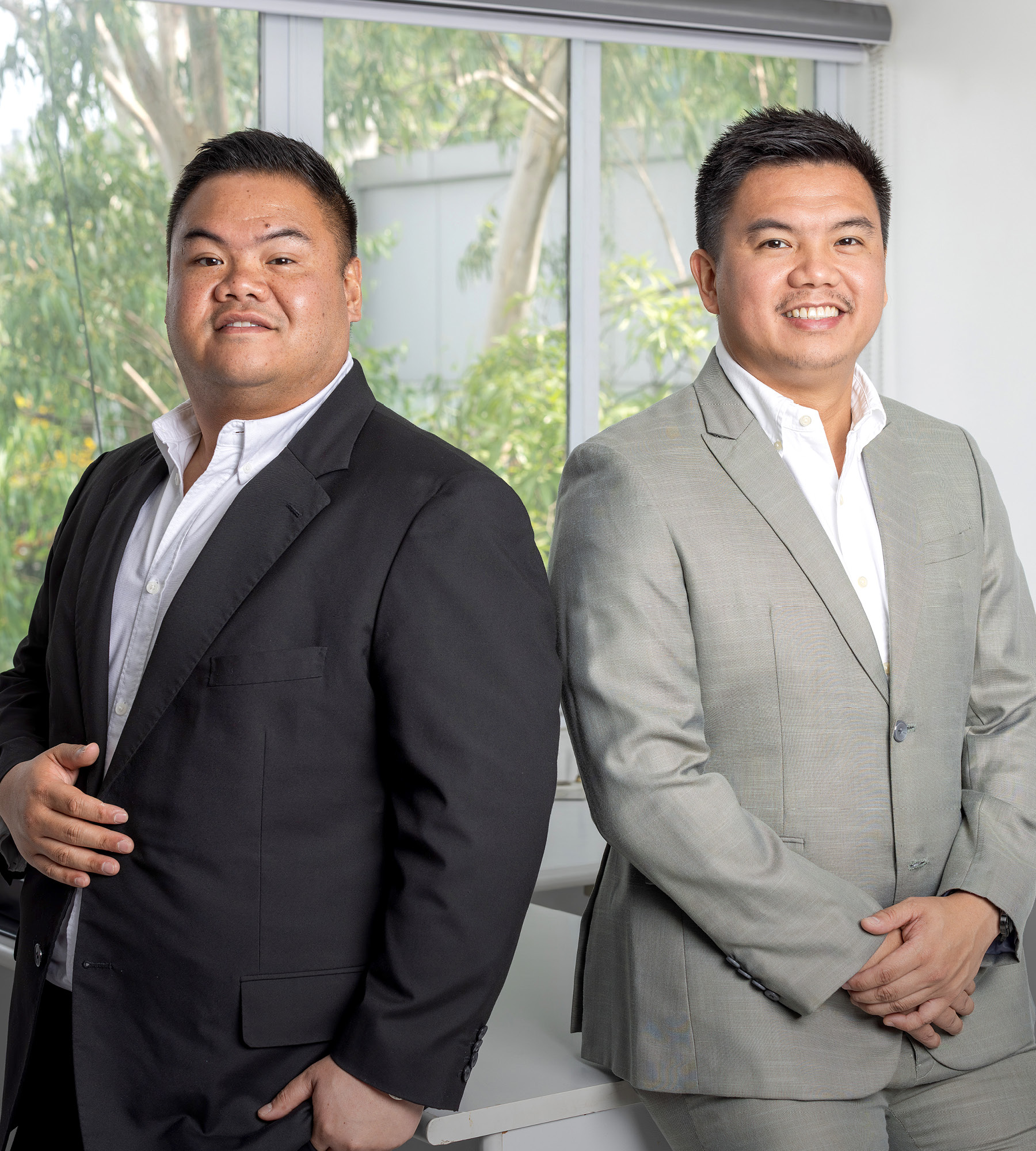
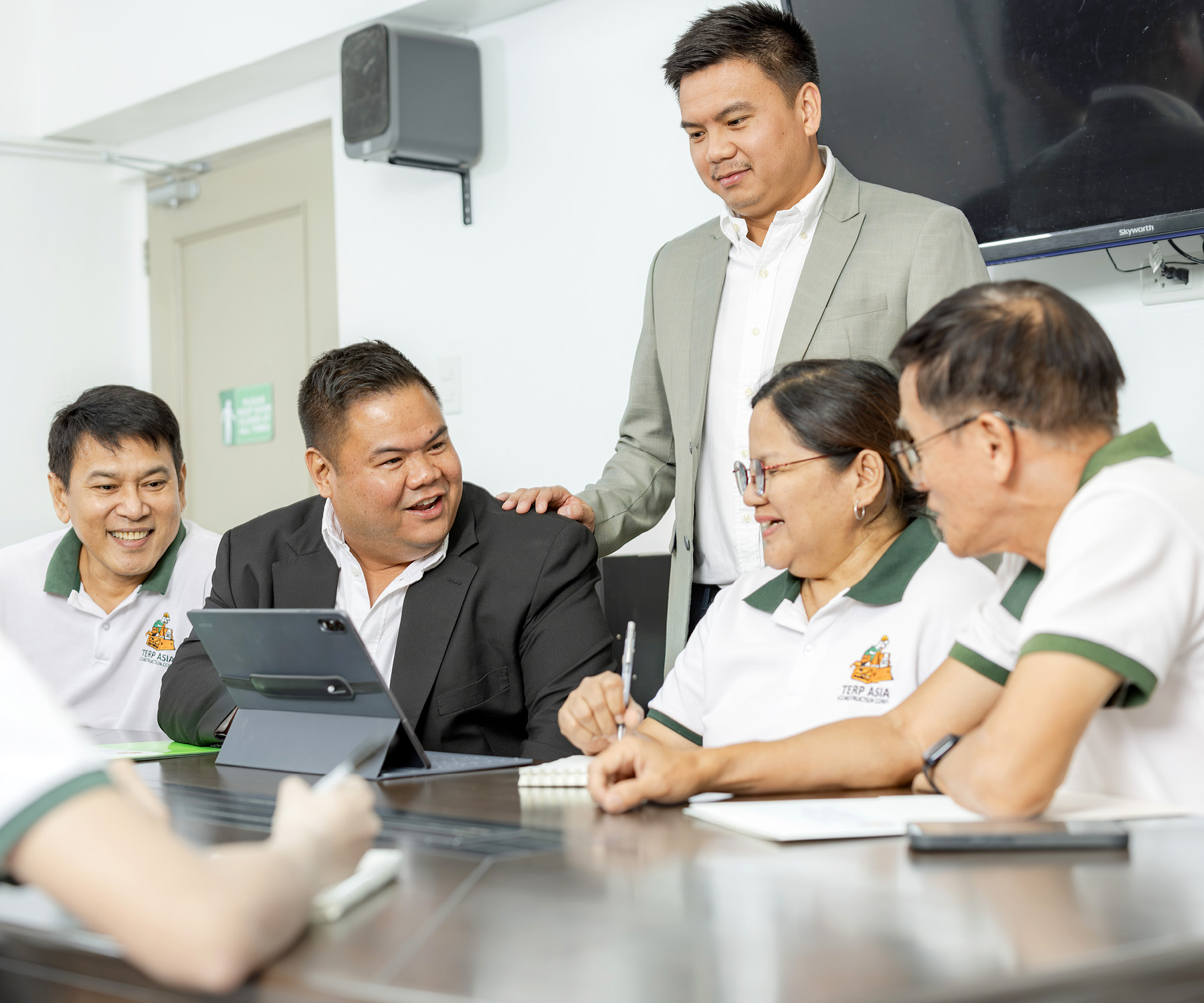
Until this year, the tallest building undertaken by Terp Asia Construction Corporation rose to 25 stories. But now, it’s dwarfed by the company’s latest project – a soaring 38-story residential building that marks a milestone in more ways than one for brothers Ryan and Raymund Escalona.
Founded by their father, Adolfo, in 1988 during a period of economic growth in the Philippines, particularly in the construction sector, Terp Asia has thrived over the past four decades. But this first high-rise project marks a particularly exciting chapter in its history, and a trial by fire for the brothers now charged with driving the company’s future growth.
“Before, we were very scared of high-rise projects because of the safety aspect of it,” the company’s Project Director, Ryan, tells The CEO Magazine. “But recently, we have hired a safety consultant to work with us.”
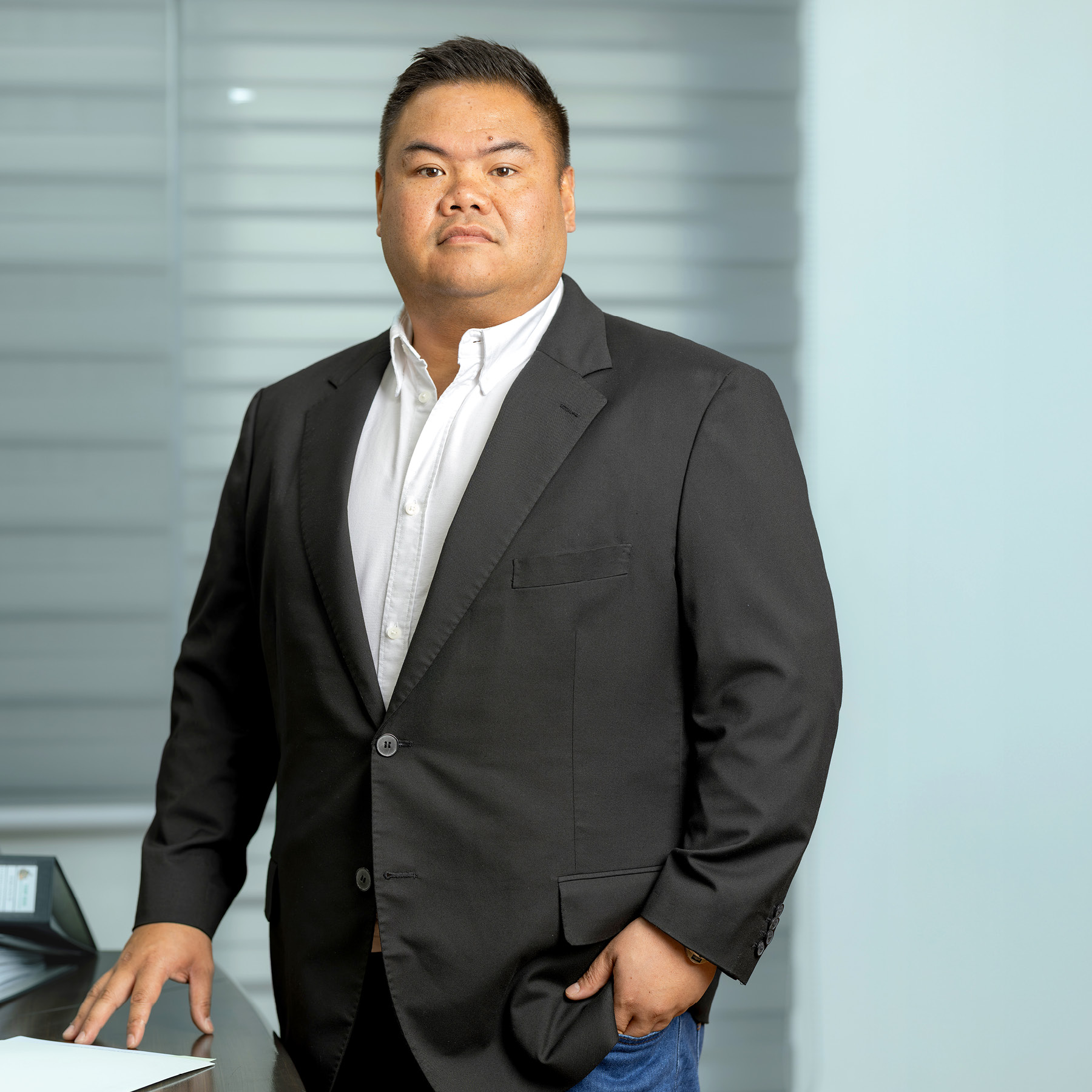
“We’re 100 percent focused on improving our employees’ lifestyles.”
- Ryan Escalona
The shift in approach has proved incredibly effective because, as Ryan points out, almost all of Terp Asia’s clients require a high level of safety – not just on the construction site but also in terms of the environment.
“For example, we’re doing our first BERDE project – it’s a green project – and we’ll be doing it in Cebu,” he reveals. “We recently onboarded a safety consultant who’s helping us out, from pollution controls to internal compliance with national and local government units and all stakeholders.”
The timing is on point – as the nation’s big developers expand, the need for contractors is on the rise. So the brothers confidently forecast that this first-ever high-rise certainly won’t be their last. They are actively pursuing additional high-rise and mid-rise projects that will make use of their new skill sets. But longer-term, their ambitions go beyond amassing a portfolio of skyscrapers.
“We want to do our own development,” Ryan says. “Maybe a small development, not as big as Rockwell Land Corporation or Ayala Corporation, but in our own small way, we can make our own development.
“Maybe a small commercial-residential mixed-use project integrating everything that we’ve learned, placing emphasis on the environment and so on.”
It’s an ambitious vision, not because Terp Asia lacks the skills and knowledge to succeed, but simply because it represents new territory for the company, according to Raymund, the company’s Vice President for Finance, Business Development and Planning.
“We already know how to build the development,” he points out. “We know the cost, we know how long it’ll take, but the challenge is learning how to run a development. It’s a different business altogether.”
While the transition will certainly be a learning curve, both brothers consider it inevitable that the business will take that step – and that it will do it well. A cousin has recently returned from completing his master’s degree in real estate development in Australia, a qualification they plan to put to good use.
“We will also have a learning process in the Philippine context, but I do believe that in about five years, we’ll probably be breaking ground on one of the developments we might think of or create,” Raymund predicts.
For now, ensuring Terp Asia’s internal processes are optimized and ready to roll out across all new projects is a top priority, according to Raymund. Critical to this has been the implementation of a new enterprise resource planning (ERP) system.
“The ERP system has been very helpful, especially for my particular department,” he says. “It’s been a challenge for us to monitor costs on-site, mainly because of the manual nature of our work. But with this new system, we’re given a platform where we can update project costs in real time, which now improves the accuracy of our financial statements.”
“Through construction, we’re able to give meaningful work to less fortunate people.”
- Ryan Escalona
Far more than simply streamlining the paper trail, it helps the duo make “informed and calculated decisions”.
“Ryan is involved in the operational side of things. I’m involved in the financial side,” Raymund points out. “The separation of both integral parts of the company has really helped make the right decisions.
“There’s no bias. As an operations guy, Ryan might have biases about releasing funds to a certain subcontractor or supplier, whereas I’d be more biased toward things that affect my department.”
The new high-rise project provides the perfect opportunity to implement everything they’ve been planning for the past two years, and the brothers know only too well that the proof is in the pudding.
“It’ll show if the project is done on time, if its cost is low internally for us, and if the quality of work is acceptable for our partner RLC Residences as well as the clients who will be living in that building,” Raymund says.
Of course, challenges lurk on the horizon, but many of those are far from new. The political situation, ever turbulent, has a direct and clear impact on the business, particularly in the area of cost. Relentless shifts in pricing make it exceedingly difficult to negotiate with clients.
“Certain commodities, labor and, with all the wars going on, the price of fuel, are all dramatically fluctuating,” Ryan says. “That highly affects us.”
Equipping Terp Asia with the right people to bring these new projects to fruition represents another challenge, Raymund adds.
“It’s about scaling up the people as well,” he says.
The implementation of the new system already means the entire company will have to undertake a learning process to bring them up to speed.
“Everyone’s used to the manual system that we’ve been using for 30 years, but now we’re moving into a digitized system,” Raymund says.
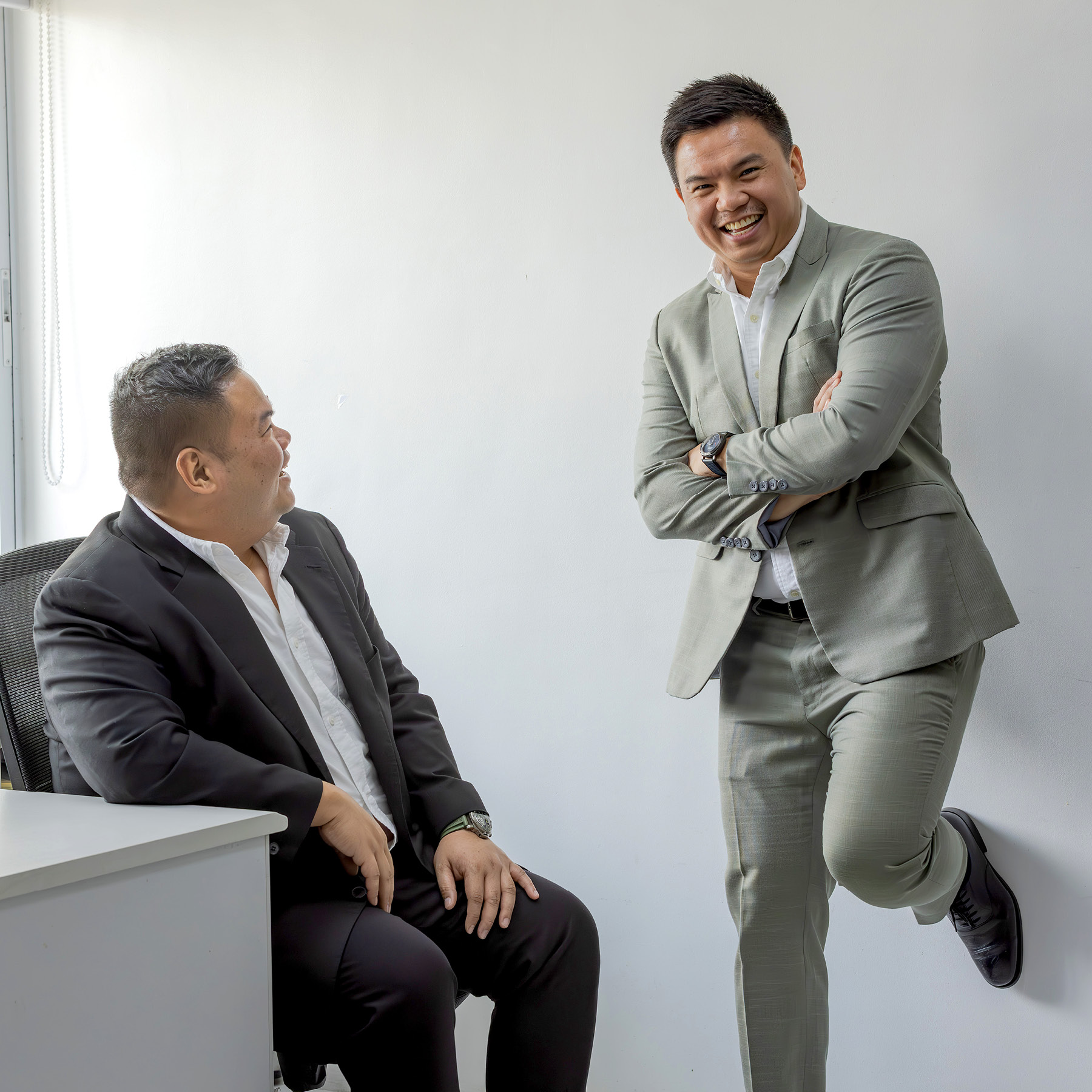
“We’re able to hire new people who are tech-savvy and have a good understanding of the systems being implemented.”
- Raymund Escalona
Fortunately, the new system is hybrid, making the transition less daunting.
“It’s still manual, but there’s a digitized component to send information quickly,” Raymund explains. “I think that’s where the challenge will be.
“But I believe that with the leadership we have – my brother and myself, and then our other brother Ram, who’s heading IT – we’re able to hire new people who are tech-savvy and have a good understanding of the systems being implemented, and mix them with our older employees who have long experience with the manual systems.”
This commitment to upskilling and sharing knowledge is a crucial pillar of Terp Asia’s winning formula, with the concept of community key to its success.
“Our company is focused on Luzon and the Visayas for now, so whenever we go out of Luzon for a project, we usually bring in around 60 percent from our main labor pool and then we always get around 40–45 percent from the local community,” Ryan says.
He does this by approaching local authorities and presenting the project to them, explaining the job opportunities on offer for locals, which can range from construction work to canteen duties.
“I believe we play a big role in giving these people jobs,” Ryan reflects. “In fact, that is our mission and vision as a company.
“Through construction, we’re able to give meaningful work to less fortunate people, who may not have the same education that we have. They can become laborers, carpenters, foremen, leaders in the future and eventually maybe engineers if they want to study again.
“We’re 100 percent focused on improving our employees’ lifestyles.”
 RELATED ARTICLES
  SPOTLIGHTS ON LEADERS


 Home
Home
 Podcasts
 Covers
 Be Featured
 Community