Language
You can read the magazine in one of the following languages

5-min read

 Bookmark now

 Copy Link
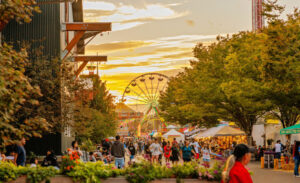
If you could take the essence of childhood summers and bottle it into a perfume, the base note would evoke a core childhood tradition – the state fair. From farm animals to giant pumpkins, carnival rides and deep-fried foods, fairs are the annual ritual that delivers the right balance of fond memories and timeless delight.
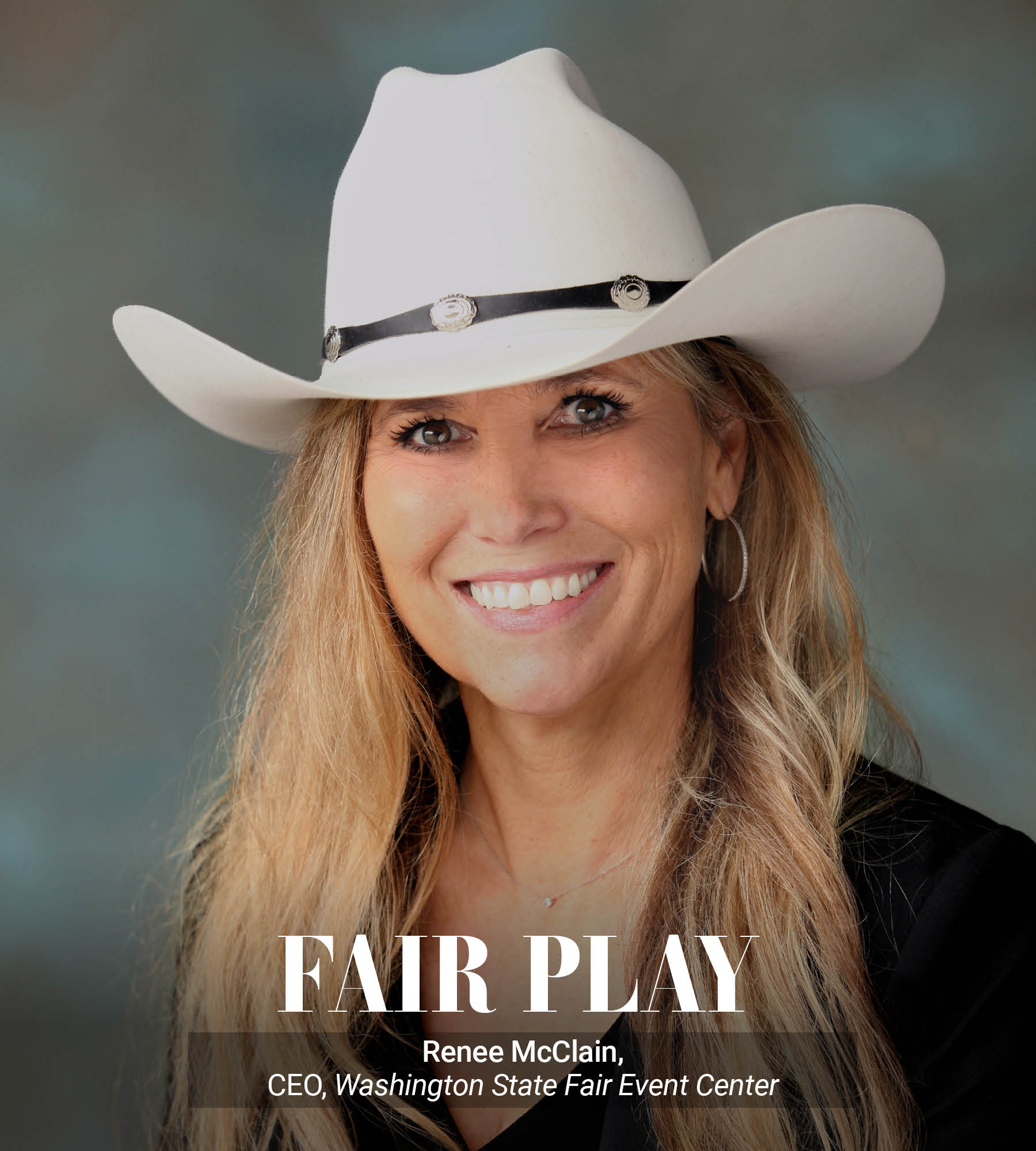
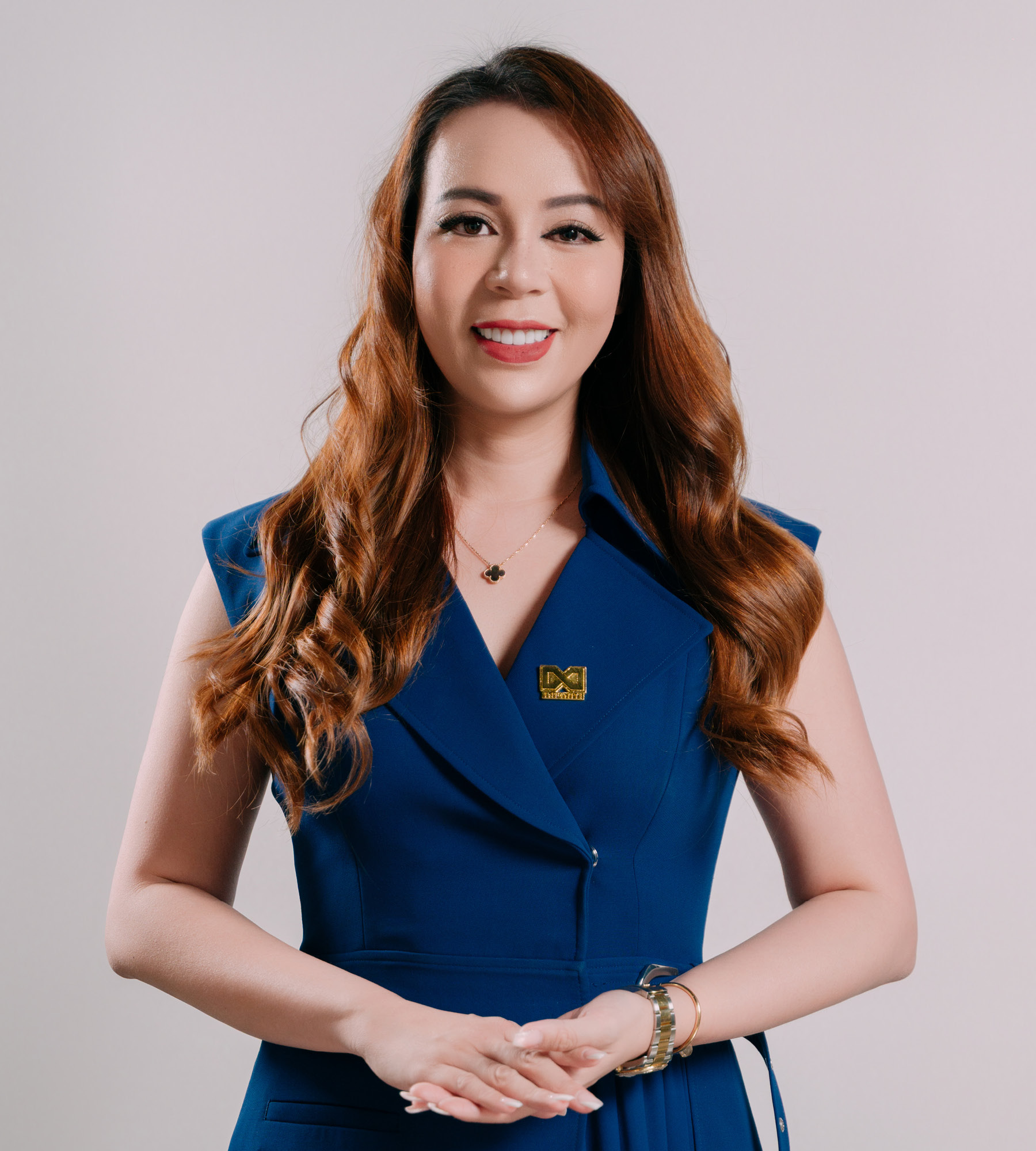
“That’s why I’m here,” Renee McClain tells The CEO Magazine. “I love agriculture, and I love the traditions and the nostalgia. I really want to honor the space where they intersect.”
As the CEO of Washington State Fair Event Center, McClain heads up one of the largest fairs in the United States, held in Puyallup since 1900. She was appointed CEO in October 2022, after serving as CFO for 26 years.
“We’re in this period of refinement and taking the next year or two to really refine who we are, what we’re doing, how we’re doing it and who we want to be.”
One of her first concerns was preparing for the Fair’s 125th anniversary in 2025, a celebration with a budget of around US$41 million.
“We spent my first three years trying to do whatever we could to get ready for the anniversary,” she explains. “We spent a significant amount of energy and dollars building new infrastructure and getting new projects off the ground.”
Among the highlights were the Fair’s first-ever opening night drone and fireworks show, a new self-guided walking tour app and new exhibits and stages, alongside long-standing favorites like the Classic Coaster, its 90-year-old wooden roller coaster and animal exhibits.
After an amazing celebration that lasted all of 2025, McClain says that she and her team have paused for breath.
“We’re in this period of refinement and taking the next year or two to really refine who we are, what we’re doing, how we’re doing it and who we want to be,” she says.
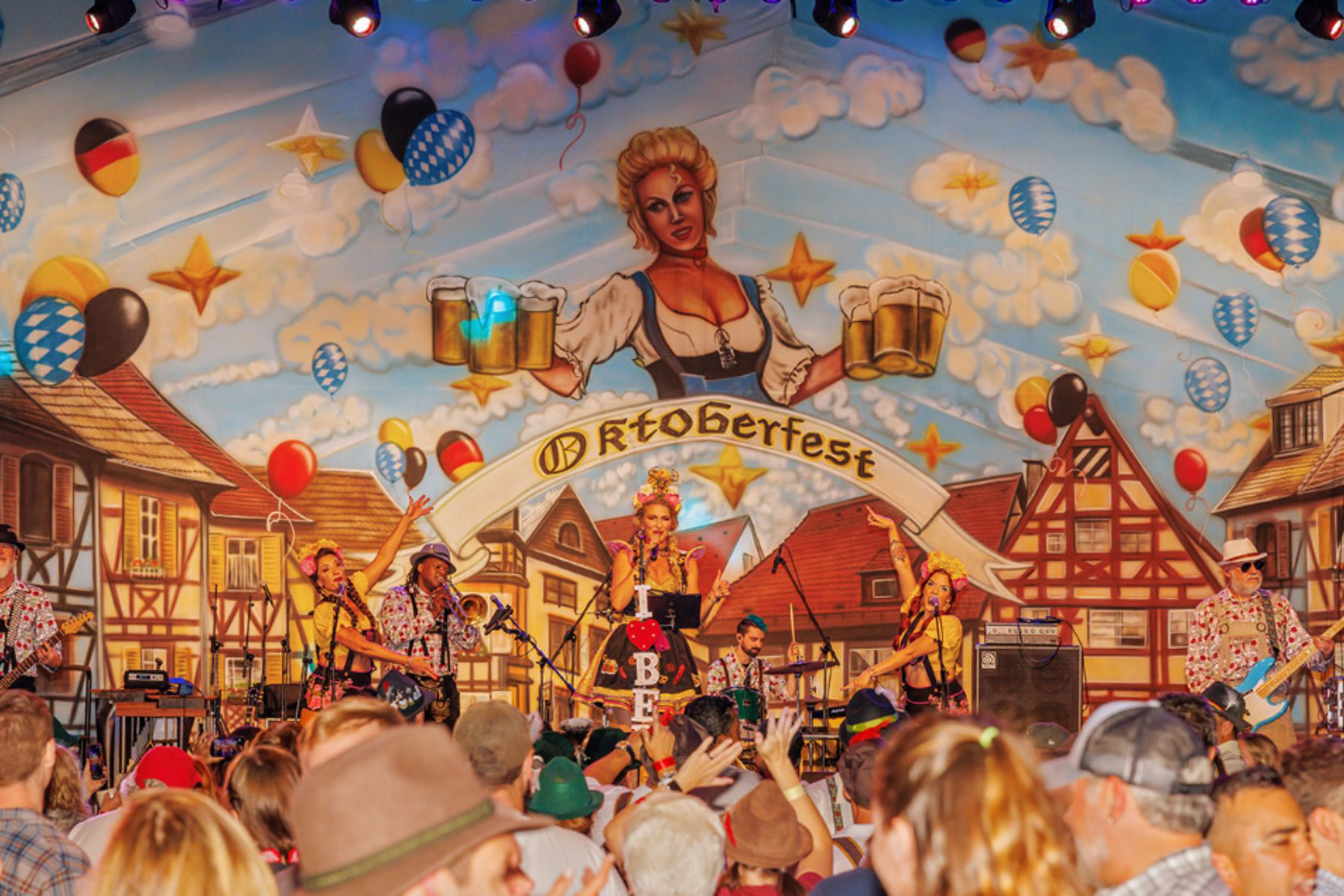
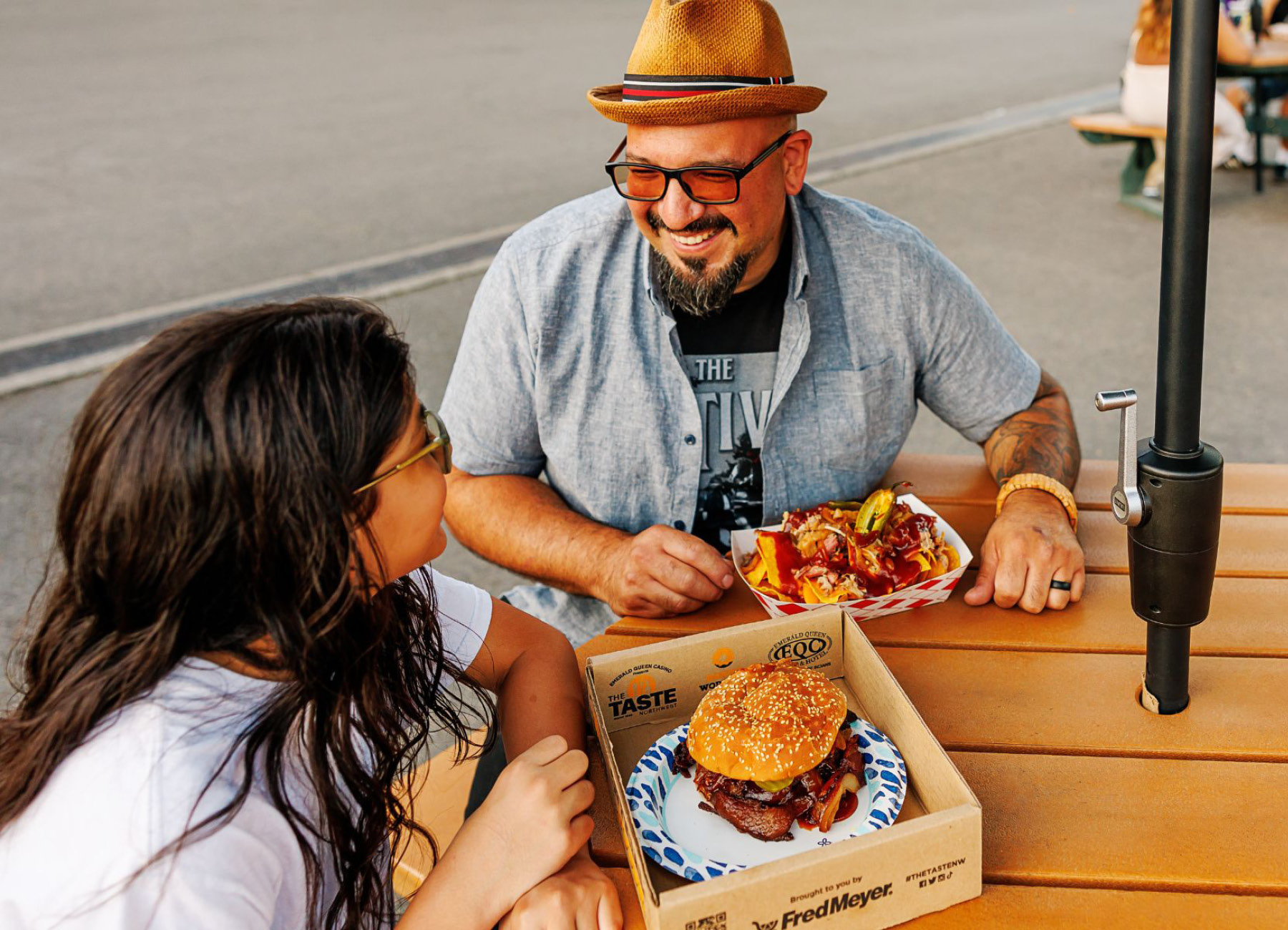
Alongside the traditional Fair, the Washington State Fair Event Center also runs a Spring Fair over two weekends in April, an event that started 36 years ago. It also now hosts a Holiday Magic event in December, as well as Taste Northwest, a food and music festival held over three days in June, and Oktoberfest celebrations.
“We’ve grown from being a producer of two traditional fairs to now being an entity of five self-producing events over 40 days of the year,” she says.
Add to that the other 125 events held at its grounds, and it’s a busy events calendar for McClain and her team – not to mention its role as an economic driver for the state.
“We’re bringing nearly two million people here throughout the year and that’s significant. We’re filling hotels and beds,” she says.
McClain is conscious, however, not to fall into an easy trap.
“Fairs, in general, tend to hold onto things for too long because it’s part of their history. There’s a lot of tradition and nostalgia,” she says.

“We’re bringing nearly two million people here throughout the year and that’s significant. We’re filling hotels and beds.”
What sets the Washington State Fair Event Center apart is its focus on ensuring it is a first-class facility.
“We’ve invested significant money into that,” she says. “Some of that has been to replace buildings and structures; some of that is fine-tuning what we do.”
Safety and security have been a particular area of importance, she adds.
McClain knows that roles like hers don’t come around every day.
“Opportunity only comes around once every few decades, because CEOs stay in these positions for long periods of time,” she says.
Her predecessor had been in the role for 17 years. Although the potential of passing her the baton had been discussed, McClain was initially hesitant.
“I loved being the CFO; I loved being supported,” she says.
But then she had a thought: “What if we get someone who is not as passionate about the Fair, who is not as interested in where we are going or what we want to do, or if it takes them a while to get there?”
So she made the leap to put her name in for the position and became the first female CEO.
As a private nonprofit, every investment the Fair makes is self-funded, which makes longstanding relationships with key partners like Columbia Bank so crucial.
“A lot of state fairs are funded by the state, but for us to represent our state, whether that’s agriculture, industry or community, we have to build those relationships,” she explains.
That’s why the Fair changed its name from the Puyallup Fair over a decade ago to reflect the depth and breadth of its offerings – and it’s also why McClain says it’s essential that the Fair remain in sync with industry as it shifts.
“Agriculture is changing, so we’re no longer going to have a display of 400 cows,” she explains. “Instead, we can transition that into a cattle birthing exhibit, teach people about the cattle industry, about animal husbandry and about where milk comes from.”
“I feel like we, as an organization, can take day-to-day living and make it extraordinary.”
Another new innovation is an exhibit called the Farm at Sillyville, which teaches children not only about agriculture, but also about healthy eating and where to find apples and carrots and the like in the grocery story.
“Those are things that organizations want to partner with, they want to be part of an organization that has a good conscience, that has a cause that appeals to their consumers.”
In the current global climate, fairs like the Washington State Fair add a little magic to brighten our lives.
“The world we live in can be heavy,” McClain says. “I feel like we, as an organization, can take day-to-day living and make it extraordinary.
“Here is a place where you can gather with people, you can celebrate, you can learn, and you can remove yourself from what’s so heavy around you. That’s truly a gift we are given as an organization.”
 RELATED ARTICLES
  SPOTLIGHTS ON LEADERS


 Home
Home
 Podcasts
 Covers
 Be Featured
 Community