Language
You can read the magazine in one of the following languages
5-min read

 Bookmark now

 Copy Link
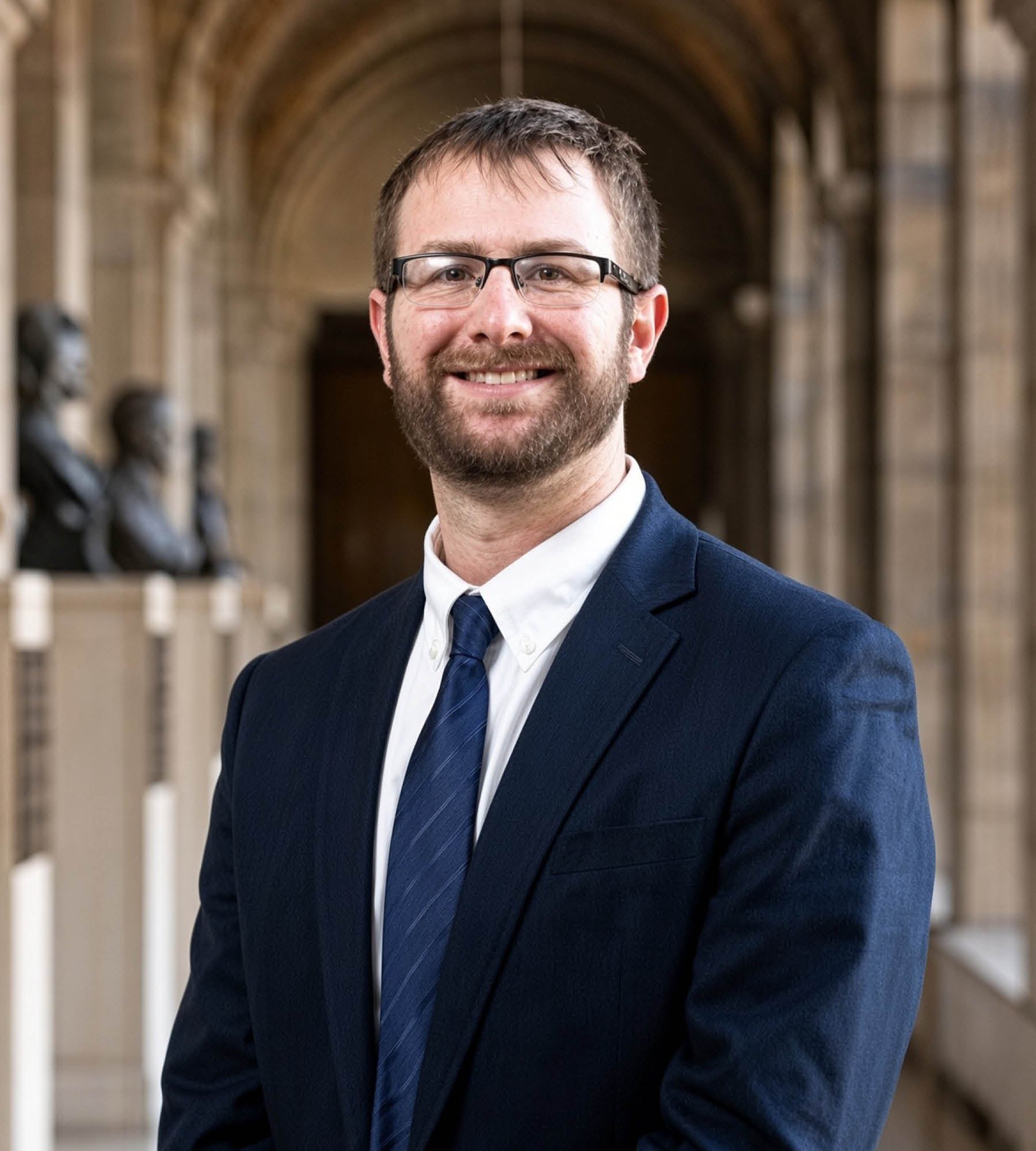
It’s the backbone of the Indian energy grid and as the country looks to shift to cleaner power sources, M Venkatachalam knows that understanding thermal energy is key to the transition.
That’s why, after three decades of experience in the nuclear sector, including as Executive Director at the Nuclear Power Corporation of India (NPCIL), he made the move over to Neyveli Lignite Corporation India Limited (NLCIL) as its Director (Power) in 2023.
“Everybody knows that nuclear power is going to be the cornerstone of our power systems in the future, no doubt about it,” he tells The CEO Magazine.
“Yet at the same time, we can’t discount thermal energy, which accounts for over 60 percent of current installed power generation capacity.”
Especially considering that any changeover to nuclear, battery or other technologies will be decades in the making.
“I’m probably the first executive to have switched over from nuclear to thermal, but I wanted to try something new, I wanted to see the other side of power generation,” he says of joining NLCIL, a Navaratna company under the Ministry of Coal with lignite mines in Tamil Nadu.
“For me, having experience in thermal means that when the transition takes place, I’ll be able to contribute better.”
The move from the nuclear to thermal sectors brought plenty of learnings, but there is much that Venkatachalam himself has contributed too, starting with safety standards.
“In the nuclear field we always say ‘safety first’. Taking that cue, we thought why not go to the next level in thermal, on par with nuclear standards?” he says.

“We have come to a point that we call an exponential growth phase.”
Venkatachalam says behavior-based safety has been prioritized over conventional training and system implementation.
“Behavior-based safety is about driving cultural change and then training people so they can spontaneously respond to the safety requirements,” he explains.
Over 5,000 contractors in the past year alone have been trained in the area and, in what he describes as a first in India, the inclusion of fire squad training and the implementation of fire squad methodologies.
One of the milestones of Venkatachalam’s career with the NPCIL was being handpicked to commission what he describes as the signature project of the country, reactors 3 and 4 at the Kakrapar Atomic Power Project during the COVID-19 pandemic.
He has drawn upon this experience to revive major stalled projects at the NLCIL, such as the Ghatampur Thermal Power Station.
“It was almost at the point of no return,” he says of the thermal plant in Uttar Pradesh. “The output was very lean and there was only meager activity there.”
After thoroughly reviewing the site and pulling in his expertise at Kakrapar, a way forward was uncovered.
“This project has been brought back,” he confirms.
In May 2025, Unit 1 was inaugurated by Prime Minister Narendra Modi, who called the project a ‘landmark achievement’. The second unit was synchronized ahead of schedule in July 2025 and, with a third on the way, Venkatachalam says the units are performing very well.
“It is supplying much-needed electricity to the area,” he says.
He has also cleared the roadblocks at another site that has been sitting idle: the Talabira Power Station.
“It is one of our signature projects considering its supercritical nature, higher efficiency and low-cost power, but it could not be started for several reasons, including land issues and clearances,” he reveals.
Through dialogue with stakeholders, including state officials and the community, an agreement has been reached and in February 2024 Modi laid the foundation stone for the project.
Now that NLCIL is operating at full capacity, the company can begin to look to the future.
“We have a very ambitious plan,” Venkatachalam says.
Although the company is seven decades old, the expansion that has taken place has been limited.
“The reason we have not grown is because we have constrained ourselves within lignite for a very long time,” he points out.
The decision was made by his predecessors to move on from lignite and coal in general, as well as zoom out from its base in Tamil Nadu. The results of their decision can already be felt.
“We have come to a point that we call an exponential growth phase,” Venkatachalam explains. “NLCIL is exactly at this point now.”
Plans include doubling its capacity to 10,200 megawatts by 2030 and diversification into commercial mining, critical minerals and R&D in areas related to power, mining and utilization of waste like fly ash. In the area of renewables, the company is planning for a quantum jump.
“As of now, our installed capacity is 1,431 megawatts with 2,500 megawatts already in the pipeline,” he adds.
By 2030, the goal is that its thermal capacity is mirrored by its renewable capacity — and an investment of US$15 billion to get there.

“This energy basket will be designed in such a way that it is meeting sustainability standards, but it is also meeting the power requirements of the people of India.”
Big change is in the air, yet Venkatachalam knows that success, as always, depends on long-standing relationships. With the likes of engineering construction company Bygging India and one of the country’s leading engineering education institutions, Krupajal Engineering College, as core partners, NLCIL continues its growth journey.
“Last year, our power generation was some 1.7 trillion units,” he says.
It’s a huge figure, but Venkatachalam wants it to top 2.4 trillion units by 2030. To get there, an energy basket will be required, with a variety of sources including renewables, nuclear and battery backup.
“We will also need a conscious operation of thermal stations until the changeover takes place,” he adds.
“This energy basket will be designed in such a way that it is meeting sustainability standards, but it is also meeting the power requirements of the people of India.”
 RELATED ARTICLES
 6-min read
5-min read
2-min read
 SPOTLIGHTS ON LEADERS


 Home
Home
 Podcasts
 Covers
 Be Featured
 Community