Language
You can read the magazine in one of the following languages

5-min read

 Bookmark now

 Copy Link
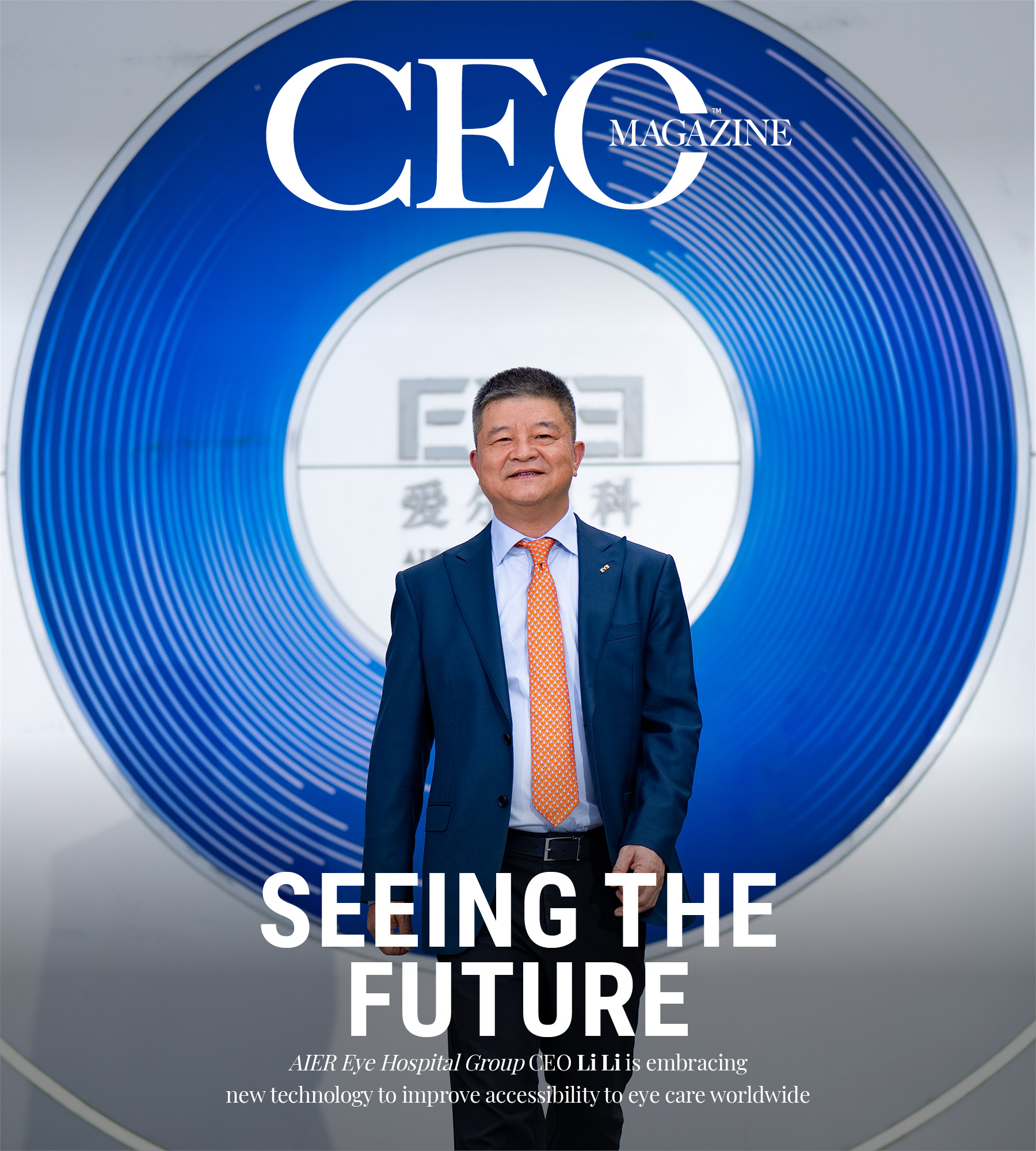
With AI developing in recent history from an esoteric technology into a fully fledged social revolution, its early adopters have been truly vindicated. Although the pressing and well-founded concerns about its malignant impacts will be a continuous discourse, healthcare is the sector where AI has the biggest potential for good.
Leading the charge is AIER Eye Hospital Group, driven by its mission of ‘enabling everyone, no matter rich or poor, the right to eye health’.
“Everyone knows that we need AI in fast-paced development, and AIER has been fully aware of that,” CEO Li Li tells The CEO Magazine. “In the past seven years, we have established a comprehensive AI development strategy. We want to embrace AI development to help our system.”
Established in 2002, the Group’s commitment to localization and specialization has seen it achieve impressive growth. Thriving initially in its native China, it has now achieved a truly global presence.
“Since our origin, AIER has been devoted to vision care and ophthalmology. We did that initially in the Chinese market and we’ve also kept up the expansion of international business,” Li says.
“We have this kind of a hierarchy system, a referral system. We have world-class hospitals and we also have country and city-level hospitals.”
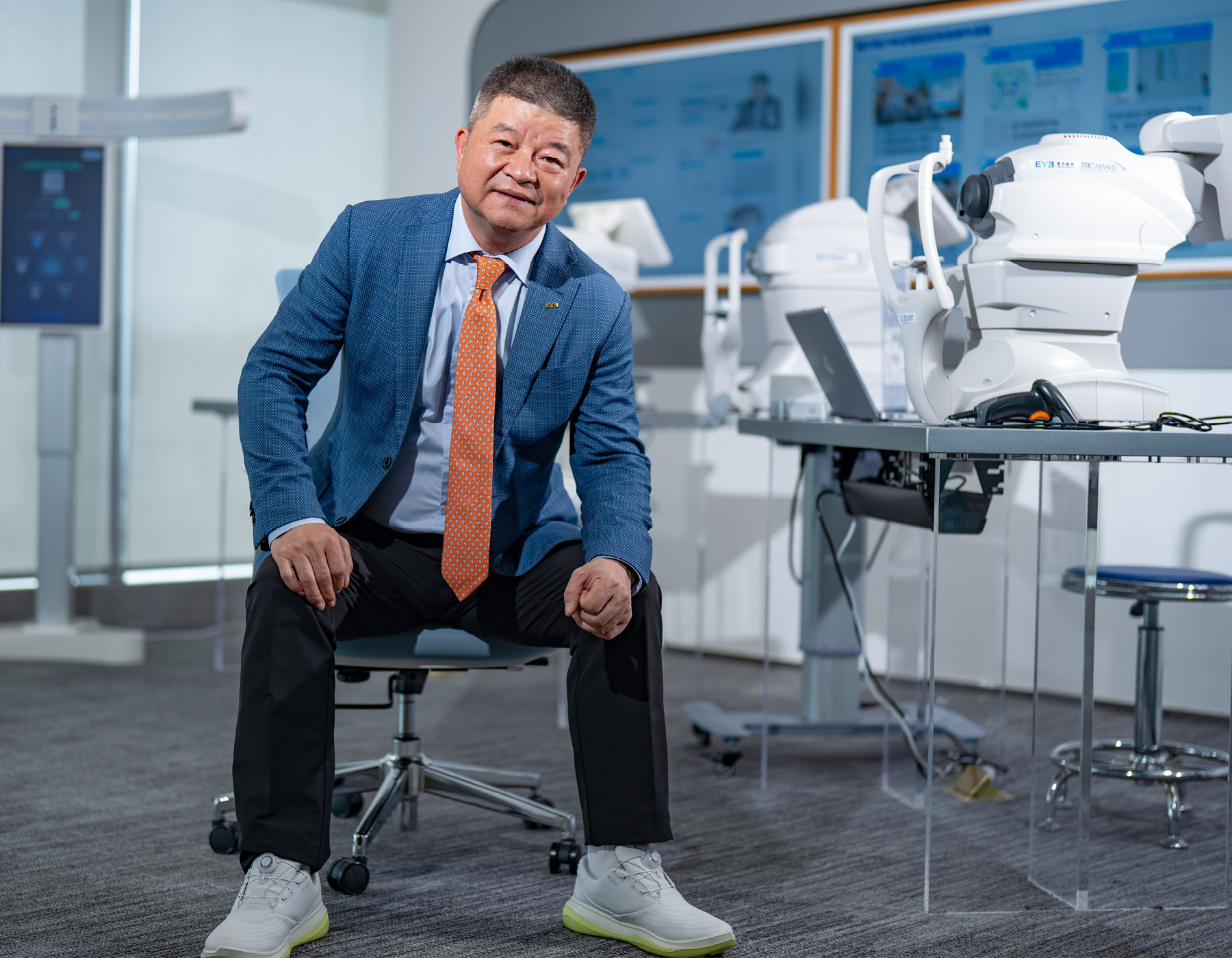

Its headquarters in Changsha, Hunan, is the largest standalone eye hospital center in China and is equipped with a clinical and research center, as well as education and training facilities.
“Then, we spread out with another eight country-level standard hospitals, which help us to enhance our capability in ophthalmology within the country,” Li explains.
“Meanwhile, we have optometry centers on the outskirts to help our vision care to access the neighborhoods of patients.”
Li describes these smaller, dedicated eye centers as an innovation in the Chinese market.
“We have established small specialized clinics for eye care, a model that is brand new because previously most of the services were covered by the hospital,” he adds. “This new model helps us to access more patients.”

Today, AIER Eye Hospital Group has more than 1,000 centers operating globally, with 182 of these outside of the Chinese mainland.
“We have an international strategy, so we can access the international market to different patients, which helps us to access most of the people in the world,” Li reveals.
“We have acquired centers in South-East Asia and expanded into this area. Also, we recently stepped into the United Kingdom by acquiring Optimax, which has 18 centers and has helped us to access more people in the British market.”
As ever, specialization and localization remain crucial.
“Different countries vary in their healthcare policies, so we manage them differently,” he points out. “Even in China, we manage by province because the country is so big – we have 31 provinces.”
At the heart of the Group’s vision of the future of ophthalmology is its all-encompassing AI strategy.
“We believe AI is a tremendously promising and effective trend for healthcare,” Li confirms. “We have fully covered the protection, diagnosis and also the rehabilitation of eye care for our patients.”

Li says its AI integration has progressed across the organization and is now being applied to solve ever more complex tasks.
“For example, we have the disease diagnosis. We start from the intelligent remote reading centers and with a multi-mode diagnosis approach,” he explains.
“In addition, we are establishing 24 AI doctors that specialize in different subspecialities of ophthalmology.”
AI diagnoses have helped mitigate the issues of staff shortages, meaning patients are provided with the care they need sooner.
“We then apply this diagnosis to help more in the remote eye care centers and country-level hospitals,” he says. “You can imagine they are short of professionals, so this kind of AI technology will help them enhance their capability.
“We have established our gene-related large models for diagnosis as well, which can generate reports with AI technology. It has really sped up the results and given greater efficacy on the test results.”
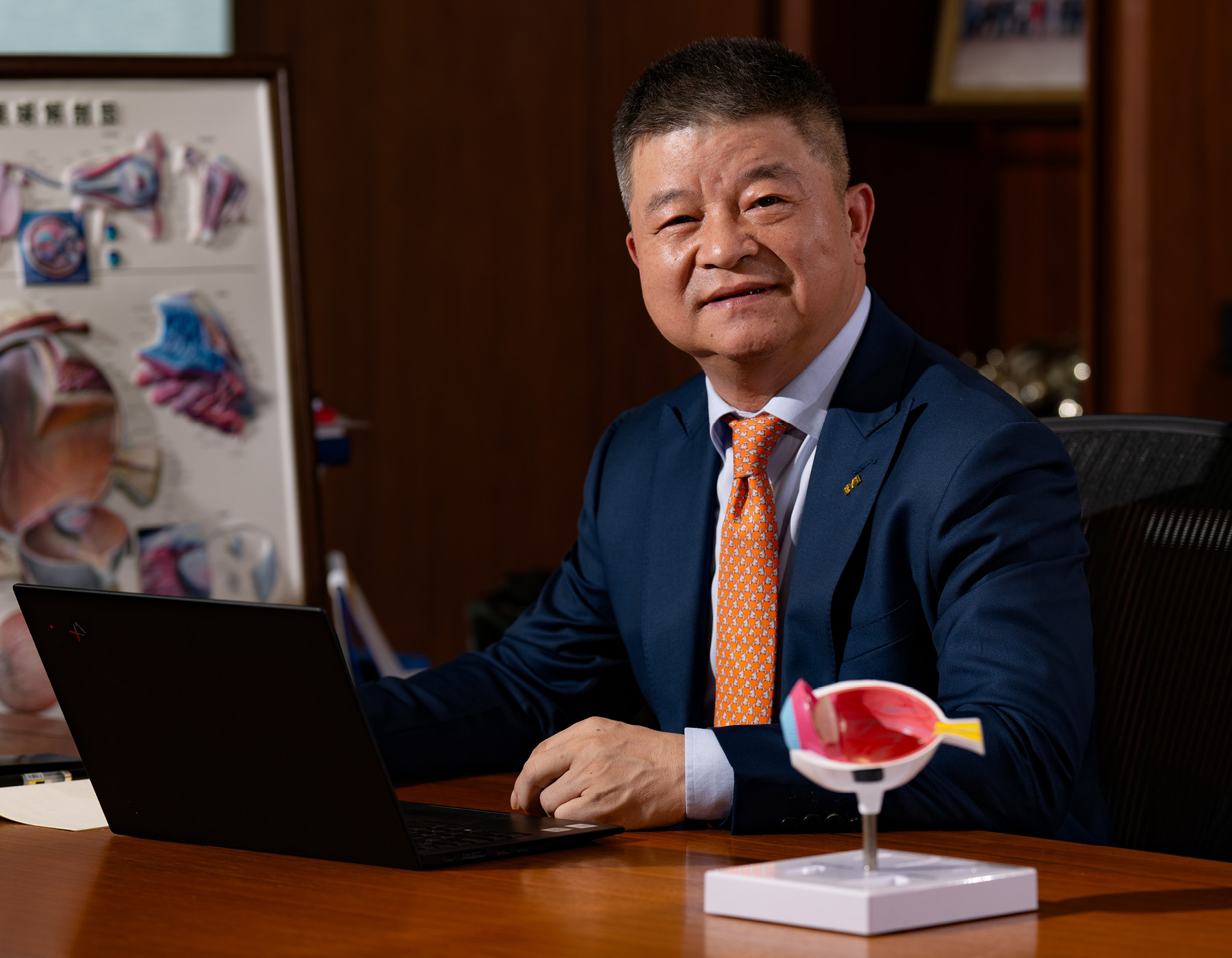

The scale of the upheaval brought by AI inevitably presents challenges. But Li prefers to reconfigure these challenges as opportunities.
“The biggest challenge will be the data – but it is also the biggest advantage for us,” he admits. “AIER has the biggest data for ophthalmology in the world and we have also constructed our own information system.
“We have more than 20 million outpatients per year, plus two million more surgeries, but it’s very important to clean the data and to mitigate these data risks.”
Without the effective collaboration of key partners – such as Alcon, STAAR Surgical and Beijing Jiuchen Intelligent Medical Equipment – Li says meeting the challenges of the day would be a far more daunting task.
“We fully believe that the cooperation with suppliers and business partners, established on mutual trust, appreciation and recognition, will continue to be very important,” he insists.
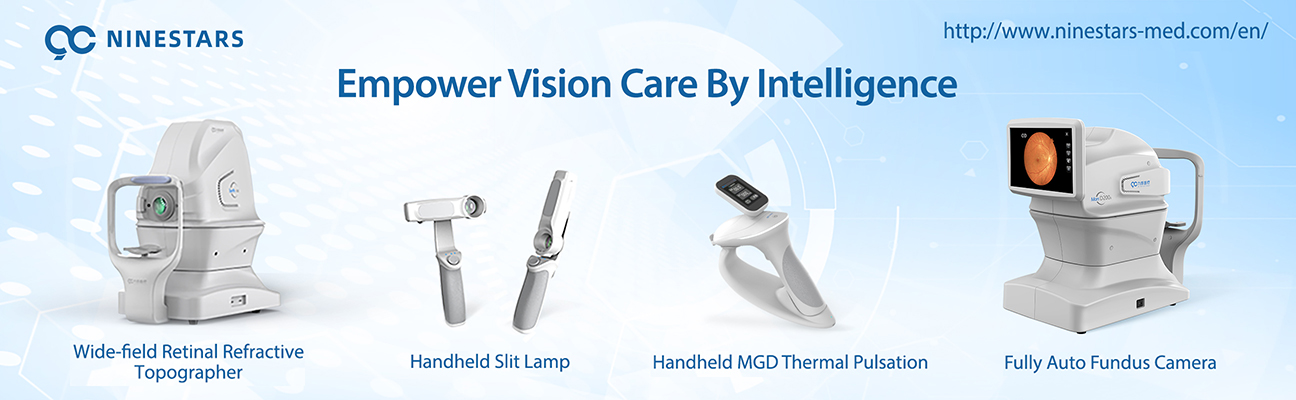
Among the lofty global expansion, innovation and partnership building, the fundamental mission of the organization is to improve eye healthcare outcomes. One of the most effective ways to do so, as has long been practiced by AIER Eye Hospital Group, is to make the public more conscious of eye health.
“Patient education plays a vital role in long-term healthcare. We want to prevent more diseases before they happen,” Li explains. “The way we do this is to let people know how to use their eyes scientifically and to improve their habits.”
But if prevention isn’t enough and a specialist is required, Li wants patients to know that AIER Eye Hospital Group is on hand to provide the expertise they need.
“If a disease happens, they know how to manage the progress, they know how to find out the solutions to their eye diseases,” he says. “And they know where to find the best doctors.”
 RELATED ARTICLES
  SPOTLIGHTS ON LEADERS


 Home
Home
 Podcasts
 Covers
 Be Featured
 Community