Language
You can read the magazine in one of the following languages

5-min read

 Bookmark now

 Copy Link
The dance between environmental boundaries, social equity and corporate profitability is an intricate one, particularly for a multinational like Natura & Co, whose brands include Natura and Avon. Founded in São Paulo in 1969, the Brazilian beauty group has built its business around bioactive ingredients sourced from the Amazon, including Brazil nut, açai, tukumã and murumuru.
In 2014, it became the first publicly traded company to receive B Corp Certification: partnerships with extractive communities in the Amazon contribute to the support of almost 12,000 families and the preservation of 2.2 million hectares of forest.
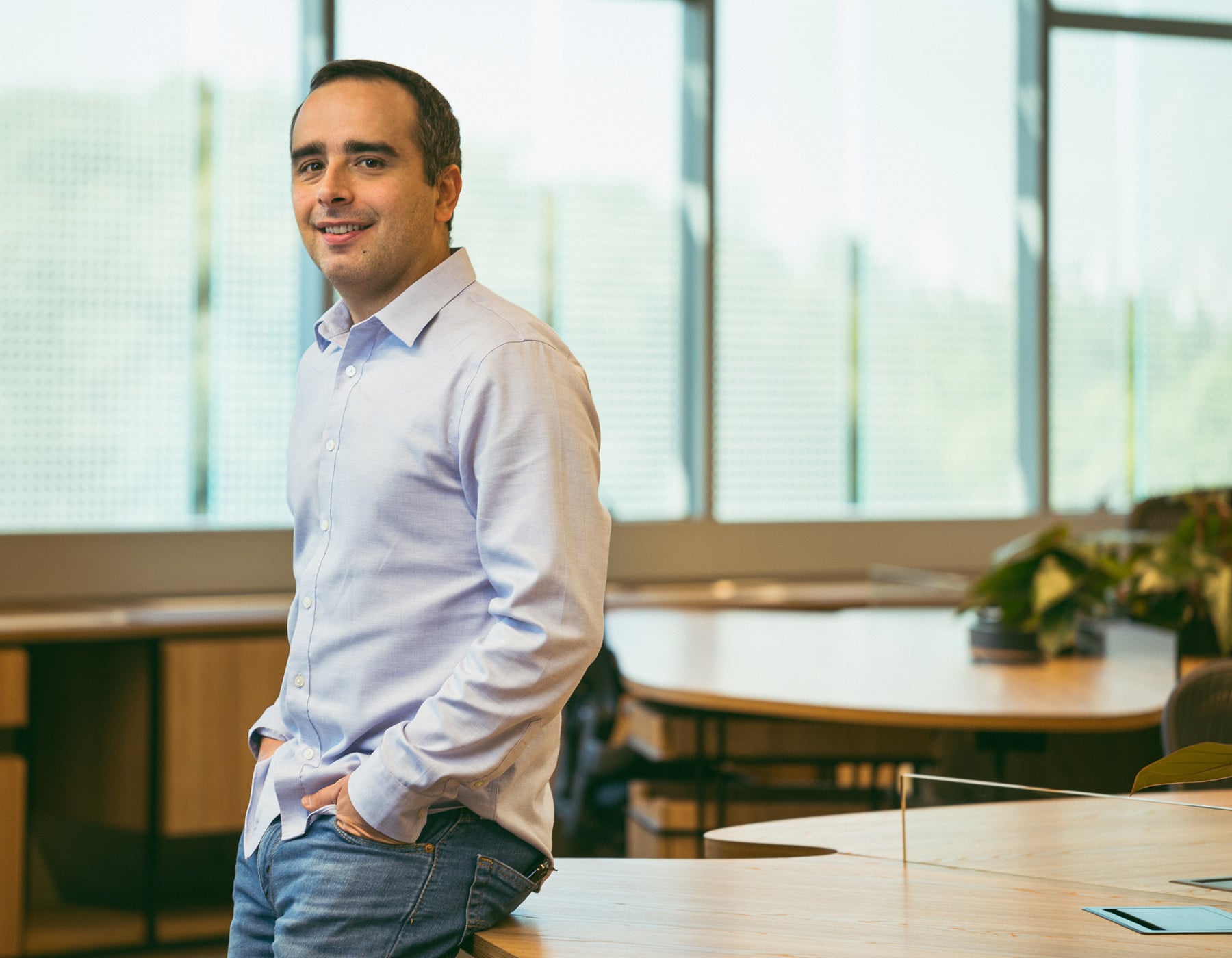
“I believe it is possible to dance between environment, social equity and profitability,” Jose Manuel Silva tells The CEO Magazine. “I believe it’s possible to do all three at the same time.”
Silva joined the company in 2021 as CEO of Natura & Co Pay Latam, New Business, IT and Data SVP, with a primary mandate to unlock new revenue streams.
Historically, Natura’s business model relied on direct selling via independent consultants. While today it has an omnichannel presence that includes ecommerce and over 1,000 physical stores, its network of three million beauty consultants across 14 Latin American countries that sell direct to consumers remains critical to its success.
Supporting those consultants is Emana Pay, which Silva describes as an “embedded fintech” within Natura. A digital account for both Natura and Avon consultants, it enables seamless management of payments and access to financial services within the Natura ecosystem. He calls it a “financial economy” that currently serves 900,000 active users – and is growing.

“I believe it is possible to dance between environment, social equity and profitability.”
Today’s surplus of digital and social platforms, the likes of TikTok, SHEIN, Amazon and Mercado Libre means that the entry barrier to selling beauty products has never been more open. At the same time, influencers are inching into the same space as Nattura’s consultants.
“The entire market is changing and we need to act fast. We need to make organizational changes to ensure we remain competitive in the market,” he explains.
Natura is making large investments in AI, particularly to increase productivity and allow consultants to focus on building relationships and selling.
“When I looked at our digital road map, I saw that our consultants were spending too much time on inventory and logistics,” he reveals.
Silva is orchestrating an AI deployment that focuses heavily on predictive analytics and financial inclusions to allow consultants more time to sell and know their customers.
“In other words, more time to be beauty consultants,” he says. “That’s the guiding principle that we are chasing, that technology must automate the transactional, so our people can focus on transformational behavior.”
The technology is also proving invaluable in speeding up cycles of development. Natura has currently developed around 46 bioingredients from the Amazon rainforest and each requires a deep social science, heritage and community study before it moves into the scientific stage.
“A couple of years ago, it took us, on average, five-and-a-half years to develop a product for market,” Silva says. “Now, as we embed AI into our R&D processes, we are building it in less than two years.”
“We need to make organizational changes to ensure we remain competitive in the market.”
Around 550 scientists and PhD-level researchers work at its Cajamar research, innovation and manufacturing complex in São Paulo developing products for Natura, Avon and white-label brands. Silva calls it the biggest R&D team in the Southern Hemisphere in terms of cosmetics.
While that might set Natura apart in the market, something else that makes it difficult for competitors to copy is the resilient partnerships the company has built across its value chain, including the likes of financial services infrastructure provider Dock.
Of course, central to Natura’s success are the Amazon extractive communities he refers to as co-creators.
“We have dismantled the traditional transactional procurement model; instead, we architect long-term benefit-sharing agreements,” he says.
And as barriers to the cosmetics, fragrances and toiletries disappear, this remains one of the main assets Natura has as a business.
An economist by training, Silva came to Natura via companies such as SAP, HSBC and Carrefour. Since joining the company, he’s evolved his leadership style to balance commercial performance with purpose-driven culture.
“I don’t see the two as competitive forces anymore,” he says. “They are integrated forces in exponential growth.”
Advertisement
The past few years have shown him that purpose without performance is just a wish – but equally that performance without purpose is unsustainable.
“We now treat social and environmental metrics with exactly the same rigor as our financial profile and loss,” he explains.
So much so that they are now reported as integrated profit and loss (IP&L), measuring every new product launch by profit margin and social return. For every real US$1 of revenue, Natura generates approximately US$2.50 in social and environmental value. His dream, he adds, is that more companies around the world harness this IP&L.
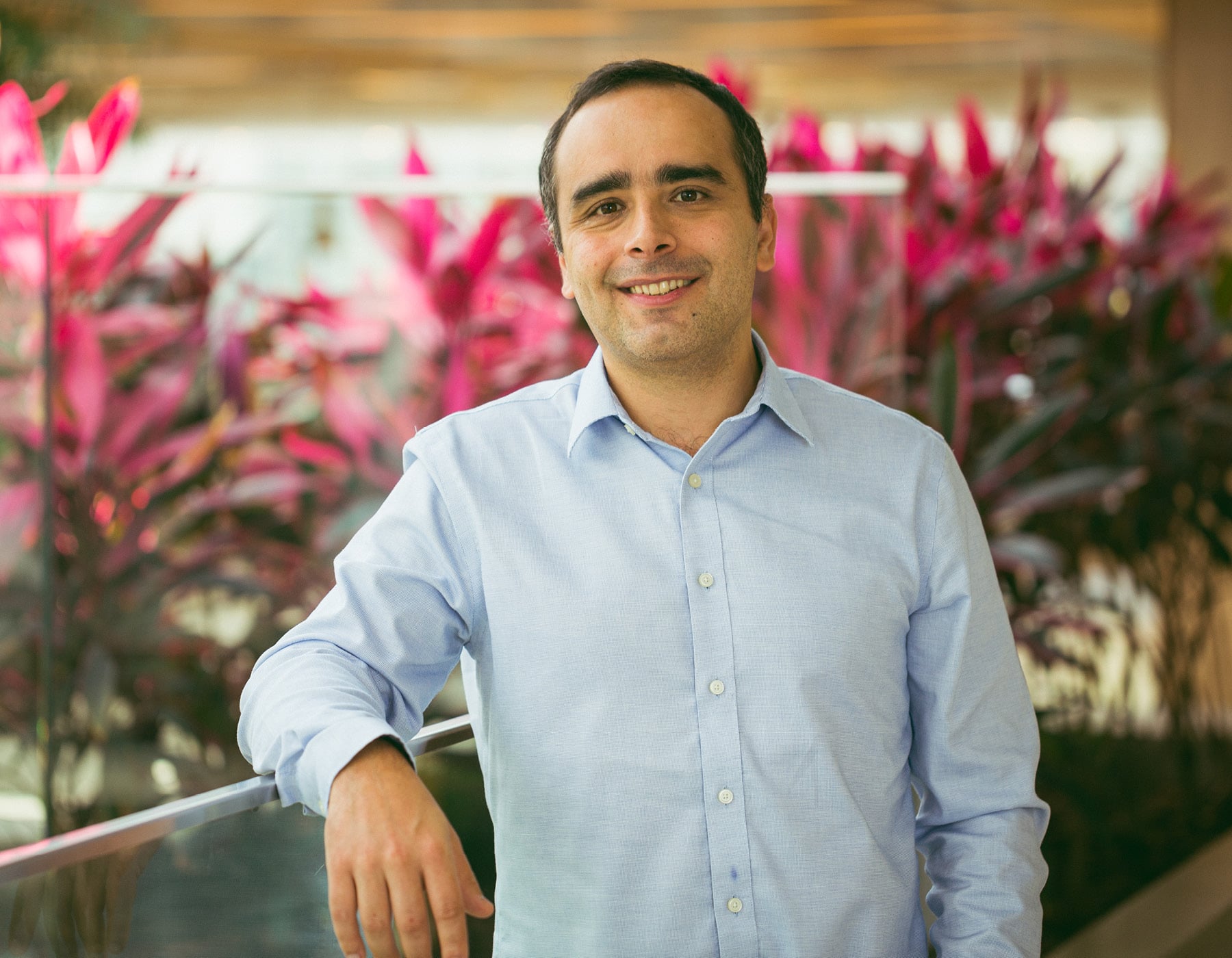
“Technology must automate the transactional, so our people can focus on transformational behavior.”
For Silva, numbers belong to the past, but sustainable growth is remembered long after results are announced. As Natura moves beyond sustainability to generation, that’s the legacy he hopes he is building at the company.
“We need to regenerate the business, leaving ecosystems and communities in a better place to build new businesses – and a better place to live for our grandchildren.”
 RELATED ARTICLES
 SPOTLIGHTS ON LEADERS


 Home

 Podcasts

 Covers
 Be Featured

 Community